E-learning has transformed from simple digital content delivery into complex, adaptive ecosystems that are reshaping how we acquire knowledge and develop skills in the 21st century.

🚀 The Dawn of Digital Learning: Where It All Began
The journey of e-learning began in the 1960s with the introduction of computer-based training programs. These early systems were rudimentary, offering little more than digitized versions of textbooks displayed on monochrome screens. The primary goal was simple: reduce training costs and standardize educational content delivery across organizations.
By the 1990s, the emergence of the internet catalyzed a significant shift. Learning Management Systems (LMS) like WebCT and Blackboard introduced centralized platforms where instructors could upload materials, manage assignments, and track student progress. However, these systems still operated within a traditional pedagogical framework, essentially replicating classroom instruction in a digital format.
The real revolution began in the 2000s when educational institutions and technology companies recognized that effective digital learning required more than simply transferring analog content online. This realization sparked innovation in instructional design, user experience, and technological infrastructure that continues to evolve today.
📱 Mobile Learning: Education in Your Pocket
The proliferation of smartphones fundamentally altered the e-learning landscape. Mobile learning, or m-learning, democratized access to education by removing geographical and temporal barriers. Students could now engage with learning materials during commutes, lunch breaks, or any spare moment throughout their day.
This shift necessitated new approaches to content design. Microlearning emerged as a dominant strategy, breaking complex subjects into bite-sized modules that could be consumed in 3-10 minute sessions. This format aligned perfectly with modern attention spans and the intermittent nature of mobile device usage.
Language learning applications pioneered this approach, demonstrating that consistent, short learning sessions could produce remarkable results. Gamification elements like streaks, badges, and leaderboards leveraged behavioral psychology to maintain user engagement and build sustainable learning habits.
The Microlearning Advantage
Research in cognitive science supports the microlearning approach. The spacing effect demonstrates that information distributed across multiple short sessions is retained more effectively than concentrated study periods. Mobile platforms naturally facilitate this spaced repetition, sending notifications and reminders that prompt learners to engage regularly.
Furthermore, microlearning reduces cognitive load, making complex subjects less intimidating and more approachable. Learners can focus on mastering one concept before progressing to the next, building confidence and competence incrementally.
🎓 MOOCs and the Democratization of Higher Education
Massive Open Online Courses (MOOCs) represented a paradigm shift in higher education accessibility. Beginning around 2012, platforms like Coursera, edX, and Udacity partnered with prestigious universities to offer courses to anyone with internet access, often at no cost.
This movement challenged traditional education models by questioning fundamental assumptions about access, credentialing, and the value proposition of formal degrees. Suddenly, a student in rural India could take the same artificial intelligence course taught at Stanford, learn from the same instructors, and complete identical assignments.
The initial enthusiasm surrounding MOOCs has matured into a more nuanced understanding of their role in the educational ecosystem. While completion rates for free courses remain low (typically 5-15%), MOOCs have successfully provided upskilling opportunities for working professionals, supplementary learning for traditional students, and exploratory experiences for lifelong learners.
Beyond Basic MOOCs: Specializations and Micro-Credentials
MOOC platforms evolved beyond single courses to offer structured learning paths. Specializations, professional certificates, and even online degree programs now provide comprehensive curricula with recognized credentials. These programs incorporate peer review, project-based assessments, and sometimes proctored examinations to ensure academic rigor.
The micro-credential movement addresses the gap between traditional degrees and the rapidly changing skills demanded by modern employers. Digital badges and certificates signal specific competencies that can be displayed on professional profiles, creating a more granular representation of knowledge and capabilities.
🤖 Artificial Intelligence: Personalizing the Learning Journey
Artificial intelligence represents the most transformative force currently reshaping e-learning ecosystems. AI-powered platforms can analyze learning patterns, identify knowledge gaps, and adapt content delivery to individual needs with precision impossible for human instructors managing large classes.
Adaptive learning systems use algorithms to continuously assess student performance and adjust difficulty levels, content sequencing, and instructional approaches in real-time. If a student struggles with a particular concept, the system automatically provides additional resources, alternative explanations, or prerequisite materials before advancing.
Natural language processing enables sophisticated chatbots and virtual tutors that provide immediate feedback and support. These AI assistants can answer questions, clarify concepts, and guide students through problem-solving processes 24/7, dramatically increasing the support available to learners.
Predictive Analytics and Early Intervention
Machine learning models analyze vast datasets to identify patterns associated with student success and failure. These predictive analytics allow institutions to intervene proactively when students show warning signs of disengagement or academic struggle.
By identifying at-risk students early, educators can provide targeted support, recommend additional resources, or adjust teaching strategies before problems become insurmountable. This data-driven approach improves retention rates and learning outcomes while optimizing educational resource allocation.
🌐 Social Learning: Building Communities of Practice
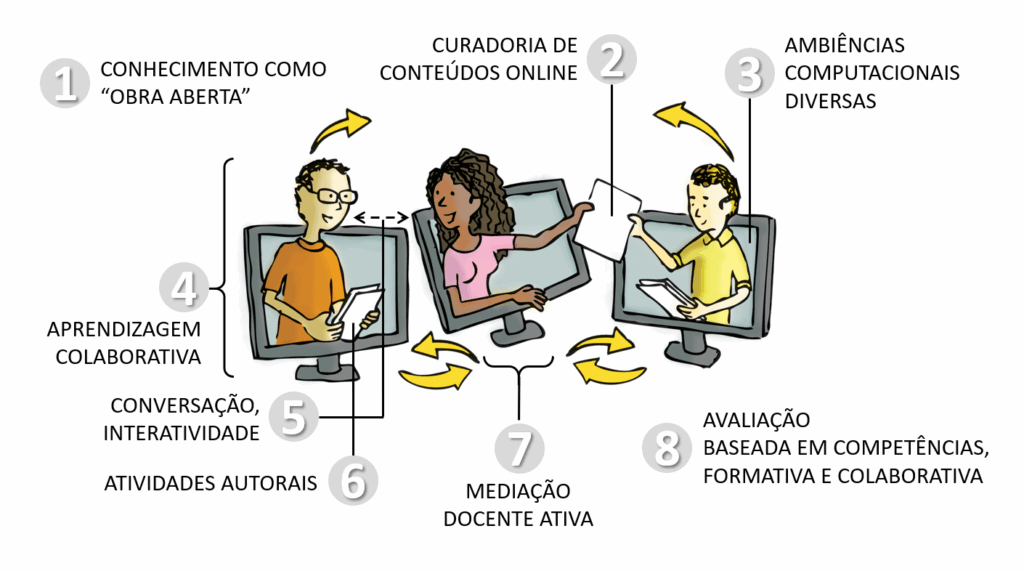
Modern e-learning ecosystems recognize that education is inherently social. Discussion forums, peer review systems, and collaborative projects replicate the community aspects of physical classrooms while offering unique advantages of digital spaces.
Social learning platforms facilitate knowledge sharing among learners worldwide, creating diverse communities where perspectives from different cultures and industries enrich discussions. These interactions often extend beyond formal course boundaries, fostering professional networks and communities of practice that provide ongoing value.
Live cohort-based courses represent a synthesis of structured curriculum and social learning. Students progress through material together, participating in scheduled live sessions, group projects, and peer feedback. This format combines accountability and community while maintaining the flexibility advantages of online learning.
User-Generated Content and Peer Learning
Platforms increasingly leverage user-generated content, recognizing that teaching solidifies understanding. Students create tutorials, explanations, and projects that help others while deepening their own mastery. This approach transforms passive consumers into active contributors, fostering engagement and ownership of the learning process.
Peer assessment systems distribute evaluation responsibilities among students, developing critical thinking and analytical skills while providing diverse feedback perspectives. When properly structured with rubrics and guidelines, peer review can match instructor assessment quality while scaling more effectively.
🎮 Immersive Technologies: VR and AR in Education
Virtual reality (VR) and augmented reality (AR) are pushing boundaries of what’s possible in digital education. These technologies create experiential learning opportunities previously impossible or impractical, particularly for skills requiring physical practice or dangerous scenarios.
Medical students can practice surgical procedures in VR environments with realistic haptic feedback and no risk to patients. Engineering students can explore three-dimensional molecular structures or architectural designs at scale. History students can virtually visit historical sites and experience cultural contexts firsthand.
While current costs and technical requirements limit widespread adoption, these technologies are becoming increasingly accessible. As hardware prices decrease and content libraries expand, immersive learning experiences will transition from novelty to standard educational tools.
Simulation-Based Training
Industries requiring high-stakes decision-making have embraced simulation-based training enabled by immersive technologies. Pilots, emergency responders, and military personnel train in realistic scenarios that would be too dangerous, expensive, or logistically complex to replicate physically.
These simulations provide safe environments for failure and experimentation, essential components of effective learning. Students can repeat scenarios multiple times, trying different approaches and learning from mistakes without real-world consequences.
📊 Data-Driven Insights: Measuring What Matters
E-learning ecosystems generate unprecedented amounts of data about the learning process. Learning analytics transform this information into actionable insights for educators, administrators, and learners themselves.
Traditional education metrics like test scores and completion rates provide limited understanding of the learning journey. Modern analytics track engagement patterns, time spent on specific concepts, common error patterns, and learning pathway preferences. This granular data reveals not just what students learned, but how they learned it.
Dashboards present this information in accessible formats, helping learners understand their progress, identify strengths and weaknesses, and make informed decisions about their learning strategies. Metacognitive awareness—understanding one’s own learning process—is itself a crucial skill that analytics help develop.
Institutional Intelligence
Educational institutions use aggregated analytics to evaluate instructional effectiveness, optimize course design, and allocate resources strategically. Which teaching methods produce the best outcomes? Where do students consistently struggle? What content needs revision? Data answers these questions with empirical evidence rather than intuition.
This evidence-based approach to educational improvement creates continuous feedback loops where courses evolve based on actual student interactions and outcomes rather than remaining static year after year.
🌟 Corporate Training: E-Learning in Professional Development
Corporate training represents one of e-learning’s most successful applications. Organizations recognize that continuous employee development is essential for competitiveness in rapidly changing markets, and digital learning provides cost-effective, scalable solutions.
Corporate e-learning platforms offer compliance training, onboarding programs, skills development, and leadership training accessible to geographically distributed workforces. Employees can complete required training without disrupting work schedules, and organizations can track completion and assess competency systematically.
Just-in-time learning supports performance support, providing information exactly when employees need it. Rather than front-loading training months before application, workers access relevant resources at the moment of need, improving retention and practical application.
Skills Gap Solutions
The accelerating pace of technological change creates persistent skills gaps as job requirements evolve faster than traditional education systems can adapt. E-learning provides agile responses, developing courses on emerging technologies and methodologies quickly.
Partnerships between educational platforms and industry leaders ensure curriculum remains relevant to actual workplace needs. Companies increasingly value demonstrated competencies over traditional credentials, making skill-specific certifications from reputable e-learning providers valuable career assets.
🔐 Challenges and Considerations: The Road Ahead
Despite tremendous progress, e-learning ecosystems face significant challenges. The digital divide remains a critical equity issue, as reliable internet access and appropriate devices are not universally available. While mobile learning extends reach, it cannot fully compensate for infrastructure gaps in underserved communities.
Academic integrity poses ongoing challenges in remote assessment environments. Proctoring solutions range from honor codes to AI-powered surveillance systems, each with trade-offs between security and privacy concerns. Developing assessment methods that measure authentic understanding rather than memorization helps address this issue.
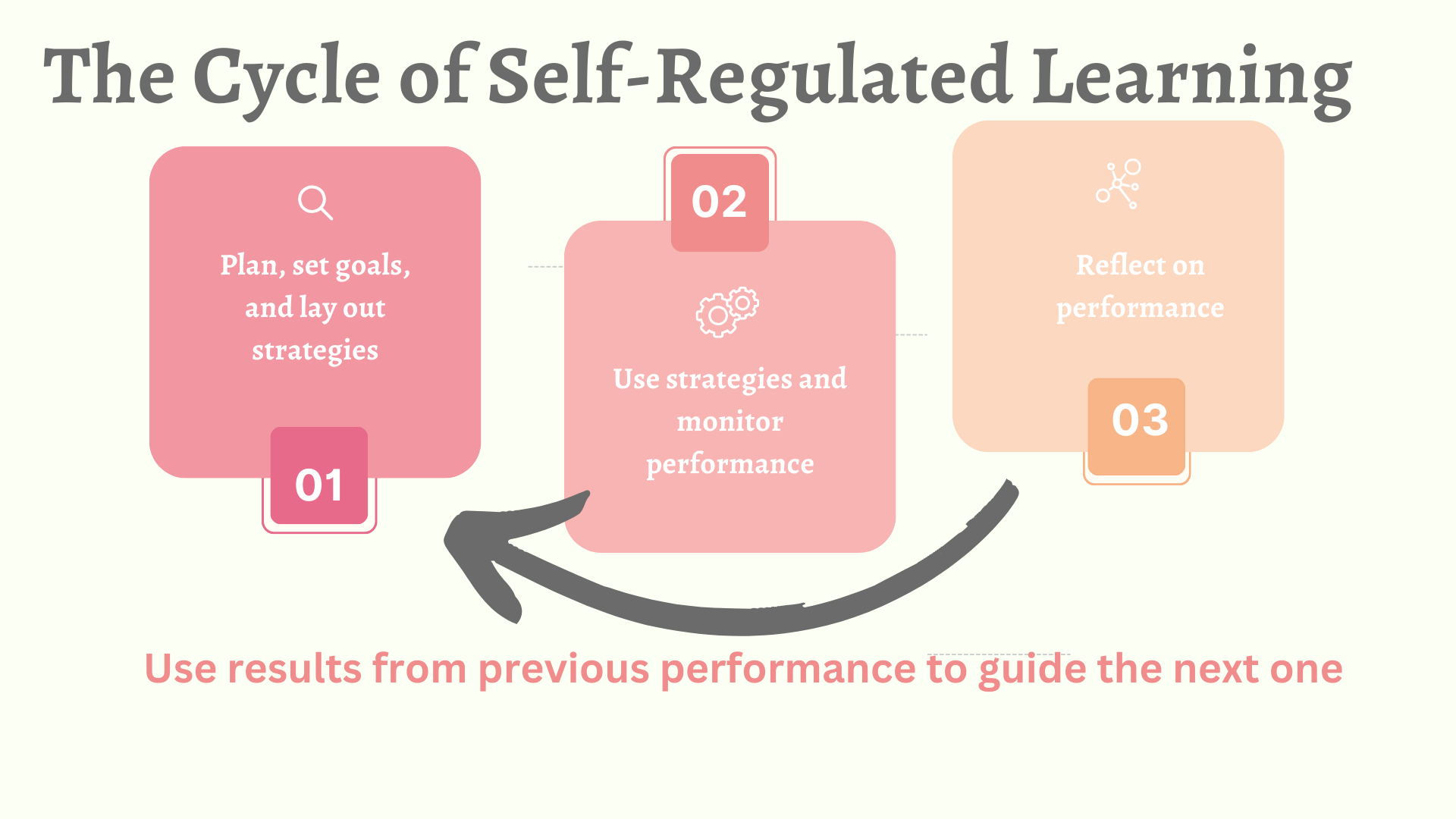
Student motivation and self-regulation are crucial for online learning success, yet many learners struggle without the structure and accountability of physical classrooms. Designing engaging experiences and building supportive communities helps, but cannot completely replace intrinsic motivation.
Quality Assurance and Credibility
The low barriers to entry in e-learning content creation mean quality varies dramatically. Learners face challenges distinguishing rigorous, evidence-based courses from superficial or inaccurate material. Accreditation systems, peer reviews, and transparent instructor qualifications help, but remain imperfect solutions.
Employer recognition of online credentials continues improving but remains inconsistent. While certificates from established institutions generally carry weight, credentials from newer platforms may face skepticism despite potentially superior educational quality.
💡 The Future of Learning: Integration and Innovation
E-learning ecosystems are converging toward integrated platforms that combine multiple modalities—synchronous and asynchronous, individual and social, formal and informal. The future lies not in choosing between traditional and digital education, but in thoughtfully blending approaches to leverage each format’s strengths.
Hybrid models incorporating in-person intensives with primarily online coursework offer compelling middle grounds. Students benefit from face-to-face connection and hands-on experiences while maintaining flexibility for most content delivery.
Lifelong learning is becoming the norm rather than exception as career spans extend and industries transform. E-learning ecosystems must evolve to support continuous skill development throughout professional life, not just during formal education years.
Blockchain technology promises to revolutionize credential verification, creating tamper-proof, portable records of learning achievements. Learners could maintain comprehensive learning portfolios tracking all educational experiences across platforms and institutions, giving them true ownership of their educational credentials.
The evolution of e-learning ecosystems reflects broader societal shifts toward personalization, accessibility, and continuous adaptation. As these systems mature, they increasingly fulfill education’s fundamental purpose: empowering individuals with knowledge and skills to thrive in complex, changing environments. The revolution in educational technology is not about replacing human teachers or traditional learning, but about expanding possibilities and removing barriers that have limited educational access throughout history. This transformation continues accelerating, promising ever more effective, engaging, and equitable learning experiences for all.