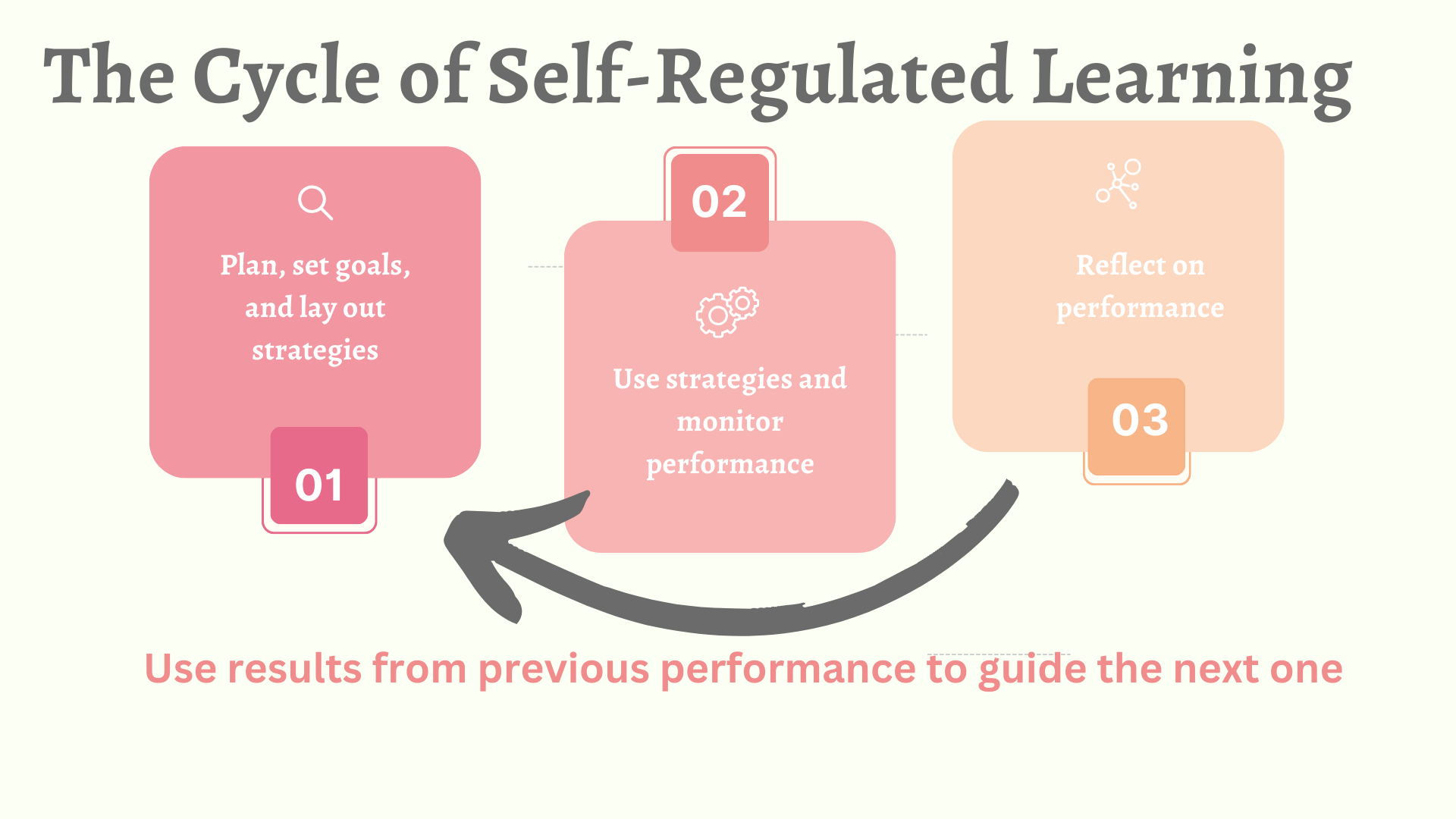
In today’s fast-paced professional world, finding time for continuous learning can feel impossible. Microlearning offers a practical solution for busy professionals seeking growth without sacrificing productivity.

🎯 Understanding Microlearning in the Modern Workplace
Microlearning represents a transformative approach to professional development that breaks down complex topics into bite-sized, digestible chunks. Unlike traditional learning methods that require hours of uninterrupted focus, microlearning sessions typically last between 3 to 10 minutes, making them perfect for professionals juggling multiple responsibilities.
The concept isn’t entirely new, but its application in professional settings has gained tremendous momentum in recent years. Research shows that our attention spans have shortened significantly, with the average professional able to focus intensely for only about 8 seconds at a time. Microlearning capitalizes on this reality rather than fighting against it.
What makes microlearning particularly effective is its alignment with how our brains naturally process and retain information. The spacing effect, a well-documented psychological phenomenon, suggests that we learn better when information is presented in small doses over time rather than in large chunks all at once. This approach reduces cognitive overload and improves long-term retention rates by up to 80% compared to traditional learning methods.
⏰ Strategic Time Management for Learning on the Go
The beauty of microlearning lies in its flexibility. Busy professionals can seamlessly integrate learning into their existing routines without requiring major schedule overhauls. The key is identifying those small pockets of time that typically go underutilized throughout the day.
Consider your morning commute, whether you’re on public transportation or waiting for your coffee to brew. These 5-10 minute windows are perfect opportunities for consuming a quick video tutorial, listening to a podcast segment, or reviewing flashcards on a new concept. Even your lunch break can become a productive learning session when you dedicate just 15 minutes to skill development.
The waiting game we all play daily—before meetings start, in doctor’s offices, or while standing in line—transforms from wasted time into valuable learning opportunities. Instead of mindlessly scrolling through social media, you can engage with educational content that moves you closer to your professional goals.
Creating Your Personal Learning Schedule
Successful microlearning requires intentionality. Start by auditing your typical day and identifying at least three 5-minute windows where learning could fit naturally. Be realistic about your energy levels during different times—challenging technical concepts might be better suited for morning sessions when your mind is fresh, while review activities work well during afternoon slumps.
Block these times in your calendar just as you would any important meeting. This simple act of scheduling communicates to yourself and others that your professional development matters. Set reminders on your phone to prompt you when it’s learning time, creating a consistent habit that eventually becomes automatic.
📱 Essential Digital Tools for Mobile Learning
Technology has revolutionized how we access and engage with learning content. Your smartphone, once considered a distraction, can become your most powerful learning tool when used strategically.
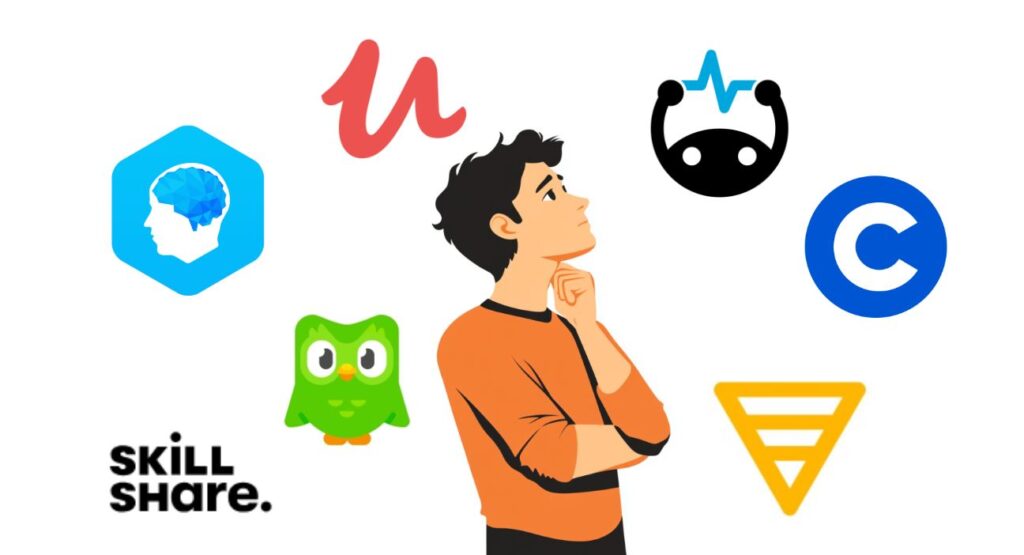
Duolingo has mastered the microlearning approach for language acquisition, breaking complex grammar and vocabulary into game-like lessons that take just 5 minutes to complete. The app’s streak feature creates accountability and motivation, encouraging daily practice.
LinkedIn Learning offers thousands of courses designed specifically for professionals, with most lessons segmented into 3-5 minute videos. You can download content for offline viewing, making it ideal for commutes or flights. The platform’s recommendations engine suggests relevant courses based on your career goals and industry trends.
Blinkist condenses non-fiction books into 15-minute summaries, allowing you to absorb key insights from bestselling business and self-help books during a quick coffee break. While nothing replaces reading full books, Blinkist helps you preview concepts and decide which books deserve deeper attention.
Skillshare provides project-based learning with classes divided into short, manageable lessons. The platform excels in creative and business skills, offering everything from graphic design to entrepreneurship. The mobile app allows you to watch lessons at different speeds, further customizing your learning experience.
🧠 Maximizing Retention Through Smart Learning Strategies
Consuming information is only half the battle—retaining and applying it determines whether learning translates into real skill development. Several evidence-based strategies can dramatically improve how much you remember from your microlearning sessions.
Active recall stands as one of the most powerful learning techniques available. Instead of passively reviewing notes or rewatching videos, test yourself on the material. Apps like Anki use spaced repetition algorithms to present flashcards at optimal intervals, ensuring information moves from short-term to long-term memory.
The Feynman Technique encourages you to explain concepts in simple terms, as if teaching a beginner. After completing a microlearning session, take two minutes to write or voice-record a brief explanation of what you learned. This process immediately reveals gaps in your understanding and solidifies genuine comprehension.
Interleaving different topics during your learning sessions prevents boredom and actually improves retention. Rather than spending an entire week on one subject, rotate between 2-3 complementary skills. For example, alternate between learning a new software tool, improving your public speaking, and studying industry trends.
The Power of Immediate Application
Theory without practice is quickly forgotten. The most successful microlearners find ways to apply new knowledge within 24 hours of learning it. This doesn’t require elaborate projects—small applications work just as well.
If you learned a new Excel formula, use it in that afternoon’s report. Discovered a negotiation technique? Try it in your next vendor conversation. Read about email productivity? Implement one tip immediately in your inbox management. These quick applications create neural pathways that cement learning far better than passive review ever could.
🎓 Building Skills That Matter for Career Advancement
Not all skills deserve equal attention in your limited learning time. Strategic professionals focus on high-leverage competencies that deliver maximum career impact with minimum time investment.
Digital literacy tops the list of essential modern skills. Understanding productivity software, project management tools, and communication platforms isn’t optional anymore—it’s baseline professional competence. Fortunately, most of these tools offer quick tutorial videos perfect for microlearning.
Data interpretation skills have become crucial across industries. You don’t need to become a data scientist, but understanding how to read charts, interpret basic statistics, and make data-informed decisions separates average professionals from exceptional ones. Ten minutes daily with Google Analytics tutorials or Excel training can transform your analytical capabilities within months.
Communication skills—both written and verbal—remain eternally valuable. Microlearning works beautifully here because improvement comes through consistent practice rather than marathon study sessions. Spend five minutes daily studying persuasive writing techniques, then immediately apply them in your emails.
Industry-Specific Knowledge Updates
Professional fields evolve rapidly, and staying current is non-negotiable for career growth. Microlearning excels at helping professionals maintain industry awareness without overwhelming their schedules.
Subscribe to industry-specific newsletters that curate the most important developments into quick reads. Podcasts like “The Daily” from The New York Times or industry-specific shows can keep you informed during your commute. Twitter lists featuring thought leaders in your field deliver insights in tweet-sized doses throughout the day.
💡 Creating Your Personalized Microlearning Ecosystem
The most effective microlearning strategy is one tailored to your unique learning style, career goals, and daily routine. Cookie-cutter approaches rarely succeed because they ignore individual differences in how we process information and what motivates us.
Start by identifying your learning preferences. Do you absorb information better through videos, reading, listening, or hands-on practice? Visual learners might thrive with YouTube tutorials and infographics, while auditory learners benefit more from podcasts and audiobooks. Kinesthetic learners need interactive simulations and practical exercises.
Your energy patterns throughout the day also matter significantly. Morning people should tackle challenging new concepts during their peak hours, using afternoon slumps for review and lighter content. Night owls might flip this schedule entirely. Working with your natural rhythms rather than against them dramatically improves learning efficiency.
Curating Your Content Sources
Information abundance creates its own problems. With millions of articles, videos, and courses available, choosing what to consume becomes a skill itself. Successful microlearners develop a curated ecosystem of trusted sources rather than randomly sampling whatever appears in their feeds.
Identify 3-5 high-quality sources for each skill area you’re developing. For business skills, this might include Harvard Business Review articles, specific YouTube channels, and a targeted podcast. For technical skills, official documentation, Stack Overflow, and specialized tutorial sites form a solid foundation.
Quality always trumps quantity in microlearning. One excellent 5-minute lesson delivers more value than five mediocre ones. Be ruthless in eliminating sources that waste your time with fluff or outdated information.
🔄 Overcoming Common Microlearning Challenges
Even the best learning strategies face obstacles. Anticipating common challenges and developing solutions in advance ensures your microlearning practice survives beyond the initial enthusiasm phase.
Consistency poses the biggest challenge for most professionals. Life gets busy, unexpected demands arise, and learning sessions get skipped. Combat this by setting ridiculously small minimum commitments—just 2 minutes daily. This low barrier ensures you maintain the habit even during chaotic periods. Once you’re engaged, you often continue beyond the minimum.
Distraction represents another significant hurdle, especially when learning on mobile devices filled with notifications and temptations. Create a dedicated learning profile on your device with educational apps front and center and social media buried or logged out. Use focus modes that silence notifications during your designated learning times.
Measuring progress in microlearning feels less straightforward than traditional courses with clear milestones and certificates. Create your own progress tracking system using a simple spreadsheet or habit-tracking app. Record daily learning minutes, topics covered, and practical applications. Reviewing this log monthly provides tangible evidence of growth and maintains motivation.
Avoiding Information Overload
The paradox of microlearning is that while individual sessions are small, accumulating too many without consolidation leads to mental clutter. Schedule weekly review sessions—even just 15 minutes—to synthesize what you’ve learned and identify key takeaways worth remembering long-term.
Use a note-taking system that captures insights from your microlearning sessions. Whether it’s a digital tool like Notion or Evernote, or a physical notebook, having one central repository for learning notes allows you to reference and review material efficiently.
📊 Measuring Your Microlearning Success
What gets measured gets managed. Tracking your microlearning efforts helps maintain accountability and demonstrates the real impact of consistent small efforts over time.
Define clear, specific goals for your learning initiatives. Instead of vague aspirations like “get better at marketing,” set concrete targets: “Learn to create basic Google Ads campaigns” or “Understand marketing funnel metrics well enough to discuss them confidently in meetings.” These specific goals make progress measurable.
Create a simple scorecard with multiple dimensions of success:
- Consistency: Days per week engaging with learning content
- Application: Number of times you applied new knowledge at work
- Skill assessments: Regular self-tests or project completions demonstrating competency
- Career impact: Promotions, project assignments, or recognition linked to new skills
Review your scorecard monthly to identify patterns. Perhaps you’re consistent with learning but not applying knowledge, or maybe certain skills generate more career impact than others. These insights allow you to optimize your microlearning strategy continually.
🚀 Transforming Learning Into Lasting Professional Growth
Microlearning isn’t just about acquiring information—it’s about fundamentally transforming how you approach professional development. By embracing learning as a continuous, integrated part of your daily routine rather than an occasional intensive effort, you position yourself for sustained career growth in an ever-changing professional landscape.
The compound effect of daily microlearning sessions creates remarkable results over time. Just 10 minutes daily equals over 60 hours annually—equivalent to a full-time work week dedicated to skill development. Multiply this over several years, and you’ve invested hundreds of hours into becoming a more capable, valuable professional without ever feeling overwhelmed.
Start today with a single commitment: identify one 5-minute pocket of time tomorrow where you’ll engage with educational content. Choose a topic that excites you professionally, find one quality resource, and begin. This small action, repeated consistently, will master skills you once thought required extensive time you didn’t have.
The future belongs to professionals who adapt quickly, learn continuously, and apply knowledge effectively. Microlearning provides the framework to develop these capabilities without burning out or sacrificing work-life balance. Your professional transformation doesn’t require dramatic life changes—just strategic, consistent, bite-sized learning integrated intelligently into the life you’re already living.