Virtual classrooms are transforming education by breaking down geographical barriers and creating dynamic learning environments where students and educators collaborate in real-time, regardless of location.

🌐 The Digital Revolution in Education
The landscape of education has undergone a seismic shift in recent years. Traditional brick-and-mortar classrooms, while still valuable, are no longer the only option for quality education. Virtual classrooms have emerged as powerful platforms that combine technology with pedagogy, creating opportunities for learning that were unimaginable just a decade ago.
This transformation isn’t merely about moving lessons online. It’s about reimagining how knowledge is shared, how students interact with content, and how collaborative learning can transcend physical boundaries. Virtual classrooms have proven that distance doesn’t diminish engagement—in fact, when properly implemented, they can enhance it.
Understanding the Virtual Classroom Ecosystem
A virtual classroom is more than a video conferencing tool. It’s an integrated digital environment designed specifically for educational purposes, featuring interactive whiteboards, breakout rooms, screen sharing capabilities, and real-time collaboration tools. These platforms create immersive experiences that replicate and often enhance traditional classroom dynamics.
Modern virtual classrooms incorporate multiple learning modalities. Students can watch live lectures, participate in discussions, work on group projects, submit assignments, and receive instant feedback—all within a single digital ecosystem. This integration streamlines the learning process and creates cohesive educational experiences.
Essential Components of Effective Virtual Learning Spaces
The most successful virtual classrooms share several key characteristics. They offer intuitive interfaces that don’t require extensive technical knowledge, ensuring that both educators and students can focus on learning rather than troubleshooting. High-quality audio and video capabilities maintain clear communication, while recording features allow students to revisit complex concepts at their own pace.
Interactive elements distinguish exceptional virtual classrooms from basic video calls. Polling features gauge understanding in real-time, annotation tools enable collaborative problem-solving, and chat functions facilitate questions without interrupting the flow of instruction. These features transform passive viewing into active participation.
💡 The Collaborative Learning Advantage
Collaborative learning represents one of the most powerful aspects of virtual classrooms. When students work together, they develop critical thinking skills, learn to articulate their understanding, and gain exposure to diverse perspectives. Virtual environments actually amplify these benefits in unexpected ways.
Digital collaboration tools enable simultaneous editing of documents, shared whiteboards where multiple students can contribute ideas visually, and breakout rooms that facilitate small group discussions. These features create opportunities for collaboration that can be more structured and inclusive than traditional classroom settings.
Breaking Down Social Barriers Through Digital Interaction
Interestingly, virtual classrooms can reduce social anxiety for some students. Those who might hesitate to raise their hand in a physical classroom often feel more comfortable typing questions in a chat or contributing ideas through collaborative documents. This democratization of participation ensures that diverse voices contribute to the learning community.
The asynchronous elements of many virtual learning platforms further enhance accessibility. Students can contribute to discussion boards thoughtfully, taking time to research and formulate responses. This flexibility accommodates different learning styles and thinking processes, creating a more equitable educational environment.
Building Community in Digital Spaces
A common misconception suggests that virtual classrooms lack the community feel of traditional education. However, skilled educators are proving this notion wrong by intentionally building strong virtual communities. Through consistent interaction, shared goals, and collaborative projects, students develop meaningful connections with peers and instructors.
Virtual classrooms offer unique community-building opportunities. Educators can create dedicated channels for social interaction, organize virtual study groups, and use gamification elements to foster healthy competition and camaraderie. These strategies cultivate belonging and mutual support among learners.
The Role of Synchronous and Asynchronous Learning
Successful virtual education balances real-time interaction with self-paced study. Live sessions create accountability and enable immediate clarification of concepts, while recorded lectures and independent assignments allow students to learn at their optimal pace. This flexibility accommodates diverse schedules and learning preferences without sacrificing quality.
Asynchronous discussion forums deserve special mention for their collaborative value. Students engage with course material deeply, responding to prompts and peer comments with considered analysis. These threaded discussions often reach greater depth than time-constrained classroom conversations, with contributions building on each other to create rich knowledge repositories.
📚 Pedagogical Strategies for Virtual Success
Effective virtual instruction requires intentional pedagogical approaches. Educators must rethink traditional teaching methods to leverage digital tools while maintaining engagement. The most successful virtual instructors embrace active learning strategies that keep students mentally engaged throughout sessions.
Chunking content into shorter segments prevents cognitive overload in virtual environments. Rather than lecturing for extended periods, effective instructors intersperse brief explanations with interactive activities, questions, or discussions. This rhythm maintains attention and facilitates better information retention.
Assessment and Feedback in Digital Environments
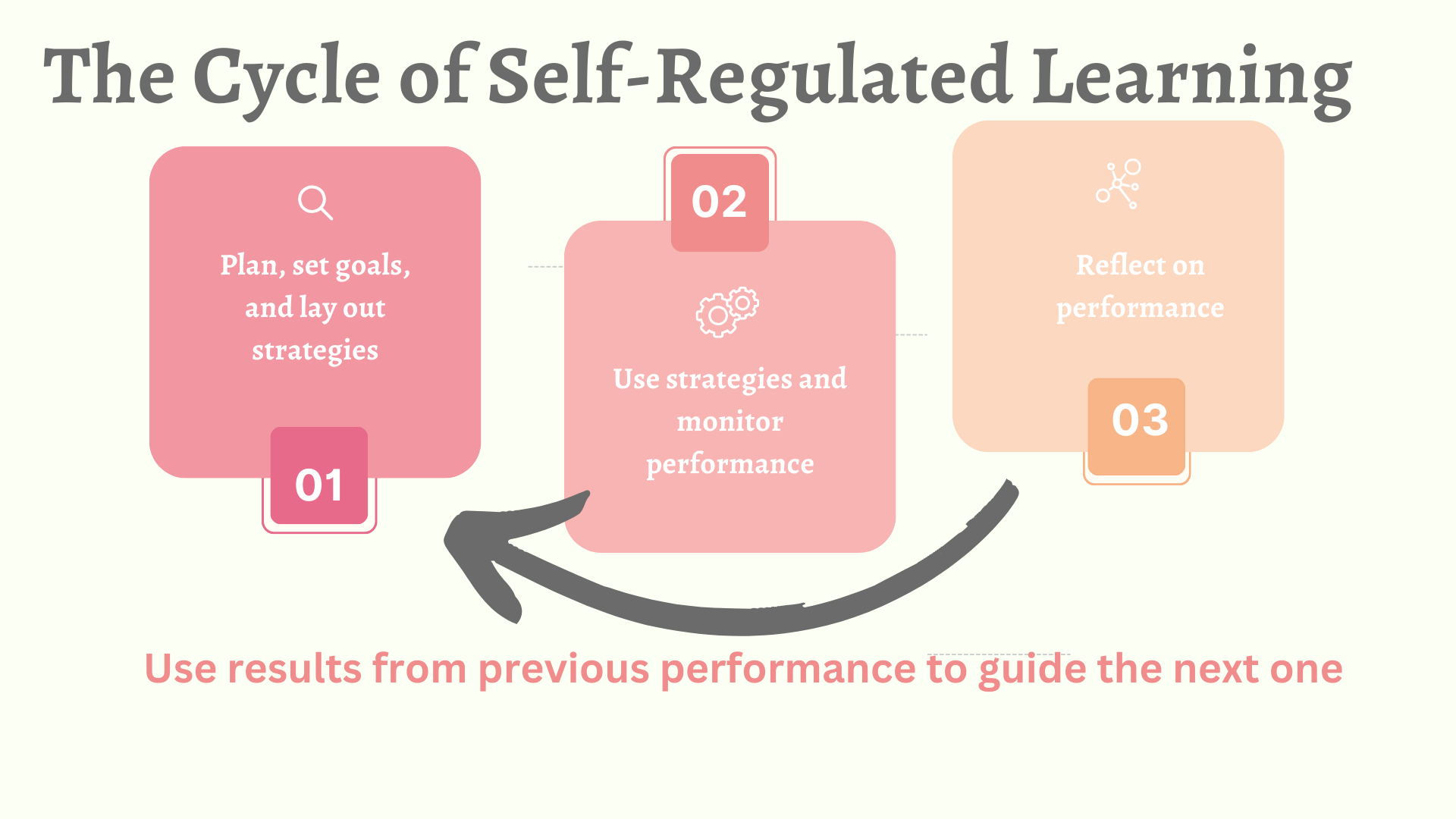
Virtual classrooms enable innovative assessment approaches. Educators can use formative assessments throughout lessons to gauge understanding immediately, adjusting instruction in real-time based on student responses. Digital quizzes provide instant feedback, helping learners identify knowledge gaps while information remains fresh.
Authentic assessments flourish in virtual environments. Students can create multimedia presentations, develop collaborative projects, or build digital portfolios that showcase their learning journey. These assessments often reflect real-world applications more accurately than traditional exams, preparing students for professional contexts.
Technology as an Enabler, Not a Barrier
While technological challenges exist, viewing technology as an enabler rather than an obstacle transforms the virtual learning experience. The key lies in selecting appropriate platforms and providing adequate support for both educators and students as they navigate digital tools.
Many institutions have found success with comprehensive onboarding processes. Technical training sessions, readily available support resources, and peer mentorship programs help community members develop digital literacy. As confidence with technology grows, users focus increasingly on learning objectives rather than technical mechanics.
Addressing the Digital Divide
Equity considerations remain paramount in virtual education. Not all students have equal access to reliable internet connections or appropriate devices. Progressive institutions address these disparities through device lending programs, subsidized internet access, and hybrid models that offer both virtual and physical attendance options.
Creative solutions continue emerging. Some educators prepare content that functions on low-bandwidth connections, while others offer offline access to essential materials. These accommodations ensure that virtual classrooms expand rather than limit educational access.
🎯 Measuring Success in Virtual Learning Environments
Success metrics for virtual classrooms extend beyond traditional measures. While academic performance remains important, engagement metrics, participation rates, and student satisfaction provide crucial insights into virtual program effectiveness. Holistic assessment captures the full picture of learning outcomes.
Data analytics available through digital platforms offer unprecedented visibility into learning patterns. Educators can identify which students might need additional support, which concepts require reinforcement, and which teaching strategies prove most effective. This evidence-based approach enables continuous improvement.
Student Perspectives on Virtual Learning
Student feedback reveals valuable insights about virtual classroom experiences. Many learners appreciate the flexibility to balance education with work or family responsibilities. Others value the ability to revisit recorded content when preparing for assessments or working on complex assignments.
However, students also identify areas for improvement. Some miss spontaneous interactions that occur naturally in physical spaces, while others find maintaining motivation challenging without in-person accountability. Understanding these perspectives helps educators refine virtual approaches to address legitimate concerns.
The Future of Hybrid Educational Models
The future likely involves hybrid models that combine the best elements of physical and virtual classrooms. These blended approaches offer flexibility while preserving valuable face-to-face interactions. Students might attend some sessions virtually while participating in others on campus, choosing formats that suit specific learning objectives.
Hybrid models also expand access to specialized instruction. A student at a small institution could attend a virtual guest lecture by an international expert, or participate in collaborative projects with peers from different countries. These opportunities enrich education in ways that purely physical classrooms cannot match.
Emerging Technologies Shaping Virtual Education
Artificial intelligence and machine learning are beginning to personalize virtual learning experiences. Adaptive learning systems adjust content difficulty based on individual performance, while AI tutors provide supplementary support outside scheduled class times. These technologies augment rather than replace human instructors, handling routine tasks so educators can focus on meaningful interactions.
Virtual and augmented reality technologies promise to make abstract concepts tangible. Medical students could practice procedures in virtual operating rooms, while history students might virtually explore ancient civilizations. As these technologies become more accessible, they’ll further blur the lines between physical and virtual learning experiences.
🚀 Implementing Virtual Classrooms Successfully
Organizations considering virtual classrooms should approach implementation strategically. Starting with pilot programs allows for testing and refinement before full-scale deployment. Gathering feedback from early participants helps identify potential issues and refine processes before they affect larger populations.
Professional development for educators remains crucial. Teaching virtually requires different skills than traditional instruction, and investing in instructor training yields significant returns. Ongoing support communities where educators share strategies and troubleshoot challenges foster continuous improvement across the institution.
Creating Sustainable Virtual Learning Communities
Sustainability requires intentional community cultivation. Establishing clear communication norms, creating spaces for both academic and social interaction, and recognizing student achievements all contribute to vibrant virtual learning communities. These efforts combat isolation and build the connections that make learning meaningful.
Regular reflection and iteration ensure virtual classrooms evolve to meet changing needs. What works today may require adjustment tomorrow as technologies advance and pedagogical understanding deepens. Organizations committed to continuous improvement create virtual learning environments that remain effective and engaging over time.
Empowering Learners for Tomorrow’s World
Virtual classrooms prepare students for an increasingly digital world. The skills developed through virtual collaboration—digital literacy, remote communication, self-directed learning, and technological adaptability—directly align with workplace demands. Students graduating from robust virtual programs enter professional contexts already comfortable with tools and practices they’ll use throughout their careers.
Beyond technical skills, virtual learning cultivates essential soft skills. Students learn to communicate clearly in writing, manage their time effectively without constant supervision, and collaborate with diverse teams across distances. These competencies prove invaluable regardless of specific career paths.

Transforming Education Through Innovation and Collaboration
The power of virtual classrooms lies not in replacing traditional education but in expanding what education can be. By removing geographical constraints, accommodating diverse learning needs, and facilitating rich collaborative experiences, virtual learning environments unlock potential that physical classrooms alone cannot access.
Success requires commitment from all stakeholders—institutions must invest in infrastructure and support, educators must embrace new pedagogical approaches, and students must engage actively with digital learning environments. When these elements align, virtual classrooms become transformative spaces where collaborative learning thrives and educational boundaries dissolve.
As we continue refining virtual education, the focus must remain on learning outcomes rather than technology for its own sake. The tools matter less than how we use them to facilitate understanding, foster collaboration, and create inclusive communities where every learner can succeed. Virtual classrooms represent not the future of education, but a powerful component of education’s evolving present—one that promises to make quality learning more accessible, collaborative, and effective for students worldwide.