Content curation transforms ordinary online courses into extraordinary learning experiences by strategically selecting, organizing, and presenting valuable educational resources that resonate with learners.

🎯 Why Content Curation Matters in Online Education
In today’s digital landscape, learners face an overwhelming abundance of information. The challenge isn’t finding content—it’s finding the right content. This is where content curation becomes your superpower as an online course creator. By carefully selecting and organizing learning materials, you provide students with a clear pathway through the noise, saving them countless hours of searching and ensuring they engage with high-quality resources that truly enhance their learning journey.
Content curation goes far beyond simply collecting links or resources. It’s an art form that requires understanding your audience, recognizing quality content, and creating meaningful connections between different learning materials. When done effectively, curated content can increase course completion rates, boost student engagement, and establish you as a trusted authority in your field.
The most successful online educators understand that they don’t need to create everything from scratch. By curating exceptional content from various sources and adding your unique insights and context, you create a richer, more diverse learning experience that students couldn’t access elsewhere.
📚 Understanding the Core Principles of Educational Content Curation
Effective content curation follows specific principles that distinguish it from random content collection. First and foremost is relevance—every piece of curated content must directly support your learning objectives and address your students’ needs. This means constantly asking yourself whether each resource moves learners closer to mastering the skills or knowledge your course promises to deliver.
Quality control serves as the foundation of successful curation. You act as a filter, protecting your students from misinformation, outdated practices, and low-quality materials. This responsibility requires staying current with your subject matter, critically evaluating sources, and maintaining high standards for what makes it into your course.
Context is what transforms a collection of resources into a curated learning experience. When you share a video, article, or podcast, explain why it matters, how it connects to previous lessons, and what students should focus on. This contextual framing helps learners understand the bigger picture and extract maximum value from each resource.
The Curation Mindset: From Consumer to Curator
Developing a curator’s mindset means shifting from passive content consumption to active evaluation and selection. Train yourself to constantly assess content through your students’ eyes. Ask questions like: Is this information accurate? Does it present concepts in an accessible way? Will this engage my specific audience? How does this fill gaps in existing course materials?
Successful curators also recognize patterns and themes across different sources. You might notice that three different experts emphasize the same fundamental principle, or that a controversial topic generates diverse perspectives worth exploring. These observations become opportunities to create richer learning experiences through curated content that presents multiple viewpoints or reinforces critical concepts.
🔍 Finding High-Quality Learning Materials Worth Curating
The internet overflows with educational content, but not all of it deserves a place in your course. Developing a systematic approach to discovering valuable resources ensures you consistently find materials that elevate your course quality. Start by identifying authoritative sources in your field—academic institutions, industry leaders, respected publications, and proven experts whose work aligns with your teaching philosophy.
Create a content discovery routine that includes monitoring specific websites, subscribing to newsletters, following thought leaders on social media, and participating in professional communities. Set aside dedicated time each week for content discovery, treating it as an essential part of your course development process rather than an afterthought.
Leverage technology to streamline your discovery process. RSS feeds, content aggregators, and social listening tools can help you stay informed about new publications and trending topics in your field. However, technology should augment, not replace, your critical judgment about what qualifies as truly valuable learning material.
Evaluating Content Quality and Credibility
Before adding any resource to your course, conduct a thorough evaluation. Check the author’s credentials and expertise. Examine the publication date to ensure information remains current and relevant. Look for citations and references that indicate well-researched content. Assess whether the writing style and complexity level match your target audience’s needs and abilities.
Consider the format and accessibility of potential resources. Does the content work well for online learning? Are there transcript options for videos? Is the material mobile-friendly? These practical considerations affect whether students will actually engage with the curated content you provide.
🎨 Organizing Curated Content for Maximum Impact
Organization transforms a collection of great resources into a cohesive learning experience. Structure your curated content to support natural learning progression, moving from foundational concepts to more advanced applications. Group related materials together, creating thematic modules that allow students to explore topics deeply before moving forward.
Create clear navigation systems that help students find curated resources easily. Use consistent labeling conventions, descriptive titles, and logical categorization. Consider creating a resource library organized by topic, format, or difficulty level, giving students multiple ways to access materials based on their preferences and needs.
Balance variety with coherence. While diverse content formats keep learning engaging, too much variety can feel disjointed. Aim for a consistent core structure supplemented by varied resources that address different learning styles and preferences.
Creating Curated Content Pathways
Design intentional pathways through your curated content that guide students on specific learning journeys. A beginner pathway might focus on foundational concepts with highly accessible resources, while an advanced pathway incorporates research papers, case studies, and challenging materials. This approach allows personalization while maintaining structure.
Develop themed collections that bundle curated resources around specific topics or challenges. For example, a “Problem-Solving Toolkit” might include articles, videos, templates, and examples all focused on developing this critical skill. These collections become valuable references students return to long after completing your course.
💡 Adding Value Through Curation Commentary
Your perspective and insights are what make curated content truly valuable. Never simply drop a link without context. Write brief introductions explaining why you selected each resource, what students should pay attention to, and how it connects to broader course themes. This commentary demonstrates your expertise and helps students extract maximum value from each resource.
Create reflection prompts and discussion questions around curated content. Encourage students to engage critically with materials, considering how different perspectives apply to their specific situations. This active engagement transforms passive consumption into meaningful learning.
Develop summary guides that synthesize key insights from multiple curated resources. These guides help students see connections between different materials and reinforce critical concepts. You might create visual mind maps, comparison charts, or annotated bibliographies that add significant value to the raw curated content.
Building Community Around Curated Content
Use curated materials as conversation starters in discussion forums or live sessions. Ask students to share their reactions, insights, or how they might apply concepts to their work. This social dimension of curation creates a collaborative learning environment where students learn from both the content and each other.
Invite students to contribute to curation by sharing resources they find valuable. This crowdsourced approach not only lightens your workload but also increases student investment in the course. Review student suggestions carefully, maintaining quality standards while acknowledging contributions that enhance the learning experience.
⚙️ Leveraging Technology for Efficient Content Curation
Technology tools can significantly enhance your curation capabilities when used strategically. Content management systems help you organize and categorize resources efficiently. Bookmark managers with tagging capabilities allow you to save and retrieve potential course materials quickly. Cloud storage solutions ensure your curated content library remains accessible and organized.
Learning management systems often include features specifically designed for content curation, such as content libraries, embedded media players, and resource modules. Familiarize yourself with these built-in capabilities before seeking external tools. Many course platforms provide everything you need for effective curation without additional complexity.
Consider using content curation platforms designed for educators. These tools offer features like content discovery, organization, annotation, and sharing specifically tailored to educational contexts. However, remember that tools should serve your curation strategy, not dictate it. Choose technology that aligns with your workflow and enhances rather than complicates your process.
Maintaining Your Curated Content Library
Regular maintenance ensures your curated content remains relevant and accessible. Schedule quarterly reviews to check for broken links, outdated information, and resources that no longer serve your course objectives. Remove or replace materials that have become obsolete, maintaining the quality and currency of your course.
Create a system for tracking content performance. Which resources do students engage with most? What formats generate the best learning outcomes? Use this data to refine your curation strategy continuously, focusing on materials that genuinely enhance the learning experience.
📊 Measuring the Impact of Your Curated Content
Assess the effectiveness of your content curation through multiple metrics. Track engagement data like completion rates, time spent on resources, and interaction with curated materials. Survey students about which resources they found most valuable and why. This feedback provides insights into what’s working and where adjustments might improve the learning experience.
Look for evidence of learning transfer—are students applying concepts from curated resources in their work? Do discussion forums reflect engagement with curated materials? These qualitative indicators often reveal impact that quantitative metrics miss.
Compare learning outcomes between courses with and without extensive curation. Do students in courses with well-curated content demonstrate stronger skill development or knowledge retention? This comparison helps justify the time investment in quality curation.
🚀 Advanced Curation Strategies for Course Excellence
Once you’ve mastered basic curation, explore advanced strategies that further differentiate your course. Create multi-perspective collections that present different approaches to solving the same problem or understanding the same concept. This exposure to diverse thinking develops critical analysis skills and helps students form nuanced understanding.
Develop just-in-time curation that responds to current events, emerging trends, or timely opportunities in your field. This dynamic approach keeps courses fresh and relevant, demonstrating that learning extends beyond static course materials to ongoing engagement with the field.
Curate across formats and media types intentionally. Combine written articles with podcasts, infographics, interactive tools, and video content. This multi-modal approach accommodates different learning preferences and keeps the learning experience varied and engaging.
Creating Original Content from Curated Materials
Transform your curated content into original course materials by synthesizing insights from multiple sources. Create comparison guides, critical analyses, or annotated resource lists that provide unique value. This approach positions you as a thought leader who not only identifies valuable content but also interprets and synthesizes it in meaningful ways.
Develop case studies or practical applications that incorporate principles from various curated resources. Show students how different concepts work together in real-world contexts, creating learning experiences that transcend individual resources.
🎓 Ethical Considerations in Content Curation
Responsible curation requires respecting intellectual property and giving proper attribution. Always credit original creators, link to primary sources when possible, and follow fair use guidelines. Your role as curator includes educating students about these ethical practices, modeling proper citation and attribution in all curated materials.
Be transparent about why you’re recommending specific resources. If you have affiliate relationships or receive compensation for recommendations, disclose these relationships clearly. Maintaining trust with your students requires this transparency and ensures recommendations remain genuinely focused on educational value.
Consider accessibility when curating content. Seek resources with captions, transcripts, and alternative formats when possible. Ensure your curated content library serves all learners, including those with disabilities or different access needs.
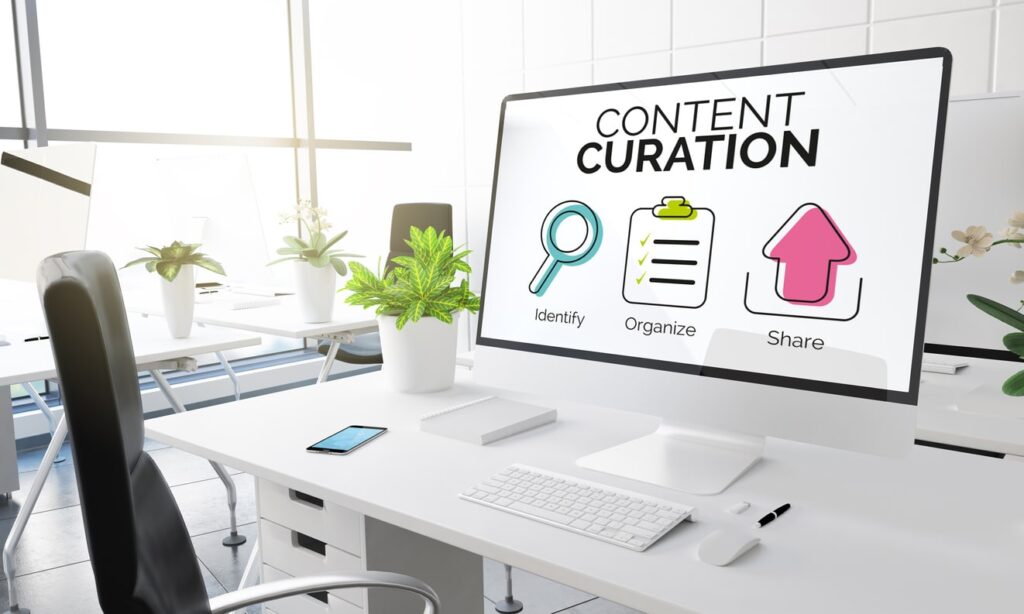
🌟 Transforming Your Course Through Strategic Curation
Mastering content curation elevates your online course from good to exceptional. By thoughtfully selecting, organizing, and contextualizing learning materials, you provide students with a learning experience that’s greater than the sum of its parts. Your expertise shines through not just in what you create, but in what you choose to share and how you help students make sense of it.
Start small if curation feels overwhelming. Begin by adding one high-quality curated resource per module, complete with your contextual commentary. As you develop your curation skills and systems, expand gradually. The investment in quality curation pays dividends through improved student outcomes, increased course value, and your growing reputation as a trusted educational resource.
Remember that effective curation is an ongoing practice, not a one-time project. Commit to continuous improvement, staying current with developments in your field, and refining your selection criteria based on student feedback and learning outcomes. This dedication to excellence in curation distinguishes truly outstanding online courses from merely adequate ones.
The art of content curation empowers you to leverage the collective knowledge of your field, providing students access to diverse perspectives and high-quality resources they might never discover on their own. Combined with your unique insights and teaching expertise, curated content becomes a powerful tool for creating transformative learning experiences that students value long after course completion.