# Revolutionize Your Feedback Process with Adaptive Feedback Systems: Unlocking Real-Time Insights for Optimal Performance

Adaptive feedback systems are transforming how organizations collect, analyze, and act on performance data, enabling unprecedented agility and continuous improvement in today’s fast-paced business environment.
Traditional feedback mechanisms have long been the backbone of organizational development, employee performance management, and customer satisfaction strategies. However, these conventional approaches often suffer from significant delays, subjective biases, and limited actionability. In an era where real-time data drives competitive advantage, waiting weeks or months for annual reviews or quarterly surveys simply doesn’t cut it anymore.
The emergence of adaptive feedback systems represents a paradigm shift in how we approach performance optimization. These intelligent platforms leverage cutting-edge technologies including artificial intelligence, machine learning algorithms, and advanced analytics to deliver immediate, contextual, and actionable insights. By continuously learning from patterns and adjusting their feedback mechanisms accordingly, these systems create a dynamic loop that evolves with your organization’s needs.
This comprehensive guide explores how adaptive feedback systems can revolutionize your approach to performance management, employee engagement, customer satisfaction, and organizational growth. Whether you’re a business leader, HR professional, or team manager, understanding and implementing these systems can unlock transformative results across every level of your operation.
🚀 Understanding Adaptive Feedback Systems: The Foundation of Modern Performance Management
Adaptive feedback systems differ fundamentally from traditional feedback mechanisms through their ability to learn, adjust, and personalize the feedback experience based on individual contexts and organizational dynamics. Unlike static surveys or periodic reviews, these systems operate continuously, capturing micro-moments of performance and sentiment that paint a more accurate picture of reality.
At their core, adaptive feedback systems utilize sophisticated algorithms that analyze multiple data sources simultaneously. This includes direct feedback inputs, behavioral data, performance metrics, communication patterns, and environmental factors. By synthesizing these diverse information streams, the system generates insights that are both comprehensive and nuanced.
The “adaptive” component refers to the system’s capacity to modify its approach based on what it learns. For example, if certain feedback questions consistently yield low response rates from specific demographic groups, the system automatically adjusts its delivery method, timing, or phrasing to improve engagement. This self-optimization ensures that feedback collection remains effective over time without requiring constant manual intervention.
Key Components That Power Adaptive Feedback Systems
Several technological and methodological elements work in concert to make adaptive feedback systems effective:
- Real-Time Data Processing: Information is captured, analyzed, and reported instantaneously, enabling immediate action on emerging trends or urgent issues.
- Machine Learning Algorithms: Pattern recognition capabilities identify correlations and predictive indicators that human analysis might miss.
- Personalization Engines: Feedback experiences are tailored to individual preferences, roles, and behavioral profiles to maximize relevance and engagement.
- Multi-Channel Integration: Data flows seamlessly from various touchpoints including mobile apps, email, chat interfaces, and embedded workplace tools.
- Predictive Analytics: Historical patterns enable forecasting of future performance trends and potential issues before they become critical.
- Contextual Intelligence: The system understands situational factors that might influence feedback, adjusting interpretation accordingly.
💡 The Transformative Benefits: Why Organizations Are Making the Switch
Organizations implementing adaptive feedback systems report measurable improvements across multiple performance indicators. These benefits extend far beyond simple efficiency gains, fundamentally changing how teams collaborate, grow, and achieve their objectives.
Immediate Visibility Into Performance Dynamics
Real-time insights eliminate the dangerous lag between performance events and awareness. When a customer expresses dissatisfaction, when team morale begins declining, or when a high-potential employee starts disengaging, adaptive systems flag these developments immediately. This temporal proximity enables interventions while situations are still fluid and responsive to correction.
Research consistently demonstrates that feedback effectiveness diminishes rapidly with time. A conversation about a presentation is far more impactful hours after delivery than weeks later. Adaptive systems preserve this immediacy across all feedback scenarios, dramatically increasing the developmental impact of every interaction.
Enhanced Engagement Through Personalized Experiences
Generic, one-size-fits-all feedback requests suffer from survey fatigue and declining response rates. Adaptive systems combat this by tailoring every interaction to the individual recipient. The timing, length, format, and even language of feedback requests adjust based on user preferences and historical engagement patterns.
This personalization extends to the feedback itself. Rather than receiving standardized performance reports, individuals receive insights specifically relevant to their roles, goals, and development areas. This relevance translates directly into higher engagement and more meaningful action.
Data-Driven Decision Making With Predictive Capabilities
Adaptive feedback systems transform raw data into strategic intelligence. Advanced analytics identify trends invisible in traditional reporting, such as subtle shifts in team dynamics, early warning signs of burnout, or emerging skill gaps that could impact future projects.
The predictive dimension is particularly powerful. By analyzing historical patterns, these systems can forecast outcomes with remarkable accuracy. Organizations can anticipate turnover risks, identify which initiatives are likely to succeed, and allocate resources more strategically based on data-backed projections rather than intuition alone.
🎯 Implementation Strategies: Building Your Adaptive Feedback Ecosystem
Successfully deploying adaptive feedback systems requires thoughtful planning and staged implementation. Organizations that rush deployment without adequate preparation often encounter resistance, data quality issues, or integration challenges that undermine potential benefits.
Assessing Your Current Feedback Landscape
Begin with a comprehensive audit of existing feedback mechanisms. Document all current processes including performance reviews, customer satisfaction surveys, employee engagement assessments, and informal feedback channels. Identify pain points, gaps, redundancies, and areas where stakeholders express dissatisfaction with current approaches.
This baseline assessment serves multiple purposes. It establishes metrics for measuring improvement after implementation, highlights priority areas for the adaptive system to address first, and uncovers organizational readiness factors that will influence deployment strategy.
Selecting the Right Platform for Your Needs
The adaptive feedback market offers numerous solutions, each with distinct strengths and ideal use cases. Evaluation criteria should include:
- Integration Capabilities: How seamlessly does the platform connect with your existing technology stack including HRIS, CRM, project management, and communication tools?
- Customization Flexibility: Can you configure feedback workflows, question banks, and reporting dashboards to match your specific requirements?
- Scalability: Will the system grow effectively as your organization expands in size and complexity?
- User Experience: Is the interface intuitive for both feedback providers and recipients across various technical proficiency levels?
- Privacy and Security: Does the platform meet your industry’s compliance requirements and protect sensitive performance data appropriately?
- Analytics Sophistication: How advanced are the reporting, visualization, and predictive capabilities?
Phased Rollout and Change Management
Pilot programs significantly increase implementation success rates. Select a department or team to serve as the initial testing ground, ideally one with strong leadership support and openness to innovation. This controlled environment allows you to refine processes, address technical issues, and develop case studies that build momentum for broader adoption.
Change management deserves equal attention to technical implementation. Adaptive feedback systems fundamentally alter workplace dynamics, and stakeholders need clarity about what’s changing and why. Transparent communication about objectives, privacy protections, and how feedback will be used builds trust and participation.
Training programs should address both technical operation and feedback literacy—the skills needed to give and receive feedback constructively. Many organizations discover that their greatest implementation challenge isn’t technological but cultural, requiring deliberate efforts to develop feedback-positive environments.
📊 Maximizing Impact: Best Practices for Adaptive Feedback Excellence
Technology alone doesn’t guarantee results. Organizations achieving transformative outcomes from adaptive feedback systems consistently follow specific practices that maximize system effectiveness and organizational adoption.
Establishing Clear Feedback Protocols and Expectations
Define explicit guidelines about feedback frequency, appropriate content, response expectations, and how feedback informs decisions. Ambiguity breeds anxiety and resistance, while clarity fosters confidence and participation.
Documentation should address common concerns: Who sees my feedback? How is anonymity protected when appropriate? What happens after I submit feedback? How quickly should I expect responses? These seemingly basic questions, if left unanswered, create barriers to adoption.
Balancing Quantitative Metrics With Qualitative Insights
Adaptive systems excel at processing numerical data, but the richest insights often emerge from open-ended responses and narrative feedback. Design your feedback architecture to capture both, using quantitative measures for trending and benchmarking while preserving space for context, nuance, and unexpected observations that numbers alone can’t convey.
The most sophisticated approaches use natural language processing to analyze qualitative feedback at scale, identifying themes, sentiment patterns, and emerging topics across thousands of comments. This combines the depth of qualitative research with the scale advantages of quantitative analysis.
Creating Closed-Loop Feedback Cycles
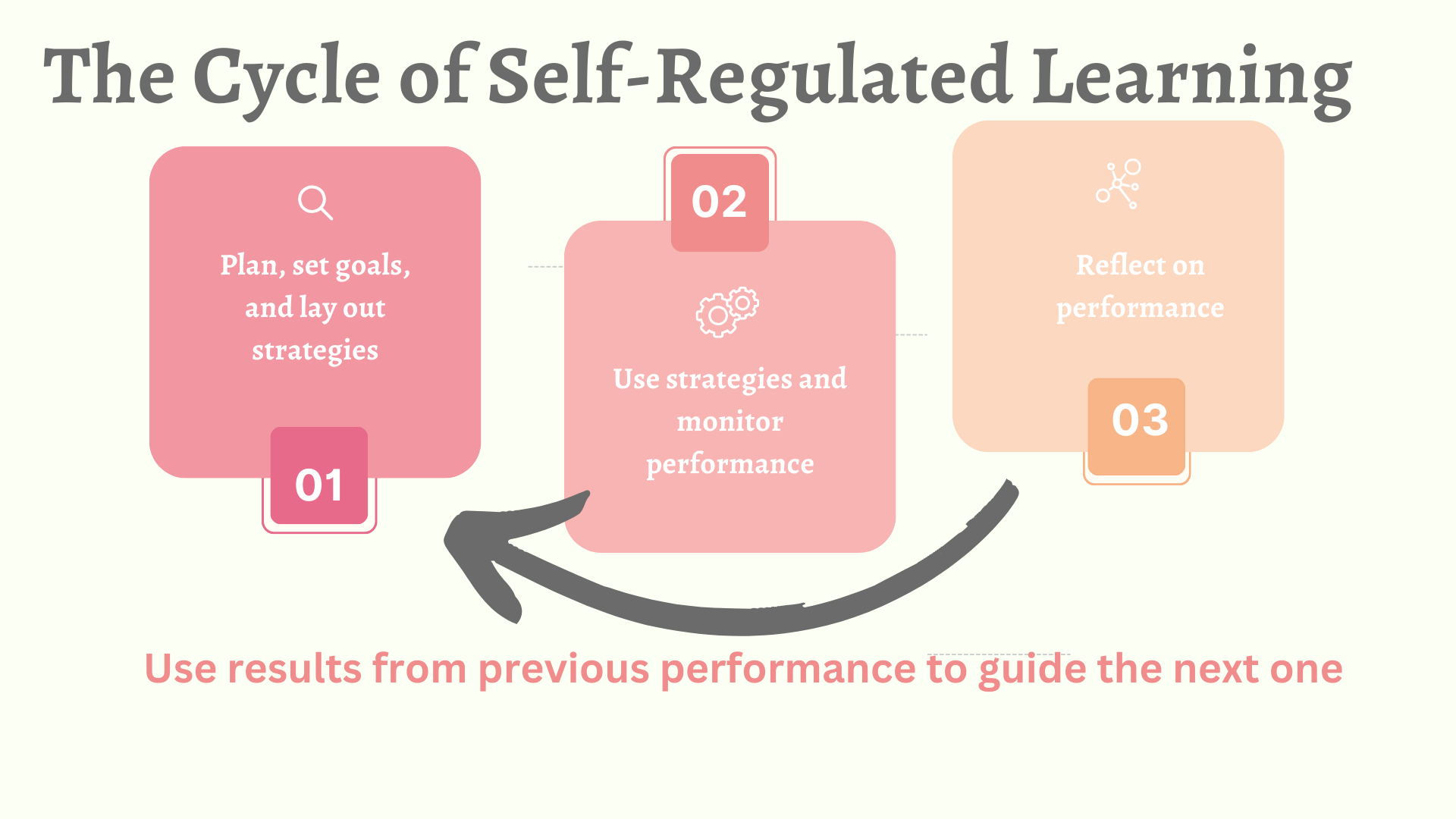
Feedback loses credibility when it disappears into a black hole with no visible impact. Adaptive systems should facilitate transparent follow-through where feedback providers see how their input influenced decisions and actions. This closed-loop approach dramatically increases future participation and reinforces that feedback genuinely matters.
Regular communication about systemic changes prompted by feedback themes demonstrates organizational responsiveness. Even when specific suggestions can’t be implemented, explaining the reasoning maintains trust and shows that input receives serious consideration.
🔍 Real-World Applications Across Different Contexts
Adaptive feedback systems deliver value across diverse organizational functions, each with unique requirements and success metrics.
Performance Management and Employee Development
Traditional annual reviews are increasingly supplemented or replaced by continuous feedback enabled by adaptive systems. Managers and employees engage in ongoing performance conversations informed by real-time data about accomplishments, challenges, and development progress.
These systems facilitate 360-degree feedback at scale, gathering perspectives from colleagues, direct reports, and cross-functional partners to create comprehensive performance pictures. The adaptive element ensures feedback requests align with recent interactions, making inputs timely and relevant.
Development plans become living documents that evolve based on continuous assessment rather than static annual goals. Employees receive targeted learning recommendations based on skill gaps identified through performance patterns, creating personalized development pathways.
Customer Experience Optimization
Customer feedback loops benefit enormously from adaptive systems that capture sentiment at critical journey touchpoints. Rather than relying solely on post-transaction surveys, these systems monitor ongoing interactions, social media mentions, support conversations, and usage patterns to build dynamic customer health scores.
Predictive analytics identify at-risk customers before they churn, enabling proactive retention interventions. Pattern recognition reveals which service elements most strongly correlate with satisfaction, informing strategic improvements with maximum impact potential.
Team Dynamics and Collaboration Health
Adaptive systems provide unprecedented visibility into team functioning, measuring collaboration quality, psychological safety, and collective efficacy. Pulse surveys adapted to team context gather regular input on what’s working and where friction exists.
Communication analysis tools integrated with adaptive platforms examine meeting patterns, response times, and interaction networks to identify collaboration bottlenecks or individuals becoming isolated. These insights enable targeted interventions that strengthen team cohesion before minor issues escalate.
⚡ Overcoming Common Implementation Challenges
Despite their benefits, adaptive feedback systems face predictable obstacles during implementation. Anticipating these challenges enables proactive mitigation strategies.
Addressing Privacy Concerns and Building Trust
Sophisticated monitoring capabilities inherent in adaptive systems understandably raise privacy questions. Organizations must establish and communicate clear data governance policies that specify what information is collected, who can access it, how long it’s retained, and how it may be used.
Transparency builds trust more effectively than secrecy. Rather than downplaying system capabilities, acknowledge them while explaining the safeguards protecting individual privacy. Anonymous feedback options for sensitive topics demonstrate respect for psychological safety.
Preventing Data Overload and Analysis Paralysis
Adaptive systems generate substantial data volumes that can overwhelm decision-makers unaccustomed to continuous information flows. Effective dashboard design prioritizes actionable insights over comprehensive data dumps, using visualization and filtering to surface what matters most.
Establishing clear escalation protocols helps teams determine what requires immediate attention versus what can be addressed through routine processes. Not every insight demands instant action; distinguishing signal from noise is a critical skill organizations must develop.
Maintaining System Engagement Over Time
Initial enthusiasm for new systems often wanes as novelty fades. Sustaining engagement requires ongoing attention to user experience, visible impact demonstration, and periodic refreshment of feedback approaches to prevent routine from becoming rote.
Gamification elements, recognition for thoughtful feedback contribution, and showcasing success stories maintain interest. Regular system updates that respond to user suggestions demonstrate that the feedback about feedback itself drives continuous improvement.
🌟 The Future of Adaptive Feedback: Emerging Trends and Innovations
The adaptive feedback landscape continues evolving rapidly as new technologies and methodologies emerge. Organizations building long-term strategies should monitor several developing trends.
Artificial intelligence capabilities are advancing beyond pattern recognition toward genuine prescriptive recommendations. Future systems won’t just identify that team morale is declining—they’ll suggest specific interventions with predicted effectiveness based on similar historical situations.
Integration across organizational boundaries is expanding, with systems connecting customer feedback, employee input, and operational metrics into unified intelligence platforms. This holistic view reveals connections between internal dynamics and external outcomes that siloed systems miss.
Emotional intelligence is being embedded into feedback systems through sentiment analysis and tone detection. Understanding not just what feedback says but the emotional context behind it adds crucial interpretive depth.
Biometric and behavioral data from wearables and workspace sensors may eventually complement self-reported feedback, though this frontier raises significant ethical considerations requiring careful navigation.
🎓 Building a Feedback-Positive Culture: The Human Element
Technology enables transformation, but culture determines whether it takes root. The most sophisticated adaptive feedback system delivers minimal value in environments where feedback is feared, ignored, or weaponized.
Leadership modeling sets the tone. When executives actively seek feedback, respond constructively to criticism, and visibly adjust based on input, permission cascades throughout the organization. Conversely, leaders who demand feedback transparency while remaining defensive about their own performance create cynicism that no technology overcomes.
Psychological safety—the belief that interpersonal risks won’t result in punishment—is fundamental to honest feedback. Organizations must explicitly address retaliation concerns and demonstrate through consistent action that candid input, even when critical, is valued rather than penalized.
Feedback literacy deserves investment equivalent to technical system training. Many individuals lack experience giving constructive feedback effectively or receiving criticism without defensiveness. Skill-building programs in these areas dramatically improve feedback quality and reception.
🚀 Taking Action: Your Roadmap to Adaptive Feedback Implementation
Transformation begins with commitment followed by systematic action. Organizations ready to revolutionize their feedback processes should follow a structured approach that balances ambition with realism.
Start by securing executive sponsorship and building a cross-functional implementation team representing IT, HR, operations, and end-user perspectives. This diverse group ensures technical feasibility aligns with practical usability and organizational needs.
Conduct thorough needs assessment and market research to identify platforms matching your specific requirements. Request demonstrations, speak with current users at similar organizations, and insist on pilot programs before enterprise-wide commitments.
Develop comprehensive change management and communication plans that address the why, what, and how of your new feedback approach. Create champions at multiple organizational levels who can answer questions, troubleshoot issues, and maintain enthusiasm during the inevitable adjustment period.
Establish clear success metrics aligned with strategic objectives. Whether you’re measuring employee engagement scores, customer satisfaction improvements, performance management cycle efficiency, or business outcomes like retention and productivity, define baseline measurements and target improvements.
Plan for continuous iteration. Your first implementation won’t be perfect, and that’s acceptable. Build feedback mechanisms about your feedback system itself, using insights to refine processes, adjust configurations, and better serve user needs over time.
Adaptive feedback systems represent more than technological upgrades—they’re strategic investments in organizational intelligence and responsiveness. In environments characterized by constant change and fierce competition, the ability to perceive, understand, and act on performance signals in real-time creates sustainable competitive advantage. Organizations that master adaptive feedback don’t just react faster to challenges; they anticipate them, turning potential obstacles into opportunities for continuous improvement and innovation. The question isn’t whether to embrace adaptive feedback systems, but how quickly you can implement them to unlock the transformative potential waiting within your organization’s collective intelligence. 🎯