In today’s competitive landscape, leveraging data-driven insights to optimize learning experiences has become essential for achieving peak performance across educational and professional environments.

The transformation from traditional, intuition-based learning approaches to sophisticated, data-informed methodologies represents one of the most significant shifts in how we understand and enhance human capability. Organizations and individuals who harness the power of analytics, personalized learning pathways, and continuous feedback mechanisms are consistently outperforming their peers. This isn’t just about collecting information—it’s about converting raw data into actionable intelligence that drives meaningful improvement.
The convergence of advanced analytics, artificial intelligence, and learning science has created unprecedented opportunities for optimization. Whether you’re an educator seeking to maximize student outcomes, a corporate trainer developing workforce capabilities, or an individual committed to personal growth, understanding how to implement data-driven learning strategies can dramatically accelerate your journey toward excellence.
🎯 Understanding the Foundation of Data-Driven Learning
Data-driven learning optimization refers to the systematic collection, analysis, and application of performance metrics to enhance educational outcomes. Unlike traditional methods that rely primarily on standardized curricula and generalized teaching approaches, this methodology recognizes that each learner has unique patterns, preferences, and potential barriers to success.
The foundation rests on three core principles: measurement, analysis, and adaptation. First, we must establish clear metrics that accurately capture learning progress and performance indicators. Second, sophisticated analytical frameworks help identify patterns, correlations, and causal relationships within the data. Finally, insights generated from analysis inform targeted interventions and personalized adjustments to the learning experience.
Modern learning management systems and educational platforms generate vast quantities of data with every interaction. Click patterns, time spent on specific content, assessment results, engagement metrics, and completion rates all provide valuable signals about what’s working and what requires adjustment. The challenge isn’t data scarcity—it’s developing the frameworks and capabilities to extract meaningful insights from the information available.
The Psychology Behind Optimized Learning Experiences
Peak performance doesn’t occur by accident—it emerges from the careful alignment of cognitive science principles with personalized learning pathways. Research in educational psychology has consistently demonstrated that learners achieve superior results when content difficulty matches their current capability level, a concept known as the zone of proximal development.
Data-driven systems excel at identifying this optimal challenge zone for each individual learner. By continuously monitoring performance indicators and comprehension signals, adaptive platforms can adjust content difficulty, pacing, and instructional approaches in real-time. This dynamic responsiveness prevents both the frustration of overwhelming difficulty and the disengagement that accompanies material that’s too simple.
The motivational aspects of learning optimization cannot be overlooked. When learners receive timely feedback, witness tangible progress, and experience success through appropriately calibrated challenges, their intrinsic motivation increases substantially. Data analytics enable the creation of these positive feedback loops by identifying exactly when and how to provide reinforcement, recognition, and supportive interventions.
📊 Key Performance Indicators That Matter
Effective learning optimization requires tracking the right metrics. Not all data points carry equal weight, and focusing on vanity metrics can lead organizations astray. The most impactful KPIs provide actionable insights that directly correlate with learning outcomes and performance improvement.
Completion rates offer a starting point but tell an incomplete story. A learner who completes every module but retains minimal information hasn’t truly benefited from the experience. More sophisticated metrics include knowledge retention rates measured through spaced repetition assessments, application proficiency demonstrated through practical exercises, and performance improvement trajectories that show growth over time.
Engagement depth provides crucial context beyond simple participation metrics. Time-on-task measurements, interaction frequency with challenging concepts, peer collaboration patterns, and question-asking behavior all signal genuine cognitive engagement. Advanced analytics can differentiate between passive content consumption and active learning behaviors that drive skill development.
Measuring What Truly Drives Results
The relationship between learning activities and real-world performance outcomes represents the ultimate validation of any educational initiative. Forward-thinking organizations establish clear connections between training programs and business results, tracking how learning interventions influence productivity, quality metrics, innovation contributions, and leadership effectiveness.
Leading indicators help predict future performance before lagging indicators confirm results. For instance, early mastery of foundational concepts strongly predicts success in advanced applications. By identifying these predictive patterns through data analysis, educators and trainers can intervene proactively rather than reactively addressing deficiencies after they’ve already impacted outcomes.
Personalization at Scale: The Data Advantage
One of the most powerful applications of data-driven learning optimization is the ability to deliver personalized experiences to large populations simultaneously. Traditional one-on-one tutoring remains prohibitively expensive for most contexts, but intelligent systems can approximate many benefits of personalization through algorithmic adaptation.
Learner profiles built from behavioral data, preference indicators, and performance history enable systems to recommend optimal learning pathways. Someone who demonstrates strong visual processing capabilities might receive graphics-heavy content, while another learner with superior auditory retention could access podcast-style materials covering the same concepts. The curriculum destination remains consistent, but the journey adapts to individual strengths.
Adaptive testing represents another breakthrough enabled by data analytics. Rather than subjecting all learners to identical assessments, computerized adaptive tests adjust question difficulty based on previous responses. This approach generates more accurate proficiency measurements in less time while reducing test anxiety by avoiding the discouragement of excessive failure or the complacency of questions that are too easy.
🚀 Implementation Strategies for Maximum Impact
Transitioning to data-driven learning optimization requires more than simply purchasing analytics software. Successful implementation demands strategic planning, stakeholder alignment, and phased rollout that builds capability progressively while demonstrating value throughout the journey.
Begin by establishing baseline measurements across key performance dimensions. Without understanding current state performance, organizations cannot accurately measure improvement or calculate return on investment. This baseline assessment should capture both quantitative metrics and qualitative feedback about existing learning experiences and pain points.
Technology selection must align with organizational capabilities and specific use cases. Enterprise learning management systems offer comprehensive functionality but may overwhelm smaller organizations or individual practitioners. Specialized analytics platforms, mobile learning applications, and microlearning tools each serve distinct purposes within a broader learning ecosystem.
Building a Data-Literate Learning Culture
The most sophisticated analytics infrastructure delivers minimal value without human capability to interpret insights and act upon recommendations. Developing data literacy among educators, trainers, and learners themselves represents a critical success factor that organizations frequently underestimate.
Effective training programs help stakeholders understand not just how to read dashboards, but how to ask meaningful questions of data, recognize patterns and anomalies, and distinguish correlation from causation. This analytical mindset transforms data from intimidating numbers into practical tools for continuous improvement.
Transparency about data collection and usage builds trust essential for sustained engagement. When learners understand how their information improves their own experiences and contributes to collective knowledge about effective learning, they become active participants rather than passive subjects of analysis.
Overcoming Common Implementation Challenges
Organizations embarking on data-driven learning optimization frequently encounter predictable obstacles. Privacy concerns, technical integration complexity, resistance to change, and analysis paralysis can derail even well-intentioned initiatives. Anticipating these challenges and developing mitigation strategies increases success probability substantially.
Data privacy and security considerations have intensified with regulations like GDPR and increasing awareness about information protection. Implementing robust data governance frameworks, obtaining appropriate consent, and ensuring transparent communication about data practices aren’t just compliance requirements—they’re foundations for ethical practice that respects learner dignity and autonomy.
Technical integration challenges arise when connecting disparate systems that weren’t designed to communicate. Legacy learning management systems, human resources platforms, performance management tools, and content repositories often operate in silos. API development, middleware solutions, and data warehousing strategies can bridge these gaps, but require dedicated technical resources and project management discipline.
Balancing Automation and Human Judgment
While algorithms excel at pattern recognition and data processing at scale, human judgment remains irreplaceable for contextual understanding, ethical considerations, and relationship-building that drives motivation. The optimal approach combines algorithmic efficiency with human wisdom rather than positioning them as competing alternatives.
Educators and trainers should view data analytics as augmentation rather than replacement of their professional expertise. Analytics identify which learners need support, but caring professionals determine how best to provide that support based on individual circumstances, emotional state, and contextual factors that data cannot fully capture.
💡 Advanced Techniques for Learning Optimization
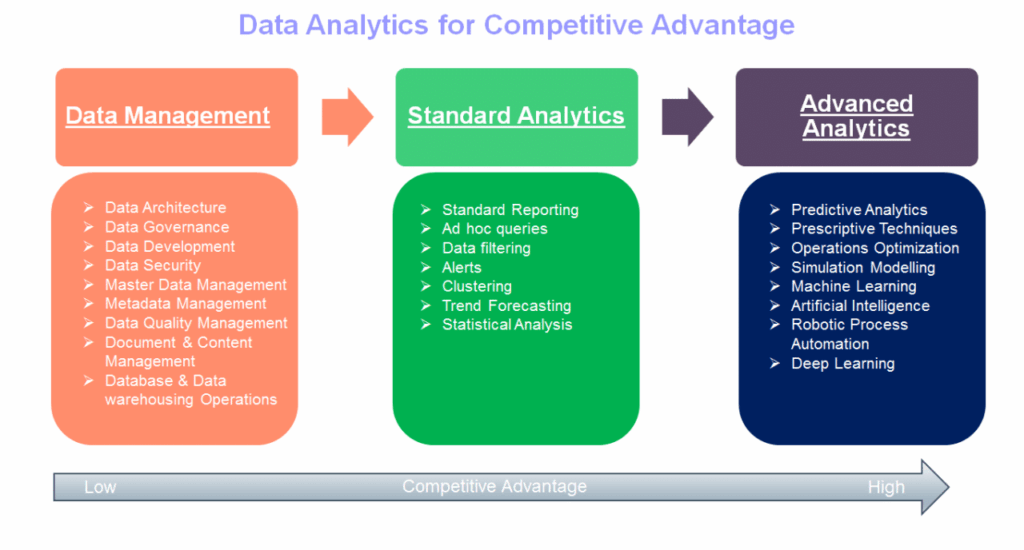
As organizations mature in their data-driven learning journey, advanced techniques unlock progressively sophisticated optimization opportunities. Predictive analytics, machine learning algorithms, and artificial intelligence applications represent the frontier of educational technology innovation.
Predictive modeling identifies at-risk learners before they disengage or fail, enabling early intervention when support can be most effective. By analyzing patterns from thousands of previous learners, algorithms recognize warning signs—declining engagement, struggling with specific concept types, or irregular participation patterns—that predict future difficulties.
Natural language processing analyzes open-ended responses, discussion forum contributions, and feedback comments to extract sentiment, comprehension levels, and conceptual misunderstandings at scale. This capability transforms qualitative feedback from anecdotal impressions into structured data that informs systematic improvements.
The Role of Continuous Feedback Loops
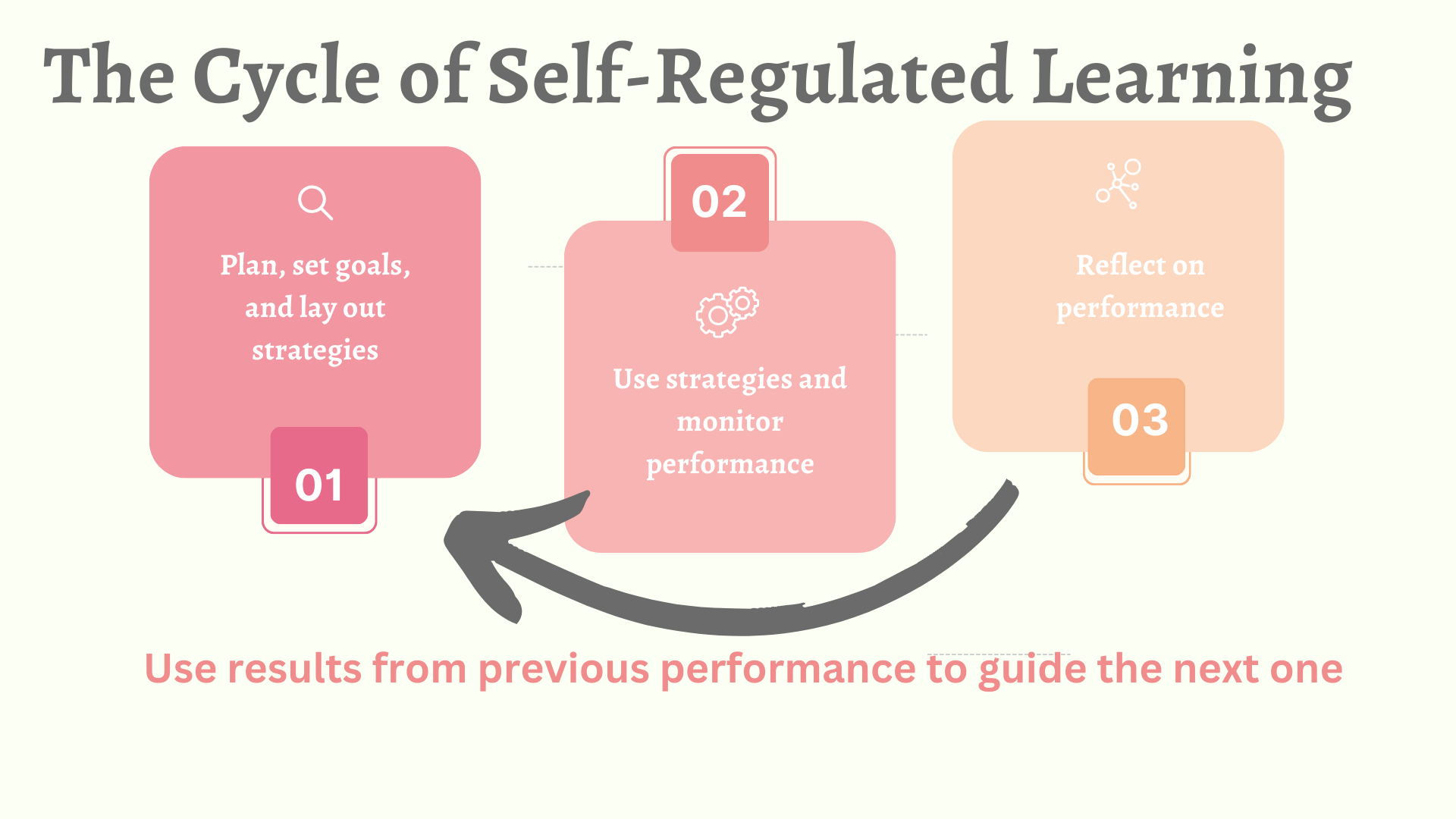
Peak performance emerges from rapid iteration cycles that test hypotheses, measure results, and refine approaches based on evidence. Traditional educational models with semester-long courses and annual curriculum reviews cannot match the optimization velocity possible with continuous feedback mechanisms.
Real-time dashboards provide immediate visibility into learning effectiveness, enabling rapid course corrections. If a particular module shows unusually high drop-off rates or low comprehension scores, content creators can investigate and revise within days rather than waiting for end-of-term evaluations. This agility dramatically accelerates improvement trajectories.
A/B testing methodologies borrowed from software development and digital marketing optimize specific learning design elements. By randomly assigning learners to different content versions, instructional approaches, or assessment formats, organizations can empirically determine which variations produce superior outcomes rather than relying on assumptions or preferences.
Measuring Long-Term Success and ROI
Demonstrating return on investment for learning initiatives has historically challenged organizations because benefits often manifest over extended timeframes and through indirect pathways. Data-driven approaches strengthen the connection between learning activities and business outcomes through more rigorous measurement frameworks.
Longitudinal tracking follows learners beyond immediate course completion to assess knowledge retention, skill application, and performance improvement in authentic contexts. This extended measurement horizon reveals whether learning translates into sustained capability enhancement or represents merely temporary knowledge acquisition that quickly fades.
Cost-effectiveness analysis compares investment in learning optimization against performance gains, productivity improvements, quality enhancements, and innovation contributions. While perfect attribution remains elusive given the multiple variables influencing organizational performance, sophisticated analytics can isolate learning impact with increasing precision through control groups and statistical modeling techniques.
🌟 Creating Your Data-Driven Learning Roadmap
Transforming aspirations for data-driven learning optimization into operational reality requires structured planning that sequences initiatives logically while maintaining flexibility for adaptation as insights emerge. A phased roadmap balances quick wins that demonstrate value with foundational investments that enable long-term sophistication.
Phase one typically focuses on instrumentation—implementing tracking mechanisms, establishing data collection protocols, and creating baseline measurements. This groundwork may feel administratively tedious but provides the foundation without which subsequent analytics cannot function. Starting with pilot programs in specific departments or for particular learner populations allows organizations to refine approaches before enterprise-wide deployment.
Phase two emphasizes analysis and insight generation. Once data flows reliably, attention shifts to developing analytical capabilities, creating visualization dashboards, and training stakeholders to interpret findings. Initial analyses often reveal low-hanging fruit—obvious inefficiencies or quick improvements that deliver immediate impact while building credibility for continued investment.
Phase three introduces sophisticated optimization including personalization at scale, predictive analytics, and continuous experimentation. Organizations operating at this maturity level treat learning as a dynamic system requiring ongoing refinement rather than a static program that remains unchanged once launched. This continuous improvement mindset separates leaders from followers in learning effectiveness.
The Future Landscape of Learning Optimization
Emerging technologies promise to further revolutionize how we optimize learning experiences and unlock human potential. Artificial intelligence, virtual reality, neuroscience applications, and adaptive systems that learn from learners even as learners acquire knowledge will reshape educational possibilities in coming years.
Brain-computer interfaces and neuroimaging technologies may eventually provide direct insight into cognitive processes, attention patterns, and comprehension formation. While these capabilities remain largely experimental today, they suggest a future where learning optimization operates at neurological rather than merely behavioral levels.
The democratization of advanced analytics through user-friendly interfaces and automated insight generation will extend data-driven learning optimization beyond large organizations with dedicated analytics teams. Individual educators, small training providers, and self-directed learners will access capabilities currently available only to well-resourced institutions, accelerating improvement across the entire learning ecosystem.
Transforming Potential Into Performance
The journey from data collection to peak performance optimization represents more than technological implementation—it requires cultural transformation that values evidence over intuition, embraces experimentation over rigid adherence to tradition, and prioritizes learner outcomes above institutional convenience. Organizations and individuals who commit to this transformation position themselves for sustained competitive advantage in increasingly knowledge-intensive economies.
Data-driven learning optimization doesn’t diminish the importance of passionate educators, inspirational mentors, or the human connections that make learning meaningful. Rather, it amplifies their impact by ensuring their expertise reaches learners in the most effective formats, at optimal moments, and through pathways aligned with individual needs and preferences.
The power of this approach lies not in replacing human judgment with algorithms, but in freeing talented professionals from administrative burdens and guesswork so they can focus energy where it matters most—providing the encouragement, context, and wisdom that transforms information into understanding and understanding into capability. When data handles what data does best and humans contribute what only humans can offer, learning transcends previous limitations and peak performance becomes not an exceptional achievement but an expected outcome. 🎓