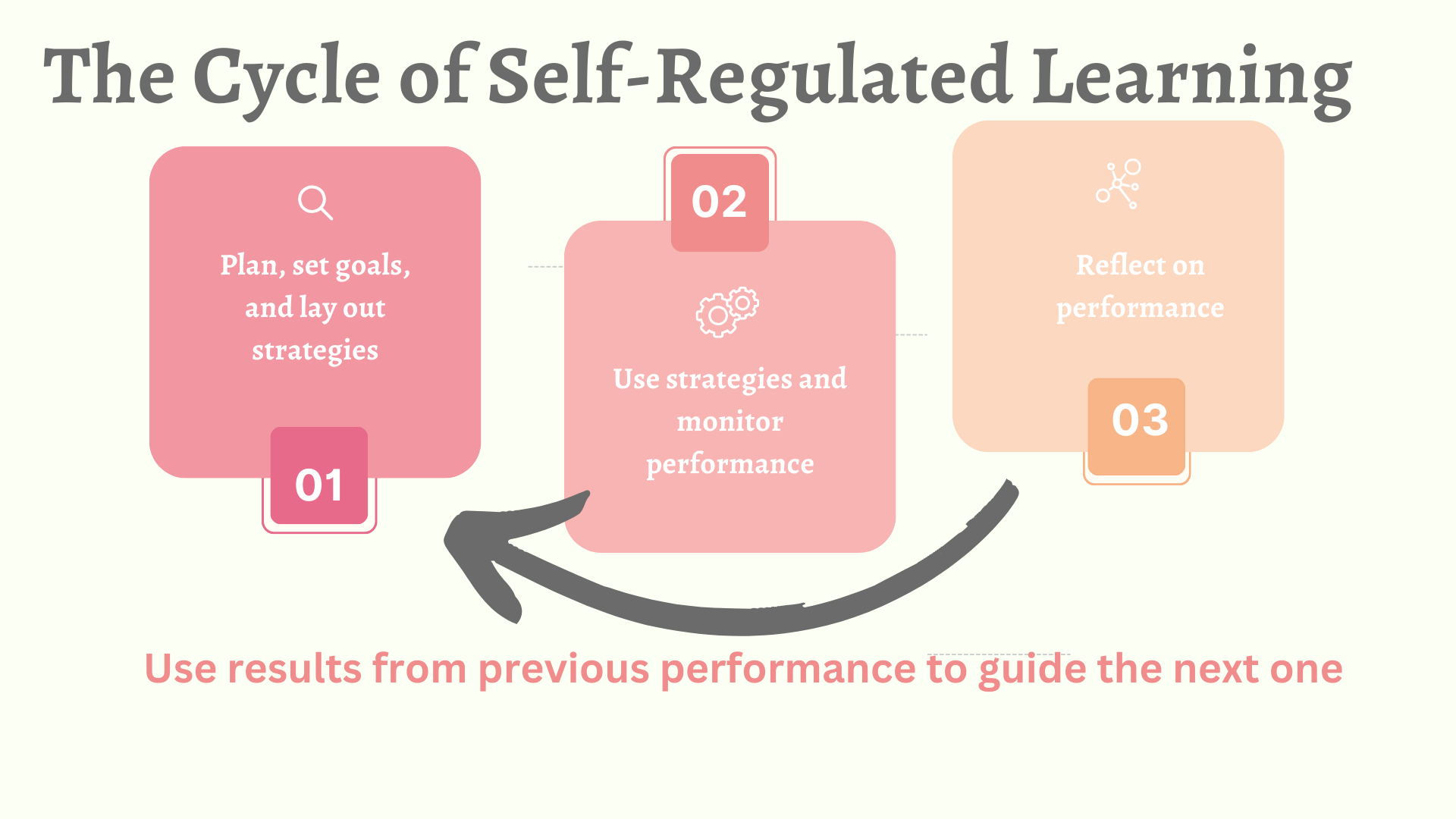
The modern career landscape demands continuous learning and rapid skill acquisition. Skill bootcamps and accelerators have emerged as powerful catalysts for professional transformation and growth.

🚀 The Revolution in Professional Development
Traditional education pathways are no longer the only route to career success. The professional world has witnessed a seismic shift in how individuals acquire skills and advance their careers. Skill bootcamps and accelerators have disrupted the conventional learning model by offering intensive, focused training programs that deliver practical expertise in condensed timeframes.
These immersive learning experiences have gained tremendous popularity across industries, from technology and digital marketing to data science and creative design. Unlike traditional academic programs that span years, bootcamps compress essential knowledge into weeks or months, enabling professionals to pivot careers, upgrade skills, or launch entirely new ventures with unprecedented speed.
The appeal is clear: bootcamps provide hands-on experience, industry-relevant curricula, and direct connections to employment opportunities. For ambitious professionals seeking to supercharge their careers, these programs represent a strategic investment that can yield substantial returns in both earning potential and career satisfaction.
Understanding the Bootcamp Ecosystem 💡
Skill bootcamps come in various formats and specializations, each designed to address specific industry demands and learning preferences. Coding bootcamps remain among the most popular, teaching programming languages like Python, JavaScript, and Ruby in intensive 12-16 week programs. Graduates often transition into software development roles with competitive salaries, sometimes within months of completion.
Beyond technology, bootcamps have expanded into diverse fields including data analytics, cybersecurity, UX/UI design, digital marketing, and product management. Each specialization offers targeted training that aligns with current market needs, ensuring participants develop skills that employers actively seek.
The learning format varies significantly across programs. Some bootcamps operate entirely online, offering flexibility for working professionals or those with geographical constraints. Others provide in-person immersive experiences that foster collaboration and networking. Hybrid models combine both approaches, maximizing flexibility while maintaining personal interaction and mentorship opportunities.
Full-Time vs. Part-Time Programs
Full-time bootcamps demand complete commitment, typically running 40-60 hours weekly for 8-16 weeks. This intensive format suits career changers ready to fully invest in their transformation. The immersive nature accelerates learning and creates a dedicated focus that produces rapid skill development.
Part-time programs accommodate working professionals who cannot leave their current positions. These programs extend over 6-9 months, with evening and weekend classes that allow participants to maintain employment while upgrading their skillset. This approach reduces financial risk while building new competencies progressively.
Accelerators: Fast-Tracking Entrepreneurial Success 🎯
While bootcamps focus primarily on individual skill development, accelerators target early-stage startups and entrepreneurs. These programs provide intensive mentorship, resources, and often seed funding to help ventures achieve rapid growth and market validation. Accelerators typically run for 3-6 months and culminate in a demo day where startups pitch to potential investors.
Prestigious accelerators like Y Combinator, Techstars, and 500 Startups have launched thousands of successful companies. Participants gain access to experienced mentors, structured curriculum, co-working spaces, and invaluable networking opportunities within the startup ecosystem. The acceptance rates are highly competitive, often below 3%, making admission itself a meaningful validation of business potential.
The accelerator model has expanded beyond traditional tech startups to include social enterprises, healthcare innovations, fintech solutions, and sustainable businesses. Industry-specific accelerators provide tailored guidance and connections within niche markets, increasing the likelihood of finding product-market fit and securing subsequent funding rounds.
Measuring Return on Investment 📊
The financial commitment required for bootcamps and accelerators varies significantly. Coding bootcamps typically cost between $10,000 and $20,000, while specialized programs may range higher. However, when compared to traditional four-year degrees costing $100,000 or more, bootcamps present an economically attractive alternative.
Career outcomes demonstrate the value proposition. Many coding bootcamp graduates report salary increases of $20,000-$40,000 within their first year post-graduation. The condensed timeline means participants enter the workforce years earlier than traditional students, accumulating both income and experience while others remain in academic settings.
For accelerator participants, the ROI calculation includes equity considerations, funding opportunities, and accelerated business growth. Companies graduating from top-tier accelerators raise subsequent funding at significantly higher rates than non-accelerated peers. The mentorship, network access, and credibility boost create compounding advantages that extend far beyond the program duration.
Hidden Value Beyond Salary Numbers
The benefits of bootcamps and accelerators extend beyond immediate financial gains. Participants develop professional networks that prove invaluable throughout their careers. The connections formed with instructors, mentors, fellow participants, and hiring partners create lasting relationships that open doors to opportunities, collaborations, and career advancement.
Confidence building represents another crucial outcome. Successfully completing an intensive program demonstrates commitment, learning capacity, and resilience—qualities employers highly value. This psychological transformation often proves as important as the technical skills acquired, empowering graduates to pursue ambitious roles they might have previously considered beyond their reach.
Choosing the Right Program for Your Goals 🎓
Selecting the appropriate bootcamp or accelerator requires careful evaluation of multiple factors. Career objectives should drive decision-making: individuals seeking employment in specific roles should prioritize programs with strong hiring partnerships and relevant curricula. Entrepreneurs should evaluate accelerators based on industry focus, mentor quality, and funding track records.
Reputation matters significantly in this space. Researching graduate outcomes, employer reviews, and industry recognition helps distinguish high-quality programs from subpar alternatives. Many reputable bootcamps publish employment statistics, including placement rates, average starting salaries, and time to employment. Transparency around these metrics indicates program confidence and accountability.
Teaching methodology deserves careful consideration. Project-based learning approaches that simulate real workplace challenges typically produce better outcomes than purely theoretical instruction. Programs emphasizing collaboration, code reviews, and portfolio development prepare participants more effectively for actual job requirements.
Questions to Ask Before Enrolling
- What is the job placement rate within six months of graduation?
- What companies hire graduates from this program regularly?
- What is the instructor-to-student ratio and what are instructor qualifications?
- What career support services are provided during and after the program?
- Are there income share agreements or deferred tuition options available?
- What prerequisites exist and how are applicants evaluated?
- What does a typical day or week look like during the program?
- What ongoing alumni support and resources are available?
Financing Your Professional Transformation 💰
The cost of bootcamps and accelerators can present a barrier, but innovative financing models have emerged to increase accessibility. Income Share Agreements (ISAs) allow students to pay nothing upfront, instead committing a percentage of their future salary for a defined period after securing employment above a minimum threshold. This model aligns program success with student outcomes.
Traditional loans, scholarships, and employer sponsorship represent additional funding pathways. Many companies recognize the value of upskilling their workforce and will cover program costs for employees committed to applying new skills within the organization. Scholarships targeting underrepresented groups in technology and entrepreneurship help diversify these fields while reducing financial barriers.
Some programs offer payment plans that distribute costs over the program duration or extended periods afterward. Veterans can access GI Bill benefits for certain approved bootcamps, making career transition more feasible for those who have served. Thoroughly exploring all available financing options ensures that cost alone doesn’t prevent participation in programs that could transform career trajectories.
Maximizing Your Bootcamp Experience 🔥
Success in intensive learning environments requires strategic preparation and sustained commitment. Before program start, participants should establish clear personal goals, arrange supportive living situations, and minimize competing obligations. The condensed timeline leaves little room for distraction, making preparation crucial for optimal outcomes.
During the program, active engagement accelerates learning. Asking questions, collaborating with peers, seeking additional practice opportunities, and applying feedback immediately all compound skill development. The most successful bootcamp graduates embrace discomfort and maintain growth mindsets even when challenged by difficult concepts or rapid pacing.
Networking should begin on day one. Building relationships with instructors, mentors, and fellow participants creates a support system that extends beyond graduation. These connections often lead directly to job opportunities, collaborations, and ongoing learning resources. Treating every interaction as a potential long-term professional relationship maximizes program value.
Building Your Portfolio and Personal Brand
Throughout the bootcamp experience, continuously documenting progress and creating portfolio pieces demonstrates capability to potential employers. Projects that solve real problems or showcase creativity stand out in competitive hiring processes. Maintaining an active presence on professional platforms like LinkedIn and GitHub (for technical roles) increases visibility and demonstrates ongoing commitment to the field.
Personal branding shouldn’t be overlooked. Articulating your career transition story, highlighting transferable skills from previous experiences, and communicating passion for your new field helps differentiate you from other candidates. Bootcamp graduates who effectively market themselves secure opportunities more quickly and at higher compensation levels.
Life After Graduation: Sustaining Momentum 🌟
Completing a bootcamp or accelerator marks a beginning rather than an endpoint. The technology landscape evolves constantly, requiring ongoing learning to maintain relevance. Successful graduates establish habits of continuous skill development, dedicating time regularly to learning new frameworks, languages, or methodologies emerging in their fields.
The job search process itself requires strategy and persistence. Leveraging bootcamp career services, attending industry events, contributing to open-source projects, and maintaining an active professional network all increase employment prospects. Understanding that job searching is itself a skill that improves with practice helps maintain motivation through inevitable rejections.
Once employed, the learning curve continues. Entry-level positions in new fields challenge even well-prepared bootcamp graduates. Approaching these early career experiences with humility, curiosity, and work ethic establishes strong professional reputations. Many graduates find that their bootcamp network remains their most valuable resource during this transition period, providing guidance, encouragement, and practical advice.
The Future of Career Development 🔮
Skill bootcamps and accelerators represent broader shifts in how society approaches education and career development. The traditional model of front-loading education in early life followed by decades of static career work no longer matches economic realities. Lifelong learning has transitioned from aspirational concept to practical necessity.
Technology continues democratizing access to high-quality education. Online platforms enable global participation in programs previously limited by geography. Artificial intelligence and adaptive learning systems personalize instruction to individual needs and learning speeds. These innovations promise to make career transformation increasingly accessible regardless of background or location.
Employers increasingly value demonstrated skills over traditional credentials. The hiring landscape shifts toward competency-based evaluation, where portfolios, projects, and practical assessments matter more than degree pedigrees. This evolution rewards motivated individuals willing to prove capability through bootcamp completion and portfolio development rather than years spent in traditional academic settings.
Taking Action on Your Career Ambitions ⚡
Understanding the potential of bootcamps and accelerators means little without decisive action. Career transformation requires courage to leave comfortable situations, commit financial and time resources, and embrace uncertainty during learning processes. Those who successfully navigate these challenges emerge with expanded capabilities, enhanced confidence, and access to opportunities previously beyond reach.
Begin by honestly assessing current skills, desired outcomes, and realistic timelines. Research programs thoroughly, connect with alumni, and evaluate financing options. Most importantly, recognize that the perfect moment rarely arrives—successful career changers create momentum through imperfect action rather than waiting for ideal circumstances.
The investment in intensive skill development pays dividends throughout entire careers. Beyond immediate employment outcomes, bootcamp and accelerator experiences instill learning methodologies, professional networks, and self-confidence that compound over decades. Whether seeking to break into technology, launch an entrepreneurial venture, or pivot to an entirely new field, these programs offer structured pathways to transformation that self-directed learning rarely matches.
Your career potential remains largely untapped until you commit to deliberate development. Skill bootcamps and accelerators exist precisely to unlock that potential, providing the structure, expertise, and community necessary for rapid growth. The question isn’t whether these programs can accelerate your career—the evidence overwhelmingly confirms they can. The only remaining question is whether you’re ready to take that step and commit to your professional transformation.