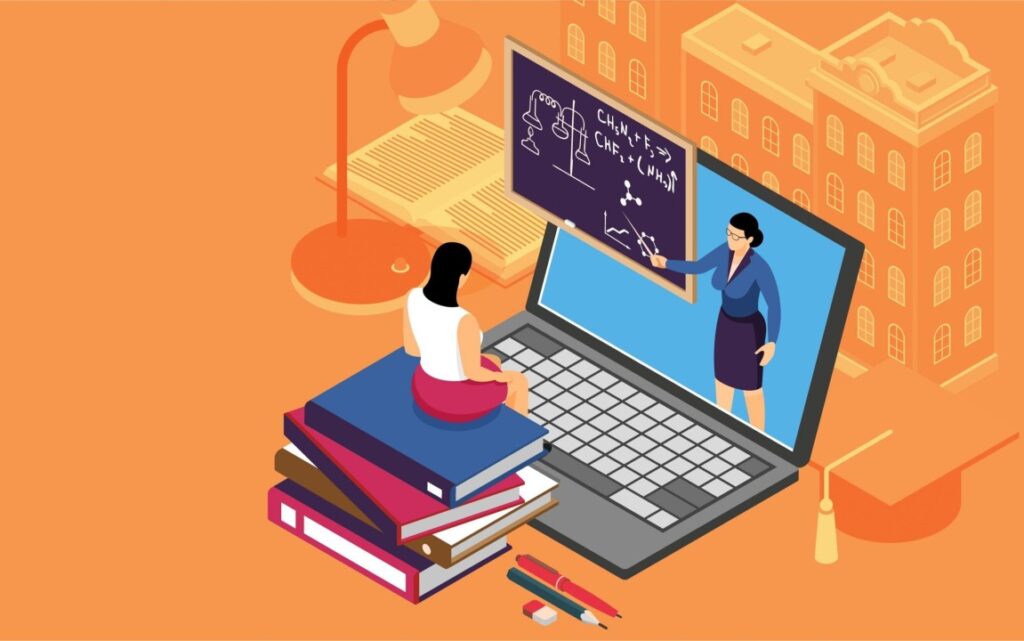
Remote learning is transforming education in developing regions, offering unprecedented access to knowledge, skills, and opportunities that were previously unimaginable for millions of students.

🌍 The Educational Divide: A Global Challenge
Education remains one of the most critical factors in breaking the cycle of poverty and fostering economic development. Yet, in developing regions across Africa, Asia, Latin America, and parts of Eastern Europe, millions of children and adults lack access to quality education. Geographic isolation, insufficient infrastructure, shortage of qualified teachers, and economic barriers create formidable obstacles that traditional educational systems struggle to overcome.
The World Bank estimates that over 260 million children worldwide are out of school, with the majority residing in developing countries. Even among those enrolled, learning outcomes often fall dramatically short due to overcrowded classrooms, outdated curricula, and limited resources. This educational deficit doesn’t just affect individuals—it hampers entire economies, perpetuates inequality, and limits social mobility for generations.
Remote learning emerges as a powerful solution to bridge this gap. By leveraging technology, internet connectivity, and innovative pedagogical approaches, distance education can reach learners in the most remote villages, conflict zones, and underserved urban areas. This democratization of knowledge represents nothing short of an educational revolution.
📱 Technology as the Great Equalizer
The proliferation of mobile technology has been transformative for developing regions. While desktop computers and reliable broadband remain luxuries in many areas, mobile phone penetration has skyrocketed. According to GSMA Intelligence, mobile internet users in low and middle-income countries surpassed 2 billion in recent years, creating an unprecedented platform for educational delivery.
Smartphones, even basic models, can access educational content through apps, mobile-optimized websites, and downloadable materials. This accessibility means that a student in rural Kenya can access the same MIT OpenCourseWare lectures as a student in Boston. A farmer in India can learn sustainable agricultural techniques through video tutorials. A young woman in Bangladesh can develop coding skills that open doors to remote employment opportunities.
Beyond mobile phones, the cost of tablets and laptops continues to decrease, making these devices increasingly accessible. Initiatives like One Laptop per Child and various government programs have distributed millions of devices to students in developing countries, each one serving as a gateway to unlimited learning resources.
Connectivity Challenges and Creative Solutions
Internet connectivity remains inconsistent in many developing regions, but creative solutions are emerging. Offline-first applications allow students to download content when connectivity is available, then study without an active internet connection. Community learning centers with shared internet access provide gathering points where learners can download materials, participate in live sessions, and engage with peers.
Innovative connectivity projects are also expanding reach. Google’s Project Loon experimented with balloon-powered internet, while companies like SpaceX are deploying satellite internet networks designed to reach even the most remote locations. Local mesh networks and community wifi initiatives are creating micro-solutions tailored to specific geographic challenges.
🎓 Diverse Models of Remote Learning Success
Remote learning in developing regions isn’t monolithic—it encompasses various models, each adapted to local contexts, resources, and needs. Understanding these different approaches reveals the versatility and adaptability of distance education.
Mobile Learning Platforms
Mobile-first educational platforms have proven remarkably effective. Applications like Eneza Education in Kenya deliver curriculum-aligned content via SMS and basic mobile apps, reaching students without smartphones or reliable internet. M-Shule uses AI-powered SMS lessons to provide personalized learning experiences on the most basic mobile phones.
Khan Academy has adapted its platform for low-bandwidth environments, offering downloadable videos and interactive exercises that work offline. The platform has been translated into dozens of languages, making quality instruction accessible to non-English speakers worldwide.
Radio and Television Education
While digital platforms capture attention, traditional broadcast media remains relevant in many developing regions. Radio education programs reach listeners in areas without internet access, broadcasting lessons in local languages during COVID-19 school closures and beyond. Countries like Ghana, Rwanda, and Peru have successfully implemented national educational radio programming.
Television-based education similarly extends reach. When schools closed during the pandemic, many developing nations launched educational TV channels broadcasting lessons aligned with national curricula. These programs often include printed materials distributed through community networks, creating multimodal learning experiences.
Hybrid Community Learning Centers
Community learning centers blend remote content with local facilitation. These centers, often established in libraries, community halls, or religious buildings, provide shared devices, internet access, and local mentors who guide learners through online courses. This model combines the scalability of digital content with the personal support that enhances learning outcomes.
💪 Empowering Teachers Through Technology
Remote learning isn’t about replacing teachers—it’s about empowering them. In developing regions facing acute teacher shortages and undertrained educators, technology offers powerful professional development opportunities. Online teacher training programs allow educators to upgrade their skills without leaving their communities or interrupting their work.
Platforms like Teacher Training Videos (TTV) and UNESCO’s Teacher Task Force provide accessible professional development resources. Teachers can learn new pedagogical methods, subject-specific content, and classroom management techniques through video modules, interactive courses, and virtual mentorship programs.
Additionally, technology enables teachers to access ready-made lesson plans, teaching resources, and educational content that enhance their instruction. A teacher in a rural school can supplement limited textbooks with videos, simulations, and interactive activities that make learning more engaging and effective.
📊 Measuring Impact: Success Stories and Data
The impact of remote learning in developing regions is increasingly documented through both quantitative data and compelling human stories. Research demonstrates significant improvements in learning outcomes when technology is thoughtfully implemented.
A study by the Brookings Institution found that technology-assisted learning in India improved math scores by 0.37 standard deviations, equivalent to nearly an additional year of learning. In Rwanda, the government’s One Laptop per Child program correlated with improved reading and writing skills, particularly among previously disadvantaged students.
Bridge International Academies, operating across Kenya, Uganda, Nigeria, and India, uses technology to standardize quality education at scale. Their data-driven approach and tablet-based teacher support systems have reached over 500,000 students, many from low-income families who previously had limited educational options.
Beyond Academic Outcomes
The benefits extend beyond test scores. Remote learning builds digital literacy—an increasingly essential skill in the global economy. Students who engage with educational technology develop competencies in navigating digital environments, evaluating online information, and communicating through digital platforms.
Distance education also expands opportunities for marginalized groups. Girls in conservative communities where leaving home for school faces cultural resistance can access education remotely. Students with disabilities can benefit from assistive technologies and flexible learning environments. Refugees and displaced populations can continue their education despite disrupted circumstances.
⚠️ Challenges That Demand Attention
Despite tremendous promise, remote learning in developing regions faces substantial challenges that require honest acknowledgment and strategic solutions.
The Digital Divide Within the Divide
Even within developing countries, significant disparities exist. Urban students typically have better access to devices, connectivity, and digital literacy than rural counterparts. Wealthier families can afford data plans and devices, while poor families cannot. This creates a risk that remote learning could actually widen educational inequality rather than narrow it.
Gender gaps persist in many contexts. Girls often have less access to family devices, less time for self-directed learning due to household responsibilities, and face cultural barriers to technology use. Addressing these disparities requires intentional policies and programs that specifically target marginalized groups.
Quality and Relevance Concerns
Not all educational content is created equal. Some remote learning programs offer high-quality, pedagogically sound instruction. Others provide little more than digitized textbooks or lecture videos that fail to engage learners or promote deep understanding. Ensuring quality requires investment in instructional design, local content development, and continuous improvement based on learning data.
Content relevance is equally important. Educational materials developed in Western contexts may not reflect local languages, cultures, examples, or contexts. Effective remote learning in developing regions requires localized content that resonates with learners’ experiences and prepares them for their specific economic and social realities.
Sustainability Questions
Many remote learning initiatives in developing countries rely on donor funding or temporary government programs. When external support ends, programs often collapse. Building sustainable models requires local ownership, government integration, cost-recovery mechanisms, and long-term commitment rather than pilot projects that disappear after initial enthusiasm fades.
🚀 Innovative Approaches Pushing Boundaries
Across developing regions, innovative educators, entrepreneurs, and organizations are pioneering approaches that address challenges while maximizing remote learning’s potential.
Solar-powered learning centers are emerging in off-grid communities, combining renewable energy with educational technology. These facilities provide reliable electricity for devices and connectivity equipment, creating educational hubs in previously unreachable locations.
Peer-to-peer learning networks leverage technology to connect students across regions. A student who excels in mathematics can tutor others remotely, creating collaborative learning communities that don’t depend entirely on formal teachers. These networks build both academic skills and social capital.
Gamification strategies make learning more engaging, particularly for younger students or those who struggled in traditional systems. Educational games teach literacy, numeracy, and problem-solving through interactive challenges that motivate continued engagement.
Artificial intelligence is beginning to personalize learning at scale. Adaptive learning systems adjust difficulty and content based on individual performance, providing customized instruction that would be impossible for a single teacher managing dozens of students. While still emerging, AI-powered education holds particular promise for developing regions where teacher-student ratios are most challenging.
🌟 The Path Forward: Policy and Practice
Maximizing remote learning’s potential in developing regions requires coordinated action across multiple stakeholders—governments, NGOs, private sector, educators, and communities.
Governments must prioritize educational technology infrastructure as essential public investment, comparable to roads or electricity. This includes expanding broadband access, reducing data costs, providing devices to disadvantaged students, and integrating digital literacy into national curricula. Policy frameworks should encourage innovation while ensuring quality standards and equitable access.
Teacher training must evolve to prepare educators for technology-enhanced instruction. Pre-service and in-service programs should develop teachers’ digital competencies, pedagogical strategies for blended learning, and comfort with facilitating rather than just delivering instruction.
Content development should involve local educators, cultural experts, and communities to ensure relevance and appropriateness. Open educational resources can be adapted and translated, while also supporting creation of new locally-developed materials.
Public-private partnerships can leverage private sector innovation and resources while maintaining public sector commitment to equity and access. These collaborations work best when structured with clear goals, accountability mechanisms, and genuine commitment to reaching underserved populations rather than just profitable markets.
🎯 Beyond Crisis Response: A Permanent Transformation
The COVID-19 pandemic dramatically accelerated remote learning adoption globally, including in developing regions. Schools that had never considered distance education suddenly implemented emergency remote teaching. While these crisis responses were often imperfect, they demonstrated both the possibilities and challenges of technology-enabled education.
As schools reopen, the question isn’t whether to return entirely to traditional models, but how to integrate the lessons learned into improved educational systems. Hybrid approaches that combine face-to-face instruction with remote learning can offer the best of both worlds—personal connection and support alongside expanded access and flexibility.
This transformation represents an opportunity to fundamentally reimagine education in developing regions. Rather than simply replicating Western educational models with technology, countries can design systems that address their specific contexts, leverage their unique strengths, and prepare students for their particular futures.
🔑 Unlocking Human Potential Through Connected Learning
Education has always been the most powerful tool for individual advancement and societal progress. Remote learning doesn’t change this fundamental truth—it amplifies it. By breaking down barriers of distance, cost, and access, technology-enabled education can finally deliver on the promise of universal quality education.
A girl in rural Afghanistan who can access online courses despite local school closures. A young man in a Brazilian favela learning web development through free online bootcamps. A mother in rural India gaining agricultural knowledge through mobile learning. These aren’t hypothetical scenarios—they’re happening now, and they represent millions of similar stories across the developing world.
The power of remote learning lies not just in delivering content, but in connecting learners to opportunities, to knowledge, to each other, and ultimately to their own potential. When a student in a remote village realizes they can learn anything, from anyone, anywhere, something profound shifts in their understanding of what’s possible.
Technology alone won’t solve the complex challenges facing education in developing regions. But thoughtfully implemented, equitably distributed, and locally adapted remote learning can be transformative. It can supplement overwhelmed teachers, reach isolated communities, provide second chances to those who missed earlier opportunities, and create pathways to economic participation in an increasingly digital global economy.
The barriers to education in developing regions are real and substantial, but they are not insurmountable. Remote learning provides tools to overcome these obstacles, opening doors that were previously locked. The challenge now is ensuring these doors remain open to everyone, especially those who need them most. As connectivity expands, costs decrease, and innovations continue, the potential for remote learning to truly unlock education across developing regions has never been greater. The revolution is already underway—the question is how quickly and equitably it will reach all who need it.