Competency-based education is revolutionizing how we learn by focusing on mastering skills rather than simply completing time-based courses and standardized curricula.

🎯 Understanding the Foundation of Competency-Based Learning
Traditional education systems have long operated on a simple premise: students sit in classrooms for predetermined periods, complete assignments, take standardized tests, and move forward based on time spent rather than knowledge gained. This industrial-era model treats learning as a uniform conveyor belt, where everyone moves at the same pace regardless of individual needs, prior knowledge, or learning styles.
Competency-based education (CBE) fundamentally disrupts this paradigm. Instead of measuring success by seat time or credit hours, CBE focuses exclusively on whether students have mastered specific skills and knowledge areas. Students progress only when they can demonstrate proficiency, ensuring that no learner advances with gaps in their understanding.
This approach acknowledges a simple truth: people learn at different speeds, come from diverse backgrounds, and possess varying levels of prior knowledge. A one-size-fits-all timeline makes little sense when some students grasp concepts immediately while others need additional time and support to achieve the same level of mastery.
The Core Principles That Drive Success
Competency-based education rests on several fundamental principles that distinguish it from traditional learning models. First, learning objectives are transparent and clearly defined from the outset. Students know exactly what skills they need to demonstrate and what mastery looks like in concrete terms.
Second, assessment becomes ongoing and meaningful rather than sporadic and high-stakes. Instead of relying primarily on midterm and final exams, CBE incorporates continuous evaluation through projects, demonstrations, portfolios, and practical applications. This approach reduces test anxiety while providing more authentic measures of understanding.
Third, personalization takes center stage. Students can accelerate through material they already understand or have learned elsewhere, while taking additional time on challenging concepts without penalty. This flexibility respects individual learning journeys and validates diverse educational experiences.
📚 Why Traditional Education Falls Short for Modern Learners
The limitations of conventional educational systems become increasingly apparent in our rapidly changing world. Students graduate with diplomas and degrees yet often lack practical skills employers desperately need. The disconnect between academic credentials and actual competence creates frustration for learners, educators, and hiring managers alike.
Time-based progression creates artificial barriers. A student who masters algebra in three weeks must still wait months before moving to geometry, leading to boredom and disengagement. Conversely, a learner who needs five weeks to truly understand algebra is pushed forward prematurely, creating knowledge gaps that compound over time.
Standardized testing, while convenient for administrative purposes, often measures test-taking ability more than genuine understanding. Students learn to memorize information for exams, then quickly forget it—a phenomenon so common it has its own name: the “forgetting curve.” This approach wastes time and resources while failing to build lasting competence.
The Engagement Crisis in Modern Education
Research consistently shows declining student engagement across educational levels. When learners feel education isn’t relevant to their goals or doesn’t respect their individual needs, motivation plummets. Competency-based education addresses this crisis by making learning purposeful and personalized.
Students in CBE programs report higher satisfaction because they see clear connections between what they’re learning and real-world applications. The ability to progress at their own pace reduces frustration and increases confidence. Mastery-based advancement creates a sense of genuine accomplishment rather than simply checking boxes on a syllabus.
🚀 How Competency-Based Education Transforms Learning Experiences
The practical implementation of competency-based education creates dramatic shifts in how teaching and learning unfold. Instructors transition from being primarily information deliverers to becoming coaches and facilitators. Their role focuses on diagnosing individual needs, providing targeted support, and validating competency achievement.
Course structures become modular and flexible. Instead of semester-long classes covering broad topics superficially, CBE breaks content into discrete competencies. Students can work on multiple competencies simultaneously or focus intensively on one area before moving forward. This granular approach allows for true personalization at scale.
Assessment transforms from punishment to feedback. When students can retake assessments without penalty after additional learning, evaluation serves its intended purpose: measuring understanding and guiding improvement. This approach eliminates the fear and shame often associated with traditional grading systems.
Technology as an Enabler of Personalized Pathways
Digital platforms have made competency-based education more accessible and manageable than ever before. Learning management systems can track individual progress across dozens of competencies, provide instant feedback, and adapt content delivery based on performance data.
Artificial intelligence and machine learning algorithms now offer sophisticated personalization. These systems identify patterns in how students learn, recommend resources tailored to individual needs, and predict where learners might struggle before problems arise. Technology handles the complex logistics of personalized learning, freeing educators to focus on human connection and support.
Mobile applications extend learning beyond traditional classroom boundaries. Students can work on competencies anytime, anywhere, fitting education around work schedules, family obligations, and personal preferences. This flexibility particularly benefits adult learners and those with non-traditional educational paths.
💼 Real-World Applications Across Different Contexts
Competency-based education has proven effective across diverse educational settings. In K-12 schools, CBE helps address achievement gaps by ensuring every student truly masters foundational skills before advancing. Schools implementing competency-based models report improvements in student outcomes, particularly for historically underserved populations.
Higher education institutions increasingly adopt CBE for both traditional and non-traditional students. Universities now offer competency-based degree programs where students can earn credits by demonstrating knowledge gained through work experience, self-study, or prior coursework. This approach dramatically reduces time to degree completion and associated costs.
Corporate training has enthusiastically embraced competency-based approaches. Companies recognize that employee development must focus on actual skill acquisition rather than training completion rates. CBE allows organizations to quickly upskill workers, validate competencies objectively, and ensure workforce readiness for evolving business needs.
Healthcare and Professional Certification Leading the Way
Medical education and healthcare training pioneered many competency-based principles decades ago. The stakes in healthcare—where incompetence literally costs lives—demanded assessment methods that truly measure ability to perform critical tasks. Today, medical schools and residency programs worldwide use competency-based frameworks to ensure physicians possess required skills before treating patients independently.
Professional certification programs in fields like information technology, project management, and skilled trades have long recognized that competency matters more than coursework completion. These programs set clear standards, allow flexible learning paths, and assess practical application rather than theoretical knowledge alone.
🌟 Building Your Personalized Learning Success Strategy
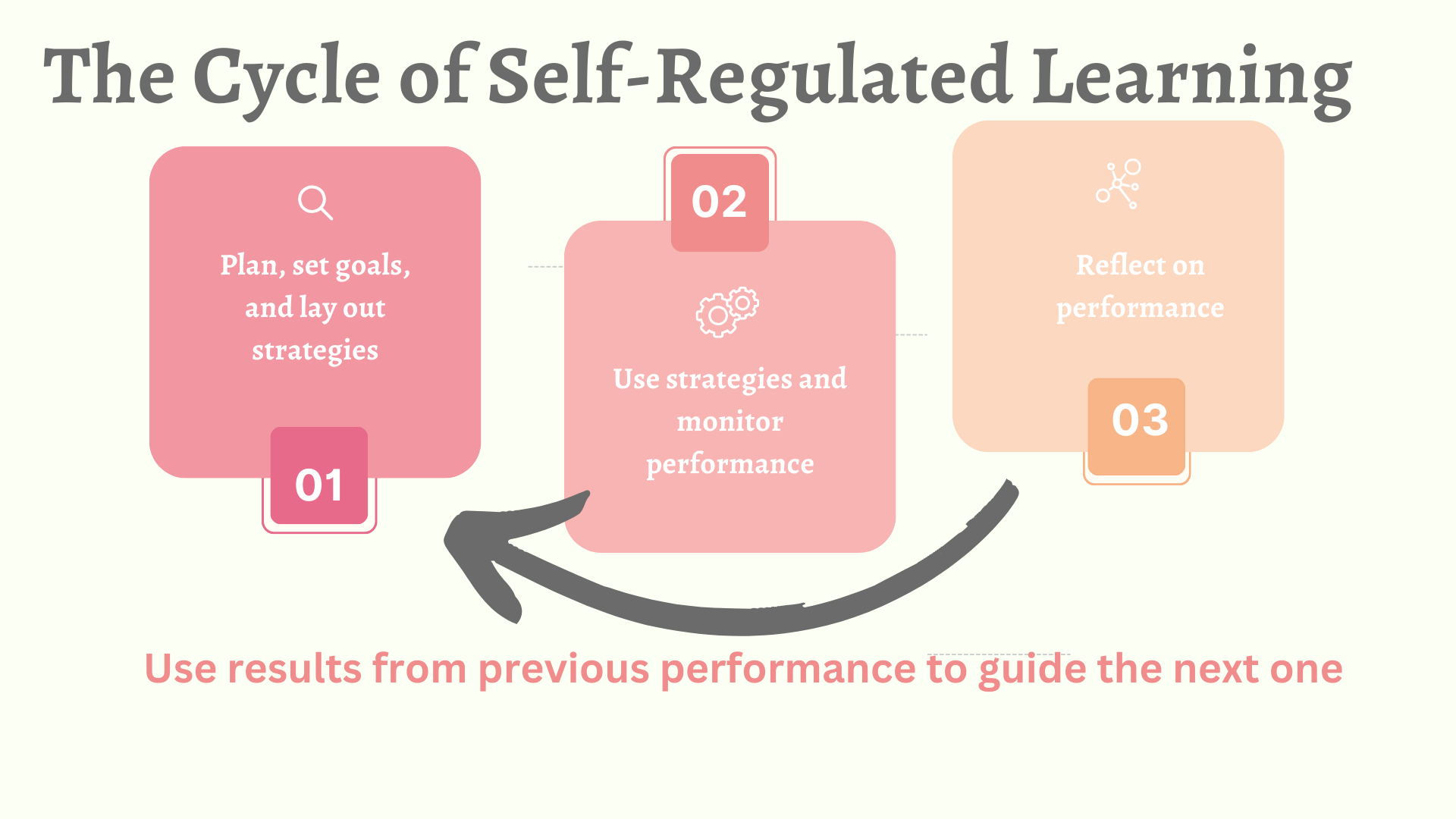
Successfully navigating competency-based education requires intentional strategy and self-awareness. Begin by honestly assessing your current competencies and identifying gaps between where you are and where you want to be. This self-evaluation provides your roadmap for learning priorities.
Set specific, measurable goals aligned with competencies you need to develop. Instead of vague objectives like “learn programming,” target concrete outcomes such as “build a functional web application using modern frameworks” or “demonstrate understanding of object-oriented programming principles through project completion.”
Create a sustainable learning schedule that respects your energy levels, competing obligations, and learning preferences. Competency-based education offers flexibility, but success still requires consistent effort. Regular, focused practice sessions typically prove more effective than sporadic marathon study sessions.
Leveraging Resources and Support Systems
Identify high-quality resources aligned with your target competencies. This might include online courses, textbooks, video tutorials, practice platforms, or mentorship relationships. Evaluate resources based on how effectively they help you demonstrate mastery rather than simply consume content.
Build accountability mechanisms into your learning plan. Share goals with peers, join study groups, or work with coaches who can provide feedback and encouragement. While CBE emphasizes individual progression, social connection and support significantly impact persistence and success.
Seek frequent feedback on your developing competencies. Don’t wait for formal assessments to discover misunderstandings or skill gaps. Regular low-stakes practice with feedback accelerates learning and builds confidence before high-stakes demonstrations of mastery.
📊 Measuring Progress Beyond Traditional Grades
Competency-based education requires rethinking how we measure and communicate learning progress. Traditional letter grades provide minimal information about what students actually know or can do. A “B” grade tells us almost nothing about specific competencies mastered or areas needing improvement.
CBE systems typically use detailed competency maps or rubrics that describe performance levels for each skill. Instead of a single grade, learners receive comprehensive feedback on multiple dimensions of competency: foundational knowledge, application ability, problem-solving skills, and quality of work products.
Many CBE programs use badge systems or digital credentials to represent competency achievement. These micro-credentials provide portable, verifiable evidence of specific skills. Employers can understand exactly what competencies a candidate possesses rather than inferring from degree titles or GPA numbers.
Portfolio Development as Competency Evidence
Portfolios serve as powerful tools for demonstrating competency mastery. Unlike exams that capture performance at a single moment, portfolios showcase development over time and provide concrete artifacts of capability. A well-curated portfolio tells the story of your learning journey while proving your abilities to skeptics.
Effective portfolios include diverse evidence types: completed projects, reflective writing about learning processes, problem solutions, creative works, and documentation of real-world applications. This multifaceted approach captures competency dimensions that traditional tests cannot assess.
🔄 Overcoming Common Challenges and Obstacles
Transitioning to competency-based education presents challenges for learners accustomed to traditional systems. The increased autonomy can feel overwhelming initially. Without external deadlines and structured schedules, some students struggle with procrastination and time management. Developing self-regulation skills becomes essential for CBE success.
The mindset shift from grade-focused to mastery-focused learning takes time. Students conditioned to chase perfect scores may feel uncomfortable with the emphasis on improvement through multiple attempts. Embracing failure as learning data rather than personal inadequacy requires vulnerability and persistence.
Technical barriers occasionally impede CBE implementation. Not all learners have reliable internet access or devices necessary for digital learning platforms. Educational institutions must address these equity issues to ensure competency-based approaches don’t inadvertently exclude disadvantaged populations.
Institutional Resistance and Change Management
Educational organizations sometimes resist competency-based models due to inertia, complexity, or legitimate concerns about accreditation and transferability. Faculty members may require significant professional development to shift from traditional teaching methods to competency-based facilitation.
Administrative systems designed around credit hours and semesters don’t easily accommodate competency-based structures. Registrar offices, financial aid processes, and reporting requirements often need substantial redesign. These logistical challenges explain why CBE adoption sometimes proceeds slowly despite compelling evidence of effectiveness.
🎓 The Future of Learning: Where Competency-Based Education Is Heading
Competency-based education continues evolving as technology advances and research deepens our understanding of learning science. Artificial intelligence will increasingly personalize learning pathways with sophisticated precision, adapting in real-time to learner responses and predicting optimal next steps for each individual.
Micro-credentials and skill-based hiring will likely disrupt traditional degree structures. As employers increasingly value demonstrated competencies over institutional prestige, learners may assemble custom educational experiences from multiple providers rather than following standard degree programs.
Integration between formal education and workplace learning will blur as competency-based approaches recognize that meaningful learning happens everywhere. Prior learning assessment will expand, validating skills acquired through work, volunteer activities, self-study, and life experience alongside traditional coursework.
🌈 Taking Your First Steps Toward Mastery-Based Learning
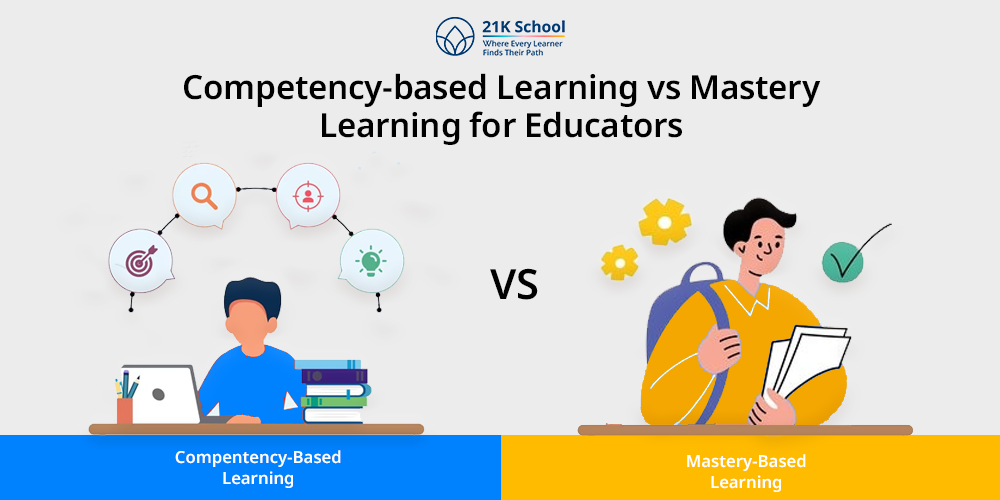
Beginning your competency-based education journey doesn’t require waiting for institutional change. Start by identifying one skill you want to master and define what proficiency looks like in concrete, measurable terms. Break that competency into smaller sub-skills you can practice and assess incrementally.
Seek out resources and communities aligned with competency-based principles. Many online platforms now explicitly organize content around skill mastery rather than course completion. Professional organizations in your field may offer competency frameworks and assessment tools you can use for self-directed learning.
Embrace the growth mindset essential for mastery-based learning. Your current abilities represent starting points, not limitations. With focused effort, effective strategies, and persistence through challenges, you can develop virtually any competency. The question isn’t whether you can master new skills, but rather which competencies matter most for your personal and professional goals.
Competency-based education represents more than a pedagogical innovation—it’s a fundamental reimagining of what education should accomplish. By focusing relentlessly on actual skill development rather than arbitrary time requirements, CBE honors the diversity of human learning while maintaining rigorous standards. Whether you’re a student seeking meaningful education, a professional developing new capabilities, or an educator working to serve learners better, competency-based approaches offer powerful pathways to personalized learning success and genuine mastery.