The world is shrinking, yet opportunities for education are expanding exponentially. Global education transcends traditional classroom walls, offering unprecedented access to knowledge, cultures, and experiences that shape tomorrow’s leaders.

🌍 The Revolutionary Shift in Global Learning
Education has undergone a remarkable transformation over the past decade. What was once confined to physical classrooms and local institutions has evolved into a boundless ecosystem of learning opportunities. Students from remote villages in Southeast Asia can now attend lectures from Harvard professors, while professionals in South America collaborate with peers in Europe on real-time projects.
This educational revolution isn’t just about technology—it’s about mindset. The traditional model of completing education in one location before entering the workforce has become obsolete. Today’s learners embrace continuous, cross-cultural education that enriches their personal and professional lives simultaneously.
International education programs have grown by over 300% in the last fifteen years, with millions of students crossing borders—physically and virtually—to pursue knowledge. This isn’t merely a trend; it’s a fundamental shift in how humanity approaches learning and skill development.
Breaking Down Traditional Educational Barriers
For generations, quality education remained a privilege reserved for those with financial means, geographical proximity to prestigious institutions, or the right connections. These barriers created educational inequality that perpetuated social and economic disparities worldwide.
Global education opportunities are dismantling these walls. Online platforms, international partnerships, and digital credentials have democratized access to world-class education. A talented student in rural India can now earn certificates from MIT, while a working mother in Brazil can complete a degree from a European university without leaving her home.
Financial Accessibility Through Technology
Cost has traditionally been the most significant barrier to quality education. International programs, travel expenses, accommodation, and living costs made global education impossible for most families. However, digital platforms have reduced these costs dramatically.
Many prestigious universities now offer free or low-cost courses through massive open online courses (MOOCs). Scholarship programs specifically target international students, and income-share agreements allow students to study now and pay later based on their future earnings. This financial flexibility has opened doors for millions who previously had no access to quality education.
🎓 Multiple Pathways to Global Educational Excellence
The beauty of borderless education lies in its diversity. Students can choose from numerous pathways depending on their goals, circumstances, and learning preferences. Each option offers unique advantages and caters to different needs.
Virtual Exchange Programs and Digital Learning
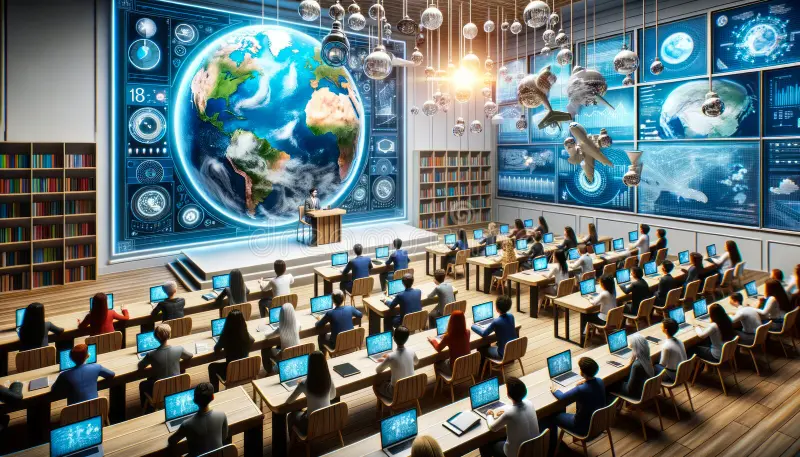
Virtual exchange programs connect students across continents without requiring physical travel. Through video conferences, collaborative projects, and shared digital workspaces, learners engage with international peers and instructors. These programs develop cultural competence, global awareness, and cross-cultural communication skills essential in today’s interconnected world.
Digital learning platforms like Coursera, edX, and FutureLearn partner with top universities to deliver courses across all disciplines. Students earn verified certificates and even full degrees recognized by employers worldwide. The flexibility of learning at your own pace while accessing content from multiple institutions creates a personalized educational experience.
Traditional Study Abroad Programs Reimagined
While digital options expand, traditional study abroad programs remain incredibly valuable. However, they’ve evolved significantly. Today’s study abroad experiences emphasize cultural immersion, service learning, and practical skill development alongside academic coursework.
Short-term programs ranging from two weeks to one semester allow students to gain international experience without committing to full degree programs abroad. These intensive experiences often include internships, research opportunities, and community engagement that provide hands-on learning impossible to replicate virtually.
Hybrid Models: The Best of Both Worlds
Many institutions now offer hybrid programs combining online learning with short-term international residencies. Students complete coursework digitally while participating in intensive on-campus sessions, field studies, or practical workshops abroad. This model reduces costs while maintaining the benefits of face-to-face interaction and cultural immersion.
Developing Cultural Intelligence for Global Success 🌏
Global education’s greatest value extends beyond academic knowledge. It cultivates cultural intelligence—the ability to function effectively across various cultural contexts. This soft skill has become increasingly crucial as businesses operate globally and teams work across time zones and cultures.
Students who engage in international education develop empathy, adaptability, and open-mindedness. They learn to question assumptions, appreciate diverse perspectives, and communicate across cultural differences. These competencies prove invaluable in both professional and personal contexts.
Research consistently shows that students with international educational experiences demonstrate higher levels of creativity, problem-solving abilities, and cognitive flexibility. Exposure to different teaching methods, academic traditions, and ways of thinking expands mental frameworks and challenges existing paradigms.
Language Acquisition as a Gateway to Opportunity
Language learning represents one of the most powerful outcomes of global education. While English has become the international language of business and academia, multilingualism opens doors to deeper cultural understanding and broader opportunities.
Immersive language learning through international education programs surpasses traditional classroom instruction. Students acquire languages naturally through daily interactions, contextual use, and cultural exposure. This authentic acquisition creates fluency impossible to achieve through textbooks alone.
Beyond practical communication skills, learning languages rewires the brain, enhancing cognitive abilities and delaying age-related mental decline. Bilingual and multilingual individuals demonstrate superior executive function, multitasking abilities, and memory retention.
🚀 Career Advancement Through Global Credentials
Employers increasingly value candidates with international educational experiences. Global credentials signal adaptability, cultural awareness, and initiative—qualities that distinguish applicants in competitive job markets.
International experience demonstrates risk-taking ability, independence, and resourcefulness. Students who navigate foreign educational systems, adapt to different cultural norms, and succeed in challenging environments prove their resilience and capability.
Building International Professional Networks
Global education creates networks spanning continents and industries. Classmates, professors, and professionals met during international experiences become valuable contacts throughout your career. These relationships facilitate international job opportunities, partnerships, and collaborations impossible without global educational exposure.
Alumni networks from international programs provide lifelong professional resources. Many universities maintain active global alumni communities that support members through mentorship programs, job boards, and networking events worldwide.
Practical Steps to Access Global Education Opportunities
Despite expanded access, navigating global education options can feel overwhelming. Strategic planning and research help you identify opportunities aligned with your goals, circumstances, and resources.
Research and Identify Your Educational Goals
Begin by clarifying your objectives. Are you seeking degree programs, professional development, language skills, or cultural experiences? Understanding your priorities helps narrow options and focus your search effectively.
Consider your career aspirations, personal interests, and learning style. Some students thrive in structured academic environments, while others prefer experiential or self-directed learning. Matching programs to your preferences increases success and satisfaction.
Explore Funding Opportunities and Financial Planning
Financial concerns shouldn’t prevent you from pursuing global education. Numerous funding sources exist, including government scholarships, institutional grants, private foundations, and employer tuition assistance programs.
Research Fulbright programs, Erasmus+ initiatives, and country-specific scholarship opportunities. Many organizations specifically support underrepresented populations, particular fields of study, or students from developing regions. Starting your search early maximizes your chances of securing funding.
Prepare for Cultural Transition and Adaptation
Successful international education requires cultural preparation. Research your destination’s customs, communication styles, and social norms. Understanding cultural differences beforehand eases transition and helps avoid misunderstandings.
Connect with alumni or current students from your chosen program. Their firsthand experiences provide invaluable insights into academic expectations, daily life, and practical considerations that official materials might overlook.
📱 Technology Platforms Enabling Borderless Learning
Digital platforms have become the backbone of global education, providing infrastructure for seamless international learning experiences. These technologies facilitate everything from course delivery to credential verification and professional networking.
Learning management systems integrate video conferencing, collaborative tools, and assessment platforms, creating virtual classrooms that replicate and sometimes surpass traditional settings. Students access recorded lectures, participate in live discussions, submit assignments, and receive feedback—all within integrated digital environments.
Blockchain technology is revolutionizing credential verification, allowing students to share verified academic achievements with employers and institutions worldwide instantly. Digital badges and micro-credentials document specific skills and competencies, providing granular proof of learning beyond traditional degrees.
Overcoming Challenges in Global Education 💪
While opportunities abound, global education presents challenges requiring proactive solutions. Time zone differences complicate real-time collaboration, technological disparities affect access, and cultural misunderstandings can hinder communication.
Addressing these challenges requires flexibility, patience, and commitment from both learners and institutions. Asynchronous learning options accommodate different schedules, while offline content ensures those with limited internet access can participate. Cultural sensitivity training and clear communication protocols minimize misunderstandings and foster inclusive learning environments.
Maintaining Motivation in Self-Directed Learning
Online global education requires significant self-discipline. Without physical classrooms and face-to-face accountability, maintaining motivation challenges many students. Successful online learners establish routines, set clear goals, and build virtual support networks.
Creating dedicated study spaces, scheduling regular learning sessions, and engaging actively in online communities combat isolation and maintain momentum. Many platforms incorporate gamification elements, progress tracking, and peer accountability features that sustain engagement throughout programs.
The Future Landscape of Education Without Borders 🔮
Global education continues evolving rapidly. Emerging technologies like artificial intelligence, virtual reality, and augmented reality promise even more immersive and personalized learning experiences. AI-powered tutors provide individualized instruction at scale, while VR enables virtual field trips to historical sites, scientific laboratories, and cultural landmarks worldwide.
International educational partnerships are expanding, with universities creating global networks offering students seamless mobility between institutions. Stackable credentials allow learners to combine courses and programs from multiple institutions, creating customized educational pathways that reflect their unique goals and interests.
As remote work becomes normalized, the distinction between where you study and where you live continues blurring. Digital nomads pursue education while traveling, professionals integrate learning into their careers, and lifelong learning becomes the standard rather than the exception.
Transforming Your World Through Global Learning 🌟
Embracing global education opportunities transforms more than your resume—it fundamentally changes how you understand the world and your place within it. Exposure to diverse perspectives, challenging your assumptions, and connecting with people across cultures cultivates wisdom that transcends any single discipline or degree.
The investment in global education pays dividends throughout your lifetime. Skills acquired, relationships built, and perspectives gained compound over time, opening unexpected doors and creating opportunities you couldn’t have imagined at the outset.
Whether you pursue a full degree abroad, complete online courses from international institutions, or participate in virtual exchange programs, each step toward global education expands your world and mind. The barriers that once limited learning to specific locations and populations are crumbling, replaced by an educational ecosystem that truly knows no borders.
Start exploring today. Research programs that align with your goals, connect with international educational communities, and take the first step toward unlocking limitless learning. Your future self will thank you for the investment, and the world will benefit from your enhanced global perspective and capabilities.
Education without borders isn’t just about accessing information—it’s about joining a global community of learners committed to growth, understanding, and creating positive change. By expanding your educational horizons, you become part of a movement transforming how humanity learns, collaborates, and solves the complex challenges facing our interconnected world.