The rapid advancement of automation and artificial intelligence is fundamentally reshaping the workforce, making it essential to rethink how we prepare students for tomorrow’s challenges.

🚀 Understanding the Automation Revolution and Its Educational Implications
We stand at a pivotal moment in human history where machines are no longer simply tools that assist human labor—they’re becoming capable of performing complex cognitive tasks that were once exclusively human domains. From self-driving vehicles to AI-powered diagnostic systems, automation is transforming industries at an unprecedented pace. This transformation isn’t merely a technological shift; it represents a fundamental reimagining of work, value creation, and human potential.
Educational institutions worldwide are grappling with a critical question: How do we prepare students for careers that don’t yet exist, using technologies that haven’t been invented, to solve problems we haven’t anticipated? The answer lies not in predicting the future with precision, but in equipping learners with adaptable skills, resilient mindsets, and the capacity for continuous learning throughout their lives.
Research from leading economic institutions suggests that nearly 40% of current jobs could be significantly affected by automation within the next two decades. However, this statistic shouldn’t trigger panic—it should catalyze action. History demonstrates that technological revolutions consistently create more opportunities than they eliminate, but only for those prepared to seize them. The key differentiator will be education that transcends traditional boundaries and embraces a more holistic, forward-thinking approach.
💡 Core Competencies for the Automated Age
Future-proofing education requires identifying and cultivating competencies that remain valuable regardless of technological advancement. These aren’t simply academic subjects but fundamental capacities that enable individuals to navigate uncertainty and complexity.
Critical Thinking and Complex Problem-Solving
While machines excel at processing information and executing predefined tasks, human beings retain a significant advantage in nuanced judgment, ethical reasoning, and creative problem-solving. Educational systems must prioritize developing these higher-order thinking skills from the earliest grades. This means moving beyond rote memorization toward learning experiences that challenge students to analyze information critically, question assumptions, and synthesize diverse perspectives into innovative solutions.
Effective critical thinking education involves presenting students with ambiguous, real-world problems that lack clear-cut answers. Students learn to navigate complexity, weigh competing priorities, and make reasoned decisions despite incomplete information—skills that automation cannot easily replicate and that remain valuable across virtually all professional contexts.
Emotional Intelligence and Human-Centered Skills
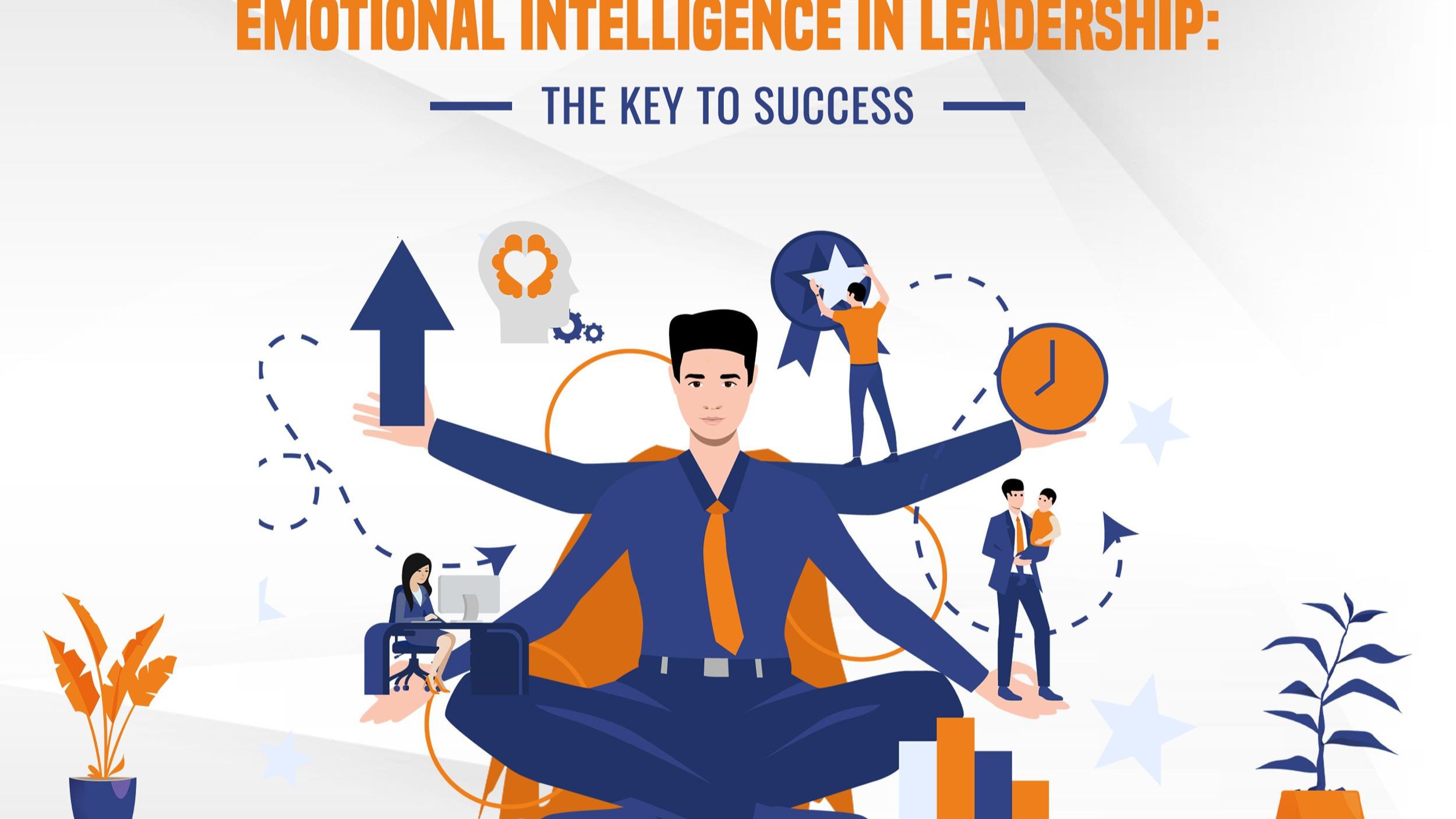
As routine cognitive tasks become automated, distinctly human capabilities like empathy, communication, collaboration, and emotional intelligence become increasingly valuable. These social-emotional competencies enable effective teamwork, leadership, customer service, caregiving, and creative collaboration—domains where human connection remains irreplaceable.
Schools must integrate social-emotional learning throughout their curricula, creating opportunities for students to develop self-awareness, manage emotions constructively, appreciate diverse perspectives, establish positive relationships, and make responsible decisions. These capabilities aren’t supplementary to academic learning; they’re foundational to success in an automated world.
Digital Literacy and Technological Fluency
Understanding technology isn’t optional for future generations—it’s essential. However, digital literacy extends far beyond basic computer skills. Students need deep technological fluency that enables them to understand how digital systems work, evaluate information critically in digital environments, protect their privacy and security, and use technology as a tool for creation rather than merely consumption.
Coding and computational thinking should become as fundamental as reading and mathematics. These skills demystify technology, transforming students from passive users into empowered creators who can shape digital tools to serve human purposes. This doesn’t mean every student must become a software engineer, but everyone should understand the logical structures underlying the technologies that increasingly mediate our lives.
📚 Transforming Teaching Methods for Maximum Impact
Future-proof education requires more than updating curriculum content—it demands fundamentally rethinking pedagogical approaches. Traditional instruction models designed for industrial-age workforce needs no longer serve students effectively in our rapidly evolving landscape.
Project-Based and Experiential Learning
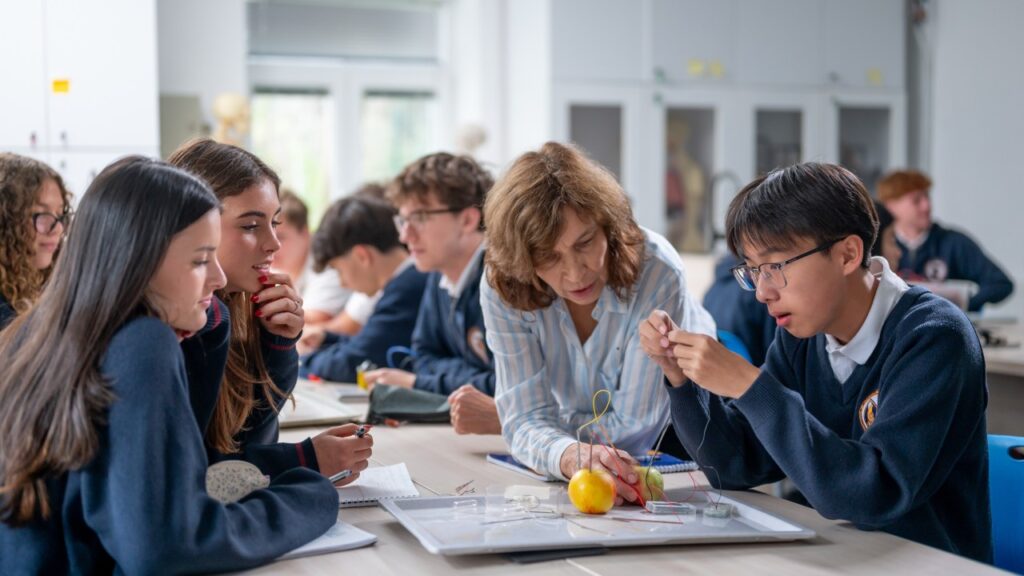
Passive learning through lectures and textbooks poorly prepares students for the dynamic problem-solving required in modern workplaces. Project-based learning engages students in tackling authentic, complex challenges that require applying knowledge across disciplines, collaborating with peers, and iterating toward solutions.
These experiences mirror real-world work environments where problems rarely confine themselves to single subject areas and solutions emerge through experimentation and refinement. Students develop not just knowledge but the metacognitive skills to apply that knowledge flexibly in varied contexts—a crucial capacity when facing unfamiliar future challenges.
Personalized and Adaptive Learning Pathways
Industrial-age education treated students as uniform products moving through standardized processes. The automation age enables—and requires—personalization. Adaptive learning technologies can assess individual student needs, learning styles, and progress, then customize content delivery and pacing accordingly.
This personalization doesn’t replace teachers; it empowers them to focus their expertise where it matters most. By offloading routine instructional delivery and assessment to intelligent systems, educators gain time for mentoring, facilitating discussions, providing individualized feedback, and fostering the human connections that catalyze deep learning.
Fostering Entrepreneurial Mindsets
Traditional education prepared students for employment within existing organizational structures. Future-proof education must also cultivate entrepreneurial capabilities—not necessarily to start businesses, but to navigate uncertainty, identify opportunities, take calculated risks, learn from failure, and create value in diverse contexts.
Entrepreneurial education encourages initiative, resourcefulness, resilience, and creative thinking. It teaches students to see problems as opportunities and to believe in their capacity to effect positive change. These dispositions prove invaluable whether students ultimately work within organizations, launch ventures, or chart unconventional career paths.
🌍 Lifelong Learning as the New Educational Paradigm
Perhaps the most fundamental shift required for future-proofing education is abandoning the notion that learning concludes with formal schooling. In rapidly changing environments, the half-life of technical skills continues shrinking. What students learn today may become obsolete within years or even months.
The solution isn’t futilely attempting to predict which specific skills will remain relevant. Instead, education must instill the capacity and desire for continuous learning throughout life. This means teaching students how to learn effectively, helping them discover their intrinsic motivation for growth, and providing frameworks for self-directed learning.
Metacognition and Learning How to Learn
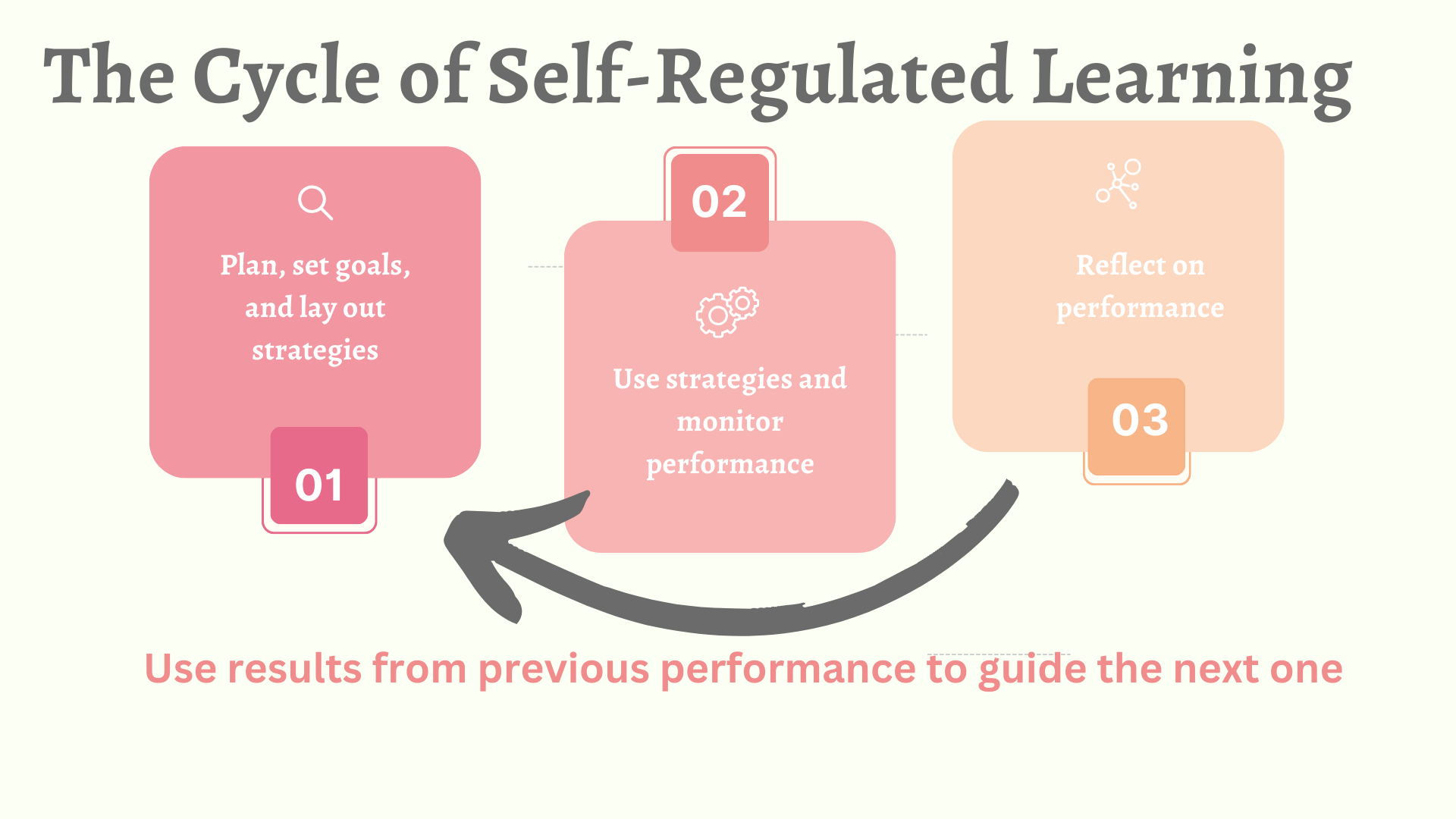
Metacognition—thinking about thinking—represents one of the most powerful capabilities education can develop. Students who understand how they learn, what strategies work best for different challenges, and how to monitor and adjust their approaches become independent learners capable of acquiring new competencies throughout their lives.
Explicit instruction in metacognitive strategies, combined with regular opportunities for reflection on learning processes, helps students develop this essential capacity. When students understand not just what they’re learning but how and why particular approaches prove effective, they gain transferable skills applicable across unlimited future learning contexts.
Building Flexible Career Pathways
Linear career trajectories are becoming increasingly rare. Most students will navigate multiple careers across their working lives, requiring periodic reinvention and skill acquisition. Education systems must acknowledge this reality by providing diverse pathways, validating multiple forms of learning (formal, informal, and experiential), and creating structures that enable adults to return for education throughout their careers.
Micro-credentials, modular learning programs, and competency-based assessments offer flexibility that traditional degree structures lack. These innovations allow learners to acquire specific skills as needed, document their capabilities, and build credentials progressively rather than front-loading all education into early adulthood.
🤝 The Irreplaceable Role of Human Educators
Discussions about educational technology sometimes create anxiety that automation will replace teachers. This fundamentally misunderstands both technology’s capabilities and education’s essence. While technology can deliver content efficiently and personalize certain learning experiences, the relational and inspirational dimensions of teaching remain distinctly human.
Great educators don’t merely transmit information—they inspire curiosity, model intellectual engagement, provide emotional support, challenge students to exceed their perceived limitations, and help young people discover their purposes and potentials. These profoundly human functions cannot be automated.
The future of education requires redefining teachers’ roles to leverage both human expertise and technological capabilities optimally. Teachers become learning designers, facilitators, mentors, and coaches rather than primary content deliverers. This evolution potentially makes teaching more professionally fulfilling by focusing educators’ talents on the complex, creative, and relational aspects of their work that attracted many to the profession initially.
💻 Strategic Technology Integration in Learning Environments
Technology should serve educational goals rather than driving them. Effective integration requires clarity about which problems technology solves and ensuring implementation genuinely enhances learning rather than simply digitizing ineffective practices.
Artificial Intelligence as Learning Partner
AI-powered educational tools can provide immediate feedback, identify learning gaps, recommend resources, and even engage students in dialogue. These capabilities offer significant benefits when implemented thoughtfully. AI tutoring systems can supplement human instruction, providing additional practice and support particularly valuable for students lacking access to private tutoring or additional educational resources.
However, AI integration requires careful consideration of data privacy, algorithmic bias, and maintaining appropriate human oversight. Technology should augment rather than replace human judgment in educational decisions, particularly those with significant consequences for students’ opportunities and futures.
Virtual and Augmented Reality for Immersive Learning
VR and AR technologies create possibilities for experiential learning previously impossible or impractical. Students can explore historical sites, manipulate molecular structures, practice surgical procedures, or experience perspectives radically different from their own—all within educational settings.
These immersive technologies prove particularly valuable for developing spatial reasoning, visualizing abstract concepts, and building empathy through perspective-taking experiences. As costs decrease and accessibility increases, these tools will likely become standard components of well-resourced learning environments.
🌟 Equity and Access in Future-Proof Education
Any discussion of educational transformation must confront equity concerns. Technological solutions risk exacerbating existing disparities if implemented without intentional efforts to ensure universal access. Students in under-resourced schools and communities often lack the devices, connectivity, and support necessary to benefit from digital learning innovations.
Future-proofing education requires commitment to closing these gaps rather than accepting or widening them. This means substantial investment in infrastructure, devices, and connectivity for underserved communities. It also requires addressing the digital divide’s qualitative dimensions—ensuring all students develop sophisticated technological competencies rather than merely accessing devices for basic consumption.
Educational equity in the automation age also means confronting biases within technological systems themselves. Algorithms trained on historical data can perpetuate existing prejudices regarding race, gender, socioeconomic status, and other characteristics. Educators and technologists must work collaboratively to identify and mitigate these biases, ensuring technology serves all students fairly.
🎯 Preparing for Careers That Don’t Yet Exist
One of education’s greatest challenges involves preparing students for unknown futures. While we cannot predict specific jobs that will exist in twenty or thirty years, we can identify durable capabilities and orientations that will remain valuable across diverse scenarios.
Adaptability stands paramount among these capabilities. Students must become comfortable with change, viewing it as opportunity rather than threat. This requires building psychological resilience, maintaining growth mindsets that embrace challenges as learning opportunities, and developing the confidence to navigate uncertainty.
Interdisciplinary thinking becomes increasingly valuable as complex challenges rarely respect traditional disciplinary boundaries. Education must break down artificial barriers between subjects, helping students recognize connections, apply insights across domains, and synthesize diverse knowledge into novel solutions.
Ethical reasoning grows more critical as technological capabilities outpace societal consensus about appropriate applications. Students need frameworks for wrestling with complex ethical questions about privacy, artificial intelligence, genetic engineering, environmental sustainability, and social justice. These aren’t abstract philosophical exercises but practical competencies for navigating professional contexts where technical possibilities exceed ethical clarity.
🔄 Rethinking Assessment and Credentials
Traditional assessment methods poorly capture many competencies essential for success in automated environments. Standardized tests measure narrow slices of knowledge and skills, often emphasizing memorization and routine problem-solving—precisely the capabilities automation handles effectively.
Future-proof assessment must evaluate deeper competencies: Can students tackle ill-defined problems? Collaborate effectively? Communicate persuasively? Think creatively? Demonstrate ethical reasoning? Traditional testing formats struggle to measure these capabilities authentically.
Portfolio-based assessment, performance tasks, and project evaluations offer richer pictures of student capabilities. Digital portfolios can document learning across time and contexts, showcasing growth, reflecting metacognitive development, and providing evidence of competencies in ways transcending test scores.
Similarly, traditional credentials like diplomas and degrees, while retaining value, increasingly share space with alternative certifications, digital badges, and competency-based credentials that document specific capabilities rather than seat time. This diversification potentially democratizes access to opportunity by recognizing learning wherever it occurs and validating skills regardless of how they were acquired.
🌱 Cultivating Purpose and Meaning in Automated Contexts
Beyond skills and competencies, future-proof education must address fundamental questions of purpose and meaning. As automation handles routine tasks, human work increasingly centers on activities requiring judgment, creativity, and interpersonal connection. This shift offers opportunity for more fulfilling work aligned with human values and aspirations.
However, realizing this potential requires helping students discover their purposes, values, and the unique contributions they can make to the world. Education must create space for exploration, reflection, and identity development alongside academic and technical learning.
When students connect their learning to purposes beyond themselves—contributing to communities, addressing social challenges, advancing human knowledge, or creating beauty—they develop the intrinsic motivation sustaining lifelong learning and resilience through challenges. This sense of purpose provides direction and meaning that purely economic motivations cannot match.
🚦 Moving Forward: Action Steps for Educational Transformation
Future-proofing education requires coordinated action across multiple stakeholder groups. Policymakers must prioritize educational investment, update regulations to enable innovation while protecting students, and create incentives for implementing evidence-based practices. Educational leaders should foster cultures embracing experimentation, provide professional development supporting pedagogical transformation, and ensure equitable access to resources and opportunities.
Teachers need support—time, training, and resources—to evolve their practices. Professional learning communities where educators collaborate, share innovations, and refine approaches prove essential for sustainable change. Parents and communities must engage as partners, understanding educational transformation’s rationale and supporting students’ development beyond traditional academic metrics.
Students themselves should be active participants in shaping their educational experiences. Their voices, perspectives, and feedback provide invaluable guidance for creating learning environments that genuinely serve their needs and aspirations.
The automation age presents both challenges and extraordinary opportunities for education. By embracing transformation thoughtfully—prioritizing enduring human capabilities, leveraging technology strategically, ensuring equity, and fostering purpose—we can create educational systems that genuinely prepare all students not merely to survive but to thrive in whatever futures unfold. This work is urgent, complex, and profoundly important. The students in our classrooms today will shape the world of tomorrow. What we teach them, how we teach them, and the values we instill will echo across decades. Future-proofing education isn’t about predicting the future perfectly—it’s about empowering young people with the adaptability, creativity, wisdom, and resilience to create futures worth living in. That challenge calls us to our highest aspirations as educators, policymakers, and communities committed to the next generation’s flourishing. 🎓