Predictive learning analytics is revolutionizing how educational institutions, businesses, and organizations make data-driven decisions to enhance learning outcomes and optimize performance.

🎯 The Revolution of Data-Driven Educational Decision-Making
In today’s rapidly evolving educational landscape, the ability to anticipate student needs, identify at-risk learners, and personalize educational experiences has become paramount. Predictive learning analytics represents a fundamental shift from reactive to proactive educational strategies, enabling educators and administrators to make informed decisions before problems escalate.
The integration of artificial intelligence, machine learning algorithms, and big data analytics has transformed how we understand learning patterns. These sophisticated systems analyze vast amounts of student data—from attendance records and assignment submissions to engagement metrics and assessment scores—to generate actionable insights that drive meaningful interventions.
Organizations that embrace predictive analytics gain a competitive advantage by identifying trends before they become obvious, allocating resources more efficiently, and creating personalized learning pathways that maximize student success. This data-driven approach is no longer a luxury but a necessity for institutions committed to excellence.
📊 Understanding the Core Components of Predictive Learning Analytics
Predictive learning analytics combines multiple data sources and analytical techniques to forecast educational outcomes. The foundation rests on collecting comprehensive data across various touchpoints in the learning journey, including learning management systems, student information systems, library usage, and even social learning interactions.
Data Collection and Integration
The first critical component involves gathering data from disparate sources and creating a unified view of each learner. This integration allows for holistic analysis rather than fragmented insights. Modern learning analytics platforms connect seamlessly with existing infrastructure, pulling data from course management systems, assessment platforms, and administrative databases.
Quality data collection requires careful attention to privacy regulations, ethical considerations, and data governance policies. Institutions must establish clear protocols for data handling while ensuring transparency with students about how their information is used to support their educational success.
Advanced Analytics and Machine Learning Models
Once data is collected, sophisticated algorithms analyze patterns and relationships that human observers might miss. Machine learning models can identify early warning signs of student disengagement, predict course completion rates, and recommend personalized intervention strategies tailored to individual learning profiles.
These models continuously improve through iterative learning, becoming more accurate as they process additional data. The predictive power increases exponentially when systems have access to historical data spanning multiple academic years and diverse student populations.
🚀 Practical Applications Transforming Educational Outcomes
The real value of predictive learning analytics emerges through practical applications that directly impact student success rates. Educational institutions worldwide are implementing these systems to address critical challenges and create more supportive learning environments.
Early Warning Systems for At-Risk Students
One of the most powerful applications involves identifying students who may struggle academically before they fall too far behind. Predictive models analyze engagement patterns, assessment performance, and behavioral indicators to flag students who need additional support.
These early warning systems enable timely interventions such as tutoring referrals, academic counseling, or modified learning strategies. Research shows that institutions using predictive analytics to identify at-risk students see significant improvements in retention rates and graduation outcomes.
Personalized Learning Pathways
Predictive analytics enables the creation of customized educational experiences tailored to individual learning styles, pace preferences, and knowledge gaps. By analyzing how students interact with learning materials and where they encounter difficulties, systems can recommend specific resources, alternative explanations, or supplementary activities.
This personalization extends beyond content recommendations to include optimal timing for learning activities, preferred communication channels, and effective assessment formats. The result is a more engaging and effective learning experience that respects individual differences.
Resource Optimization and Strategic Planning
Educational leaders use predictive analytics for institutional planning, including course scheduling, faculty allocation, and budget decisions. By forecasting enrollment trends, course demand, and resource needs, administrators can make strategic decisions that maximize operational efficiency while maintaining educational quality.
Predictive models help identify which programs will attract students, which courses face capacity challenges, and where additional support services are needed. This forward-looking approach prevents resource waste and ensures institutional sustainability.
💡 Key Benefits Driving Adoption Across Sectors
Organizations implementing predictive learning analytics report substantial benefits that extend beyond improved academic outcomes. The strategic advantages touch every aspect of educational operations and stakeholder satisfaction.
- Improved Student Retention: Early identification of struggling students leads to timely support and higher retention rates
- Enhanced Learning Outcomes: Personalized interventions address individual needs more effectively than one-size-fits-all approaches
- Efficient Resource Allocation: Data-driven decisions optimize budget spending and staff deployment
- Evidence-Based Policy Development: Institutional policies grounded in actual performance data rather than assumptions
- Increased Stakeholder Confidence: Transparent reporting demonstrates accountability to students, parents, and funding bodies
- Proactive Problem-Solving: Anticipating challenges before they escalate reduces crisis management needs
🔍 Implementation Strategies for Maximum Impact
Successfully deploying predictive learning analytics requires thoughtful planning, stakeholder engagement, and ongoing refinement. Organizations that approach implementation strategically achieve better outcomes and stronger adoption rates.
Building a Data-Literate Culture
Technology alone cannot drive success; people must understand and trust the analytics system. Investing in professional development ensures educators and administrators can interpret data insights and translate them into effective actions. Creating a culture that values evidence-based decision-making over intuition builds the foundation for sustainable change.
Regular training sessions, data visualization tools, and accessible reporting dashboards help stakeholders at all levels engage with analytics meaningfully. When faculty see how data insights improve their teaching effectiveness, resistance diminishes and enthusiasm grows.
Starting Small and Scaling Gradually
Rather than attempting comprehensive implementation immediately, successful organizations often begin with pilot projects focused on specific challenges. This approach allows teams to learn, adjust processes, and demonstrate value before expanding to broader applications.
Pilot projects might target first-year retention, gateway course success rates, or specific at-risk populations. Documenting successes and lessons learned creates momentum for wider adoption and secures ongoing support from leadership.
Ensuring Ethical Use and Data Privacy
Ethical considerations must guide every aspect of predictive analytics implementation. Establishing clear policies about data collection, use, storage, and sharing protects student privacy while maintaining system integrity. Transparency about how analytics inform decisions builds trust among students and faculty.
Institutions should involve ethicists, legal experts, and student representatives in developing governance frameworks. Regular audits ensure compliance with regulations like FERPA, GDPR, and other privacy laws while maintaining ethical standards that exceed minimum legal requirements.
📈 Measuring Success and Demonstrating ROI
Quantifying the impact of predictive learning analytics helps justify ongoing investment and guides continuous improvement efforts. Effective measurement strategies combine quantitative metrics with qualitative feedback to create a comprehensive picture of system performance.
Key Performance Indicators Worth Tracking
Organizations should monitor multiple indicators that reflect different dimensions of success. These metrics provide evidence of both operational efficiency and educational effectiveness.
| Metric Category | Example Indicators | Impact Area |
|---|---|---|
| Student Success | Retention rates, graduation rates, GPA improvements | Academic outcomes |
| Intervention Effectiveness | Success rate of recommended actions, time to intervention | Support services |
| System Adoption | Faculty usage rates, data access frequency | Cultural integration |
| Resource Efficiency | Cost per student, support service utilization | Operational performance |
| Prediction Accuracy | Model precision, false positive rates | Technical performance |
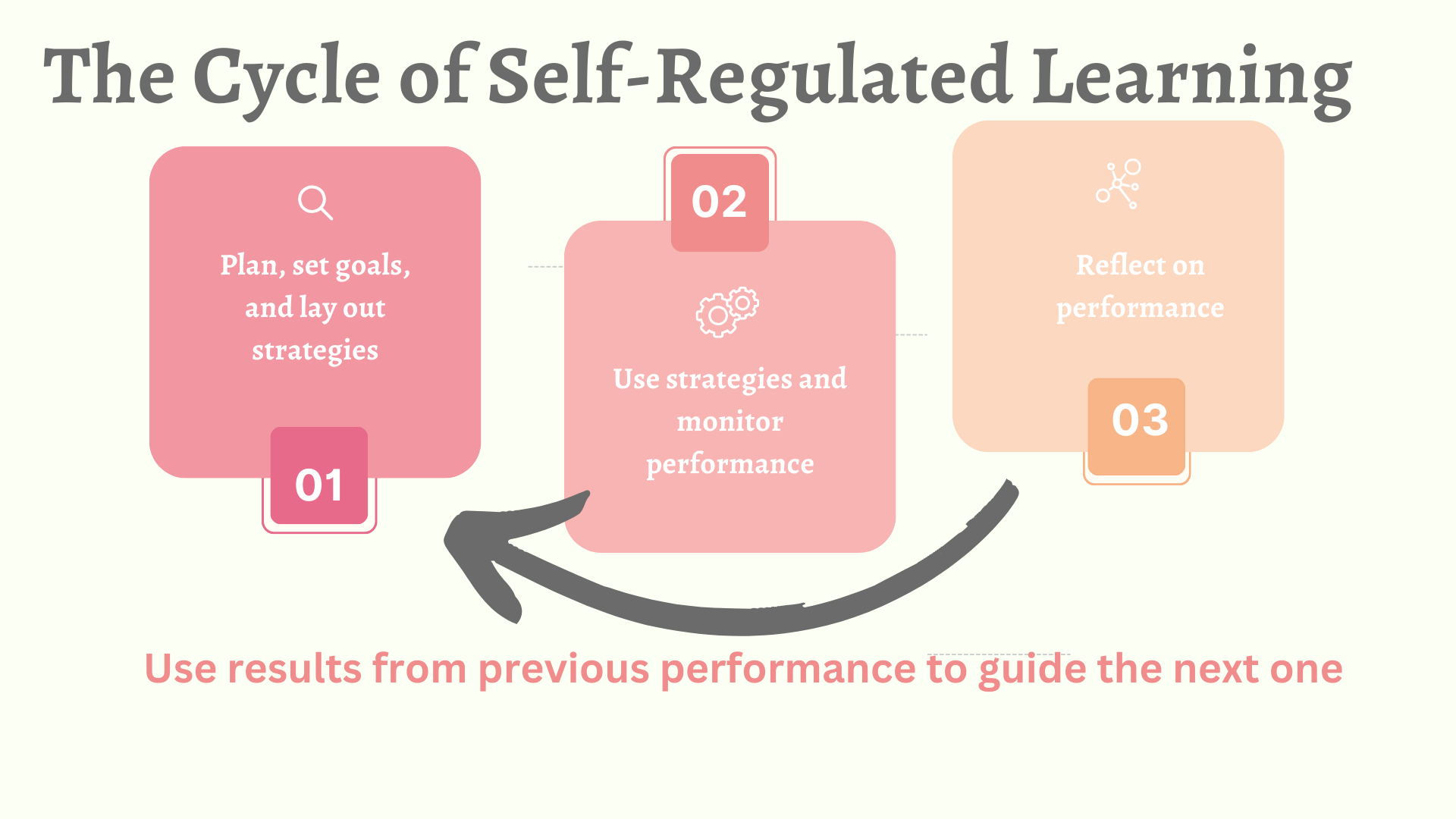
Continuous Improvement Through Feedback Loops
Effective analytics systems incorporate mechanisms for ongoing refinement based on performance data and user feedback. Regular review cycles examine prediction accuracy, intervention effectiveness, and user satisfaction to identify improvement opportunities.
This iterative approach ensures systems remain relevant as institutional contexts evolve, student populations change, and new educational challenges emerge. Organizations committed to continuous improvement see progressively better results over time.
🌟 Overcoming Common Implementation Challenges
While the benefits of predictive learning analytics are substantial, organizations frequently encounter obstacles during implementation. Recognizing these challenges and preparing strategies to address them increases the likelihood of successful adoption.
Resistance to Change
Faculty and staff accustomed to traditional decision-making approaches may initially resist data-driven methods. Addressing this resistance requires clear communication about benefits, involving stakeholders in system design, and demonstrating how analytics support rather than replace professional judgment.
Success stories from early adopters within the institution can be particularly persuasive. When respected colleagues share how analytics improved their effectiveness, skeptics become more open to trying new approaches.
Data Quality and Integration Issues
Legacy systems, inconsistent data entry practices, and siloed information sources create technical challenges. Investing in data cleaning, establishing data governance standards, and implementing robust integration platforms address these foundational issues.
While data quality improvements require upfront effort, they pay dividends across all analytics applications and improve institutional operations beyond predictive learning systems.
Balancing Automation with Human Judgment
Predictive analytics should inform rather than dictate decisions. Maintaining appropriate human oversight ensures that automated recommendations are contextualized within individual circumstances and institutional values. Educators bring professional expertise, relationship knowledge, and ethical considerations that algorithms cannot replicate.
Designing systems that present recommendations alongside relevant context empowers users to make informed decisions that blend data insights with professional wisdom.
🔮 Future Trends Shaping Predictive Analytics Evolution
The field of predictive learning analytics continues evolving rapidly, driven by technological advances and deeper understanding of learning science. Organizations that stay informed about emerging trends can position themselves to leverage new capabilities as they mature.
Artificial intelligence is becoming increasingly sophisticated, enabling more nuanced analysis of complex learning behaviors. Natural language processing allows systems to analyze student writing, discussion posts, and open-ended responses for insights about comprehension and engagement.
Real-time analytics capabilities are expanding, moving beyond historical pattern analysis to provide immediate feedback during learning activities. This shift enables just-in-time interventions that address difficulties as they occur rather than after assessments reveal problems.
Integration with emerging educational technologies like virtual reality, adaptive learning platforms, and digital credentialing systems creates richer data streams and more comprehensive learner profiles. These interconnected systems provide holistic views of educational experiences across formal and informal learning contexts.
🎓 Transforming Education Through Intelligent Insights
Predictive learning analytics represents more than a technological advancement; it embodies a fundamental shift toward evidence-based educational practice. By harnessing the power of data science, machine learning, and learning science, institutions can create more equitable, effective, and responsive educational environments.
The journey toward data-driven decision-making requires commitment, investment, and cultural change. Organizations that embrace this transformation position themselves to better serve students, optimize resources, and achieve mission-critical objectives in an increasingly competitive educational landscape.
Success with predictive learning analytics comes not from technology alone but from the thoughtful integration of systems, processes, and people aligned toward common goals. When analytics insights inform compassionate, student-centered interventions delivered by skilled educators, the results transform individual lives and institutional outcomes.
As educational challenges grow more complex and diverse student populations bring varied needs, predictive analytics provides tools to navigate this complexity with confidence. The institutions that master these capabilities will lead educational innovation, setting standards for effectiveness and student success that others strive to match.
The future of education lies in intelligent systems that amplify human capabilities rather than replace them. Predictive learning analytics exemplifies this partnership, combining computational power with professional expertise to unlock possibilities previously unimaginable. Organizations ready to embark on this journey will discover that smarter decision-making leads not just to better metrics but to meaningful improvements in the lives of learners they serve.