The future of education is being written today, and next-generation curriculum design stands at the forefront of this transformation, promising to reshape how we prepare learners for tomorrow’s challenges.

🚀 The Evolution Beyond Traditional Learning Frameworks
Education has reached a critical inflection point. The traditional curriculum models that served industrial-age societies are struggling to meet the demands of our rapidly evolving digital landscape. Today’s learners need more than memorized facts and standardized test scores—they require adaptive thinking, creative problem-solving, and the ability to navigate complexity with confidence.
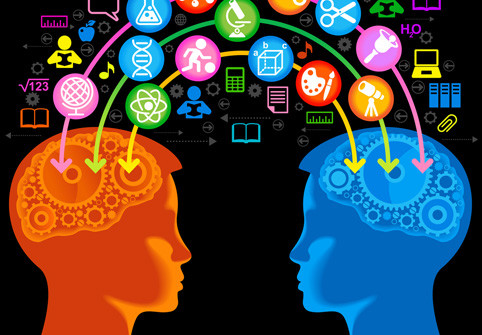
Next-generation curriculum design represents a fundamental reimagining of educational architecture. Rather than treating knowledge as static content to be transmitted from teacher to student, modern frameworks view learning as a dynamic, personalized journey that adapts to individual needs, interests, and career aspirations. This shift acknowledges that tomorrow’s workforce will encounter challenges we cannot yet imagine, requiring skills we’re only beginning to understand.
The pandemic accelerated changes that were already underway, exposing both the fragility of outdated systems and the possibilities inherent in technology-enhanced learning. Schools worldwide were forced to experiment with remote learning, blended models, and digital tools, inadvertently creating a massive testing ground for innovative approaches that might have taken decades to implement otherwise.
Core Pillars of Future-Ready Curriculum Architecture
Building educational experiences for tomorrow requires a foundation rooted in several interconnected principles. These pillars work together to create learning environments that are both rigorous and responsive, challenging yet supportive, traditional where appropriate yet innovative where necessary.
Competency-Based Progression Systems
Traditional age-based grade levels are giving way to competency-based models where students advance upon demonstrating mastery rather than simply accumulating seat time. This approach recognizes that learning is not linear and that students develop skills at different rates across various domains.
In competency-based frameworks, clear learning objectives are established upfront, providing transparency about expectations. Students receive targeted feedback and multiple opportunities to demonstrate understanding through varied assessment methods. The emphasis shifts from comparing students against each other to helping each individual reach their full potential.
Interdisciplinary Integration and Real-World Relevance
The artificial boundaries between subjects that characterize most traditional schools rarely reflect how knowledge is applied in authentic contexts. Next-gen curricula break down these silos, creating integrated learning experiences where students tackle complex problems that naturally draw upon multiple disciplines.
Project-based learning becomes central, with students engaging in extended investigations of meaningful questions. A project exploring climate change might simultaneously develop scientific literacy, data analysis skills, persuasive writing abilities, and civic engagement—all while addressing content standards across traditional subject areas.
Personalized Learning Pathways
Technology enables unprecedented levels of customization in education. Adaptive learning platforms can assess student understanding in real-time, adjusting difficulty and providing targeted resources based on individual performance patterns. This doesn’t mean students work in isolation—rather, personalization allows educators to be more strategic about when to offer direct instruction, facilitate group collaboration, or provide independent exploration time.
Personal learning plans document each student’s goals, interests, and progress, creating continuity across years and enabling learners to take greater ownership of their educational journey. Students become active participants in designing their learning experiences rather than passive recipients of predetermined content.
💡 Essential Skills for an Uncertain Tomorrow
While specific job titles and technological tools will continue to evolve, certain fundamental capabilities remain consistently valuable. Next-generation curricula prioritize developing these transferable competencies alongside traditional academic content.
Critical Thinking and Complex Problem-Solving
In an era of information abundance and sophisticated misinformation, the ability to analyze sources, evaluate evidence, recognize bias, and construct logical arguments becomes essential. Students need practice wrestling with ambiguous problems that have multiple viable solutions, learning to justify their reasoning and critique alternative approaches.
This goes beyond simple memorization or application of formulas. It requires students to identify relevant variables, recognize patterns, make connections across contexts, and adapt strategies when initial approaches prove ineffective. These metacognitive skills—thinking about thinking—enable learners to tackle novel challenges throughout their lives.
Creative Innovation and Entrepreneurial Mindsets
Automation will continue displacing routine cognitive work, making human creativity increasingly valuable. Educational experiences must cultivate imagination, encourage risk-taking, and normalize iteration and failure as essential components of innovation.
Students benefit from opportunities to generate original ideas, prototype solutions, gather feedback, and refine their work. Whether designing new products, crafting artistic expressions, or proposing social interventions, learners develop confidence in their ability to create value and impact their communities.
Digital Literacy and Technological Fluency
Being digitally literate today means far more than basic computer operation. Students must understand how algorithms shape the information they encounter, recognize the ethical implications of emerging technologies, and develop healthy relationships with digital tools that enhance rather than dominate their lives.
Computational thinking—breaking problems into components, identifying patterns, creating algorithms—provides a framework applicable far beyond computer science. As artificial intelligence becomes increasingly prevalent, understanding both its capabilities and limitations becomes crucial for informed citizenship and career success.
Collaboration and Cross-Cultural Communication
Global challenges require global cooperation. Students need experience working effectively in diverse teams, navigating cultural differences, mediating conflicts constructively, and contributing their unique perspectives while remaining open to others’ ideas.
Modern curricula create authentic opportunities for international collaboration through technology, connecting classrooms across continents to work on shared projects. These experiences build empathy, challenge assumptions, and prepare students for increasingly interconnected workplaces and communities.
🎯 Implementation Strategies That Actually Work
Vision without execution remains merely aspirational. Transforming curriculum design requires thoughtful implementation strategies that address the practical realities schools face, including resource constraints, accountability pressures, and the need to bring stakeholders along on the journey.
Gradual Integration Rather Than Complete Overhaul
Successful curriculum transformation typically follows an iterative approach. Schools might begin by identifying one grade level or subject area as a pilot, allowing educators to experiment with new approaches, learn from challenges, and document successes before expanding to other contexts.
This gradual implementation reduces risk, builds institutional knowledge, and creates internal champions who can mentor colleagues. Early adopters become living proof that new approaches can work, making subsequent phases easier to implement as skeptics see tangible results.
Professional Development as Continuous Learning
Teachers cannot facilitate learning experiences they’ve never encountered themselves. Meaningful professional development moves beyond one-time workshops to create ongoing learning communities where educators collaborate, observe each other’s practice, and receive coaching support.
The most effective professional learning is job-embedded, allowing teachers to immediately apply new strategies in their classrooms, reflect on results, and refine their approach with collegial support. This mirrors the competency-based, personalized learning we want for students.
Leveraging Technology Purposefully
Technology serves as an enabler rather than the solution itself. Digital tools should amplify good pedagogy rather than simply digitizing outdated practices. The question isn’t “How can we use this technology?” but rather “What learning experiences do we want to create, and which tools best support those goals?”
Learning management systems, collaborative platforms, and adaptive software can support personalized learning when implemented strategically. However, technology should free educators to focus on high-value interactions—facilitating discussions, providing feedback, mentoring students—rather than adding administrative burden.
📊 Assessment Reimagined for Deeper Learning
Traditional testing measures a narrow slice of student learning at a single point in time. Next-generation assessment approaches provide richer, more actionable information about what students know and can do, supporting learning rather than merely measuring it.
Performance-Based Demonstrations
Students showcase understanding through authentic performances—designing solutions, creating multimedia presentations, conducting research, or completing internships. These assessments reveal not just what students know but how they apply knowledge in context.
Rubrics make expectations transparent while allowing room for creativity and individual expression. Students receive detailed feedback on multiple dimensions of performance, understanding their strengths and specific areas for growth rather than simply receiving a letter grade or percentage.
Portfolio Systems for Longitudinal Progress
Digital portfolios document learning journeys over time, capturing growth that single assessments cannot reveal. Students curate evidence of their developing competencies, reflect on their progress, and set goals for continued improvement.
These portfolios become valuable tools for college admissions and job applications, providing concrete demonstrations of capabilities that transcend test scores and grade point averages. They also encourage students to view themselves as continually evolving learners rather than being defined by any single performance.
🌍 Preparing Global Citizens for Interconnected Challenges
Tomorrow’s problems—climate change, public health, economic inequality, technological ethics—transcend national boundaries and require collaborative solutions. Curricula must cultivate global competence alongside traditional academic skills.
This includes developing understanding of diverse cultures, religions, and worldviews; recognizing how local actions have global implications; and building capacity to work across differences toward common goals. Study of world languages, international current events, and global history provides essential context for informed participation in an interconnected world.
Service learning and civic engagement opportunities help students recognize their agency as change-makers. Rather than viewing social challenges as abstract problems for others to solve, students identify issues they care about and take meaningful action, learning that they can make a difference regardless of their age.
Building Flexible Systems for Continuous Evolution
Perhaps the most crucial element of next-generation curriculum design is building in mechanisms for ongoing adaptation. The pace of change ensures that today’s cutting-edge approaches may become tomorrow’s outdated practices.
Schools need structures for regularly reviewing and updating curricula based on emerging research, stakeholder feedback, and changing societal needs. This doesn’t mean constant instability, but rather thoughtful evolution guided by evidence and values.
Partnerships with universities, businesses, and community organizations provide external perspectives that help schools avoid insular thinking. These connections also create pathways for students, linking classroom learning to real-world opportunities.
The Role of Leadership in Driving Transformation
Sustainable curriculum innovation requires leadership that balances vision with pragmatism. School leaders must articulate compelling rationales for change while acknowledging legitimate concerns and creating safe spaces for experimentation.
This leadership extends beyond administrators to include teacher leaders, students, families, and community members. Distributed leadership models tap diverse expertise and build broader ownership of transformation efforts.
Effective leaders protect innovation by buffering against pressures that would prematurely shut down promising approaches. They celebrate small wins, learn from setbacks without assigning blame, and maintain focus on long-term goals even when facing short-term challenges.
🎓 Empowering Students as Co-Designers
The most powerful curriculum innovations often emerge when students themselves become co-designers of their educational experiences. Student voice and choice aren’t just buzzwords—they represent fundamental shifts in power dynamics that prepare young people for active citizenship.
This might involve students participating in school governance, designing their own learning projects, or providing feedback on instructional approaches. When students have genuine opportunities to shape their education, engagement increases, and schools benefit from insights that adult perspectives alone might miss.
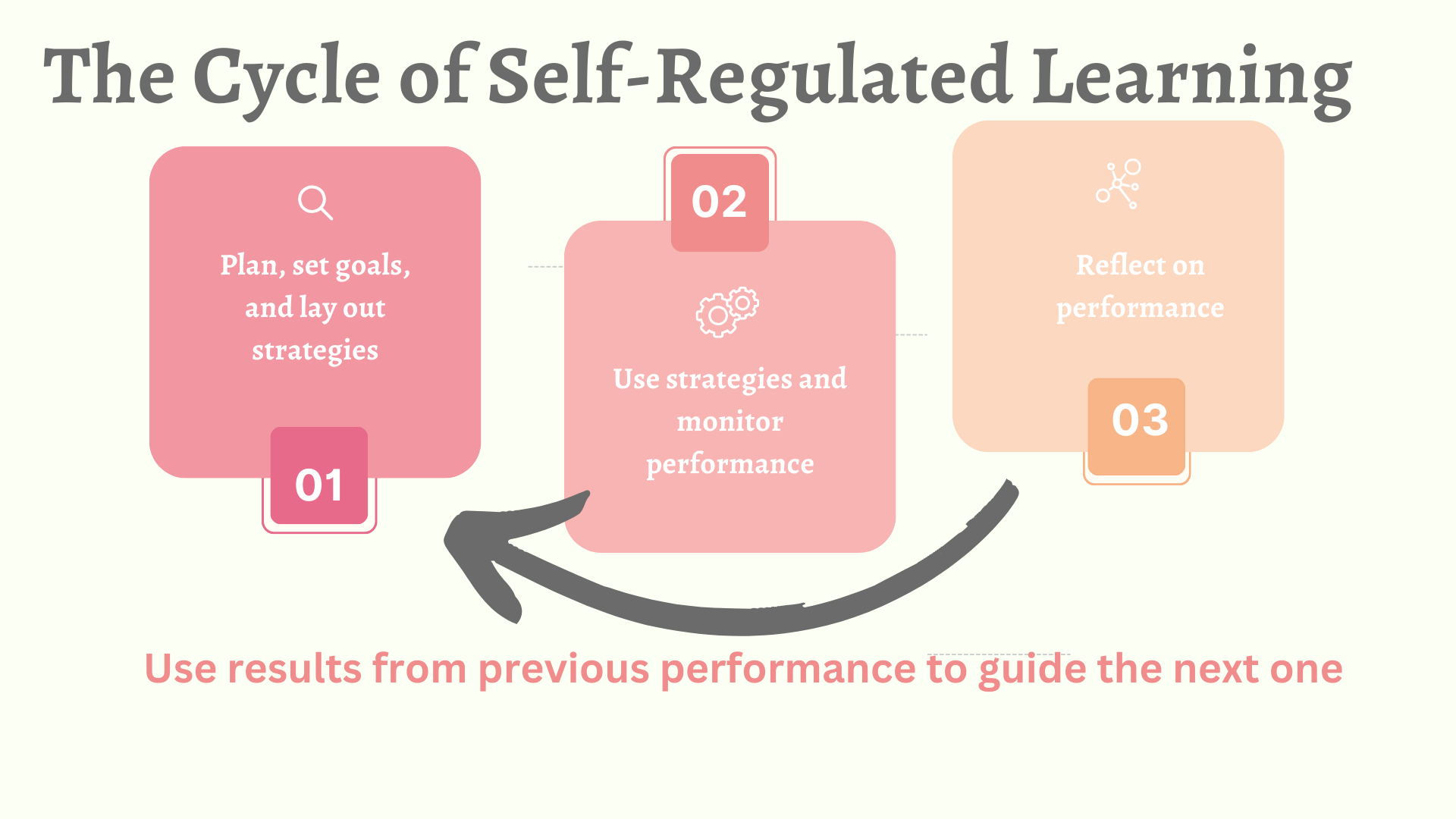
Student agency also means helping learners develop the self-regulation skills necessary for independence. Goal-setting, time management, self-assessment, and help-seeking behaviors all require explicit instruction and practice, particularly for students whose home environments may not naturally cultivate these capacities.
Embracing the Journey Forward
Transforming curriculum design represents both tremendous opportunity and significant challenge. The obstacles are real—entrenched systems, resource limitations, competing priorities, and the inherent difficulty of changing complex organizations. Yet the stakes are too high to accept the status quo.
Every student deserves educational experiences that recognize their unique potential, cultivate their diverse talents, and prepare them for futures of purpose and possibility. Next-generation curriculum design offers pathways toward this vision, not through magic solutions but through sustained commitment to continuous improvement.
The schools and systems embracing this work are discovering that transformation, while difficult, generates energy and renewed purpose. Educators reconnect with why they entered the profession, students become more engaged, and communities see renewed hope in education’s potential to create opportunity.
The power of tomorrow lies not in predicting specific futures but in developing adaptive capacities that enable success across multiple possible scenarios. By reimagining curriculum design around deeper learning, personalization, and real-world relevance, we prepare students not just to survive future challenges but to thrive as they shape the world they’ll inherit.
This work cannot wait. Every day students spend in outdated systems represents missed opportunities for growth and development. The future is being built today, in classrooms and communities worldwide, by educators brave enough to question tradition and innovative enough to create better alternatives. Together, we can unleash the power of tomorrow through curriculum design that truly serves the next generation.