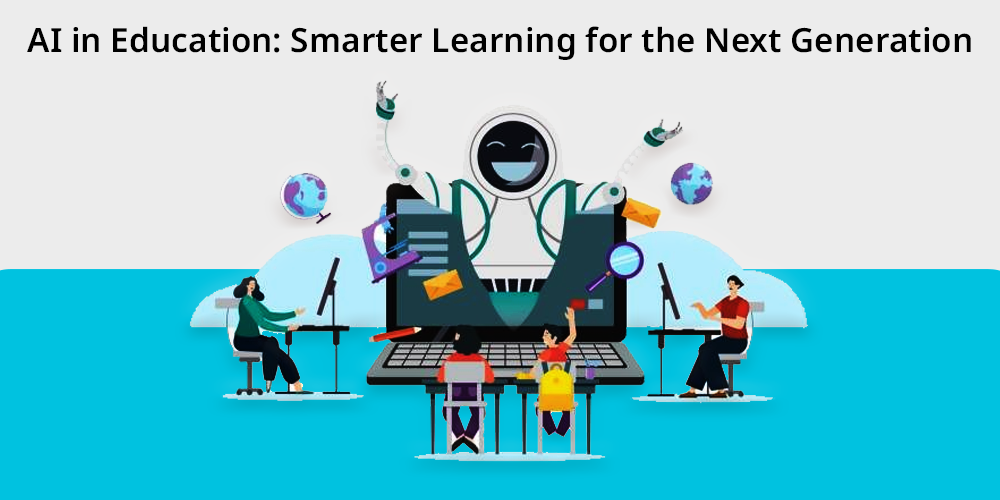
Artificial intelligence is reshaping education at an unprecedented pace, transforming how we teach, learn, and prepare students for an increasingly digital future. ✨

The integration of AI into educational curricula represents more than just a technological upgrade—it’s a fundamental reimagining of what learning can be. As we stand at the crossroads of traditional pedagogy and innovative digital solutions, educators, administrators, and policymakers face the crucial challenge of harnessing AI’s potential while maintaining the human elements that make education truly transformative. This evolution isn’t about replacing teachers with machines; it’s about empowering educators with tools that can personalize learning experiences, identify knowledge gaps instantly, and prepare students for careers that don’t yet exist.
The urgency of this transformation cannot be overstated. According to recent research, over 65% of children entering primary school today will eventually work in jobs that currently don’t exist. This reality demands educational systems that are adaptive, forward-thinking, and deeply integrated with the technologies that will define tomorrow’s workplace. AI-integrated curricula offer the framework to make this vision achievable.
🎯 The Foundation: Understanding AI-Integrated Learning Environments
AI-integrated curricula go far beyond simply adding computer science classes to existing programs. They represent a holistic approach where artificial intelligence serves as both a subject of study and a tool for enhanced learning across all disciplines. This dual role creates educational ecosystems where technology amplifies human potential rather than replacing it.
At its core, an AI-integrated curriculum leverages machine learning algorithms to analyze student performance data, identify learning patterns, and adapt content delivery in real-time. Imagine a mathematics lesson that automatically adjusts its difficulty based on a student’s comprehension speed, or a history module that presents information through the lens most aligned with an individual learner’s cognitive preferences.
These systems utilize natural language processing to provide immediate feedback on written assignments, computer vision to assess practical demonstrations, and predictive analytics to flag students who might be struggling before they fall significantly behind. The technology works tirelessly in the background, allowing teachers to focus on what they do best: inspiring, mentoring, and connecting with students on a human level.
Key Components of Effective AI Integration
Successful implementation requires several foundational elements working in harmony. Robust data infrastructure forms the backbone, collecting and processing information about learning outcomes, engagement metrics, and student progress. Privacy-preserving technologies ensure this data serves educational purposes while protecting sensitive student information.
Adaptive learning platforms constitute another critical component, using AI to create personalized learning pathways that respond to individual student needs. These platforms don’t just present different content—they fundamentally alter the learning journey based on each student’s strengths, weaknesses, interests, and goals.
Teacher training programs must evolve alongside these technologies. Educators need professional development that goes beyond basic tech literacy to encompass AI pedagogy, data interpretation, and the ethical considerations of algorithm-assisted education. The most successful implementations treat teachers as partners in AI integration, not passive recipients of new tools.
🚀 Transforming Subject Areas Through Intelligent Integration
The impact of AI-integrated curricula varies across disciplines, but its potential extends to every corner of education. In STEM fields, AI tutoring systems provide unlimited practice opportunities with immediate feedback, allowing students to master complex concepts at their own pace. These systems can simulate laboratory experiments too dangerous or expensive to conduct physically, democratizing access to high-quality science education.
Language arts and humanities benefit equally from AI integration. Natural language processing tools help students develop writing skills through sophisticated grammar and style analysis that goes beyond simple spell-checking. AI-powered translation services break down language barriers, enabling students to engage with primary sources from cultures around the world. Literary analysis tools can identify themes, symbolism, and narrative structures, helping students develop deeper critical thinking skills.
In social studies and civics education, AI enables immersive simulations where students navigate historical scenarios or contemporary policy challenges. These experiences develop decision-making skills and empathy by allowing learners to explore consequences of different choices in safe, controlled environments. Data visualization tools powered by AI help students understand complex social, economic, and political patterns that would be impossible to grasp through traditional textbook learning.
Creative Arts in the Age of AI
Perhaps surprisingly, creative disciplines showcase some of the most exciting applications of AI-integrated learning. Music composition software uses machine learning to teach music theory through interactive creation, allowing students to experiment with different styles and receive instant feedback on harmonic structure and melodic development. Visual arts programs employ computer vision to analyze artistic techniques, helping students understand how masters achieved particular effects and apply those lessons to their own work.
These tools don’t diminish creativity—they amplify it by removing technical barriers and expanding the palette of possibilities. Students can focus on developing their artistic voice while AI handles the mechanical aspects of production, much as word processors freed writers from the constraints of typewriters.
💡 Personalization: The Heart of AI-Enhanced Learning
The true power of AI-integrated curricula lies in their ability to personalize education at a scale previously unimaginable. Traditional classroom instruction, constrained by time and the teacher-to-student ratio, necessarily follows a one-size-fits-all approach. Even the most dedicated educators struggle to meet the unique needs of 25 or 30 students simultaneously.
AI changes this calculus entirely. Adaptive learning systems continuously assess each student’s understanding, adjusting content presentation, pacing, and assessment methods in real-time. A student who excels in visual-spatial reasoning might receive geometry concepts through interactive 3D models, while a peer with strong linguistic intelligence encounters the same material through narrative explanations and written problems.
This personalization extends beyond learning styles to encompass interests, cultural backgrounds, and career aspirations. An AI-integrated history curriculum might present World War II through the lens of technological innovation for a student interested in engineering, while offering the same content through social movement analysis for a peer passionate about justice and activism. Both students master the required content, but through pathways that resonate with their individual motivations.
Data-Driven Insights for Continuous Improvement
The personalization capabilities of AI generate unprecedented amounts of data about what works in education. Aggregated and anonymized learning analytics reveal patterns that can inform curriculum design, teaching strategies, and resource allocation. Educators gain insights into which explanations resonate most effectively, which practice problems best reinforce concepts, and where students commonly encounter difficulties.
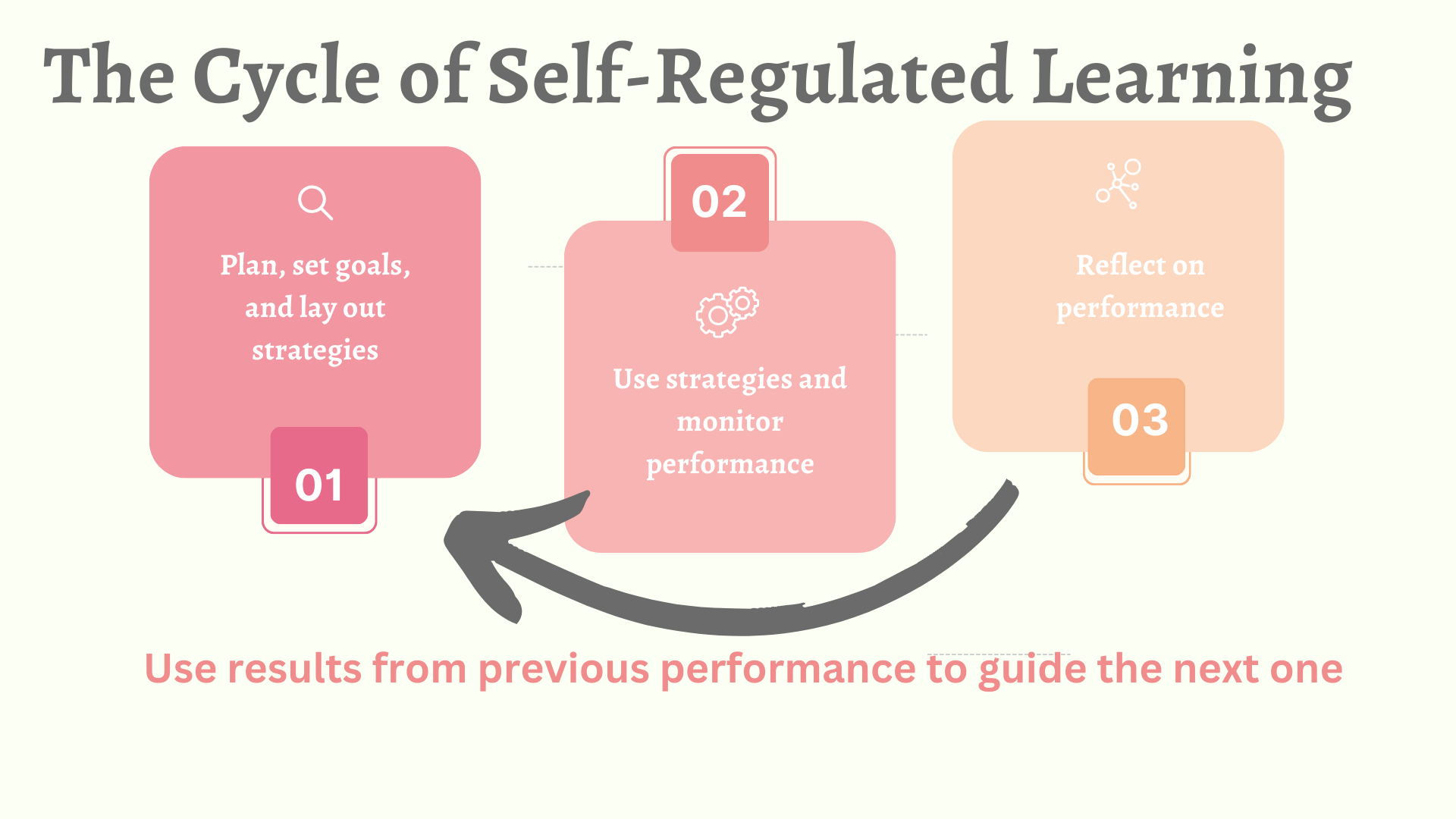
This feedback loop creates a continuously improving educational ecosystem. Unlike static textbooks that remain unchanged for years, AI-integrated curricula evolve based on actual learning outcomes. Ineffective approaches are identified and refined, while successful strategies are reinforced and expanded. The result is an educational system that becomes more effective with each cohort of students.
🌍 Equity and Access: AI as the Great Equalizer
One of the most compelling arguments for AI-integrated curricula is their potential to democratize access to high-quality education. In traditional systems, students in well-funded schools with experienced teachers have significant advantages over peers in under-resourced communities. AI can help level this playing field by providing sophisticated tutoring and personalized instruction to any student with internet access.
Virtual AI tutors don’t tire, don’t have bad days, and maintain infinite patience as students work through difficult concepts. They’re available 24/7, supporting learning outside traditional school hours and accommodating diverse family schedules. For students in rural areas or developing regions where qualified teachers are scarce, AI-integrated learning platforms can provide instruction comparable to the best schools in the world.
Language barriers, long a significant obstacle to educational equity, become more manageable with AI translation and localization tools. Content can be automatically adapted to students’ native languages while they simultaneously develop proficiency in additional languages. This multilingual approach honors students’ cultural identities while expanding their opportunities.
Addressing the Digital Divide
However, realizing AI’s equalizing potential requires confronting the digital divide head-on. Meaningful access goes beyond simply providing devices—it requires reliable internet connectivity, ongoing technical support, and digital literacy training for students, families, and educators. Communities must invest in infrastructure that supports AI-integrated learning, recognizing that bandwidth and hardware are prerequisites for educational equity in the 21st century.
Policymakers play a crucial role in ensuring that the benefits of AI-integrated curricula reach all students, not just those in privileged circumstances. Funding models must account for the full cost of implementation, including professional development, technical infrastructure, and ongoing system maintenance. Without intentional efforts to promote equitable access, AI risks exacerbating existing educational inequalities rather than alleviating them.
🛡️ Navigating Ethical Considerations and Privacy Concerns
The integration of AI into education raises significant ethical questions that educators, developers, and policymakers must address proactively. Data privacy stands as perhaps the most pressing concern. AI systems require substantial data to function effectively, but this data often includes sensitive information about students’ academic performance, learning challenges, and behavioral patterns.
Robust data governance frameworks are essential. Schools must implement clear policies about what data is collected, how it’s used, who can access it, and how long it’s retained. Parents and students deserve transparency about the AI systems affecting their education, including the right to understand how algorithms make decisions and the ability to contest outcomes they believe are unfair or inaccurate.
Algorithmic bias presents another critical challenge. AI systems learn from historical data, which may reflect and perpetuate existing societal biases. If training data shows patterns of certain demographic groups underperforming in particular subjects, AI might inappropriately lower expectations or limit opportunities for students from those backgrounds. Developers must actively work to identify and mitigate these biases, regularly auditing systems for fairness across all student populations.
Maintaining Human Agency in AI-Enhanced Education
As AI systems become more sophisticated, maintaining appropriate human oversight becomes increasingly important. Algorithms should inform educational decisions, not make them autonomously. Teachers must retain final authority over grades, advancement, and instructional strategies, using AI insights as valuable input rather than absolute directives.
Students, too, need agency in their AI-enhanced learning experiences. While personalization offers tremendous benefits, students should have some control over their learning pathways and the ability to opt out of certain data collection practices. Education should empower young people to become thoughtful, critical users of technology, not passive recipients of algorithmic recommendations.
🎓 Preparing Educators for the AI-Integrated Classroom
The success of AI-integrated curricula ultimately depends on teachers who understand both the technology’s capabilities and its limitations. Professional development must go beyond technical training to address pedagogical shifts required in AI-enhanced environments. Teachers need to learn how to interpret learning analytics, integrate AI recommendations into lesson planning, and balance technological tools with traditional teaching methods.
Effective training programs treat teachers as educational experts who bring irreplaceable human judgment to the learning process. AI doesn’t diminish the importance of teaching—it elevates it by handling routine tasks and freeing educators to focus on higher-order instructional activities. Teachers become learning architects, designing experiences that leverage AI’s capabilities while providing the mentorship, inspiration, and emotional support that only humans can offer.
Ongoing support systems are crucial as educators navigate this transition. Professional learning communities where teachers share experiences, troubleshoot challenges, and exchange best practices help build collective expertise. Instructional coaches with deep knowledge of AI integration can provide personalized guidance, much as AI systems support student learning.
🔮 The Road Ahead: Building Tomorrow’s Educational Ecosystem
The integration of AI into educational curricula isn’t a destination but an ongoing journey. As technology continues advancing at breakneck speed, educational systems must remain adaptable, continuously evaluating and refining their approaches. What works today may be obsolete tomorrow, requiring institutional agility and a commitment to innovation.
Future developments promise even more transformative possibilities. Virtual and augmented reality powered by AI will create immersive learning environments where students experience historical events, explore molecular structures at nanoscale, or practice complex procedures in risk-free simulations. Emotion AI might help systems respond not just to what students know but how they feel, providing encouragement during frustration or additional challenge when boredom sets in.
Brain-computer interfaces, though still largely experimental, could eventually enable direct neural engagement with educational content, fundamentally altering how we understand learning itself. While such technologies raise profound philosophical and ethical questions, they underscore the importance of building flexible educational frameworks that can accommodate rapid technological change.
Cultivating Future-Ready Learners
Beyond preparing students to use AI, next-generation education must develop the uniquely human capabilities that will remain valuable regardless of technological advancement. Critical thinking, creativity, emotional intelligence, ethical reasoning, and collaborative problem-solving become even more important in AI-saturated environments. Students need to understand not just how to use AI tools but when to use them, when to question their outputs, and when human judgment should supersede algorithmic recommendations.
AI literacy must become a core component of curricula at all levels, ensuring students understand the basic principles of machine learning, recognize AI’s limitations, and appreciate its societal implications. Tomorrow’s citizens will live in worlds increasingly shaped by artificial intelligence—their education must prepare them to be informed participants in decisions about how that technology develops and deploys.
✨ Embracing the Transformation With Intention and Purpose
The integration of AI into educational curricula represents one of the most significant opportunities in the history of learning. Done thoughtfully, it promises more personalized, effective, and equitable education that prepares students for futures we can barely imagine. It offers teachers powerful tools to amplify their impact and understand their students more deeply. It creates pathways for lifelong learning that adapt as individuals grow and their needs change.
However, realizing this potential requires more than simply purchasing technology and hoping for the best. It demands strategic planning, substantial investment, ongoing professional development, and constant attention to ethical considerations. It requires viewing AI as a means to enhance human flourishing, not replace human connection. Most importantly, it requires maintaining focus on education’s fundamental purpose: helping every student discover and develop their unique potential.
The schools and educational systems that thrive in coming decades will be those that embrace AI integration not as a technical project but as a comprehensive transformation of teaching and learning. They’ll balance innovation with wisdom, leveraging cutting-edge tools while preserving timeless educational values. They’ll ensure that technology serves human purposes, not the reverse.
As we master tomorrow by unleashing AI-integrated curricula today, we’re not just preparing students for the future—we’re empowering them to create it. The next generation will inherit challenges we’ve barely begun to understand and opportunities we can’t yet imagine. Our responsibility is giving them educational experiences that develop both the technical competencies and human wisdom they’ll need to navigate that future successfully. With intentionality, equity, and a commitment to continuous improvement, AI-integrated education can help us meet that responsibility and build learning ecosystems worthy of our students’ potential. 🌟