Education is no longer a one-size-fits-all experience. Adaptive learning algorithms are transforming how we acquire knowledge, making personalized education accessible to everyone.

🎯 The Dawn of Intelligent Learning Systems
Traditional education has operated on the premise that all students learn at the same pace and through identical methods. This approach has left countless learners frustrated, bored, or struggling to keep up. The advent of adaptive algorithms represents a paradigm shift in educational technology, offering each learner a customized path that responds to their unique strengths, weaknesses, and learning preferences.
Adaptive learning technology uses sophisticated algorithms to analyze student performance in real-time, adjusting content difficulty, presentation style, and pacing accordingly. This dynamic approach ensures that learners remain in what educational psychologists call the “zone of proximal development”—that sweet spot where material is challenging enough to promote growth but not so difficult as to cause frustration.
The impact of this personalized approach extends far beyond simple convenience. Studies have shown that students using adaptive learning platforms demonstrate significantly improved retention rates, higher engagement levels, and better overall academic performance compared to traditional learning methods.
Understanding How Adaptive Algorithms Actually Work
At the core of adaptive learning systems lies a complex interplay of data collection, analysis, and content delivery. These algorithms don’t simply randomize questions or offer predetermined learning paths. Instead, they create a sophisticated model of each learner’s cognitive profile.
When you begin using an adaptive learning platform, the system starts gathering data points about your interactions. How quickly do you answer questions? Which types of problems cause you to hesitate? Do you prefer visual explanations or text-based instruction? What time of day are you most productive? All these variables feed into the algorithm’s understanding of your learning profile.
The Three Pillars of Adaptive Technology
Adaptive learning systems typically rely on three fundamental components that work in harmony to create personalized experiences:
- Data Analytics Engine: Continuously collects and processes information about learner behavior, performance patterns, and engagement metrics
- Content Recommendation System: Determines which materials, exercises, and resources best match the learner’s current needs and future goals
- Feedback Mechanism: Provides immediate, personalized responses that guide learners toward understanding rather than simply marking answers right or wrong
These systems employ machine learning techniques that become more accurate over time. The more you interact with the platform, the better it understands your learning patterns and the more precisely it can tailor your educational experience.
📚 Real-World Applications Transforming Education Today
The theoretical advantages of adaptive learning translate into tangible benefits across numerous educational contexts. From K-12 classrooms to corporate training programs, these technologies are revolutionizing how people learn.
In mathematics education, adaptive platforms have proven particularly effective. Students who struggle with fractions might receive additional practice problems with visual representations, while those who grasp concepts quickly move on to more complex applications. The system doesn’t just adjust difficulty—it changes the entire instructional approach based on individual needs.
Language learning represents another domain where adaptive algorithms excel. Apps like Duolingo have popularized this approach, using spaced repetition algorithms that determine the optimal time to review vocabulary based on your forgetting curve. The system knows when you’re about to forget a word and presents it for review at precisely the right moment.
Professional certification and skill development programs have also embraced adaptive learning. These platforms help working professionals prepare for exams more efficiently by focusing study time on weak areas while minimizing redundant practice in already-mastered topics.
Breaking Down the Barriers to Effective Learning
One of the most compelling advantages of adaptive learning technology is its ability to address common obstacles that plague traditional education. Students who fall behind often experience a snowball effect where gaps in foundational knowledge make subsequent material incomprehensible. Adaptive systems identify these gaps immediately and provide remediation before they compound.
Similarly, advanced learners who finish assignments quickly often waste time waiting for classmates to catch up. Adaptive platforms eliminate this inefficiency by continuously challenging these students with appropriately difficult material, keeping them engaged and promoting continued growth.
The Neuroscience Behind Personalized Learning Success
The effectiveness of adaptive learning isn’t just about convenience—it’s rooted in fundamental principles of cognitive science and neuroscience. Research into how the brain processes and retains information reveals why personalized pacing and content delivery produce superior results.
The concept of cognitive load theory explains that our working memory has limited capacity. When instructional material is too complex or presented too quickly, cognitive overload occurs, and learning suffers. Adaptive algorithms naturally regulate cognitive load by adjusting content complexity to match the learner’s current capacity.
Neuroplasticity—the brain’s ability to form new neural connections—occurs most effectively when learners experience success mixed with appropriate challenges. Adaptive systems maintain this balance automatically, ensuring that each learning session strengthens neural pathways without overwhelming the learner.
Emotional Intelligence in Algorithm Design
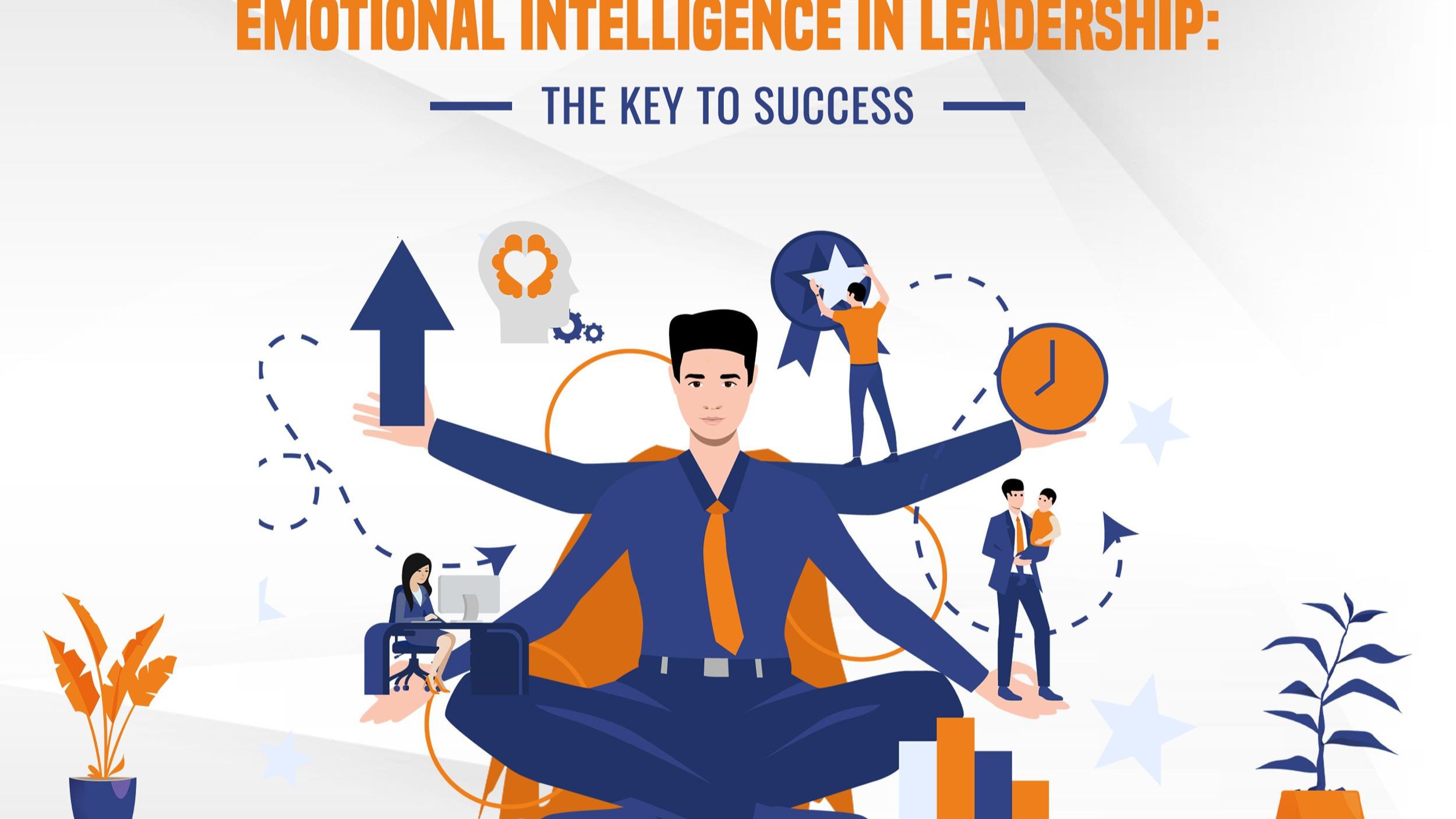
Modern adaptive learning systems go beyond purely cognitive considerations. They’re beginning to incorporate emotional intelligence, recognizing that motivation, confidence, and emotional state significantly impact learning outcomes.
Some platforms track indicators of frustration, such as repeated incorrect answers or extended periods of inactivity. When these signs appear, the system might offer encouragement, simplify the current task, or suggest a brief break. This emotional responsiveness creates a more humane learning experience that acknowledges the whole person, not just their cognitive performance.
🚀 Implementing Adaptive Learning in Your Daily Routine
Adopting adaptive learning technology doesn’t require a complete overhaul of your educational approach. Strategic integration can amplify your existing study methods and accelerate progress toward your goals.
Begin by identifying specific learning objectives where adaptive platforms might offer the greatest benefit. Are you struggling with a particular subject? Preparing for a standardized test? Learning a new professional skill? Different adaptive platforms specialize in different domains, so matching your needs to the right tool is essential.
Khan Academy offers comprehensive adaptive learning experiences across numerous subjects, particularly excelling in mathematics and science education. The platform’s mastery-based progression ensures you truly understand each concept before advancing.
Creating Your Personalized Learning Strategy
Maximize the benefits of adaptive technology by combining it with proven learning strategies. The algorithms work best when you engage consistently and honestly with the material. Gaming the system by looking up answers defeats the purpose and prevents the algorithm from accurately assessing your knowledge.
Set realistic goals and allow the adaptive system to guide your pacing. Resist the temptation to rush through material. The algorithm’s recommendations are based on data indicating optimal learning sequences—trust the process even when it feels like you’re moving slowly through certain topics.
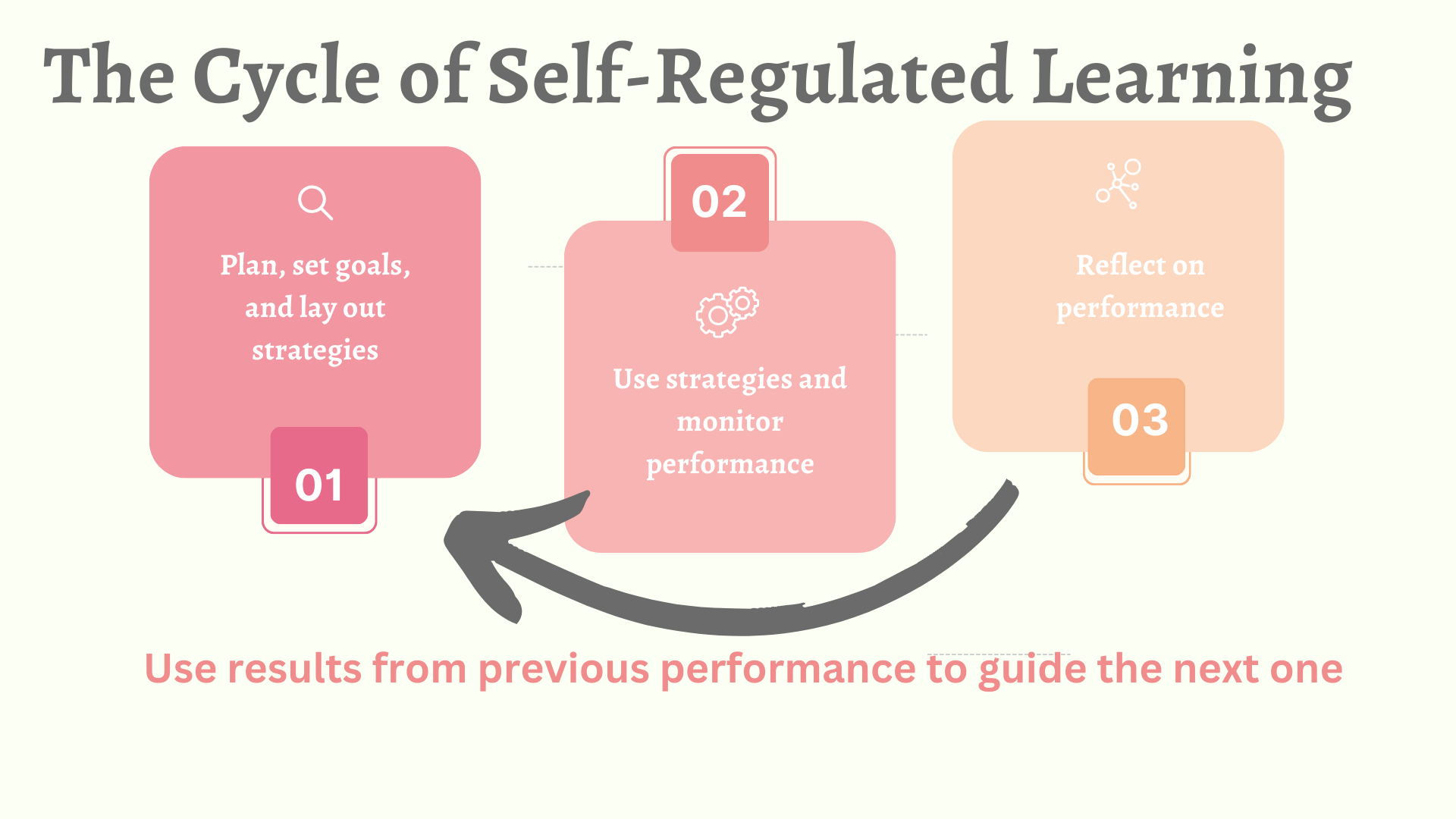
Regular reflection enhances the adaptive learning experience. Periodically review your progress dashboards and analytics. Most platforms provide detailed insights into your learning patterns, strengths, and areas needing attention. This metacognitive awareness complements the algorithm’s work, helping you become a more self-directed learner.
Addressing Common Concerns and Misconceptions
Despite the proven benefits, some educators and learners express reservations about adaptive learning technology. Understanding these concerns helps us use these tools more effectively and set appropriate expectations.
One common worry is that algorithms might create “filter bubbles” that limit learners’ exposure to diverse perspectives and challenging material. Quality adaptive systems address this by including varied content types and occasionally introducing material outside the learner’s comfort zone to promote intellectual growth.
Privacy concerns are valid and important. Adaptive systems collect substantial data about learning behaviors. Reputable platforms maintain transparent privacy policies and employ robust security measures. Before using any adaptive learning platform, review their data practices and ensure they align with your privacy expectations.
The Irreplaceable Human Element
Adaptive algorithms complement rather than replace human instruction. The most effective learning environments combine technological personalization with human mentorship, discussion, and collaboration. Teachers using adaptive platforms gain valuable insights into student understanding, freeing them to focus on higher-order thinking skills, creative problem-solving, and social-emotional development.
The relationship between learner and instructor remains crucial. Algorithms excel at content delivery and skill practice but cannot replicate the inspiration, empathy, and complex guidance that human teachers provide. The future of education lies in thoughtful integration of both elements.
🌟 The Future Landscape of Adaptive Education Technology
Emerging technologies promise to make adaptive learning even more sophisticated and effective. Artificial intelligence advances will enable systems to understand not just what learners know but how they think, adapting not only content but entire pedagogical approaches.
Virtual and augmented reality integration will allow adaptive systems to create immersive learning experiences that adjust in real-time. Imagine exploring ancient civilizations where the complexity of historical information adapts to your knowledge level, or conducting virtual chemistry experiments that become more sophisticated as your understanding deepens.
Natural language processing improvements will make conversational learning interfaces more natural and responsive. Instead of clicking through predetermined options, learners will discuss concepts with AI tutors that understand context, detect misconceptions, and provide explanations tailored to individual learning styles.
Democratizing Access to Quality Education
Perhaps the most significant promise of adaptive learning technology lies in its potential to democratize education. Geographic location, socioeconomic status, and institutional resources have traditionally determined educational opportunities. Adaptive platforms can deliver world-class, personalized instruction to anyone with internet access.
This accessibility extends beyond formal education. Lifelong learning becomes practical when adaptive systems help professionals acquire new skills efficiently, retirees explore intellectual interests at their own pace, and curious minds of all ages pursue knowledge without traditional barriers.
Making the Transition: Your First Steps Forward
Embracing adaptive learning doesn’t require technical expertise or substantial financial investment. Many excellent platforms offer free versions with powerful adaptive capabilities. Start small, experiment with different tools, and gradually incorporate those that resonate with your learning style and goals.
Remember that adaptation works both ways—you’ll also adapt to working with these systems. Initial assessments might feel tedious, but they’re essential for the algorithm to understand your starting point. Early recommendations might not feel perfect, but the system refines its understanding with each interaction.
Track your progress and celebrate improvements. Adaptive systems provide detailed analytics that make growth visible. This concrete evidence of advancement boosts motivation and reinforces the value of your learning efforts.
🎓 Transforming Learning from Obligation to Opportunity
The ultimate promise of adaptive learning technology extends beyond efficiency and effectiveness. These systems have the potential to transform our fundamental relationship with education, shifting it from a mandatory process to an engaging, lifelong journey of discovery.
When learning feels personalized, responsive, and appropriately challenging, it becomes intrinsically rewarding rather than externally imposed. This shift in perspective can reignite curiosity in those who found traditional education frustrating and sustain motivation for those pursuing ambitious learning goals.
As adaptive algorithms become more sophisticated and accessible, personalized education truly arrives at our fingertips. The question isn’t whether to embrace this technology but how to integrate it most effectively into our learning lives. The revolution in personalized education is happening now, and the opportunity to benefit from it is available to anyone willing to take that first step forward.
Your learning journey is unique, and adaptive technology finally provides tools worthy of that uniqueness. Whether you’re a student struggling with traditional methods, a professional seeking new skills, or simply someone passionate about learning, adaptive algorithms offer a path to more effective, engaging, and personally meaningful education. The future of learning is adaptive, personalized, and more accessible than ever before.