Virtual reality is reshaping how we learn, offering immersive experiences that transform traditional classrooms into boundless digital environments where education knows no limits.

🚀 The Dawn of Immersive Learning Experiences
The educational landscape is undergoing a profound transformation. Virtual reality technology has evolved from a novelty into a powerful pedagogical tool that promises to revolutionize how students engage with knowledge. Unlike passive learning methods that have dominated classrooms for centuries, VR creates active, experiential environments where learners don’t just read about concepts—they live them.
Schools and universities worldwide are beginning to recognize that traditional teaching methods struggle to captivate digitally native students. Virtual reality bridges this gap by speaking the language of modern learners while delivering educational content in ways that were previously impossible. From exploring the human cardiovascular system from inside a blood vessel to walking through ancient civilizations, VR dissolves the boundaries between imagination and reality.
The statistics speak volumes about this shift. Research indicates that students retain approximately 10% of what they read, 20% of what they hear, but an impressive 90% of what they do or simulate. Virtual reality capitalizes on this principle by transforming every lesson into an interactive experience that engages multiple senses simultaneously, creating neural pathways that enhance long-term retention.
📚 Breaking Physical Barriers in Education
Geography has always been a limiting factor in education. Students in remote areas lack access to specialized laboratories, cultural institutions, and expert instructors. Virtual reality democratizes learning by eliminating these physical constraints entirely. A student in rural India can now attend the same virtual chemistry lab as someone in Silicon Valley, using the same sophisticated equipment and receiving identical instruction quality.
This democratization extends beyond geographic boundaries. Students with physical disabilities that might prevent participation in certain activities can now engage fully through VR experiences. A student using a wheelchair can climb Mount Everest, explore coral reefs, or conduct dangerous chemistry experiments—all within safe, accessible virtual environments that adapt to their needs.
The cost implications are equally revolutionary. Rather than investing millions in physical laboratory equipment that becomes obsolete or requires expensive maintenance, institutions can provide cutting-edge virtual facilities that update seamlessly and scale infinitely. A single VR headset can access thousands of specialized learning environments, from particle accelerators to archaeological dig sites.
🧠 Neuroscience Meets Technology: How VR Enhances Learning
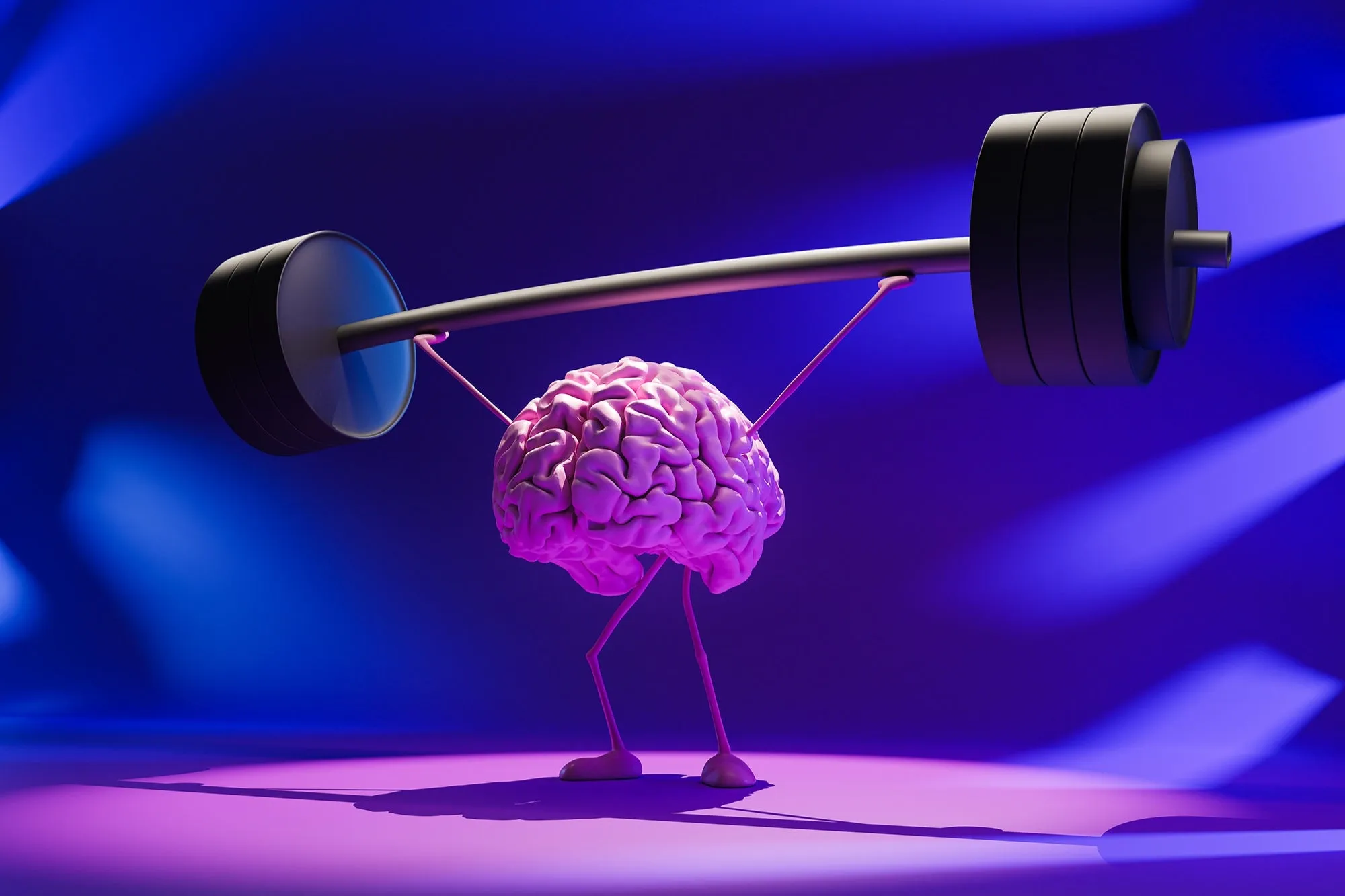
The effectiveness of virtual reality in education isn’t just anecdotal—it’s grounded in neuroscience. When learners engage with VR environments, their brains process the experience similarly to real-world interactions. This phenomenon, known as “presence,” triggers the same neural mechanisms involved in actual learning experiences, making knowledge acquisition more natural and effective.
Memory formation relies heavily on emotional engagement and contextual anchoring. VR excels at both. When students witness the signing of the Declaration of Independence as virtual observers or experience the devastating effects of climate change firsthand, the emotional impact creates stronger memory traces than any textbook description could achieve.
Furthermore, VR addresses different learning styles simultaneously. Visual learners benefit from rich graphics, kinesthetic learners engage through interaction and movement, and auditory learners receive spatial audio cues. This multi-modal approach means that VR doesn’t just favor certain learning preferences—it accommodates them all within a single experience.
The Role of Spatial Memory
Our brains evolved to remember locations and spaces with remarkable accuracy. Virtual reality leverages this innate capability by embedding information within spatial contexts. Students learning anatomy can mentally navigate through organ systems, using spatial relationships to understand connections between different body parts. This method of memory palace learning has been used for millennia, but VR makes it accessible for every subject.
🎯 Practical Applications Across Disciplines
Virtual reality’s versatility means it enhances learning across virtually every academic discipline. In medical education, students practice complex surgical procedures without risk to patients. Architecture students walk through buildings they’ve designed before a single brick is laid. History comes alive as learners witness pivotal moments firsthand rather than reading about them in dated textbooks.
Science education particularly benefits from VR implementation. Abstract concepts like molecular structures, atomic interactions, or astronomical distances become tangible when students can manipulate molecules with their hands or stand on Mars looking back at Earth. These experiences transform frustrating abstractions into intuitive understanding.
Language learning takes on new dimensions in virtual reality. Instead of memorizing vocabulary lists in isolation, students navigate virtual Tokyo, Paris, or Madrid, practicing conversations with AI-powered characters in contextually appropriate situations. This immersion accelerates language acquisition by mimicking how humans naturally learn their first language—through contextual usage and meaningful interaction.
Vocational Training Revolution
Technical and vocational education represents perhaps VR’s most immediate impact. Training pilots, electricians, surgeons, or heavy machinery operators traditionally requires expensive equipment and carries inherent risks. Virtual reality provides unlimited practice opportunities in risk-free environments where mistakes become learning opportunities rather than catastrophes.
- Medical students can repeat challenging procedures hundreds of times before touching real patients
- Aviation trainees experience emergency scenarios too dangerous to practice in actual aircraft
- Industrial workers learn safety protocols by experiencing virtual accidents and their consequences
- Customer service professionals practice handling difficult situations with AI-powered virtual customers
🌍 Global Collaboration in Virtual Classrooms
Virtual reality transcends not only physical distance but also creates opportunities for collaboration that were previously unimaginable. Students from different continents can meet in shared virtual spaces to work on projects together, combining diverse perspectives and cultural insights. A climate science project might include students from Bangladesh experiencing rising sea levels, Californians dealing with wildfires, and Arctic residents witnessing glacial melt—all collaborating on solutions informed by their lived experiences.
These virtual classrooms eliminate scheduling conflicts associated with time zones. Recorded VR experiences allow asynchronous learning where students engage with content at optimal times while still feeling present in shared spaces. The social presence maintained in VR environments preserves the collaborative benefits of physical classrooms while adding flexibility that traditional online learning lacks.
Expert instructors become globally accessible. A single lecture by a renowned professor can be experienced by millions of students simultaneously, each feeling as though the instructor is speaking directly to them. The scalability doesn’t diminish quality—it multiplies impact.
💡 Overcoming Implementation Challenges
Despite its transformative potential, widespread VR adoption in education faces legitimate obstacles. Cost remains a consideration, though prices continue declining as technology matures. A quality VR headset that cost thousands just five years ago now retails for a few hundred dollars, and this trend shows no signs of reversing.
Content creation represents another challenge. Developing high-quality educational VR experiences requires collaboration between educators, technologists, and content creators. However, increasingly intuitive authoring tools are empowering teachers to create their own VR content without extensive technical knowledge. This democratization of content creation will accelerate as platforms mature.
Technical concerns about motion sickness and eye strain have largely been addressed through improved hardware with higher refresh rates and better ergonomics. Most users can now engage with VR for extended periods without discomfort, especially with proper breaks and well-designed experiences.
Infrastructure and Training Considerations
Schools must invest not only in hardware but also in teacher training. Educators need support understanding how to integrate VR into curricula effectively rather than treating it as a novelty. Professional development programs focusing on immersive pedagogy are emerging to address this gap, helping teachers become facilitators of VR-enhanced learning rather than mere operators of technology.
📊 Measuring Success: Data-Driven Educational Insights
Virtual reality offers unprecedented opportunities for assessment and analytics. Every interaction within a VR learning environment generates data that reveals how students engage with material. Educators can see exactly where learners struggle, how long they spend on different concepts, and which approaches prove most effective for individual students.
| Traditional Assessment | VR-Enhanced Assessment |
|---|---|
| Periodic testing shows final results | Continuous monitoring reveals learning process |
| Limited insight into individual struggles | Detailed analytics on each student’s journey |
| One-size-fits-all evaluation methods | Adaptive assessments responding to performance |
| Delayed feedback cycles | Immediate, actionable insights for intervention |
This data empowers personalized learning at scale. AI algorithms can analyze performance patterns and automatically adjust difficulty levels, provide supplementary resources, or alert teachers when students need additional support. The result is truly adaptive education that responds to each learner’s unique needs in real-time.
🔮 The Road Ahead: Emerging Trends and Possibilities
We stand at the beginning of the VR education revolution, not its culmination. Emerging technologies will amplify virtual reality’s educational impact exponentially. Haptic feedback systems already in development will add tactile dimensions to virtual experiences, allowing students to feel textures, resistance, and temperature in digital environments.
Brain-computer interfaces, while still in early stages, promise to measure cognitive load and emotional states during VR experiences, enabling even more refined personalization. Imagine a system that detects confusion and automatically provides additional explanation or recognizes mastery and accelerates to more advanced concepts.
Artificial intelligence will populate virtual environments with increasingly sophisticated virtual tutors and classmates, creating rich social learning environments available 24/7. These AI entities won’t replace human teachers but will extend their reach, providing personalized support scaled to meet every student’s needs.
🌐 The Metaverse and Persistent Learning Worlds
The concept of the metaverse—persistent, shared virtual worlds—presents fascinating educational possibilities. Imagine universities existing entirely in virtual space, where students from anywhere can attend, where laboratories never close, and where the campus evolves continuously based on community needs. These environments could preserve historical configurations, allowing students to experience how their institution looked decades ago or to peek into speculative futures.
Persistent virtual worlds enable long-term projects that would be impossible physically. Students could collaborate on building virtual civilizations over semesters, directly experiencing how decisions in urban planning, resource management, or governance play out over time. The lessons learned in these spaces transfer to real-world understanding with unprecedented clarity.
💼 Preparing Students for VR-Enabled Careers
Beyond serving as an educational tool, familiarity with virtual reality prepares students for future careers where VR will be commonplace. Industries from healthcare to manufacturing increasingly rely on virtual and augmented reality for training, collaboration, and operations. Students graduating with VR fluency possess valuable skills that employers actively seek.
More importantly, learning in VR environments cultivates adaptability and technological literacy. As digital transformation accelerates across all sectors, the ability to quickly master new interfaces and work comfortably in virtual spaces becomes as fundamental as traditional literacy. Education through VR doesn’t just teach content—it develops the meta-skills necessary for thriving in an increasingly digital world.
🎓 Reimagining Assessment and Credentials
Virtual reality enables new forms of demonstration-based assessment that surpass traditional testing. Rather than answering multiple-choice questions about historical events, students could navigate complex scenarios requiring application of historical knowledge. Instead of solving equations on paper, learners could manipulate three-dimensional mathematical models to demonstrate understanding.
These authentic assessments provide more meaningful measures of competence while also serving as learning experiences themselves. The line between learning and evaluation blurs productively when assessments become opportunities for growth rather than mere measurement moments.
Digital credentials tied to VR accomplishments offer portable proof of competencies. A medical student’s virtual surgery portfolio demonstrates practical skills more convincingly than grades alone. These verifiable records of actual performance in realistic scenarios could revolutionize how we think about degrees, certifications, and lifelong learning.
🤝 Building Empathy Through Shared Virtual Experiences
Perhaps virtual reality’s most profound educational impact extends beyond academic subjects to social-emotional learning. VR excels at building empathy by allowing users to literally see the world through others’ eyes. Students can experience life with visual impairments, navigate environments as wheelchair users, or understand the daily challenges faced by people in different socioeconomic circumstances.
These perspective-taking experiences create lasting impacts on attitudes and behaviors. Research demonstrates that VR empathy experiences reduce prejudice more effectively than traditional diversity training. When students viscerally understand others’ experiences rather than intellectually acknowledging them, genuine understanding develops.
Environmental education benefits particularly from this empathic dimension. Witnessing coral bleaching underwater or standing in a virtually recreated forest before and after deforestation creates emotional connections to environmental issues that statistics alone cannot achieve. This emotional engagement translates into informed, motivated citizens prepared to address global challenges.
✨ Unleashing Creativity and Innovation
Virtual reality democratizes creation in unprecedented ways. Students can sculpt three-dimensional art, compose spatial music, or design architectural marvels with intuitive gesture-based interfaces. The barrier between imagination and realization shrinks dramatically when digital tools respond naturally to creative impulses.
This creative freedom particularly benefits learners who struggle with traditional expression methods. A student with fine motor difficulties preventing detailed drawing can create intricate visual art in VR. Someone who finds written expression challenging might excel at creating immersive narratives through spatial storytelling.
Project-based learning reaches new heights when students can prototype ideas virtually before committing resources to physical construction. Engineering students test bridge designs under simulated stress, fashion students see garments on virtual models from all angles, and urban planners visualize community responses to proposed developments.
🌟 Transforming Education Into Adventure
Virtual reality transforms education from obligation into adventure. Learning becomes something students eagerly anticipate rather than endure. This motivational shift addresses one of education’s most persistent challenges—engagement. When lessons feel like quests and assessments resemble achievements in engaging experiences, the psychological barriers to learning dissolve.
Gamification elements naturally integrate into VR learning without feeling forced. Progress becomes visible, challenges scale appropriately, and accomplishments receive immediate recognition. These game design principles, applied thoughtfully to educational content, tap into intrinsic motivation that sustains long-term learning commitment.
The sense of agency VR provides—where learners make meaningful choices that affect outcomes—fosters ownership of the learning process. Students become protagonists in their educational journeys rather than passive recipients of information. This transformation from consumer to creator, from observer to participant, fundamentally changes the relationship between learner and knowledge.
🔓 Unlocking Every Student’s Potential
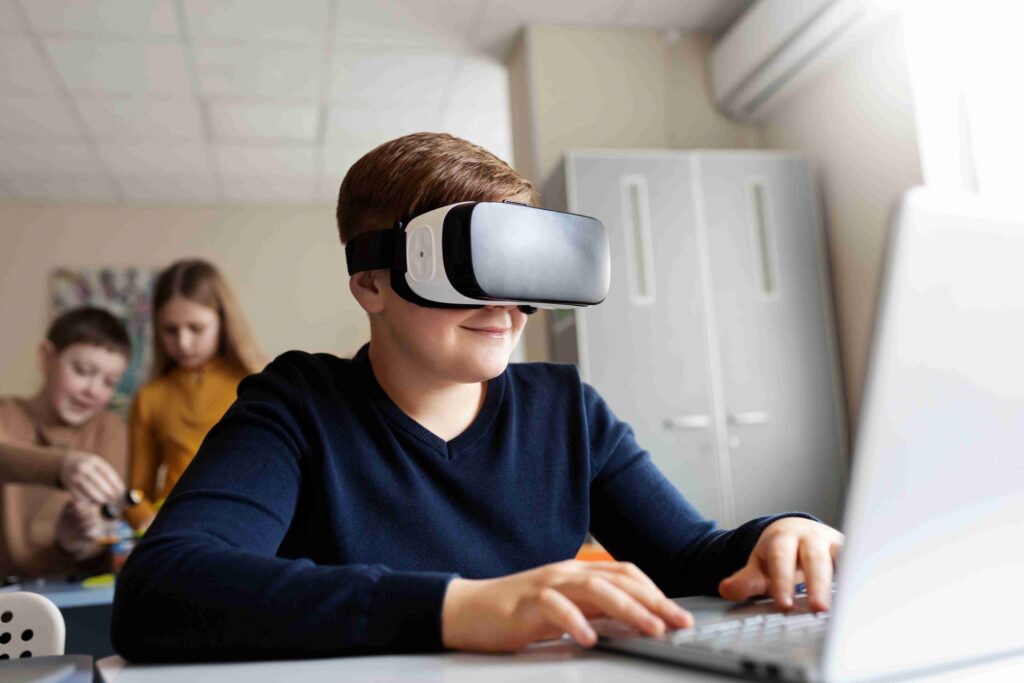
The promise of virtual reality in education ultimately centers on personalization and accessibility. Every student possesses unique strengths, challenges, interests, and learning preferences. Traditional education, constrained by physical and economic realities, struggles to honor this diversity. Virtual reality removes these constraints, enabling truly personalized learning paths that meet students where they are and guide them toward their full potential.
Students who excel can accelerate without waiting for classmates, exploring advanced topics through self-directed virtual expeditions. Those needing additional support receive patient, judgment-free assistance from AI tutors available whenever needed. Learners with specific interests pursue deep dives into niche subjects that traditional curricula cannot accommodate.
This vision of education—infinitely adaptable, universally accessible, deeply engaging, and profoundly effective—moves from aspiration to reality as virtual reality technology matures and proliferates. The transformation won’t happen overnight, and challenges remain, but the trajectory is clear. We stand at the threshold of an educational renaissance where technology finally fulfills its promise not to replace human teaching but to amplify it, extending great educators’ reach while honoring each learner’s uniqueness.
The future of education isn’t about choosing between traditional methods and technological innovation. It’s about thoughtfully integrating the best of both, using virtual reality to create learning experiences that were previously impossible while preserving the human connections and relationships that make education meaningful. When we get this balance right, we truly unlock infinite potential—not just in the technology, but in every student who benefits from it. 🚀