Learning analytics is revolutionizing education by transforming raw data into actionable insights that enhance student outcomes, improve teaching strategies, and optimize institutional performance. 📊

In today’s digital age, educational institutions generate massive amounts of data every single day. From student engagement metrics and assessment scores to attendance patterns and learning management system interactions, this wealth of information holds tremendous potential. However, data alone is meaningless without proper analysis and strategic implementation. Learning analytics bridges this gap by applying sophisticated techniques to extract meaningful patterns and predictions that drive educational excellence.
The power of learning analytics extends far beyond simple grade tracking. It represents a fundamental shift in how we understand learning processes, identify at-risk students, personalize educational experiences, and measure the true impact of pedagogical interventions. As educational technology continues to evolve, institutions that effectively harness data insights position themselves at the forefront of innovation and student success.
🎯 Understanding the Foundation of Learning Analytics
Learning analytics encompasses the measurement, collection, analysis, and reporting of data about learners and their contexts. This multidisciplinary field draws from educational research, data science, psychology, and technology to create comprehensive frameworks for understanding educational processes. The ultimate goal is to optimize learning environments and improve educational outcomes through evidence-based decision making.
The learning analytics cycle typically involves several key stages. First, data collection occurs through various touchpoints including learning management systems, student information systems, library databases, and digital learning tools. Next comes data processing and cleaning to ensure accuracy and consistency. Advanced analytical techniques are then applied to identify patterns, correlations, and trends. Finally, insights are visualized and communicated to stakeholders who can take meaningful action.
What distinguishes learning analytics from traditional educational research is its focus on real-time or near-real-time insights. Rather than waiting for end-of-semester reports, educators can monitor student progress continuously and intervene precisely when support is needed most. This proactive approach fundamentally changes the educational landscape from reactive problem-solving to preventive intervention.
📈 Types of Analytics Transforming Educational Landscapes
Learning analytics can be categorized into four distinct types, each serving unique purposes and providing different value propositions for educational institutions.
Descriptive Analytics: Understanding What Happened
Descriptive analytics examines historical data to understand past events and trends. This foundational level answers questions like “How many students completed the course?” or “What was the average test score?” While seemingly basic, descriptive analytics provides essential context for understanding institutional performance and establishing benchmarks for improvement.
Educational dashboards displaying enrollment statistics, completion rates, and demographic breakdowns exemplify descriptive analytics in action. These visualizations help administrators identify broad patterns and communicate institutional performance to stakeholders effectively.
Diagnostic Analytics: Discovering Why It Happened
Diagnostic analytics digs deeper to uncover the reasons behind observed patterns. By examining correlations and relationships between variables, educators can understand why certain outcomes occurred. For instance, diagnostic analytics might reveal that students who engage with discussion forums more frequently achieve higher grades, or that attendance patterns correlate strongly with final exam performance.
This level of analysis enables institutions to move beyond surface-level observations and develop targeted interventions based on root cause understanding. Rather than simply noting that a course has high failure rates, diagnostic analytics helps identify the specific factors contributing to student struggles.
Predictive Analytics: Forecasting What Will Happen
Predictive analytics uses historical data, statistical algorithms, and machine learning techniques to forecast future outcomes. This powerful approach can identify students at risk of failing, dropping out, or disengaging before problems become critical. Early warning systems built on predictive models enable timely interventions that can significantly improve student retention and success rates.
Beyond individual student predictions, predictive analytics can forecast enrollment trends, resource needs, and program demand. This forward-looking capability supports strategic planning and resource allocation at institutional levels.
Prescriptive Analytics: Recommending What Should Be Done
The most sophisticated form of learning analytics, prescriptive analytics, goes beyond prediction to recommend specific actions. Using optimization algorithms and simulation techniques, prescriptive analytics suggests the best course of action for achieving desired outcomes. This might include personalized learning path recommendations, optimal resource allocation strategies, or customized intervention approaches for different student profiles.
Adaptive learning systems that automatically adjust content difficulty and presentation based on individual performance exemplify prescriptive analytics in practice. These intelligent systems continuously optimize the learning experience for each student.
💡 Practical Applications Driving Educational Success
The theoretical potential of learning analytics becomes tangible through practical applications that directly impact teaching and learning effectiveness.
Early Warning Systems and Intervention Strategies
One of the most impactful applications of learning analytics involves identifying struggling students before they fail. By monitoring engagement metrics, assessment performance, login frequency, and resource utilization, early warning systems flag students who exhibit risk patterns. Advisors and instructors can then reach out proactively with targeted support services, tutoring recommendations, or academic counseling.
Research consistently demonstrates that timely interventions significantly improve student outcomes. When students receive support at the first signs of struggle rather than after failing an exam, success rates increase dramatically. Learning analytics makes these early interventions scalable across entire institutions.
Personalized Learning Experiences
Learning analytics enables unprecedented personalization in education. By analyzing individual learning patterns, preferences, and performance data, systems can recommend customized learning paths that match each student’s needs, pace, and style. Some students may benefit from video content while others prefer reading; some require more practice problems while others grasp concepts quickly.
Adaptive learning platforms use continuous assessment data to dynamically adjust content presentation, difficulty levels, and supplementary resources. This personalization ensures that students remain appropriately challenged without becoming overwhelmed or bored, optimizing engagement and knowledge retention.
Course Design and Curriculum Optimization
Learning analytics provides instructors with invaluable insights into how students interact with course materials. Heatmap visualizations show which resources receive the most attention, where students spend the most time, and which materials are frequently skipped. This information enables data-driven course design improvements.
If analytics reveal that students consistently struggle with a particular concept or module, instructors can revise explanations, add supplementary materials, or restructure content sequences. Similarly, if certain resources go largely unused, they can be eliminated or repositioned. This iterative improvement process ensures courses evolve based on actual student behavior rather than assumptions.
Assessment Effectiveness and Learning Outcome Measurement
Learning analytics transforms assessment from a simple grading mechanism into a sophisticated diagnostic tool. Item analysis reveals which questions effectively measure learning objectives and which fail to discriminate between different performance levels. This enables continuous assessment improvement and alignment with intended learning outcomes.
Beyond individual assessments, learning analytics helps institutions measure program-level learning outcomes and demonstrate accountability to accreditation bodies. By tracking competency achievement across cohorts and programs, institutions can identify areas of excellence and opportunities for improvement.
🔧 Essential Tools and Technologies
Implementing effective learning analytics requires appropriate technological infrastructure and tools. Modern learning analytics ecosystems typically include several key components working in concert.
Learning Management Systems (LMS) like Canvas, Moodle, and Blackboard serve as primary data sources, capturing student interactions, submission patterns, and engagement metrics. These platforms increasingly include built-in analytics dashboards that provide instructors with immediate insights into student progress.
Student Information Systems (SIS) contribute demographic data, enrollment information, academic history, and administrative records. Integrating SIS data with learning activity data creates comprehensive student profiles that enable more sophisticated analysis.
Specialized learning analytics platforms such as Brightspace Insights, Blackboard Analytics, and open-source solutions like Apache Superset provide advanced analytical capabilities beyond basic LMS reporting. These tools offer predictive modeling, customizable dashboards, and sophisticated visualization options.
Data warehouses and integration platforms consolidate data from multiple sources into unified repositories optimized for analysis. These systems ensure data quality, consistency, and accessibility across the institution.
⚖️ Navigating Privacy, Ethics, and Implementation Challenges
While learning analytics offers tremendous potential, its implementation raises important ethical considerations and practical challenges that institutions must address thoughtfully.
Privacy Protection and Data Security
Educational data contains sensitive personal information that requires robust protection. Institutions must implement strong data security measures, encryption protocols, and access controls to prevent unauthorized disclosure. Compliance with regulations like FERPA (Family Educational Rights and Privacy Act) in the United States and GDPR (General Data Protection Regulation) in Europe is non-negotiable.
Transparency about data collection practices builds trust with students and faculty. Clear policies explaining what data is collected, how it’s used, who has access, and how long it’s retained demonstrate institutional commitment to ethical data stewardship.
Algorithmic Bias and Fairness Concerns
Predictive models can inadvertently perpetuate or amplify existing biases if training data reflects historical inequities. For example, if past admission or success patterns disadvantaged certain demographic groups, algorithms trained on that data may continue discriminatory practices. Regular audits for fairness, diverse development teams, and bias-mitigation techniques are essential for ethical learning analytics.
Human oversight remains crucial. Automated systems should support rather than replace human judgment, particularly in high-stakes decisions affecting student futures. Educators must retain the ability to override algorithmic recommendations when contextual factors warrant different approaches.
Faculty Adoption and Change Management
Successful learning analytics implementation requires faculty buy-in and engagement. Some educators may feel threatened by data-driven approaches or overwhelmed by new technologies. Effective change management strategies include comprehensive training programs, demonstration of clear benefits, involvement of faculty champions, and recognition that analytics enhance rather than replace professional expertise.
Starting with low-stakes applications and demonstrating quick wins builds confidence and momentum. As faculty experience concrete benefits—like identifying struggling students earlier or understanding which teaching strategies work best—resistance typically diminishes.
🚀 Future Trends Shaping Learning Analytics
The field of learning analytics continues evolving rapidly, with several emerging trends poised to expand its capabilities and impact.
Artificial intelligence and machine learning are becoming increasingly sophisticated, enabling more accurate predictions and nuanced personalization. Natural language processing allows analysis of discussion forum posts, essays, and open-ended responses, providing insights into student understanding beyond multiple-choice assessments.
Multimodal learning analytics integrates diverse data sources including eye-tracking, facial expression analysis, gesture recognition, and physiological sensors. While raising additional privacy considerations, these approaches provide unprecedented insights into cognitive and emotional dimensions of learning.
Learning analytics is expanding beyond traditional educational settings into workplace learning, professional development, and lifelong learning contexts. As boundaries between formal and informal learning blur, analytics frameworks are adapting to capture learning wherever it occurs.
Blockchain technology promises to create secure, portable, and verifiable records of learning achievements that students control and carry across institutions and throughout their careers. This could revolutionize credential verification and competency recognition.
🎓 Building a Data-Informed Educational Culture
Technology and tools alone cannot guarantee successful learning analytics implementation. Sustainable impact requires cultivating an institutional culture that values evidence-based decision making at all levels.
Leadership commitment sets the tone for data-informed practice. When administrators model data-driven decision making and allocate resources to support analytics initiatives, the entire institution follows suit. Strategic plans should explicitly incorporate learning analytics goals and metrics for measuring progress.
Professional development opportunities ensure that all stakeholders—from faculty and advisors to administrators and IT staff—develop appropriate data literacy skills. Understanding how to interpret visualizations, ask good questions of data, and recognize analytical limitations empowers effective use of insights.
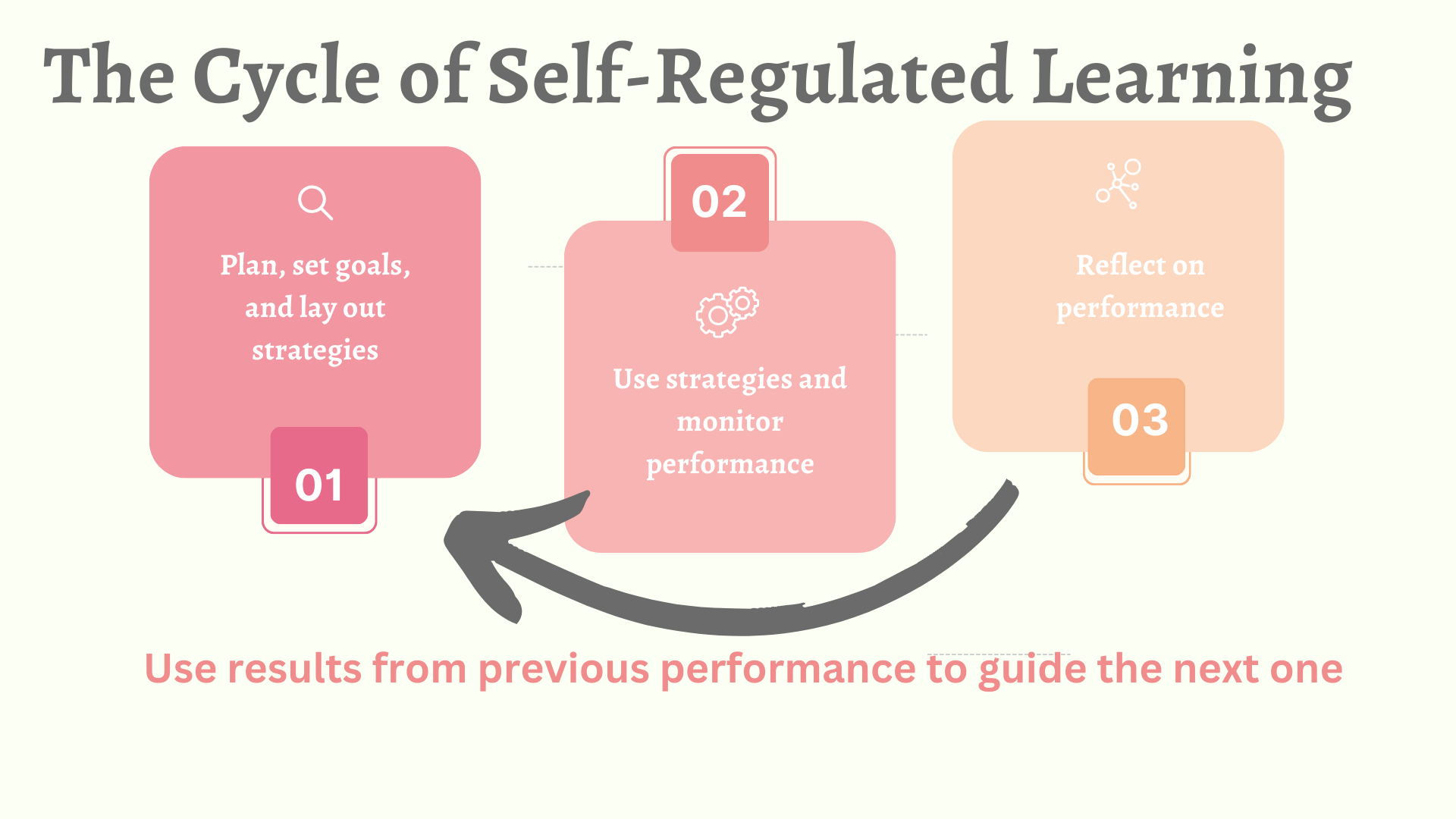
Creating feedback loops where analytical insights inform practice, outcomes are measured, and results feed back into continuous improvement cycles embeds learning analytics into everyday operations rather than treating it as a separate initiative.
🌟 Measuring Impact and Demonstrating Value
To justify continued investment and expansion of learning analytics initiatives, institutions must demonstrate tangible impact on key outcomes.
Quantitative metrics might include improved retention rates, increased course completion, higher average grades, reduced time to degree completion, or decreased achievement gaps between demographic groups. Tracking these indicators before and after analytics implementation provides concrete evidence of effectiveness.
Qualitative evidence through faculty testimonials, student success stories, and case studies illustrates the human impact behind statistics. These narratives make the value of learning analytics accessible to diverse audiences including governing boards, legislators, and the general public.
Return on investment calculations that compare costs of analytics infrastructure and personnel against savings from improved retention and efficiency help secure ongoing funding. When institutions can demonstrate that every dollar invested in learning analytics returns multiple dollars in increased tuition revenue and operational efficiency, business cases become compelling.

📚 Transforming Education Through Data-Driven Innovation
Learning analytics represents far more than a technological trend—it embodies a fundamental transformation in how educational institutions understand and support student success. By converting vast quantities of data into actionable insights, learning analytics enables personalized, responsive, and effective educational experiences at scale.
The journey toward mature learning analytics implementation requires sustained commitment, appropriate technology infrastructure, ethical frameworks, faculty engagement, and cultural transformation. Institutions that successfully navigate these challenges position themselves to thrive in an increasingly competitive educational landscape while fulfilling their core mission of student success.
As data generation continues accelerating and analytical techniques grow more sophisticated, the potential of learning analytics will only expand. Forward-thinking institutions recognize that investing in learning analytics capabilities today creates competitive advantages and improved outcomes for years to come. The question is no longer whether to embrace learning analytics, but how quickly and effectively institutions can harness its transformative power.
The future of education is data-informed, personalized, and continuously improving. Learning analytics provides the foundation for this future, turning information into insight and insight into impact. Educational success in the 21st century depends on unleashing this power thoughtfully, ethically, and strategically to benefit every learner. 🎯