In today’s fast-paced world, mobile learning apps have revolutionized how we acquire new skills, making education accessible anytime, anywhere through our smartphones.

📱 The Mobile Learning Revolution: Why Apps Are Transforming Education
The digital transformation has fundamentally changed how we approach learning and skill development. Gone are the days when education was confined to traditional classrooms or bulky textbooks. Mobile learning applications have democratized knowledge, putting powerful educational tools directly into our pockets. Whether you’re commuting to work, waiting for an appointment, or relaxing at home, these apps enable continuous learning that fits seamlessly into your daily routine.
The global mobile learning market has experienced exponential growth, with millions of users worldwide leveraging smartphone technology to enhance their professional capabilities and personal interests. This shift represents more than just convenience—it’s about creating sustainable learning habits that compound over time, leading to significant skill improvements and career advancement opportunities.
🎯 Language Learning Apps: Breaking Down Communication Barriers
Language acquisition remains one of the most popular categories in mobile learning, and for good reason. Mastering a new language opens doors to international career opportunities, cultural experiences, and cognitive benefits that extend far beyond simple communication.
Duolingo: Gamified Language Learning at Its Finest
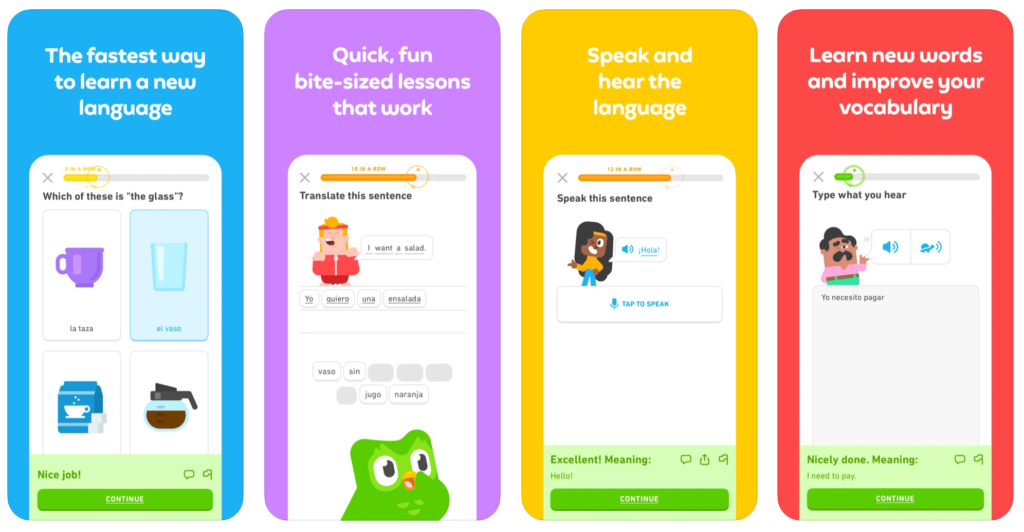
Duolingo has become synonymous with mobile language learning, offering courses in over 40 languages through an engaging, game-like interface. The app’s bite-sized lessons typically take just 5-10 minutes to complete, making it perfect for busy schedules. Users earn points, unlock levels, and maintain learning streaks, creating a motivational framework that encourages daily practice.
The platform uses spaced repetition algorithms to optimize vocabulary retention, ensuring that words are reviewed at scientifically-proven intervals. Additionally, Duolingo offers speaking exercises, listening comprehension activities, and reading challenges that develop well-rounded language skills.
Babbel: Conversational Focus for Real-World Application
Unlike purely gamified approaches, Babbel emphasizes practical conversation skills that learners can immediately apply in real-life situations. The app’s curriculum is designed by linguistic experts and tailored to your native language, making grammar explanations more intuitive and contextually relevant.
Babbel’s lessons focus on topics you’ll actually encounter during travel, business interactions, or cultural exchanges. The speech recognition technology helps refine pronunciation, while the review manager tracks your progress and identifies areas needing reinforcement.
💼 Professional Development: Advancing Your Career Through Mobile Learning
Professional skills development has become essential in our rapidly evolving job market. Mobile learning apps offer flexible pathways to acquire technical competencies, leadership qualities, and industry-specific knowledge that boost employability and career progression.
LinkedIn Learning: Industry-Relevant Courses from Experts
LinkedIn Learning provides access to thousands of video courses taught by industry professionals across business, technology, and creative disciplines. The platform’s integration with LinkedIn profiles allows for seamless showcase of completed courses, adding verifiable credentials to your professional presence.
Course recommendations are personalized based on your career goals and skill gaps, while offline viewing capabilities ensure uninterrupted learning during commutes or travel. From project management certifications to software programming tutorials, the breadth of content addresses virtually every professional development need.
Coursera: University-Level Education in Your Pocket
Coursera partners with top universities and organizations worldwide to offer courses, specializations, and even degree programs through mobile access. The platform delivers academic rigor with practical flexibility, allowing learners to engage with Stanford, Yale, or Google instructors from anywhere.
Many courses offer financial aid options, making quality education accessible regardless of economic circumstances. The mobile app supports video lectures with subtitles, downloadable resources, peer-reviewed assignments, and discussion forums that create collaborative learning environments.
🧮 Technical Skills: Coding and Data Science on Mobile Devices
The technology sector’s demand for skilled professionals continues to grow exponentially. Mobile learning apps have made programming and data science education remarkably accessible, transforming smartphones into powerful learning laboratories.
SoloLearn: Interactive Coding Education
SoloLearn offers comprehensive programming courses in languages including Python, JavaScript, Java, C++, and many others. The app’s interactive code playground allows learners to write, test, and debug code directly on their mobile devices, eliminating the barrier of requiring expensive computer setups.
Community features enable learners to share code, participate in challenges, and receive feedback from experienced programmers. This social dimension transforms solitary coding practice into an engaging, collaborative experience that accelerates skill development.
Grasshopper: JavaScript Fundamentals Made Simple
Developed by Google’s Area 120, Grasshopper introduces JavaScript programming through visual puzzles and increasingly complex challenges. The app’s gentle learning curve makes it ideal for absolute beginners who might feel intimidated by traditional coding bootcamps.
Real-time feedback guides learners through syntax and logic errors, building confidence while establishing solid programming foundations. Upon completion, users possess practical JavaScript skills applicable to web development projects.
🎨 Creative Skills: Unleashing Your Artistic Potential
Creative expression has found powerful support through mobile learning applications that teach everything from digital illustration to music production. These apps provide instruction, practice environments, and community feedback that nurture artistic development.
Skillshare: Creative Classes for Every Interest
Skillshare specializes in creative and entrepreneurial education, offering classes in graphic design, photography, illustration, writing, and business strategy. The project-based learning approach encourages immediate application of new techniques, creating tangible portfolio pieces as you learn.
Classes are typically shorter than traditional courses, respecting the reality of busy schedules while delivering substantial value. The community gallery feature allows students to share work and receive constructive feedback from peers and instructors.
🧠 Cognitive Development: Training Your Brain for Peak Performance
Beyond specific skill acquisition, mobile apps can enhance fundamental cognitive capabilities like memory, attention, problem-solving, and mental agility. These improvements create foundations that amplify learning across all domains.
Lumosity: Scientifically-Designed Brain Training
Lumosity offers games and activities developed by neuroscientists to target specific cognitive areas including memory, attention, flexibility, speed, and problem-solving. The app adapts difficulty based on performance, ensuring optimal challenge levels that promote growth without causing frustration.
Detailed performance tracking reveals cognitive strengths and areas for improvement, while personalized training programs focus efforts where they’ll generate maximum benefit. Regular engagement has been associated with improvements in working memory and processing speed.
📚 Knowledge Expansion: Staying Informed and Curious
Continuous learning extends beyond formal skill acquisition to include general knowledge expansion, critical thinking development, and intellectual curiosity cultivation. Several mobile apps facilitate this broader educational journey.
Khan Academy: Free Education for Everyone, Everywhere
Khan Academy’s nonprofit mission has created one of the world’s most comprehensive free educational resources, covering mathematics, science, history, economics, and test preparation. The mobile app delivers this extensive library with personalized learning dashboards that track progress across subjects.
Video lessons break complex concepts into digestible explanations, while practice exercises provide immediate feedback. The mastery learning approach ensures solid understanding before advancing to more challenging material, preventing the knowledge gaps that undermine future learning.
🌟 Maximizing Mobile Learning Effectiveness: Strategies for Success
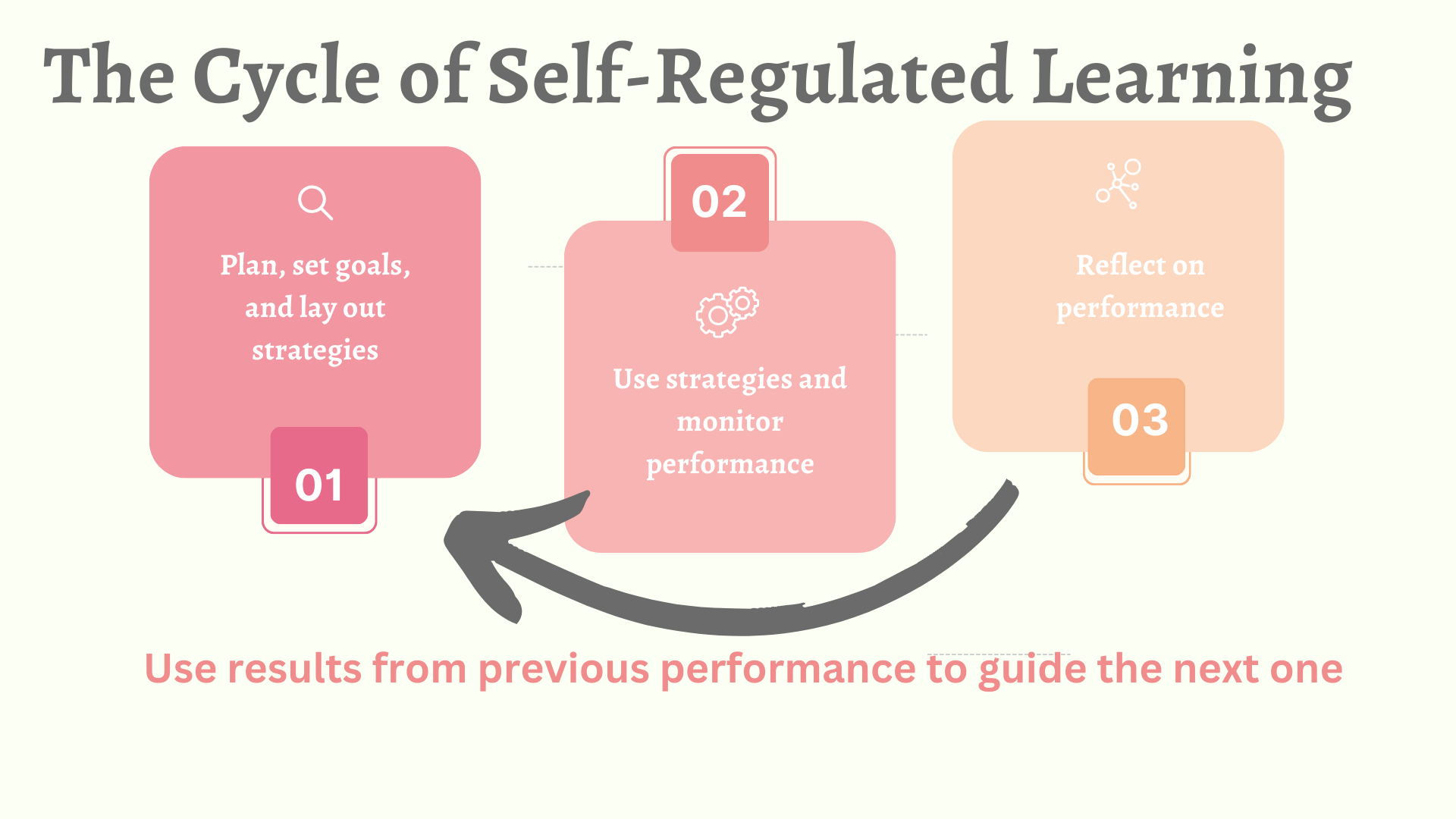
Simply downloading learning apps doesn’t guarantee skill development. Strategic approaches maximize the return on time invested in mobile education, transforming casual engagement into meaningful progress.
Establishing Consistent Learning Habits
Consistency trumps intensity in long-term skill acquisition. Dedicating just 15-20 minutes daily to focused learning generates better results than sporadic marathon sessions. Schedule learning blocks during natural transition periods—morning routines, lunch breaks, or evening wind-downs—to build sustainable habits that don’t require constant willpower.
Most learning apps include reminder features and streak tracking to support habit formation. Leverage these tools initially, but work toward intrinsic motivation where learning becomes its own reward rather than an obligation.
Setting Clear, Measurable Goals
Vague aspirations like “get better at Spanish” rarely generate sustained effort. Transform general intentions into specific, measurable objectives: “Complete Duolingo’s Spanish tree within three months” or “Finish Coursera’s Python for Everybody specialization by year-end.” These concrete targets create accountability and enable progress tracking that maintains motivation.
Break larger goals into weekly milestones that feel achievable yet challenging. Celebrating small victories maintains momentum during the inevitable plateaus that characterize skill development.
Active Learning Over Passive Consumption
Watching video lessons or reading content creates the illusion of learning while generating minimal retention. Transform passive consumption into active engagement through immediate application, teaching concepts to others, or creating projects that synthesize multiple skills.
When learning programming, build small applications rather than just completing tutorials. For language learning, practice writing short paragraphs or recording voice messages rather than only completing app exercises. This active approach cements knowledge and reveals gaps that require additional attention.
🔄 Creating Complementary Learning Ecosystems
No single app addresses all learning needs. The most effective mobile learners curate ecosystems of complementary applications that work synergistically to develop well-rounded competencies.
A language learner might combine Duolingo for vocabulary and grammar with language exchange apps for conversation practice, podcast apps for listening comprehension, and news apps in the target language for cultural context. This multi-faceted approach develops balanced skills that transfer to real-world application.
Similarly, aspiring programmers benefit from combining coding tutorial apps with documentation readers, coding challenge platforms, and developer community forums. This ecosystem provides instruction, practice, problem-solving resources, and peer support throughout the learning journey.
💡 Overcoming Common Mobile Learning Challenges
While mobile learning offers tremendous advantages, several common obstacles can derail progress. Recognizing and addressing these challenges proactively increases success likelihood.
Managing Digital Distractions
Smartphones deliver endless distractions that compete with learning activities. Combat this through dedicated focus modes that silence non-essential notifications during study sessions. Many devices now include wellbeing features that limit social media access during designated learning periods.
Consider using separate user profiles—one for productivity and learning, another for entertainment and social activities. This physical separation reduces temptation and creates psychological boundaries that support focused engagement.
Addressing Screen Fatigue
Extended mobile screen time contributes to eye strain and mental exhaustion. Implement the 20-20-20 rule: every 20 minutes, look at something 20 feet away for 20 seconds. Enable blue light filters during evening learning sessions to minimize sleep disruption.
Balance screen-based learning with offline application whenever possible. After completing a mobile lesson, practice skills in the physical world—speak with language exchange partners, sketch concepts on paper, or build physical projects based on digital instructions.
🚀 The Future of Mobile Learning: Emerging Trends and Technologies
Mobile learning continues evolving as emerging technologies create increasingly powerful and personalized educational experiences. Artificial intelligence now enables adaptive learning paths that respond in real-time to individual performance, while augmented reality overlays digital instruction onto physical environments.
Voice interfaces and conversational AI are making hands-free learning viable during activities like driving or exercising. Microlearning formats optimized for short attention spans and mobile screens are being refined through cognitive science research and user behavior analysis.
As 5G networks expand globally, bandwidth limitations that previously constrained mobile learning are disappearing, enabling high-quality video streaming, real-time collaboration, and resource-intensive applications like virtual laboratories or 3D modeling tools accessible from smartphones.
🎓 Transforming Potential Into Achievement Through Mobile Learning
The democratization of education through mobile learning apps represents one of technology’s most profound contributions to human development. These platforms have eliminated traditional barriers of geography, economics, and scheduling that once limited access to quality education.
However, tools alone don’t create transformation—committed learners do. The apps discussed throughout this article provide world-class instruction, but your consistency, active engagement, and strategic approach determine actual results. Start small with one or two applications aligned with your most pressing goals, establish daily practice rhythms, and expand your learning ecosystem as habits solidify.
The skills you develop through mobile learning compound over time, creating career opportunities, personal fulfillment, and cognitive benefits that extend throughout your lifetime. Your smartphone already possesses the capability to facilitate extraordinary growth—the only remaining question is whether you’ll seize that potential.
Education is no longer something that happens to you in classrooms during specific life phases. It’s now an ongoing journey you actively design and pursue according to your unique aspirations, accessible whenever inspiration strikes or opportunity permits. The future belongs to perpetual learners who leverage technology to continuously evolve, adapt, and excel in our rapidly changing world.