Gamification transforms mundane tasks into exciting challenges by applying game mechanics to real-world activities, and recent research shows it can significantly enhance cognitive development and brain function.

🎮 Understanding the Science Behind Gamified Learning
The human brain is wired to respond to rewards, challenges, and achievements. When we engage with gamified systems, our brains release dopamine, a neurotransmitter associated with pleasure and motivation. This neurochemical response doesn’t just make activities more enjoyable; it actively strengthens neural pathways and improves our ability to learn and retain information.
Gamification leverages fundamental psychological principles that have been studied for decades. The concept of operant conditioning, introduced by B.F. Skinner, demonstrates how rewards influence behavior. When applied to cognitive tasks, these same principles create powerful learning environments that encourage repeated engagement and progressive skill development.
Modern neuroscience research has revealed that gamified learning experiences activate multiple brain regions simultaneously. The prefrontal cortex, responsible for executive functions like planning and decision-making, works in concert with the hippocampus, which handles memory formation. This simultaneous activation creates more robust learning experiences compared to traditional passive learning methods.
The Core Elements That Make Gamification Work
Successful gamification isn’t just about adding points and badges to existing systems. It requires a thoughtful integration of specific game mechanics that align with cognitive development goals. These elements work together to create an environment where learning feels natural and engaging rather than forced or tedious.
Progressive Challenge Systems
One of the most powerful aspects of gamification is the implementation of progressive difficulty levels. Just as video games gradually increase complexity as players improve, educational gamification should present challenges that match and slightly exceed current skill levels. This concept, known as the “zone of proximal development,” ensures users remain engaged without feeling overwhelmed or bored.
When challenges are properly calibrated, learners experience a state of flow—a psychological condition where individuals are fully immersed in an activity. During flow states, the brain operates at peak efficiency, forming stronger memory connections and developing deeper understanding of concepts.
Immediate Feedback Mechanisms
Traditional learning often involves delayed feedback, with students waiting days or weeks to understand their performance. Gamified systems provide instant feedback, allowing learners to adjust their strategies in real-time. This immediacy accelerates the learning process by reinforcing correct behaviors and quickly correcting misconceptions.
The brain’s reward system responds particularly well to immediate feedback. When users receive instant recognition of their achievements, it creates a tight loop between action and reward, strengthening the neural pathways associated with successful problem-solving strategies.
🧠 Cognitive Benefits of Gamified Learning Experiences
The impact of gamification on cognitive growth extends across multiple domains of mental function. Research has documented improvements in various cognitive abilities when individuals engage regularly with well-designed gamified systems.
Enhanced Memory and Retention
Gamified learning environments create memorable experiences through storytelling, visual imagery, and emotional engagement. These elements work together to encode information more deeply in long-term memory. When learners associate information with challenging missions or compelling narratives, they create multiple retrieval cues that make recalling information easier.
Studies have shown that learners using gamified educational platforms demonstrate retention rates up to 40% higher than those using traditional methods. The combination of repetition, reward, and emotional engagement creates a powerful formula for building lasting knowledge.
Improved Problem-Solving Skills
Games inherently require players to solve problems, whether navigating complex puzzles or developing strategies to overcome obstacles. This constant problem-solving practice translates directly to improved cognitive flexibility—the ability to adapt thinking to new and unexpected conditions.
Gamification encourages experimental thinking by creating safe environments where failure is reframed as a learning opportunity rather than a penalty. This mindset shift is crucial for developing resilience and creative problem-solving approaches that apply far beyond the gaming environment.
Strengthened Executive Functions
Executive functions—including working memory, cognitive flexibility, and inhibitory control—are essential for success in virtually all life domains. Gamified experiences that require planning, strategy adjustment, and impulse control can significantly strengthen these critical cognitive abilities.
Research from cognitive psychology demonstrates that regular engagement with strategic games can improve executive function performance by 15-25% over just a few months. These improvements carry over into academic performance, professional productivity, and daily decision-making.
Real-World Applications Transforming Learning
Gamification has moved far beyond entertainment, with applications now spanning education, corporate training, healthcare, and personal development. These practical implementations demonstrate the versatility and effectiveness of gamified approaches to cognitive enhancement.
Educational Technology Revolution
Language learning platforms have pioneered some of the most successful applications of gamification. By transforming vocabulary acquisition and grammar practice into point-based challenges with streaks and leaderboards, these applications have helped millions of people develop new language skills with unprecedented engagement levels.
Mathematics education has similarly benefited from gamified approaches. Applications that present mathematical concepts through narrative adventures or puzzle-solving missions help students develop numerical literacy while maintaining high motivation levels. The transformation of abstract concepts into tangible challenges makes mathematics more accessible and less intimidating for struggling learners.
Professional Development and Skill Building
Corporate training programs increasingly incorporate gamification to improve employee engagement and knowledge retention. Sales teams compete in point-based systems that reward product knowledge and successful techniques. Technical training uses simulation-based games that allow employees to practice complex procedures in risk-free virtual environments.
The effectiveness of gamified professional development extends beyond simple engagement metrics. Organizations report measurable improvements in skill application, with employees demonstrating better recall and more confident implementation of training concepts when learned through gamified systems.
Cognitive Fitness and Brain Training
Brain training applications represent another significant application of gamification for cognitive development. These platforms offer diverse cognitive challenges designed to exercise specific mental abilities, from processing speed to spatial reasoning. The gamified structure encourages consistent practice, which is essential for achieving meaningful cognitive improvements.
While debate continues regarding the transfer of skills from brain training games to general cognitive ability, research increasingly supports the value of targeted cognitive exercise when properly designed and consistently applied.
⚡ Maximizing Cognitive Growth Through Strategic Gamification
Not all gamification is created equal. To maximize cognitive benefits, users should approach gamified learning strategically, focusing on quality over quantity and selecting experiences aligned with specific development goals.
Selecting Appropriate Challenges
The most effective gamified learning occurs when difficulty levels are properly matched to current abilities. Too easy, and the brain doesn’t receive sufficient stimulation to promote growth. Too difficult, and frustration replaces engagement, triggering stress responses that inhibit learning.
Look for platforms that implement adaptive difficulty systems—technologies that automatically adjust challenge levels based on performance. These systems maintain optimal cognitive load, ensuring your brain remains in the productive zone where learning happens most efficiently.
Maintaining Consistent Practice Schedules
Neuroplasticity—the brain’s ability to form new neural connections—requires consistent stimulation over time. While gamification makes practice more enjoyable, the underlying principle remains unchanged: regular engagement is essential for meaningful cognitive development.
Research suggests that shorter, more frequent practice sessions often produce better results than occasional marathon sessions. The spacing effect, a well-documented phenomenon in cognitive psychology, demonstrates that distributed practice leads to better long-term retention than massed practice.
Balancing Competition and Collaboration
Many gamified systems incorporate both competitive and collaborative elements. While competition can drive motivation and effort, excessive focus on beating others may create stress that undermines learning. The most effective approaches balance competitive challenges with collaborative opportunities that emphasize shared achievement and mutual support.
🎯 Designing Your Personal Cognitive Development Program
Creating an effective personal gamification strategy requires understanding your specific cognitive goals, learning preferences, and available time. A thoughtful approach ensures that gamified activities complement rather than replace other important aspects of cognitive health.
Identifying Target Cognitive Areas
Different gamified experiences emphasize different cognitive domains. Strategy games primarily develop planning and decision-making abilities. Pattern recognition games strengthen visual-spatial processing. Language games build verbal memory and communication skills. Identify which cognitive areas you want to develop, then select gamified experiences that specifically target those domains.
Creating a Balanced Cognitive Diet
Just as nutritional health requires dietary variety, cognitive health benefits from diverse mental challenges. Rather than focusing exclusively on a single type of gamified activity, incorporate multiple experiences that exercise different cognitive systems. This approach promotes well-rounded cognitive development and prevents the stagnation that can occur with repetitive practice.
Tracking Progress and Adjusting Approaches
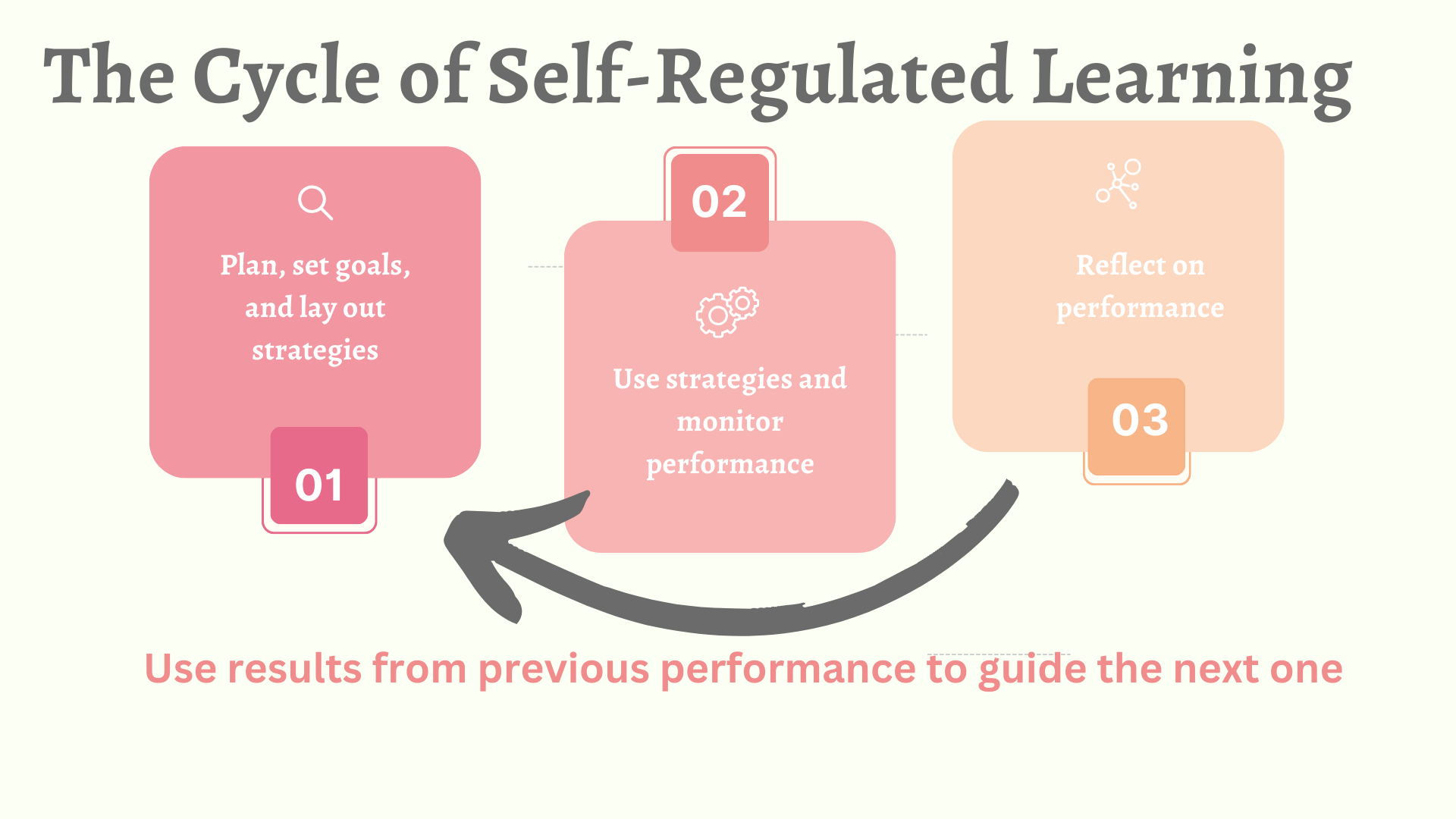
One advantage of digital gamification is the built-in progress tracking that provides objective data about performance improvements. Regularly review your performance metrics to identify areas of strength and opportunities for growth. Use this information to adjust your practice focus, ensuring continuous development across all cognitive domains.
The Future of Gamified Cognitive Enhancement
As technology advances, gamification’s potential for cognitive development continues to expand. Emerging technologies promise even more personalized, effective, and engaging experiences that could revolutionize how we approach learning and cognitive fitness.
Artificial Intelligence and Personalization
Machine learning algorithms are enabling unprecedented levels of personalization in gamified learning. These systems analyze thousands of data points about learning patterns, optimal challenge timing, and individual preferences to create uniquely tailored experiences that maximize engagement and learning efficiency for each user.
Future gamified systems will likely adapt in real-time not just to performance, but to emotional state, attention levels, and even physiological markers of engagement. This level of responsiveness could dramatically improve learning outcomes by ensuring every interaction occurs under optimal conditions.
Virtual and Augmented Reality Integration
Immersive technologies are creating entirely new possibilities for gamified learning. Virtual reality environments allow learners to practice skills in realistic simulations that engage spatial reasoning and motor learning in ways impossible with traditional screen-based interfaces. Augmented reality overlays gamified challenges onto the physical world, creating seamless integration between digital learning and real-world application.
Social Connection and Community Learning
The social dimension of gamification continues evolving, with platforms increasingly emphasizing community features that leverage social motivation and collaborative learning. Future developments will likely create richer social ecosystems where learners can form study groups, compete in team challenges, and benefit from peer teaching opportunities—all within gamified frameworks that make social learning engaging and rewarding.
🌟 Practical Tips for Sustainable Engagement
While gamification makes learning more enjoyable, maintaining long-term engagement requires intentional strategies. These practical approaches help ensure that initial enthusiasm translates into sustained cognitive development over months and years.
Set specific, measurable goals rather than vague intentions. Instead of “improve my memory,” commit to “complete 15 minutes of memory-focused games daily for 30 days.” Specific goals provide clear targets and enable accurate progress assessment, both of which support sustained motivation.
Integrate gamified learning into existing routines rather than treating it as an additional obligation. Practice language skills during your morning coffee, engage with brain training during lunch breaks, or use educational games as evening wind-down activities. When gamified learning becomes part of established routines, consistency becomes much easier to maintain.
Celebrate milestones and progress markers. While gamified systems provide built-in rewards, consciously acknowledging your achievements reinforces motivation and creates positive associations with the learning process. Share accomplishments with friends or family, or create personal reward systems for reaching significant milestones.
Transforming Potential Into Performance
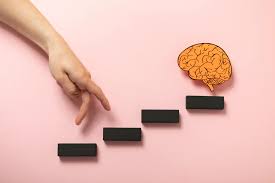
Gamification represents more than a temporary trend in educational technology—it reflects a fundamental understanding of how the human brain learns most effectively. By aligning learning experiences with our neurological reward systems, gamification creates environments where cognitive growth happens naturally and enjoyably.
The evidence is clear: properly designed gamified experiences can enhance memory, strengthen problem-solving abilities, improve executive functions, and increase overall cognitive flexibility. These benefits extend far beyond the gaming environment, translating into improved academic performance, professional productivity, and quality of life.
Success with gamified learning requires thoughtful selection of appropriate challenges, consistent practice, and strategic focus on specific cognitive goals. By approaching gamification as a tool for intentional cognitive development rather than simple entertainment, you can unlock significant improvements in mental performance and capacity.
The future of cognitive enhancement through gamification looks increasingly promising, with emerging technologies offering even more personalized, effective, and engaging experiences. As these tools continue evolving, they will play an increasingly central role in how we develop and maintain cognitive health throughout our lives.
Whether you’re seeking to enhance specific cognitive abilities, maintain mental sharpness as you age, or simply make learning more enjoyable, gamification offers powerful strategies for leveling up your brain. The journey toward cognitive growth doesn’t have to feel like work—with the right gamified approaches, it can be an engaging adventure that yields meaningful, lasting benefits. 🚀