In today’s digital age, online learning has become a cornerstone of education and professional development, but maintaining focus remains one of the biggest challenges students face.

The shift from traditional classrooms to virtual environments has brought unprecedented flexibility and accessibility to education. However, this transition also presents unique obstacles that can significantly impact learning outcomes. Without the structured environment of a physical classroom, distractions multiply, and maintaining sustained attention becomes increasingly difficult.
Understanding how to master concentration in online learning environments isn’t just about willpower—it’s about developing strategic approaches that align with how our brains naturally work. This comprehensive guide will explore proven techniques, practical tools, and psychological principles that can transform your online learning experience from frustrating to fulfilling.
🧠 Understanding the Science Behind Digital Distraction
Before diving into solutions, it’s essential to understand why concentration feels particularly challenging in online learning environments. Our brains evolved in physical spaces where threats and opportunities presented themselves tangibly. The digital realm operates differently, constantly triggering our attention with notifications, pop-ups, and the endless scroll of social media.
Research shows that the average person checks their phone approximately 96 times per day—that’s once every ten minutes during waking hours. This constant context-switching creates what neuroscientists call “attention residue,” where part of your mental capacity remains focused on the previous task even after you’ve moved on to the next one.
When studying online, you’re essentially placing yourself in an environment designed to fragment your attention. Your computer or tablet is simultaneously your learning tool and your gateway to endless distractions. Understanding this fundamental conflict is the first step toward developing effective concentration strategies.
Creating Your Optimal Learning Environment 🏠
Your physical environment plays a crucial role in your ability to maintain focus during online learning sessions. Unlike a traditional classroom designed specifically for learning, your home or workspace likely serves multiple purposes, each with its own set of associations and distractions.
Designating a Dedicated Study Space
If possible, establish a specific area exclusively for online learning. This doesn’t require a separate room—even a particular corner of your kitchen table can work if you consistently use it only for studying. This creates a psychological association between that space and focused learning, making it easier for your brain to shift into study mode.
Your study space should have adequate lighting, preferably natural light, which has been shown to improve alertness and mood. Ensure your chair provides proper support for extended periods, and position your screen at eye level to reduce physical strain that can diminish mental endurance.
Eliminating Environmental Distractions
Take inventory of potential interruptions in your environment. Can you hear the television from another room? Is your phone within easy reach? Are family members or roommates likely to interrupt? Address each distraction systematically:
- Use noise-canceling headphones or play white noise to block auditory distractions
- Place your phone in another room or use app blockers during study sessions
- Communicate your study schedule to others and establish clear boundaries
- Keep your study area clean and organized to reduce visual clutter
- Control room temperature—research suggests 68-70°F (20-21°C) is optimal for concentration
The Power of Intentional Scheduling ⏰
Random, unstructured study sessions are significantly less effective than intentionally planned learning blocks. Your brain performs better when it knows what to expect and can prepare accordingly.
Identifying Your Peak Performance Windows
Everyone has natural rhythms of alertness throughout the day, known as circadian rhythms. Some people are genuinely more focused in the morning, while others hit their stride in the afternoon or evening. Track your energy levels for a week to identify when you feel most mentally sharp, then schedule your most challenging online learning tasks during these windows.
For most people, mental acuity peaks approximately 2-4 hours after waking, then again in the late afternoon. However, individual variation is significant, so personal experimentation is key.
Implementing the Pomodoro Technique
The Pomodoro Technique has proven remarkably effective for online learners. This time management method involves working in focused 25-minute intervals (called “pomodoros”) followed by 5-minute breaks. After completing four pomodoros, take a longer 15-30 minute break.
This approach works because it aligns with your brain’s natural attention span while providing regular recovery periods that prevent mental fatigue. During your 25-minute focus session, commit completely to your learning task. During breaks, step away from your screen entirely—stretch, hydrate, or take a brief walk.
Digital Tools That Enhance Rather Than Hinder Focus 💻
While technology presents distractions, it also offers powerful solutions for maintaining concentration during online learning. The key is selecting and implementing tools strategically.
Website and App Blockers
These tools temporarily restrict access to distracting websites and applications during your designated study periods. Rather than relying solely on willpower, you’re creating external accountability structures that make distraction more difficult.
Popular options include browser extensions that block social media sites, entertainment platforms, and news websites during specified times. Some applications even gamify focus, allowing you to grow virtual trees that die if you leave your study application—adding a playful yet effective motivational element.
Note-Taking Applications
Active engagement dramatically improves both concentration and retention. Using digital note-taking tools during online lectures forces you to process information rather than passively consume it. Look for applications that allow you to organize notes by topic, add tags for easy searching, and incorporate multimedia elements like screenshots or voice recordings.
The act of synthesizing information into your own words creates deeper neural pathways, making the material more memorable while simultaneously keeping your mind actively engaged with the content.
Cognitive Strategies for Sustained Attention 🎯
Beyond environmental and technological solutions, developing mental strategies specifically designed to enhance concentration will multiply your online learning effectiveness.
Practicing Mindful Awareness
Mindfulness meditation has been scientifically proven to increase attention span and reduce mind-wandering. You don’t need to become a meditation expert—even five minutes of focused breathing before study sessions can significantly improve your concentration capacity.
When you notice your mind drifting during online learning (which will happen—it’s normal), gently redirect your attention without judgment. This practice strengthens your “attention muscle,” making sustained focus progressively easier over time.
The Pre-Study Ritual
Developing a consistent routine before each study session signals to your brain that it’s time to focus. This might include making tea, doing light stretches, reviewing your goals for the session, or listening to a specific playlist. The ritual itself matters less than its consistency—you’re creating a mental trigger that initiates focused attention.
Chunking Information
Breaking large learning tasks into smaller, manageable chunks prevents cognitive overwhelm that leads to distraction. Instead of “study entire module,” your goal becomes “complete section 2 and summarize key points.” This specificity makes the task feel more achievable and provides clear completion markers that deliver motivating micro-rewards.
The Role of Physical Wellness in Mental Focus 🏃♀️
Your brain is an organ that depends entirely on your physical body for optimal function. Neglecting physical health while expecting peak mental performance is like trying to drive a car without fuel.
Movement and Exercise
Regular physical activity increases blood flow to the brain, promoting the growth of new neural connections and improving cognitive function. Even brief movement breaks during online learning sessions can reset your attention and improve information retention.
Consider taking a 10-minute walk before study sessions or doing light stretching between learning modules. Research indicates that aerobic exercise specifically enhances executive function—the mental processes responsible for planning, focus, and self-control.
Nutrition and Hydration
Your brain consumes approximately 20% of your body’s energy despite representing only 2% of body weight. Stable blood sugar levels support sustained concentration, while spikes and crashes create attention difficulties.
Choose snacks that provide steady energy: nuts, fruits, vegetables with hummus, or whole grains. Avoid high-sugar options that cause energy crashes. Stay consistently hydrated—even mild dehydration impairs cognitive performance, including attention, memory, and critical thinking skills.
Sleep Quality
Sleep deprivation catastrophically impairs attention, making concentration during online learning nearly impossible. Your brain consolidates learning during sleep, transferring information from short-term to long-term memory. Prioritizing 7-9 hours of quality sleep isn’t indulgent—it’s essential for effective learning.
Establish a consistent sleep schedule, even on weekends. Create a wind-down routine that excludes screens for at least 30 minutes before bed, as blue light disrupts melatonin production and delays sleep onset.
Building Motivation That Sustains Focus 🚀
Concentration becomes exponentially easier when you’re genuinely motivated by your learning material. While you can’t always control what you need to study, you can cultivate motivation strategically.
Connecting Learning to Personal Goals
Explicitly identify how your online course connects to your broader life objectives. Are you building skills for a career change? Pursuing intellectual curiosity? Improving your professional standing? Write down these connections and review them when motivation wanes.
This psychological technique, called “meaning-making,” transforms abstract learning tasks into personally relevant activities, which your brain naturally prioritizes with better attention resources.
Tracking Progress Visually
Create visible representations of your learning progress—checkmarks on a calendar, completed modules highlighted on a syllabus, or a progress bar you manually update. Visual progress provides tangible evidence of achievement, triggering dopamine release that reinforces focused behavior.
Accountability Partnerships
Studying alongside others, even virtually, dramatically improves focus. Join or create online study groups where members work simultaneously via video call. The social presence creates accountability and normalizes sustained attention, making concentration feel less effortful.
Troubleshooting Common Concentration Obstacles 🔧
Despite best efforts, you’ll encounter periods when concentration feels impossible. Having troubleshooting strategies prepared prevents these moments from derailing your entire study session.
When Attention Repeatedly Wanders
If you find yourself rereading the same paragraph multiple times, take an immediate micro-break. Stand up, do 10 jumping jacks, drink water, then return. Sometimes your brain simply needs a brief reset rather than pushing through ineffective study time.
Alternatively, switch to a different type of learning task. If reading isn’t working, try watching a video on the topic, creating a mind map, or explaining the concept aloud. Varying your approach reengages attention through novelty.
Dealing with Digital Fatigue
Extended screen time creates unique exhaustion that impairs concentration. Follow the 20-20-20 rule: every 20 minutes, look at something 20 feet away for 20 seconds. This reduces eye strain that contributes to mental fatigue.
Consider printing especially dense reading materials when possible, giving your eyes and brain a break from screen-based learning while maintaining productivity.
Managing Anxiety That Blocks Focus
Anxiety and concentration are incompatible—your brain cannot simultaneously scan for threats and deeply process learning material. If anxiety prevents focus, acknowledge it rather than fighting it. Practice brief breathing exercises, write down your worries to externalize them, or engage in progressive muscle relaxation.
If anxiety consistently interferes with online learning, this may indicate a need for additional support from mental health professionals who can provide targeted strategies.
Measuring and Refining Your Focus Strategy 📊
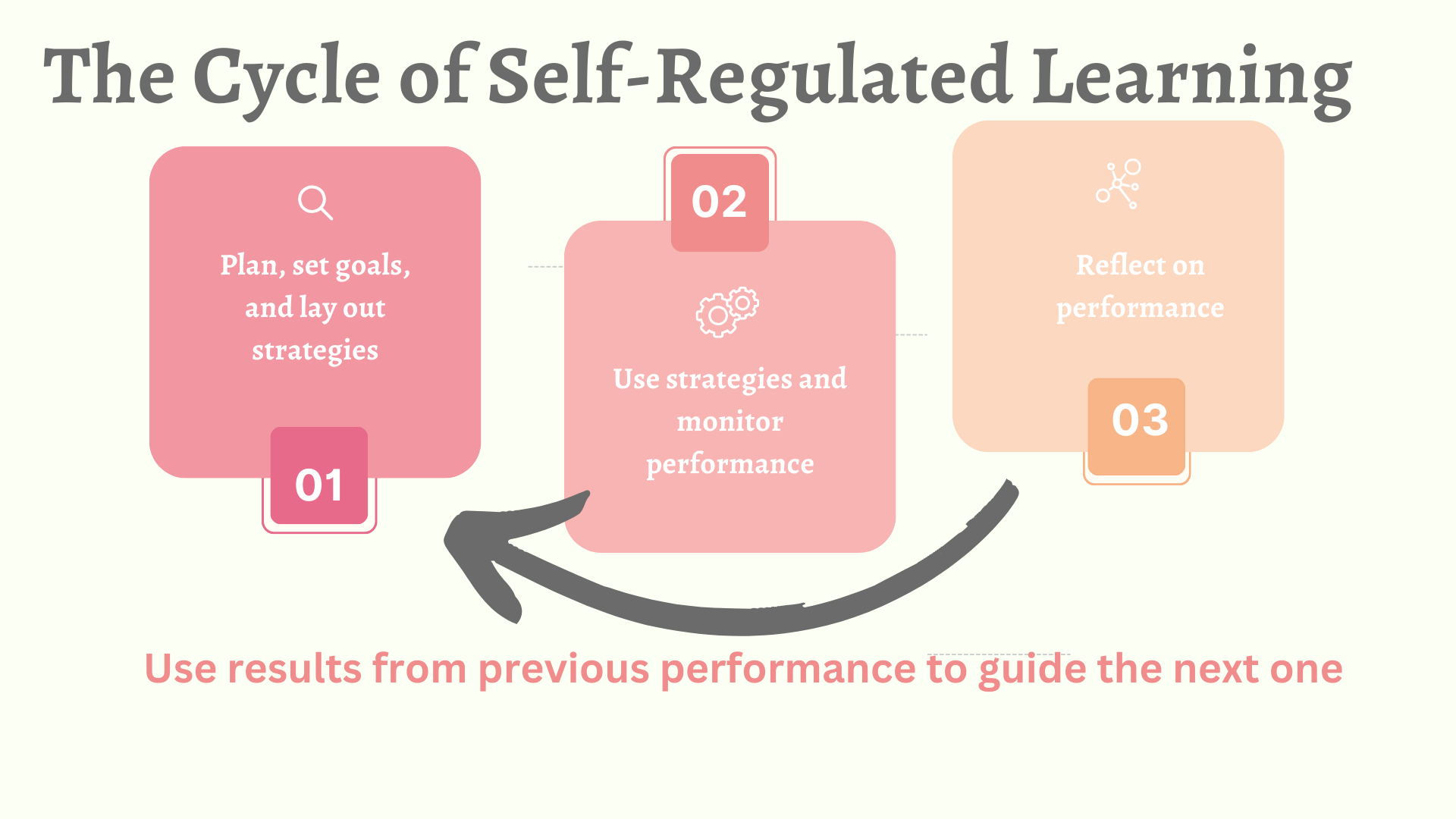
Improving concentration is an ongoing process requiring regular assessment and adjustment. What works brilliantly for one person or in one context may be less effective in another situation.
Keep a simple focus journal noting which strategies worked well each study session and which didn’t. After two weeks, review your entries to identify patterns. Perhaps you consistently concentrate better with instrumental music, or maybe morning sessions are more productive than evenings for your particular schedule.
This data-driven approach to improving focus removes guesswork and creates a personalized concentration system aligned with your unique needs, preferences, and circumstances.

Transforming Your Online Learning Experience Through Focused Attention ✨
Mastering concentration for online learning isn’t about achieving perfect, unbroken focus for hours on end—that’s neither realistic nor necessary. Instead, it’s about developing a toolkit of strategies that help you maintain sufficient attention to learn effectively and enjoy the process.
The techniques outlined in this guide—from environmental optimization and strategic scheduling to cognitive practices and physical wellness—work synergistically. You don’t need to implement everything simultaneously. Start with two or three approaches that resonate most strongly, master those, then gradually incorporate additional strategies.
Remember that building concentration capacity is itself a skill that improves with practice. Your ability to focus will strengthen over time as you consistently apply these principles, much like a muscle that grows through regular exercise.
Online learning offers extraordinary opportunities for personal and professional growth, but only if you can harness your attention effectively. By implementing these evidence-based concentration strategies, you’re not just improving your academic performance—you’re developing a critical life skill that will serve you across all domains of work and creativity.
The investment you make in mastering focus today pays dividends throughout your lifetime, enabling you to learn more efficiently, think more clearly, and achieve goals that once seemed out of reach. Your online learning success begins with a single focused moment—why not start right now?