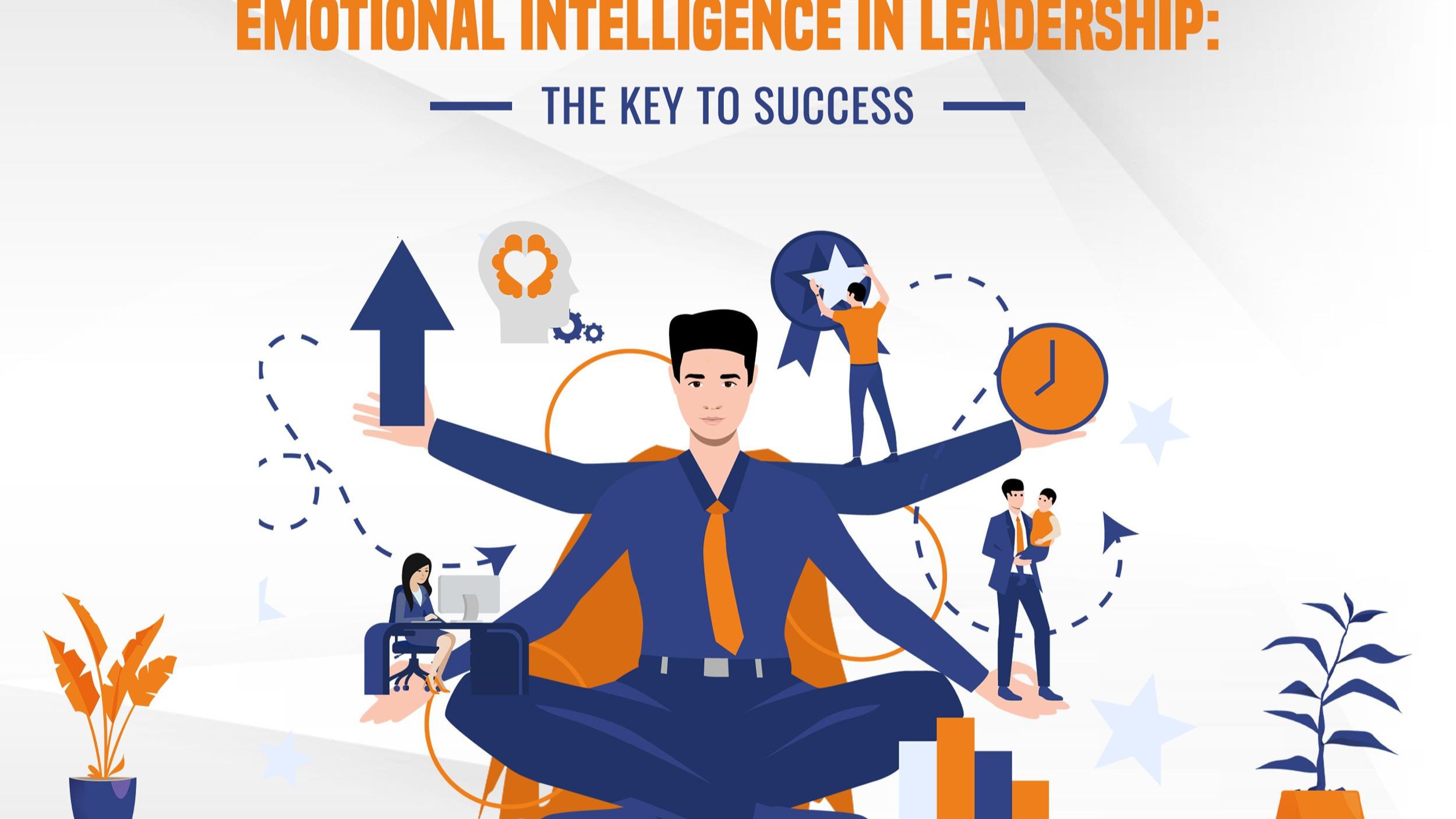
Emotional intelligence is no longer just a buzzword—it’s a critical skill that shapes how we learn, grow, and achieve our goals in every aspect of life.

In today’s fast-paced world, technical skills and academic knowledge alone aren’t enough to guarantee success. The ability to understand, manage, and harness emotions has emerged as a defining factor that separates high achievers from the rest. Whether you’re a student struggling with exam anxiety, a professional navigating workplace challenges, or simply someone seeking personal growth, mastering your emotions can unlock doors you never knew existed.
This comprehensive guide explores how emotional intelligence enhances both learning capabilities and overall success, providing practical insights that can transform your approach to challenges and opportunities alike.
🧠 Understanding Emotional Intelligence: More Than Just Feeling
Emotional intelligence (EI or EQ) refers to the capacity to recognize, understand, and manage our own emotions while also perceiving and influencing the emotions of others. Psychologist Daniel Goleman popularized this concept in the 1990s, identifying five key components that form the foundation of emotional intelligence.
These components include self-awareness, self-regulation, motivation, empathy, and social skills. Together, they create a framework for navigating the complex emotional landscape of human interaction and personal development. Unlike IQ, which remains relatively stable throughout life, emotional intelligence can be developed and strengthened with conscious effort and practice.
Research from Yale University’s Center for Emotional Intelligence demonstrates that individuals with higher EQ levels experience better mental health, stronger relationships, and greater career success. The neuroscience behind this is fascinating—our emotional brain (limbic system) directly influences our thinking brain (prefrontal cortex), meaning emotions literally shape how we process information and make decisions.
The Five Pillars of Emotional Intelligence
Self-awareness forms the cornerstone of emotional intelligence. It’s the ability to recognize your emotions as they happen and understand how they affect your thoughts and behavior. When you’re self-aware, you can identify your emotional triggers, understand your strengths and limitations, and recognize how your feelings impact others around you.
Self-regulation involves controlling impulsive feelings and behaviors, managing emotions in healthy ways, and adapting to changing circumstances. This doesn’t mean suppressing emotions—rather, it means expressing them appropriately and preventing them from overwhelming your judgment or derailing your goals.
Intrinsic motivation drives individuals with high emotional intelligence to pursue goals with energy and persistence. These people are driven by internal rewards rather than external recognition, demonstrate resilience in the face of setbacks, and maintain optimism even during challenging times.
Empathy extends beyond sympathy—it’s the ability to understand emotions from another person’s perspective. Empathetic individuals can sense what others are feeling, take an active interest in their concerns, and respond compassionately to emotional cues that others might miss.
Social skills represent the culmination of emotional intelligence in action. They encompass effective communication, conflict management, leadership abilities, and the capacity to build and maintain meaningful relationships that support both personal and professional objectives.
📚 The Learning Advantage: How Emotions Shape Education
The connection between emotional intelligence and learning outcomes is profound and well-documented. Students with higher EQ levels consistently demonstrate better academic performance, not because they’re inherently smarter, but because they approach learning with greater emotional resilience and self-awareness.
Emotions act as gatekeepers to learning. When students feel anxious, frustrated, or overwhelmed, their brain’s threat response activates, literally shutting down the prefrontal cortex regions responsible for complex thinking, problem-solving, and memory formation. Conversely, when learners feel confident, curious, and emotionally balanced, their brains enter optimal states for absorbing and retaining new information.
A groundbreaking study published in the Journal of Educational Psychology found that emotional intelligence training improved student test scores by an average of 11 percentile points. This improvement wasn’t limited to one subject area—the benefits transferred across mathematics, language arts, and science, suggesting that emotional skills create a foundation for all types of learning.
Overcoming Learning Obstacles Through Emotional Awareness
Every learner faces obstacles, but emotionally intelligent students approach these challenges differently. Instead of viewing failure as a reflection of their abilities, they recognize it as temporary feedback that provides valuable information for improvement. This growth mindset, closely linked to emotional intelligence, transforms setbacks into stepping stones.
Procrastination, one of the most common learning barriers, often stems from emotional avoidance rather than laziness. Students with developed emotional intelligence can identify the underlying feelings—fear of failure, perfectionism, or feeling overwhelmed—and address them directly rather than avoiding the task indefinitely.
Test anxiety provides another clear example. While some stress can enhance performance, excessive anxiety impairs cognitive function. Emotionally intelligent students employ regulation strategies like deep breathing, positive self-talk, and reframing techniques to maintain optimal arousal levels during high-pressure situations.
💼 Workplace Success: Where Emotional Intelligence Truly Shines
The corporate world has increasingly recognized that technical expertise alone doesn’t predict career success. Studies by TalentSmart, which has tested more than a million people worldwide, reveal that emotional intelligence is responsible for 58% of performance in all types of jobs, making it the strongest predictor of workplace achievement.
Leaders with high emotional intelligence create more engaged teams, navigate conflicts more effectively, and inspire higher levels of productivity. They understand that people don’t leave bad jobs—they leave bad bosses who lack the emotional intelligence to create supportive, motivating work environments.
In customer-facing roles, emotional intelligence becomes particularly critical. The ability to read emotional cues, respond empathetically to concerns, and maintain composure under pressure directly impacts customer satisfaction and loyalty. Companies like Amazon and Zappos have built their customer service reputations on emotionally intelligent interactions.
Navigating Office Politics and Professional Relationships
Workplace dynamics involve complex interpersonal relationships where emotional intelligence serves as your compass. Understanding the unspoken emotional currents in meetings, recognizing when a colleague needs support, and knowing how to deliver constructive feedback without damaging relationships—these skills separate competent employees from exceptional ones.
Conflict resolution represents one area where emotional intelligence proves invaluable. Instead of avoiding disagreements or escalating them into destructive confrontations, emotionally intelligent professionals address conflicts directly while maintaining respect for all parties involved. They separate the problem from the people and focus on collaborative solutions.
Networking and relationship-building also depend heavily on emotional intelligence. People with high EQ naturally build stronger professional networks because they genuinely connect with others, remember important details about their contacts, and maintain relationships through authentic engagement rather than transactional interactions.
🎯 Practical Strategies for Developing Emotional Intelligence
The encouraging news about emotional intelligence is that it’s not fixed—anyone can develop these skills with intentional practice and commitment. The journey begins with honest self-assessment and continues through consistent application of evidence-based strategies.
Start by keeping an emotion journal where you record your feelings throughout the day, the situations that triggered them, and how you responded. This simple practice builds self-awareness by helping you identify patterns in your emotional responses and recognize triggers before they overwhelm you.
Mindfulness meditation has emerged as one of the most effective tools for enhancing emotional intelligence. Research from Harvard Medical School shows that just eight weeks of mindfulness practice can literally change brain structure, increasing gray matter density in regions associated with emotional regulation and self-awareness.
Building Emotional Vocabulary and Expression
Many people struggle with emotional intelligence because they lack the vocabulary to accurately identify and communicate their feelings. Moving beyond basic labels like “good” or “bad” to more nuanced descriptions like “frustrated,” “disappointed,” or “overwhelmed” improves both self-awareness and communication with others.
Practice the “pause and name” technique: when you notice an emotion arising, pause briefly to identify it specifically. This simple act of naming activates your prefrontal cortex, which helps regulate the emotional response and prevents impulsive reactions you might later regret.
Active listening exercises can dramatically improve empathy. When conversing with others, focus entirely on understanding their perspective rather than planning your response. Ask clarifying questions, reflect back what you’ve heard, and notice non-verbal cues like body language and tone of voice.
🌟 Real-World Applications Across Life Domains
Emotional intelligence extends far beyond academic and professional settings—it enhances virtually every aspect of human experience. In personal relationships, partners with higher emotional intelligence report greater satisfaction, more effective conflict resolution, and deeper intimacy. They can express needs clearly, recognize their partner’s emotional states, and respond with appropriate support.
Parenting represents another domain where emotional intelligence makes a profound difference. Parents who model emotional awareness and regulation raise children with better social skills, academic performance, and mental health outcomes. They create homes where emotions are acknowledged and validated rather than dismissed or punished.
Physical health also benefits from emotional intelligence. People with higher EQ experience lower stress levels, which translates to reduced risk of cardiovascular disease, stronger immune function, and better overall wellness. They’re more likely to engage in healthy behaviors and less likely to turn to destructive coping mechanisms like substance abuse.
Financial Decision-Making and Emotional Intelligence
The connection between emotions and money decisions might not be immediately obvious, but financial success depends heavily on emotional intelligence. Impulsive purchases, panic selling during market downturns, and inability to delay gratification all reflect emotional regulation challenges rather than lack of financial knowledge.
Individuals with high emotional intelligence make better financial decisions because they can separate emotions from analysis, maintain long-term perspective during short-term market volatility, and resist social pressure to spend beyond their means. They recognize when fear or greed is driving their decisions and can step back to make more rational choices.
🔄 Overcoming Common Emotional Intelligence Challenges
Developing emotional intelligence isn’t always smooth sailing. Many people encounter predictable obstacles along the way, and understanding these challenges helps you navigate them more effectively.
Cultural conditioning often teaches us to suppress or ignore emotions, particularly in professional settings. Phrases like “don’t be so sensitive” or “leave your feelings at the door” create environments where emotional awareness is discouraged. Overcoming this programming requires consciously valuing emotions as valuable information rather than inconvenient weaknesses.
Perfectionism can sabotage emotional intelligence development. Some people expect immediate mastery and become discouraged when they still react impulsively or struggle to read others’ emotions. Remember that emotional intelligence is a lifelong practice, not a destination—progress matters more than perfection.
Burnout and emotional exhaustion can temporarily diminish your emotional intelligence capabilities. When you’re depleted, even normally manageable situations can trigger disproportionate emotional responses. Prioritizing self-care, setting boundaries, and recognizing when you need rest are themselves expressions of emotional intelligence.
🚀 The Future of Emotional Intelligence in Education and Work
Forward-thinking educational institutions are increasingly integrating social-emotional learning (SEL) into their curricula, recognizing that emotional intelligence skills are as fundamental as reading and mathematics. Programs teaching self-awareness, relationship skills, and responsible decision-making are showing remarkable results in student wellbeing and academic achievement.
The workplace is evolving similarly. Companies are incorporating emotional intelligence assessments into hiring processes, offering EQ training for employees at all levels, and redesigning performance metrics to include emotional and social competencies alongside traditional productivity measures.
Artificial intelligence and automation are accelerating this trend. As machines take over routine cognitive tasks, uniquely human capabilities like empathy, emotional nuance, and relationship-building become increasingly valuable. The jobs of tomorrow will require not just technical skills but sophisticated emotional intelligence that no AI can replicate.
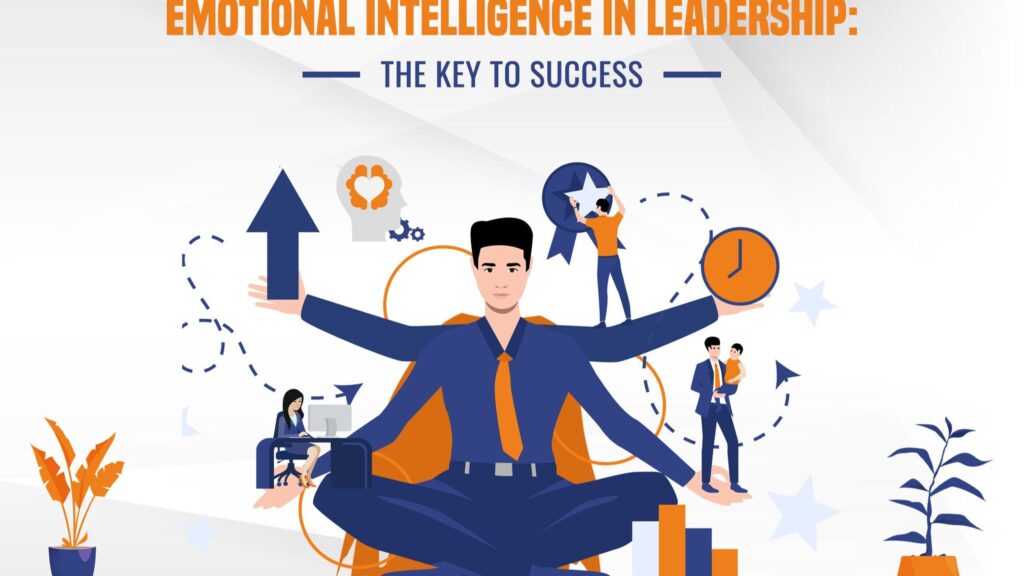
✨ Transforming Challenges Into Growth Opportunities
Perhaps the most powerful aspect of emotional intelligence is its ability to transform how we relate to challenges and setbacks. Instead of viewing difficulties as threats to avoid, emotionally intelligent individuals recognize them as opportunities for growth and learning.
This reframing doesn’t mean adopting toxic positivity or denying legitimate difficulties. Rather, it involves acknowledging emotional responses to challenges while maintaining perspective and agency. You can feel disappointed about a setback while simultaneously strategizing how to move forward—emotional intelligence allows space for both experiences.
The resilience that comes from developed emotional intelligence creates an upward spiral. As you successfully navigate challenges using emotional awareness and regulation, your confidence grows. This increased confidence makes future challenges less threatening, which improves performance, creating even more positive experiences to build upon.
Mastering your emotions isn’t about controlling or suppressing them—it’s about understanding their messages, managing their expression, and harnessing their energy toward meaningful goals. Whether you’re pursuing academic achievement, professional advancement, or personal fulfillment, emotional intelligence provides the foundation for sustained success and genuine satisfaction. The journey toward greater emotional intelligence begins with a single step: the decision to pay attention to your inner emotional landscape with curiosity and compassion rather than judgment. From that simple beginning, transformative change becomes not just possible, but inevitable.