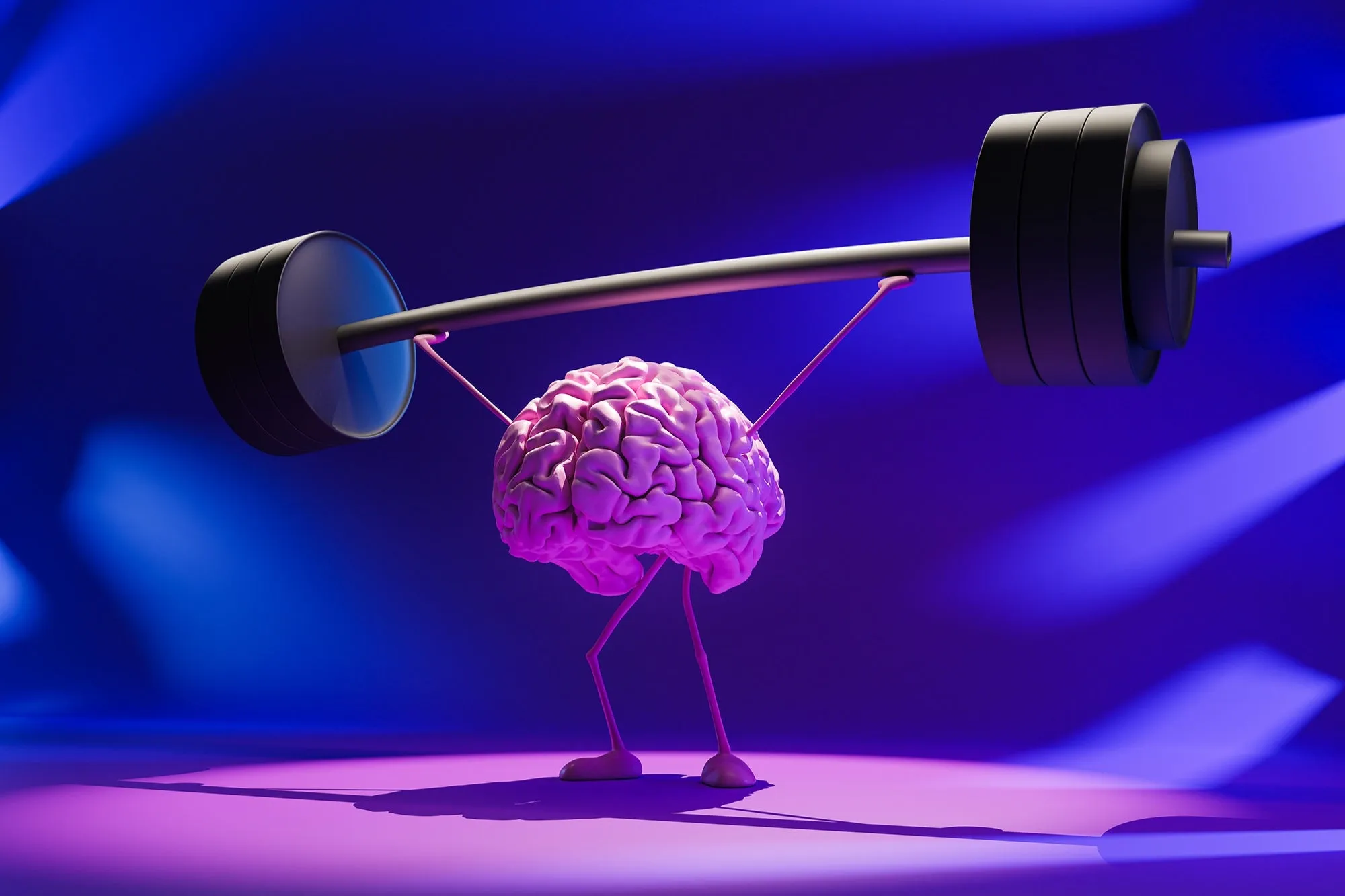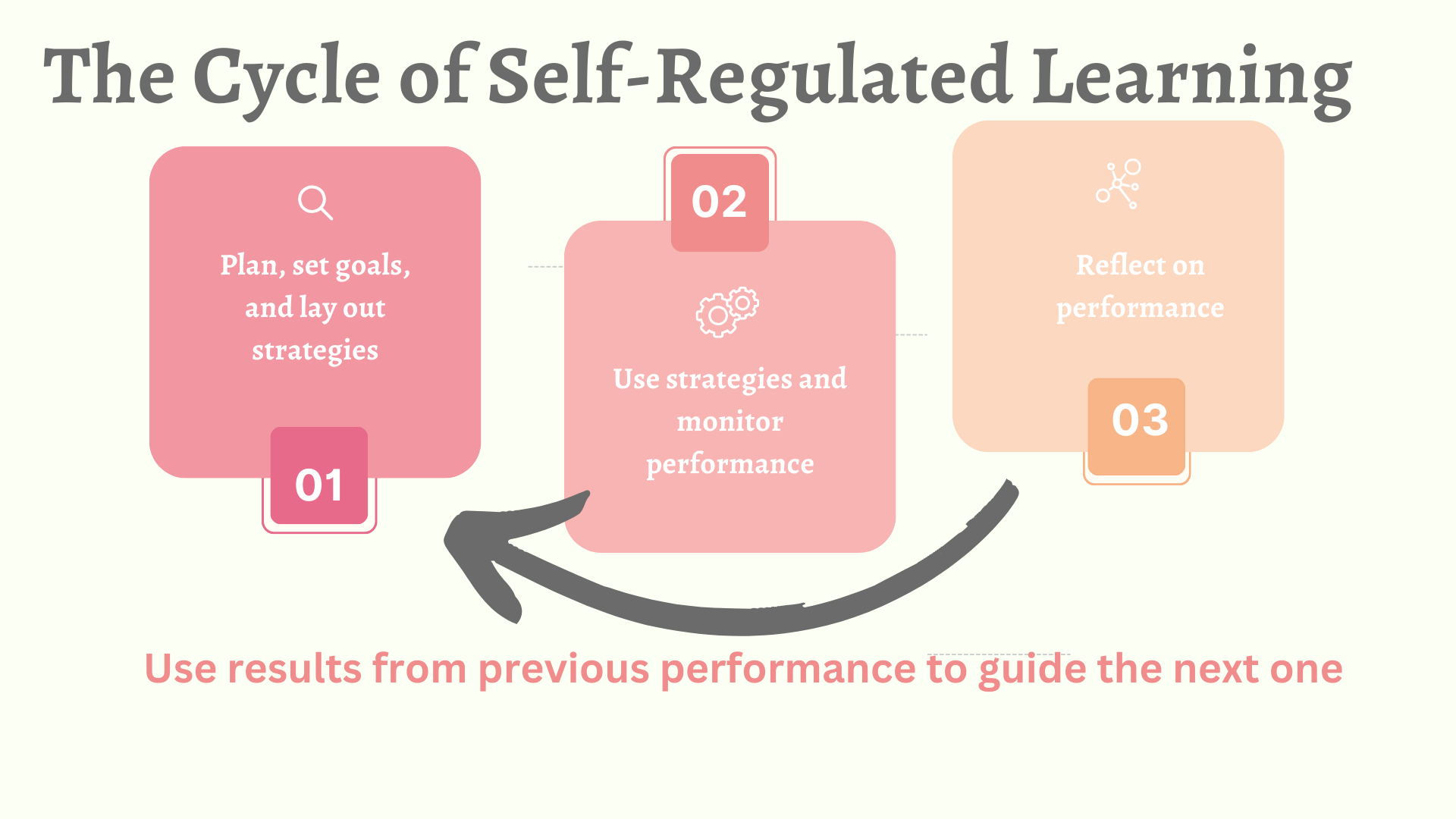
Your brain is an incredible machine capable of learning, adapting, and retaining skills throughout your entire lifetime. Understanding how this process works can transform the way you approach learning anything new.

🧠 The Fascinating Architecture of Memory Formation
Every skill you’ve ever learned—from riding a bicycle to playing a musical instrument—has left a physical trace in your brain. This isn’t metaphorical; it’s literal neuroscience. When you practice a new skill, your neurons form connections called synapses, creating neural pathways that become stronger with repetition.
The process begins in your hippocampus, the brain’s memory center, which acts like a temporary storage facility. As you practice and repeat a skill, this information gradually transfers to your neocortex for long-term storage. This transition from short-term to long-term memory is where the magic of skill retention truly happens.
Research from leading neuroscience institutions has shown that this consolidation process doesn’t just happen during practice sessions. Your brain continues working on these neural connections during sleep, particularly during REM cycles. This explains why you often wake up performing better at a skill you struggled with the previous day.
The Role of Myelin in Skill Mastery
One of neuroscience’s most exciting discoveries relates to a substance called myelin. This fatty white tissue wraps around nerve fibers, functioning like insulation on electrical wires. The more you practice a specific skill, the more myelin your brain produces around the relevant neural pathways.
This myelination process makes signal transmission up to 100 times faster and dramatically improves skill execution. Elite athletes, master musicians, and expert surgeons all have one thing in common: extensively myelinated neural pathways in the brain regions controlling their specific skills.
⚡ Neuroplasticity: Your Brain’s Superpower
Perhaps the most empowering discovery in modern neuroscience is neuroplasticity—the brain’s ability to reorganize itself by forming new neural connections throughout life. This capability demolishes the old myth that you can’t teach an old dog new tricks.
Neuroplasticity operates on several principles that directly impact skill retention. First, neurons that fire together wire together, a concept known as Hebbian learning. When you repeatedly perform an action, the neurons involved in that action strengthen their connections, making the skill easier and more automatic over time.
Second, your brain demonstrates remarkable efficiency through a process called synaptic pruning. Neural connections you don’t use gradually weaken and disappear, while frequently used pathways become stronger. This is why consistent practice matters more than occasional intensive sessions.
The Critical Window for Skill Acquisition
While neuroplasticity continues throughout life, research identifies certain periods when the brain shows heightened receptivity to learning specific skills. However, this doesn’t mean adults can’t achieve mastery. Adult brains may require different strategies, but they bring advantages like better metacognition and strategic thinking to the learning process.
Studies comparing adult and child learners reveal that while children may develop certain skills more quickly, adults often demonstrate superior retention and application of learned skills due to their ability to connect new information with existing knowledge frameworks.
🎯 The Science Behind Practice and Retention
Not all practice is created equal when it comes to skill retention. Neuroscience has identified specific practice methods that optimize how effectively your brain encodes and retains new abilities.
Deliberate practice, a term coined by psychologist Anders Ericsson, involves focused attention on specific aspects of performance that push you slightly beyond your current ability level. This type of practice triggers the strongest neural adaptations because it requires your brain to work at the edge of its capabilities.
The Spacing Effect and Memory Consolidation
One of the most robust findings in memory research is the spacing effect. Distributing your practice over time produces significantly better long-term retention than cramming the same amount of practice into a single session.
The reason relates to how your brain consolidates memories. Each practice session initiates consolidation processes that continue for hours or even days afterward. By spacing your practice, you give your brain multiple opportunities to strengthen neural pathways and integrate new information with existing knowledge.
Research suggests optimal spacing intervals depend on how long you need to retain the skill. For long-term retention, gradually increasing intervals between practice sessions—starting with daily practice, then every other day, then weekly—produces excellent results.
💡 Attention and Focus: The Gateway to Retention
Your attention acts as a spotlight that determines what your brain deems important enough to remember. Without focused attention, information rarely makes it from short-term to long-term memory storage.
Neuroscientists have discovered that attention activates specific neurotransmitters, particularly dopamine and norepinephrine, which tag information as important. These chemicals enhance synaptic plasticity, making it easier for your brain to form and strengthen the neural connections underlying skill retention.
The prefrontal cortex plays a crucial role in directing attention, but it has limited capacity. This explains why multitasking while learning severely impairs skill acquisition and retention. When you divide your attention, you dilute the neural resources available for encoding new skills into long-term memory.
Managing Cognitive Load for Better Learning
Cognitive load theory explains that your working memory can only handle limited information simultaneously. Effective skill learning involves managing this load by breaking complex skills into manageable components.
As you practice and individual components become automatic, they require less conscious attention. This frees up cognitive resources for integrating components into more complex skills. Expert performers can execute sophisticated skills because many subcomponents have become automatic through extensive practice.
🔄 The Power of Interleaving and Variable Practice
While blocked practice—repeatedly practicing one skill before moving to another—feels more productive, interleaved practice produces superior long-term retention. Interleaving involves mixing different but related skills during practice sessions.
This approach challenges your brain to continually retrieve and apply different skills, strengthening neural pathways more effectively than repetitive blocked practice. Research across domains from mathematics to sports consistently demonstrates interleaving’s advantages for skill retention.
Variable practice takes this principle further by practicing skills under different conditions. A basketball player practicing shots from various positions, or a musician playing pieces at different tempos, builds more robust and flexible skill representations in the brain.
Why Difficulty During Practice Predicts Better Retention
Robert Bjork’s concept of “desirable difficulties” revolutionized understanding of effective learning. Conditions that make practice feel more difficult often produce better long-term retention, even though they may slow immediate performance.
These desirable difficulties include spacing practice sessions, interleaving different skills, varying practice conditions, and testing yourself rather than simply rereading or rewatching material. Each of these approaches requires greater mental effort, which strengthens neural encoding and improves retention.
😴 Sleep: The Unsung Hero of Skill Retention
Sleep represents one of the most powerful yet underutilized tools for enhancing skill retention. During sleep, your brain doesn’t simply rest—it actively processes and consolidates information learned while awake.
Different sleep stages contribute uniquely to memory consolidation. Slow-wave sleep, the deepest stage, appears particularly important for consolidating declarative memories and facts. REM sleep plays a crucial role in consolidating procedural memories and motor skills.
Studies show that people who sleep after learning a new skill demonstrate significantly better retention than those who stay awake for an equivalent period. The brain literally practices skills during sleep, replaying and strengthening neural patterns activated during waking practice.
Optimizing Sleep for Learning
Quality matters as much as quantity when it comes to sleep’s benefits for skill retention. Aim for seven to nine hours of sleep per night, maintaining consistent sleep and wake times to support your brain’s natural rhythms.
Avoiding screens before bed, keeping your bedroom cool and dark, and managing stress through relaxation techniques can significantly improve sleep quality. Some research even suggests that brief naps after learning sessions may enhance memory consolidation.
🎵 The Emotional Component of Memory Retention
Emotions profoundly influence how effectively your brain encodes and retains skills. The amygdala, your brain’s emotional center, communicates directly with the hippocampus, modulating memory formation based on emotional significance.
Moderate emotional arousal enhances memory consolidation by triggering the release of stress hormones that strengthen neural connections. This explains why emotionally significant events create such vivid, lasting memories. You can leverage this principle by making learning sessions more engaging and emotionally meaningful.
However, excessive stress impairs learning and memory. Chronic stress exposure damages the hippocampus and interferes with neuroplasticity. Finding the sweet spot of optimal arousal—challenged but not overwhelmed—maximizes your brain’s learning capacity.
🏋️ Physical Exercise and Brain Health
Exercise doesn’t just build muscles—it profoundly affects brain structure and function. Physical activity increases production of brain-derived neurotrophic factor (BDNF), a protein that supports neuron growth, survival, and plasticity.
Aerobic exercise particularly enhances hippocampal function and increases its volume. Studies show that people who exercise regularly demonstrate better memory, faster learning, and superior skill retention compared to sedentary individuals.
Even single exercise sessions can enhance learning. Research indicates that exercising before or after learning new skills may improve retention by priming the brain for plasticity and enhancing consolidation processes.
🍎 Nutrition’s Role in Cognitive Performance
Your brain’s physical structure and function depend on the nutrients you provide. Omega-3 fatty acids, particularly DHA, are essential components of neural membranes and support synaptic plasticity. Foods rich in antioxidants protect neurons from oxidative stress that can impair learning.
Hydration also significantly impacts cognitive function. Even mild dehydration can impair attention, working memory, and motor skills. Maintaining adequate hydration throughout the day supports optimal brain performance during learning and practice.
🔍 Testing and Retrieval Practice
Testing yourself on learned material doesn’t just assess knowledge—it actively strengthens memory and improves long-term retention. This phenomenon, called the testing effect, represents one of the most powerful learning strategies available.
Retrieval practice works because the act of recalling information strengthens the neural pathways involved in storing that information. Each successful retrieval makes future retrieval easier and more reliable.
For optimal results, incorporate frequent low-stakes self-testing into your practice routine. Use flashcards, practice problems, or mental rehearsal to actively retrieve information rather than passively reviewing notes or watching demonstrations.
🌟 Unleashing Your Full Potential
Understanding the neuroscience of skill retention empowers you to design more effective learning strategies. Your brain’s remarkable plasticity means you can continue developing new skills and improving existing ones throughout your lifetime.
The key lies in aligning your practice methods with how your brain naturally learns and remembers. Prioritize focused attention during practice, space your learning sessions appropriately, challenge yourself with desirable difficulties, and support your brain through adequate sleep, exercise, and nutrition.
Remember that skill acquisition requires patience. Neural changes underlying expertise develop gradually over months and years of consistent practice. Trust the process, remain consistent, and watch as your brain transforms practice into permanent capability.
Every practice session represents an investment in your brain’s architecture. The neural pathways you build today will serve you for years to come, demonstrating the remarkable capacity of the human brain to learn, adapt, and retain skills across a lifetime of growth and development.