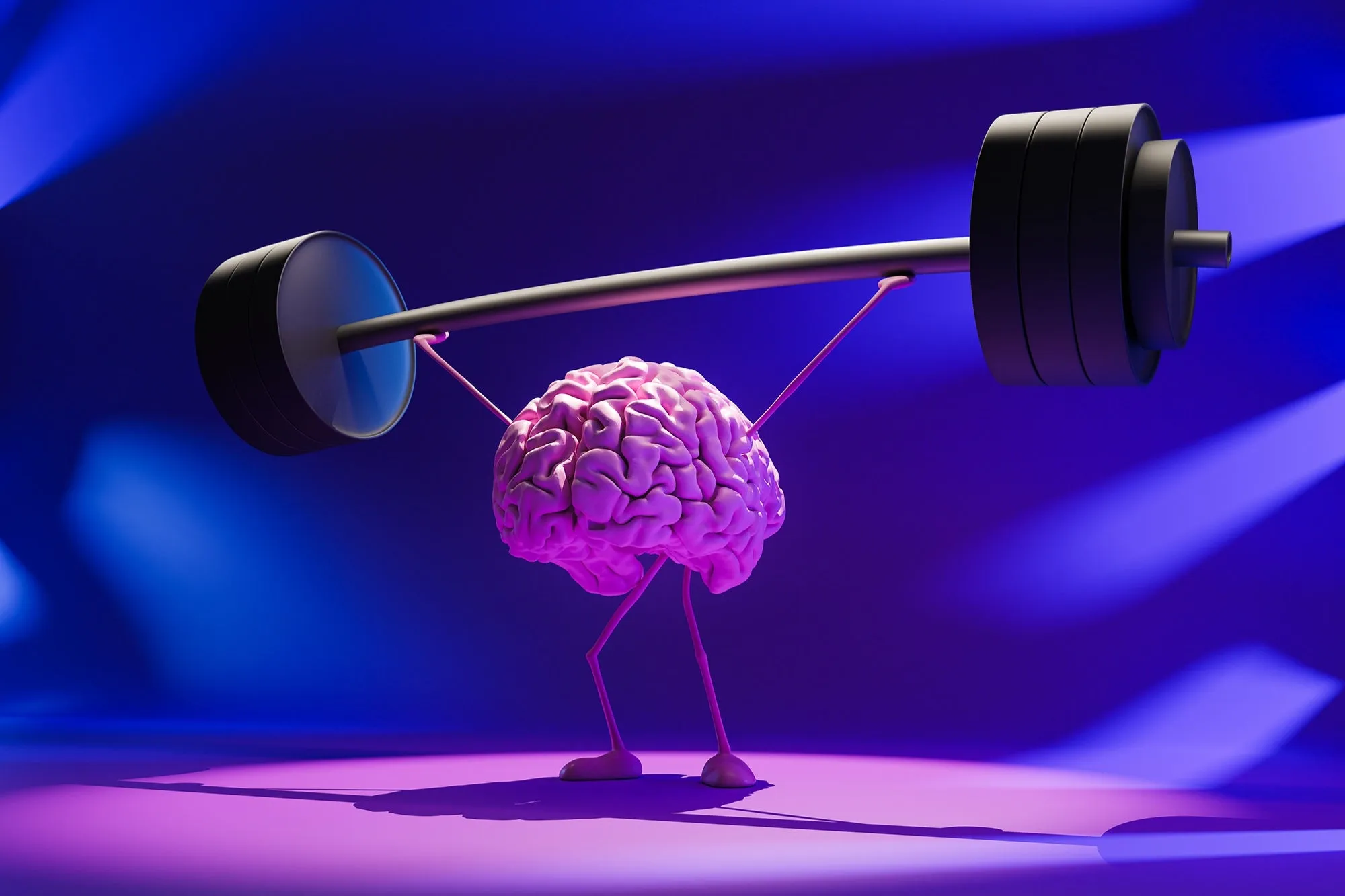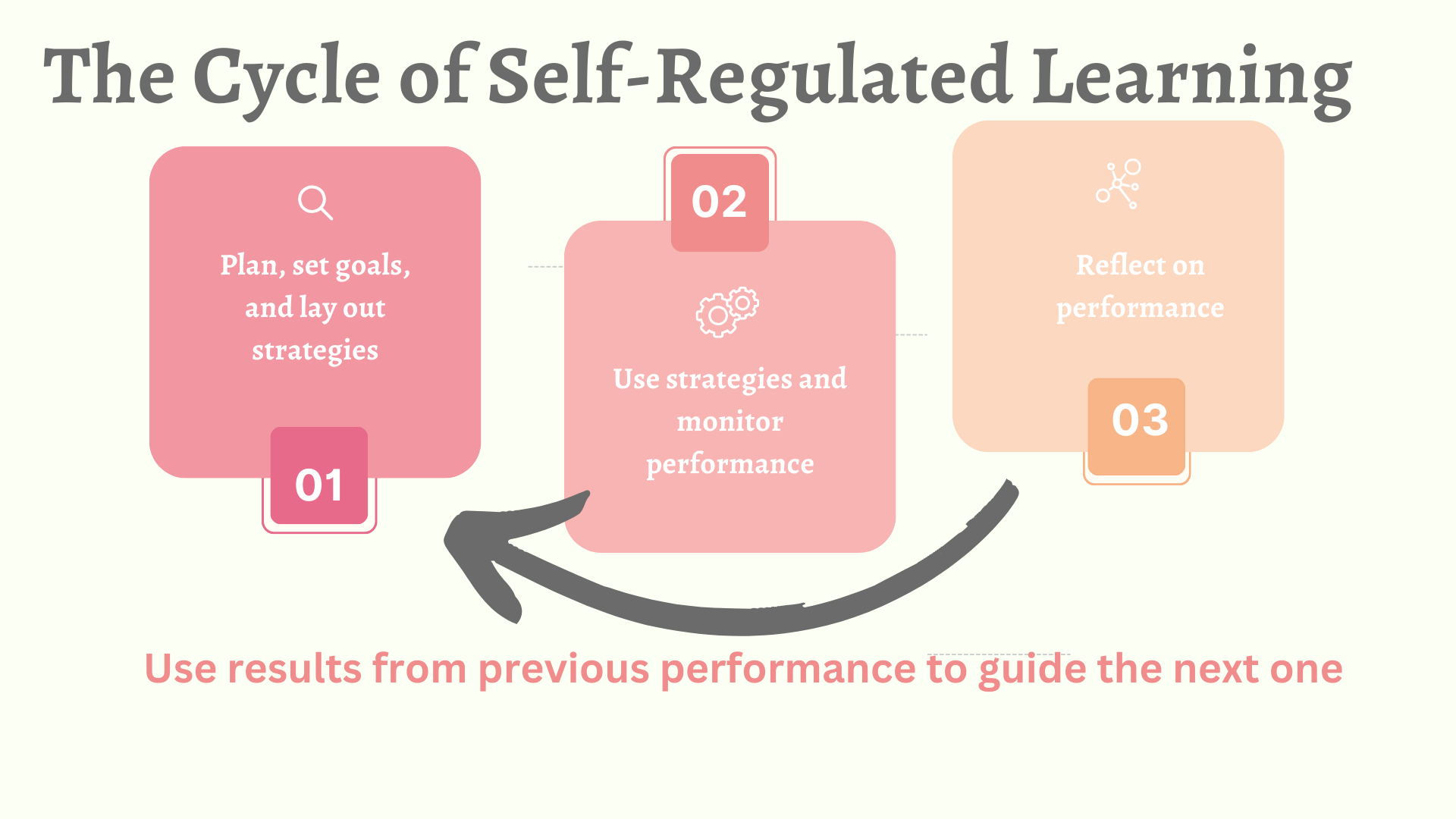
Peak performance isn’t just about working harder—it’s about training your brain to work smarter through strategic executive function development.

In today’s fast-paced world, the difference between those who thrive and those who merely survive often comes down to one critical factor: executive function. These cognitive skills—including working memory, cognitive flexibility, and inhibitory control—form the foundation of how we plan, focus, solve problems, and achieve our goals. Whether you’re a business professional striving for that next promotion, an athlete pushing for personal bests, or simply someone looking to optimize daily productivity, understanding and enhancing your executive functions can be the game-changer you’ve been searching for.
The science behind executive function training has evolved dramatically over the past decade. What was once the domain of clinical psychology and special education has now become a mainstream approach to personal development and performance optimization. From Silicon Valley executives to Olympic athletes, high performers across all domains are discovering that targeted cognitive training can unlock capabilities they never knew they possessed.
🧠 Understanding Executive Function: Your Brain’s Control Center
Executive functions are essentially your brain’s management system—the CEO of your cognitive processes. These neural networks, primarily located in the prefrontal cortex, orchestrate everything from decision-making to emotional regulation. Think of them as the air traffic controllers of your mind, coordinating multiple mental processes simultaneously while filtering distractions and keeping you focused on what matters most.
The three core components of executive function work together in harmony. Working memory allows you to hold and manipulate information in your mind—like remembering instructions while executing a complex task. Cognitive flexibility enables you to adapt when circumstances change, switching between different concepts or perspectives with ease. Inhibitory control helps you resist impulses and stay focused, filtering out distractions that could derail your progress.
Research from leading neuroscience institutions has demonstrated that executive functions aren’t fixed traits you’re born with—they’re skills that can be developed, strengthened, and optimized throughout your lifetime. This neuroplasticity means that with the right training tools and consistent practice, anyone can enhance their cognitive performance significantly.
Why Executive Function Training Matters for Peak Performance
The connection between strong executive functions and success across life domains is well-established in scientific literature. Studies have shown that individuals with well-developed executive skills tend to earn higher incomes, maintain better physical health, experience more satisfying relationships, and report greater overall life satisfaction.
In professional settings, executive function directly impacts productivity and leadership capability. When your working memory is sharp, you can juggle multiple projects without dropping details. Strong cognitive flexibility allows you to pivot strategies when market conditions change. Excellent inhibitory control helps you stay focused during lengthy meetings and resist the constant pull of digital distractions.
For students and lifelong learners, executive function skills determine academic success more reliably than IQ alone. The ability to plan study sessions, organize information, sustain attention during challenging material, and regulate emotions during high-stakes testing situations all stem from executive function capabilities.
⚡ Modern Training Tools That Transform Cognitive Performance
The digital age has revolutionized how we approach executive function training. Gone are the days when cognitive enhancement required expensive clinical interventions or specialized equipment. Today’s training tools range from sophisticated mobile applications to evidence-based brain training programs that fit seamlessly into daily routines.
Digital Brain Training Platforms
Scientifically-designed apps have emerged as accessible entry points for executive function training. These platforms typically offer gamified exercises targeting specific cognitive skills, with adaptive difficulty levels that grow alongside your abilities. The best applications track your progress over time, providing data-driven insights into your cognitive strengths and areas for development.
One highly-regarded option in this space is Elevate, which offers personalized brain training programs focused on critical cognitive skills including memory, processing speed, and mental math. The app adapts to your performance level and creates custom workout plans tailored to your specific goals.
Another excellent tool is Lumosity, developed in collaboration with neuroscientists and cognitive researchers. This platform provides a comprehensive suite of games designed to challenge working memory, attention, flexibility, and problem-solving skills through engaging daily workouts.
Task Management and Organization Systems
Executive function training isn’t just about brain games—it’s also about building external systems that support your cognitive processes. Digital task managers help offload working memory demands while training organizational skills and planning abilities.
Tools like Todoist create structured environments where you can practice breaking large projects into manageable steps, setting realistic timelines, and prioritizing competing demands—all exercises that strengthen executive function in real-world contexts.
Mindfulness and Meditation Applications
The connection between mindfulness practice and executive function enhancement is increasingly well-documented. Regular meditation has been shown to increase gray matter density in the prefrontal cortex, improve attention span, and enhance emotional regulation—all key components of executive function.
Headspace offers guided meditations specifically designed to improve focus, reduce stress, and enhance cognitive performance. The app’s structured programs make it easy to build a consistent practice that supports executive function development.
🎯 Implementing an Effective Executive Function Training Protocol
Simply downloading brain training apps won’t automatically transform your cognitive performance. Like any skill development, executive function training requires a strategic approach, consistency, and integration into your broader lifestyle.
Creating Your Personalized Training Plan
Start by assessing your current executive function baseline. Which cognitive skills feel strongest? Where do you struggle most? Do you lose track of tasks easily, suggesting working memory challenges? Do you find it difficult to shift gears when plans change, indicating cognitive flexibility needs? Do you constantly get distracted, pointing to inhibitory control weaknesses?
Once you’ve identified priority areas, select 2-3 tools that target those specific functions. Avoid the trap of downloading dozens of apps—focused, consistent practice with a few quality tools produces better results than scattered efforts across many platforms.
Schedule specific times for cognitive training, just as you would any important appointment. Research suggests that 15-20 minutes of focused brain training, done consistently 5-6 days per week, produces measurable improvements within 4-6 weeks.
Progressive Overload for Cognitive Growth
The principle of progressive overload—gradually increasing difficulty over time—applies to cognitive training just as it does to physical fitness. The best training tools automatically adjust challenge levels, but you should also consciously push yourself slightly beyond your comfort zone.
When an exercise becomes too easy, that’s a sign you’ve adapted and it’s time to increase complexity. Most quality brain training platforms track your performance data and make these adjustments automatically, ensuring you’re always working at the edge of your current capabilities.
Beyond Digital Tools: Lifestyle Factors That Amplify Results
While targeted training tools provide structured cognitive workouts, your broader lifestyle choices profoundly impact executive function capacity. The most effective approach combines digital training with evidence-based lifestyle optimization.
Physical Exercise as Cognitive Enhancement
Aerobic exercise ranks among the most powerful executive function boosters available. Regular cardiovascular activity increases blood flow to the prefrontal cortex, stimulates neurogenesis, and elevates brain-derived neurotrophic factor (BDNF)—essentially fertilizer for brain cells.
Studies show that just 30 minutes of moderate-intensity exercise immediately improves executive function performance, with effects lasting several hours. Long-term consistent exercise produces structural brain changes that permanently enhance cognitive capacity.
Sleep: The Foundation of Cognitive Performance
Perhaps nothing impacts executive function more dramatically than sleep quality and quantity. During deep sleep, your brain consolidates memories, clears metabolic waste products, and strengthens neural connections formed during waking hours.
Research consistently demonstrates that even modest sleep deprivation—getting 6 hours instead of 7-8—significantly impairs working memory, attention, and decision-making. Prioritizing consistent, high-quality sleep isn’t optional if you’re serious about maximizing cognitive performance.
Nutrition for Optimal Brain Function
Your brain accounts for only 2% of body weight but consumes approximately 20% of your energy. What you eat directly influences executive function capacity. Diets rich in omega-3 fatty acids, antioxidants, and complex carbohydrates support optimal cognitive performance, while processed foods, excessive sugar, and inflammatory ingredients impair executive function.
Strategic supplementation—including omega-3s, vitamin D, and certain nootropics—may provide additional cognitive benefits, though whole-food nutrition should always form the foundation.
📊 Measuring Progress and Maintaining Momentum
Quantifying cognitive improvements keeps you motivated and helps refine your training approach. Most digital training platforms include robust analytics showing skill progression over time. Pay attention to these metrics, but also monitor real-world improvements in daily life.
Keep a simple executive function journal where you note observations about your cognitive performance: Are you remembering details better? Adapting more easily to unexpected changes? Maintaining focus longer during challenging work? These subjective assessments often reveal progress before objective metrics show dramatic changes.
Set specific, measurable goals tied to your executive function development. Rather than vague aspirations like “get smarter,” target concrete outcomes: “Complete work projects without missing deadlines,” “Maintain focus for 90-minute deep work sessions,” or “Learn a new skill requiring cognitive flexibility each quarter.”
Common Pitfalls and How to Avoid Them
Many people start executive function training with enthusiasm but plateau or abandon their efforts. Understanding common obstacles helps you navigate around them.
The consistency trap catches many practitioners. Missing a few training sessions feels insignificant, but sporadic practice produces minimal results. Treat your cognitive training like brushing your teeth—a non-negotiable daily habit rather than an optional activity you do when motivated.
Another common mistake is training in isolation without applying skills to real-world contexts. Brain games develop cognitive capacity, but you must consciously practice using enhanced executive functions in daily life. When you complete a working memory exercise, deliberately apply that skill to remembering meeting details without notes. When practicing cognitive flexibility in an app, transfer that capability to adapting when project requirements change.
Expecting overnight transformations also derails many efforts. Executive function enhancement requires patience—meaningful improvements typically emerge over weeks and months, not days. Trust the process, stay consistent, and recognize small wins along the way.
🚀 Advanced Strategies for Sustained Cognitive Excellence
Once you’ve established basic executive function training habits and experienced initial improvements, advanced strategies can take your cognitive performance to even higher levels.
Cognitive Cross-Training
Just as athletes benefit from cross-training different physical capacities, cognitive cross-training—deliberately practicing diverse mental skills—produces robust executive function development. Combine logic puzzles with creative tasks, memory exercises with strategic games, and focused attention work with open-awareness meditation.
Learning genuinely new skills—especially those combining cognitive and motor elements like playing a musical instrument or learning a language—provides comprehensive executive function workouts that isolated brain games cannot match.
Environmental Design for Cognitive Success
Your physical and digital environments profoundly influence executive function performance. Design spaces that support rather than sabotage your cognitive goals. Minimize visual clutter that taxes working memory. Create dedicated zones for focused work where inhibitory control isn’t constantly challenged by distractions. Organize digital spaces so cognitive flexibility isn’t demanded just to find basic files.
Social Accountability and Cognitive Communities
Connecting with others pursuing similar cognitive development goals provides motivation, accountability, and collective wisdom. Many brain training platforms include community features where users share strategies and celebrate progress. Consider forming a cognitive training accountability group where members support each other’s executive function development journeys.
Integrating Executive Function Training Into Your Life Story
Ultimately, executive function training isn’t about becoming someone different—it’s about becoming more fully yourself. These cognitive skills enable you to translate intentions into actions, dreams into realities, and potential into performance.
The tools and strategies outlined here provide a comprehensive framework for enhancing the mental capacities that underpin success across all life domains. By combining evidence-based digital training tools with lifestyle optimization and real-world practice, you create a powerful system for sustainable cognitive enhancement.
Your executive functions are already at work as you read these final words—your working memory holding key concepts, your cognitive flexibility integrating new information with existing knowledge, your inhibitory control keeping you focused despite competing demands. The question isn’t whether you’ll use these skills, but how well-developed they’ll be.
Start today with one simple action: choose a single executive function training tool and commit to using it consistently for the next 30 days. Track your progress, notice real-world improvements, and adjust your approach based on results. Your future self—the version with enhanced cognitive capabilities and unlocked potential—will thank you for taking this first step toward peak performance. 🎯