In today’s rapidly evolving world, the ability to continuously learn and adapt has become the cornerstone of personal and professional success.

The concept of lifelong learning is no longer just a philosophical ideal—it’s a practical necessity. As industries transform, technologies advance, and job markets shift, those who commit to ongoing education and skill development position themselves at the forefront of opportunity. Whether you’re a recent graduate, a mid-career professional, or someone contemplating a career change, embracing a learning mindset can unlock doors you never imagined possible.
The beautiful truth is that learning doesn’t end when formal education does. In fact, some of the most valuable lessons come from experiences outside traditional classrooms. The question isn’t whether you have time to learn—it’s whether you can afford not to. Let’s explore how cultivating a lifelong learning mindset can transform your trajectory and help you achieve unprecedented success.
🧠 Understanding the Lifelong Learning Mindset
A lifelong learning mindset goes beyond simply acquiring new information. It represents a fundamental approach to life that views every experience as an opportunity for growth. This perspective acknowledges that knowledge isn’t static and that yesterday’s expertise may become tomorrow’s obsolescence without continuous refinement.
People with this mindset demonstrate certain key characteristics. They remain curious about the world around them, asking questions rather than assuming they have all the answers. They view challenges as learning opportunities rather than insurmountable obstacles. Most importantly, they understand that intelligence and abilities can be developed through dedication and effort—what psychologist Carol Dweck calls a “growth mindset.”
This approach contrasts sharply with a fixed mindset, where individuals believe their talents and intelligence are predetermined and unchangeable. Those with fixed mindsets often avoid challenges, give up easily, and see effort as fruitless. Meanwhile, lifelong learners embrace difficulty, persist through setbacks, and understand that mastery requires sustained commitment.
The Science Behind Continuous Learning
Neuroscience has revealed that our brains remain remarkably plastic throughout our lives. This neuroplasticity means that we can form new neural connections and strengthen existing ones regardless of age. Every time we learn something new, we literally reshape our brain’s physical structure.
Research consistently shows that engaging in continuous learning activities can improve cognitive function, delay age-related mental decline, and even reduce the risk of dementia. Learning new skills activates multiple brain regions simultaneously, creating robust neural networks that enhance overall cognitive resilience.
📈 The Professional Advantages of Continuous Learning
In the professional realm, lifelong learning has become indispensable. The World Economic Forum estimates that by 2025, 50% of all employees will need reskilling as technology adoption increases. Those who proactively update their skills will thrive, while those who resist change may find themselves struggling to remain relevant.
Employers increasingly value adaptability and learning agility over static expertise. A candidate who demonstrates the ability to learn quickly and apply new knowledge effectively often trumps someone with more experience but less flexibility. Companies recognize that in fast-paced industries, the capacity to learn may be more valuable than what someone currently knows.
Career Advancement Through Skill Development
Professionals who commit to ongoing education consistently report higher job satisfaction, increased earning potential, and greater career mobility. By continuously expanding your skill set, you create multiple pathways for advancement and protect yourself against industry disruptions.
Consider the tech industry, where programming languages, frameworks, and best practices evolve constantly. Developers who dedicate time to learning new technologies remain in high demand, while those who cling to outdated skills find their opportunities diminishing. This principle applies across virtually every field—from healthcare to marketing, finance to education.
🎯 Practical Strategies for Cultivating Lifelong Learning
Embracing lifelong learning requires intentional strategies and consistent habits. Here are proven approaches to integrate continuous learning into your daily routine:
Create a Personal Learning Plan
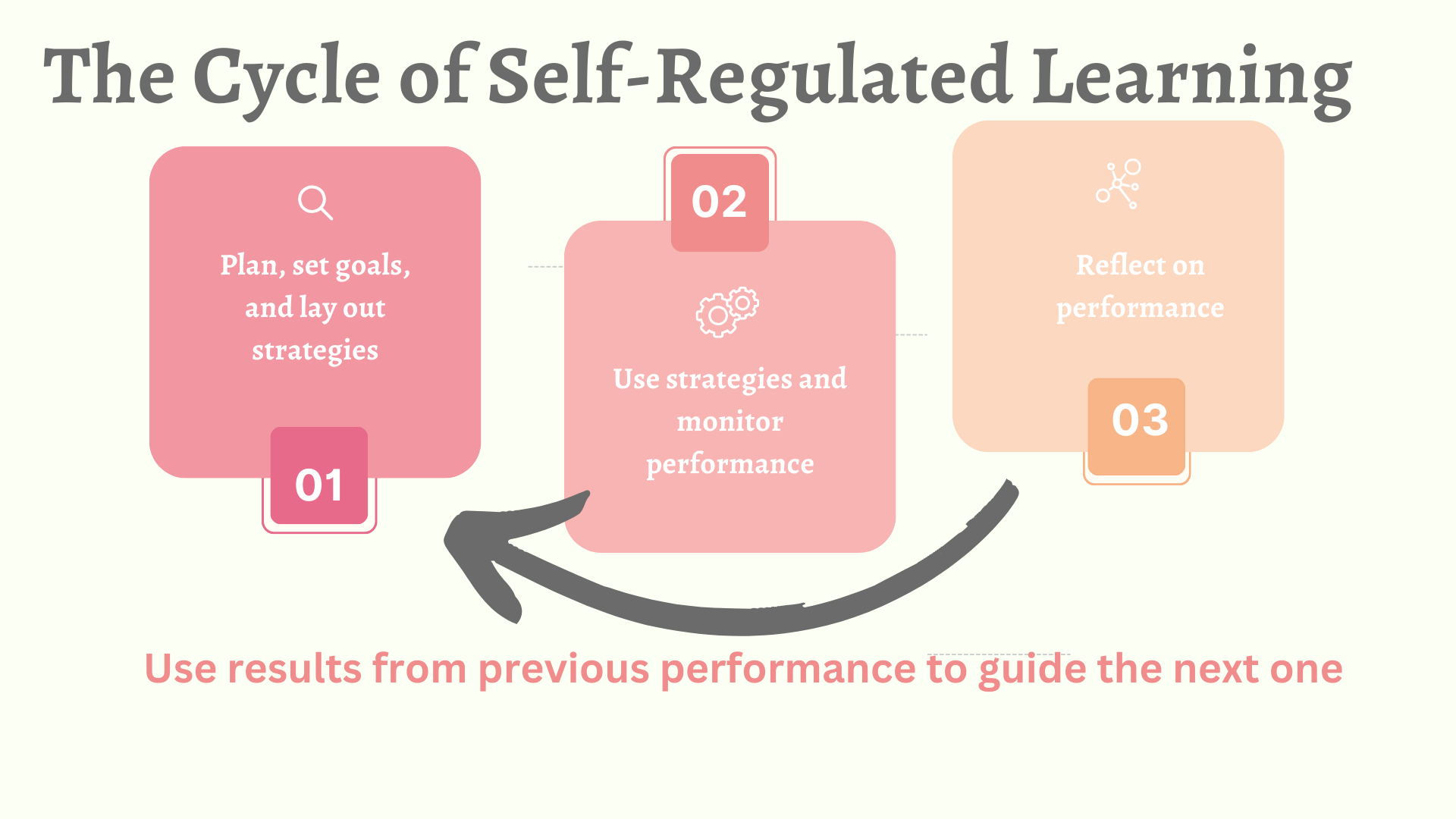
Start by identifying your goals and the skills needed to achieve them. Be specific about what you want to learn and why it matters. A vague intention to “learn more” rarely translates into action, but a concrete plan to “master digital marketing fundamentals by completing three online courses over the next six months” provides clear direction.
Break your learning objectives into manageable milestones. This approach prevents overwhelm and provides regular achievement moments that maintain motivation. Document your progress and regularly assess whether your learning activities align with your evolving goals.
Leverage Multiple Learning Modalities
People learn differently, and the most effective learners utilize various methods. Consider incorporating these approaches:
- Reading: Books, articles, research papers, and industry publications provide depth and theoretical foundations
- Online courses: Structured programs offer comprehensive coverage of topics with guided progression
- Podcasts and audiobooks: Perfect for learning during commutes or exercise
- Video tutorials: Visual demonstrations particularly benefit hands-on skills
- Mentorship: Learning from experienced practitioners provides invaluable real-world insights
- Practice and experimentation: Active application solidifies knowledge more effectively than passive consumption
- Teaching others: Explaining concepts to others deepens your own understanding
Establish Consistent Learning Rituals
Consistency matters more than intensity when building lasting habits. Dedicate specific times to learning activities—perhaps 30 minutes each morning before work or an hour on weekend mornings. Protect this time as you would any important appointment.
Many successful learners apply the principle of “microlearning,” breaking education into small, digestible chunks. Rather than attempting marathon study sessions, they engage with material briefly but frequently, which research suggests enhances retention and reduces cognitive fatigue.
💡 Overcoming Common Learning Barriers
Despite the clear benefits, many people struggle to maintain consistent learning habits. Understanding and addressing common obstacles can help you stay on track.
Time Constraints and Prioritization
The most cited barrier to learning is lack of time. However, this often reflects prioritization rather than actual availability. Most people can find time for what they truly value—the challenge is recognizing learning as essential rather than optional.
Audit how you currently spend your time. You might discover hours spent on social media, television, or other activities that could be partially redirected toward learning. Even replacing just 30 minutes of passive entertainment with active learning can yield significant results over months and years.
Information Overload
The abundance of available learning resources can paradoxically hinder progress. Faced with countless options, people often become paralyzed by choice or bounce between topics without achieving depth in any area.
Combat this by being selective and strategic. Rather than trying to learn everything, focus on subjects aligned with your goals. Complete one course or book before moving to the next. Depth generally provides more value than breadth, particularly when building expertise.
Fear of Failure and Perfectionism
Many adults struggle with learning new skills because they’re uncomfortable being beginners again. After achieving competence in certain areas, the awkwardness of being a novice feels threatening to their self-image.
Reframe failure as feedback rather than a reflection of your worth or potential. Every expert was once a beginner, and mistakes provide the most powerful learning opportunities. Embrace a beginner’s mindset that values progress over perfection and curiosity over ego.
🌐 Technology as a Learning Accelerator
Modern technology has democratized access to knowledge in unprecedented ways. High-quality educational content that once required expensive tuition or geographic proximity to institutions is now available to anyone with an internet connection.
Online learning platforms like Coursera, edX, Udemy, and LinkedIn Learning offer courses on virtually any subject imaginable. Many feature content from top universities and industry experts at a fraction of traditional education costs. Mobile apps have made learning even more accessible, allowing you to study during previously “dead time” like commutes or waiting rooms.
Language learning apps like Duolingo and Babbel gamify education, making daily practice engaging and habit-forming. Skill-specific platforms cater to particular interests—Codecademy for programming, MasterClass for creative pursuits, or Brilliant for mathematics and science.
Building Your Digital Learning Ecosystem
Curate a personal learning ecosystem that supports your goals. Subscribe to newsletters from thought leaders in your field. Follow educational YouTube channels. Join online communities where members share resources and insights. Bookmark valuable articles and organize them for future reference.
However, remember that technology is a tool, not a solution. Collecting courses and resources without actually engaging with them creates the illusion of learning without the substance. Focus on active participation rather than passive accumulation.
🤝 The Social Dimension of Learning
While self-directed study is valuable, learning alongside others amplifies effectiveness and enjoyment. Social learning leverages collective knowledge, provides accountability, and offers diverse perspectives that enrich understanding.
Finding Your Learning Community
Seek out communities of fellow learners, whether online forums, local meetup groups, professional associations, or study partners. These connections provide motivation during challenging periods, celebrate your progress, and expose you to ideas you might not encounter alone.
Consider joining or creating a mastermind group—a small collection of individuals committed to mutual growth who meet regularly to share knowledge, discuss challenges, and hold each other accountable. The combined wisdom and support of such groups often prove invaluable.
Mentorship Relationships
Both having mentors and serving as one accelerates learning. Mentors provide guidance based on experience, helping you avoid common pitfalls and navigate complex decisions. Meanwhile, mentoring others reinforces your own knowledge and develops leadership skills.
Don’t wait for formal mentorship programs. Reach out to people whose careers you admire and request informational interviews. Many successful professionals gladly share insights with those demonstrating genuine interest and initiative.
🎨 Learning Beyond Professional Development
While career-focused learning is important, don’t neglect subjects outside your professional domain. Pursuing diverse interests enhances creativity, provides mental refreshment, and often yields unexpected cross-pollination of ideas.
Learning a musical instrument, studying philosophy, exploring art history, or mastering a new sport develops different cognitive capacities and keeps your brain challenged in varied ways. These pursuits provide intrinsic satisfaction beyond instrumental value, reminding us that learning itself is rewarding regardless of practical applications.
Many breakthrough innovations come from connecting ideas across disciplines. Steve Jobs famously credited a calligraphy course with inspiring Apple’s attention to typography and design. Your “irrelevant” interests might someday inform your work in surprising ways.
📊 Measuring Progress and Celebrating Growth
Tracking your learning journey maintains motivation and provides tangible evidence of progress. This doesn’t require elaborate systems—simple documentation suffices.
Consider maintaining a learning journal where you record new concepts, reflections, and applications. Review it periodically to appreciate how far you’ve come. Create a portfolio showcasing projects or accomplishments resulting from new skills. Track books read, courses completed, or certifications earned.
Recognizing Non-Linear Progress
Learning rarely follows a straight upward trajectory. Expect plateaus where progress feels stagnant, followed by breakthrough moments where everything suddenly clicks. This pattern is normal and doesn’t indicate failure or lack of ability.
During challenging periods, remember your why—the reasons you committed to learning in the first place. Revisit your goals and reflect on progress already made. Sometimes taking a brief break allows your brain to consolidate information unconsciously before returning with renewed clarity.
🚀 Transforming Learning Into Lasting Success
The ultimate goal of lifelong learning isn’t accumulating knowledge for its own sake, but applying it to create meaningful outcomes. Information becomes power only when translated into action.
After learning something new, immediately identify opportunities for application. How can you use this skill at work? What problem might it help solve? Can you share this knowledge with colleagues or friends? Active application reinforces learning far more effectively than passive review.
Document case studies of how new knowledge created value. These become powerful evidence of your capabilities and demonstrate return on investment for time spent learning—important when negotiating raises, seeking promotions, or pursuing new opportunities.
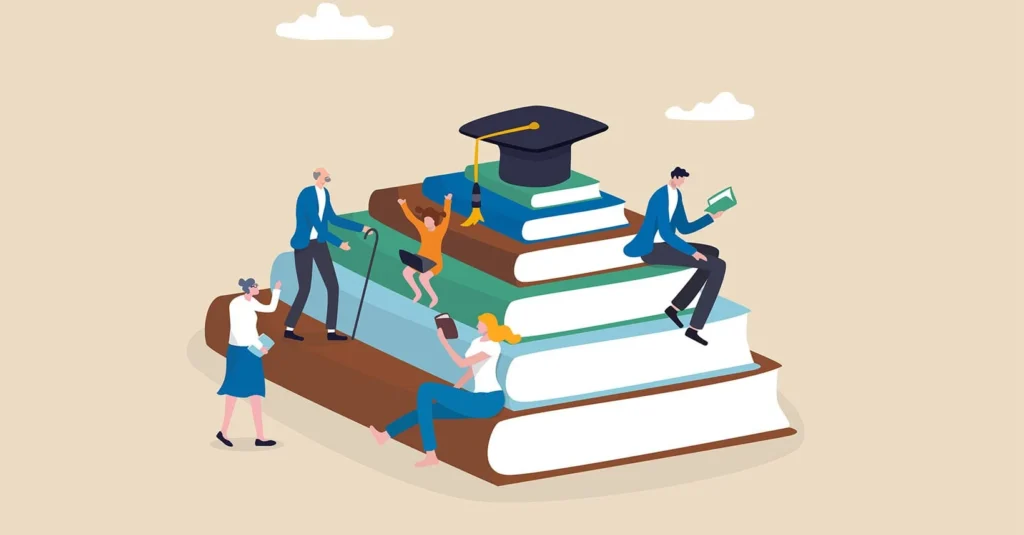
🌟 Your Learning Journey Starts Now
Embracing lifelong learning isn’t about achieving some future state of completeness—it’s about adopting an ongoing process of growth. There’s no perfect moment to begin; the best time is always now. Start small if needed, but start today.
Choose one area you’ve been curious about and take a concrete first step. Enroll in an introductory course, purchase a recommended book, or reach out to someone knowledgeable. That initial action, however modest, begins building momentum.
Remember that every expert you admire was once a beginner who committed to consistent growth. Your potential isn’t fixed—it expands with every new skill acquired, concept understood, and challenge overcome. The compound effect of daily learning produces extraordinary results over time.
The future belongs to those who remain perpetually curious, adaptable, and committed to growth. By embracing lifelong learning, you don’t just prepare for an uncertain future—you actively create the future you desire. Your potential is waiting to be unlocked, one learning experience at a time. The question is: are you ready to turn the key? 🔑