Success in learning isn’t about following someone else’s roadmap—it’s about creating your own personalized study path that aligns with your unique strengths, goals, and learning style.

🎯 Why One-Size-Fits-All Learning No Longer Works
Traditional education systems have long operated on the assumption that every student learns the same way, at the same pace, and with the same methods. This outdated approach has left countless bright minds struggling unnecessarily, not because they lack potential, but because they’re forced into learning frameworks that don’t resonate with their individual cognitive patterns.
Research in educational psychology consistently shows that personalized learning approaches lead to better retention, higher engagement, and more sustainable academic success. When you navigate a study path tailored to your specific needs, you’re not just memorizing information—you’re building genuine understanding that lasts.
The digital age has revolutionized how we access knowledge, providing unprecedented opportunities to customize our learning experiences. From adaptive learning platforms to AI-powered study assistants, the tools available today make personalized education more accessible than ever before.
🧠 Understanding Your Unique Learning Profile
Before you can navigate your personalized study path, you need to understand yourself as a learner. This self-awareness forms the foundation of effective, customized education strategies.
Identifying Your Learning Style Preferences
While learning style theory has evolved beyond simple visual-auditory-kinesthetic categorizations, understanding your preferences remains valuable. Do you grasp concepts better through diagrams and charts? Does listening to explanations help information stick? Or do you need hands-on practice to truly internalize new skills?
Most effective learners utilize multimodal approaches, but knowing your strongest channels allows you to emphasize them when tackling particularly challenging material. Pay attention to which study methods leave you feeling energized versus drained—this emotional response often signals alignment with your natural learning tendencies.
Recognizing Your Peak Performance Times
Chronobiology—the study of biological rhythms—reveals that cognitive performance fluctuates throughout the day. Some people experience peak mental clarity in early morning hours, while others hit their stride during afternoon or evening sessions.
Track your energy levels and concentration quality across different times of day for one week. Schedule your most demanding study tasks during your personal peak performance windows, and reserve routine review or lighter activities for your energy valleys.
Assessing Your Current Knowledge Foundation
Honest self-assessment prevents both wasted time on material you’ve already mastered and dangerous knowledge gaps that undermine advanced learning. Create diagnostic tests for yourself, or use adaptive assessment tools that identify exactly where you stand in your subject mastery.
This baseline understanding allows you to build an efficient study path that focuses energy where it’s actually needed rather than following generic curriculum sequences that may not match your current level.
📋 Designing Your Personalized Study Architecture
With self-knowledge established, you can now construct a study framework that harnesses your strengths while systematically developing weaker areas.
Setting SMART Goals That Actually Motivate You
Generic goals like “get better at math” lack the specificity and emotional connection needed to sustain motivation through challenging study periods. Transform vague intentions into Specific, Measurable, Achievable, Relevant, and Time-bound objectives that excite you.
Instead of “improve my writing,” try “complete one 500-word analytical essay weekly for the next two months, focusing on thesis development and evidence integration.” This precision creates clear milestones and builds momentum through visible progress.
Creating a Flexible Study Schedule
Rigid schedules often fail because life inevitably introduces disruptions. Build flexibility into your study architecture by establishing core non-negotiable study blocks while maintaining buffer zones that accommodate unexpected events.
Consider implementing a weekly planning session where you review upcoming commitments and strategically place study activities around them. This proactive approach prevents the stress of last-minute cramming while maintaining consistency.
Selecting Resources That Match Your Learning Profile
The abundance of learning resources available today is both a blessing and a curse. Rather than trying every app, textbook, and video course, carefully curate a focused toolkit that aligns with your identified learning preferences.
If you’re a visual learner tackling programming, prioritize platforms with strong visual debugging tools and diagram-based explanations. If you learn best through discussion, seek out study groups or online communities where you can verbalize concepts and engage in dialogue.
🚀 Implementation Strategies for Sustained Progress
A brilliant study plan means nothing without consistent execution. These implementation strategies transform intentions into habits and knowledge.
The Power of Microlearning Sessions
Contrary to popular belief, effective studying doesn’t require marathon sessions. Research on attention spans and memory consolidation suggests that focused 25-30 minute study blocks often produce better results than hours of continuous work.
Implement the Pomodoro Technique or similar interval-based approaches that honor your brain’s natural attention cycles. During these focused bursts, eliminate all distractions—close unnecessary browser tabs, silence notifications, and create a distraction-free environment that supports deep concentration.
Active Recall: The Evidence-Based Learning Superpower
Passive rereading creates an illusion of knowledge without building genuine recall ability. Active recall—forcing yourself to retrieve information from memory without looking at source material—strengthens neural pathways far more effectively.
After studying a concept, close your materials and attempt to explain it aloud or write it from memory. The struggle you experience during this process isn’t a sign of failure—it’s the sensation of your brain forming stronger connections.
Spaced Repetition for Long-Term Retention
Information reviewed once quickly fades from memory. Spaced repetition leverages the psychological spacing effect by scheduling reviews at increasing intervals, maximizing retention while minimizing total study time.
Digital flashcard systems like Anki automatically calculate optimal review timing based on your performance, but you can implement spaced repetition manually by reviewing material after one day, then three days, then one week, then two weeks, and so on.
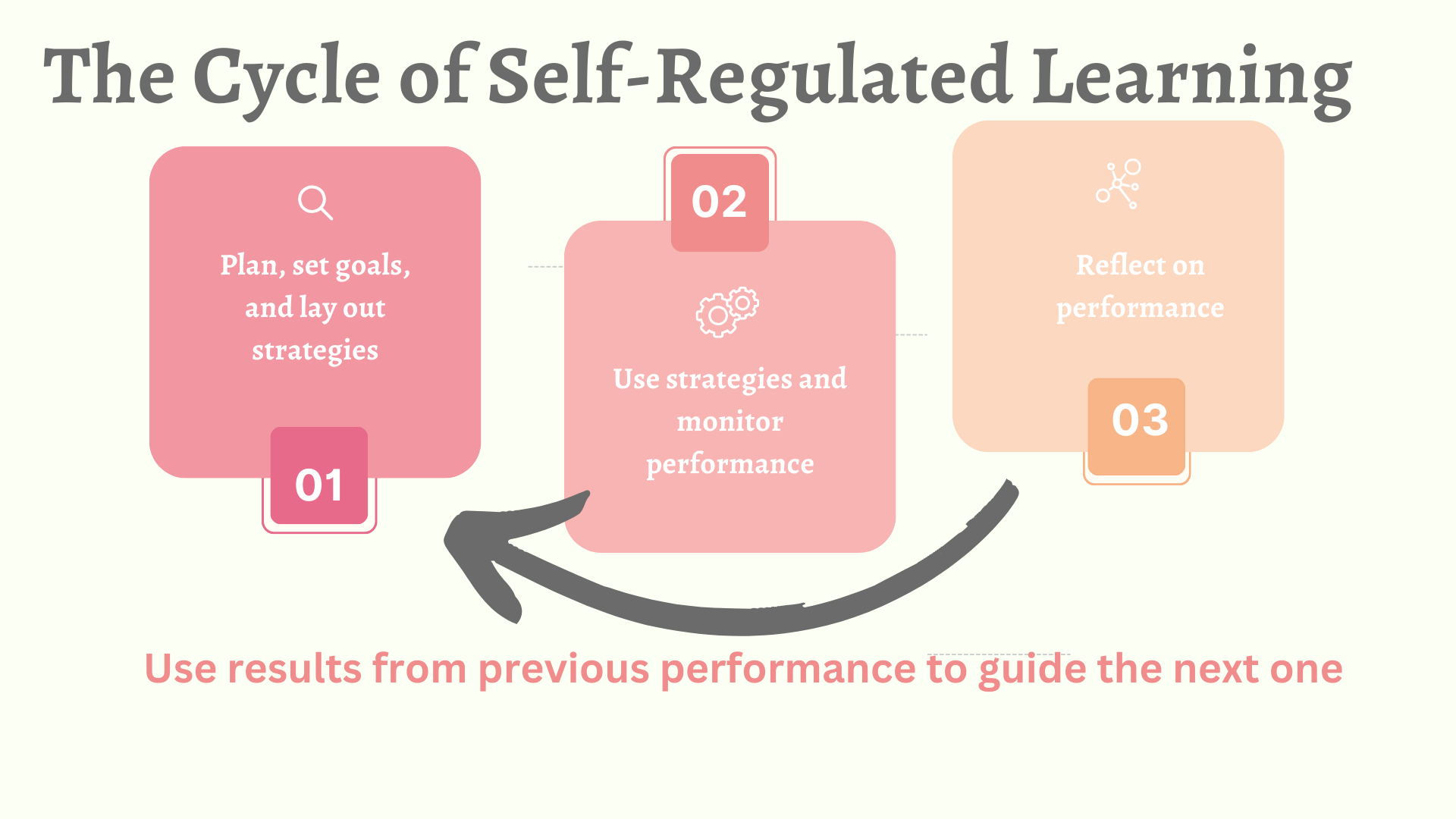
🔄 Adapting Your Path Through Continuous Feedback
Your personalized study path isn’t a static document—it’s a living framework that evolves as you grow, encounter new challenges, and gain insights into what works best for you.
Implementing Regular Self-Assessment Checkpoints
Schedule weekly or biweekly review sessions where you honestly evaluate what’s working and what isn’t. Which study techniques produced genuine understanding? Which activities consumed time without proportional benefit? What obstacles repeatedly disrupted your plans?
Document these insights in a learning journal that becomes an invaluable reference for optimizing future study sessions. Over time, patterns emerge that reveal your most effective learning conditions and methods.
Embracing Strategic Pivots
Sometimes a study approach that seemed perfect on paper proves ineffective in practice. Rather than stubbornly persisting with failing methods, treat your study path as an experiment where negative results provide valuable data.
If video tutorials aren’t clicking despite your visual learning preference, perhaps you need more interactive simulations. If group study sessions drain your energy instead of enhancing understanding, solo study with periodic check-ins might serve you better.
Celebrating Progress and Analyzing Setbacks
Both successes and failures deserve thoughtful examination. When you achieve a learning milestone, identify specifically which strategies contributed to that success so you can replicate them. When you fall short, conduct a blame-free analysis that focuses on process improvement rather than self-criticism.
This growth-oriented perspective transforms setbacks from demoralizing failures into valuable feedback that refines your approach. Every challenge becomes an opportunity to strengthen your personalized learning system.
💡 Advanced Techniques for Accelerated Learning
Once you’ve established your personalized study foundation, these advanced techniques can further optimize your learning velocity and depth.
Interleaving: Mixing It Up for Deeper Understanding
While conventional wisdom suggests mastering one topic before moving to the next, interleaving—deliberately mixing different but related topics in single study sessions—often produces superior long-term retention and transfer of knowledge.
Instead of spending an entire session on quadratic equations, alternate between quadratic equations, linear functions, and exponential growth. This approach forces your brain to actively discriminate between concepts and select appropriate strategies, building more flexible understanding.
The Feynman Technique: Teaching to Learn
Named after Nobel Prize-winning physicist Richard Feynman, this technique involves explaining concepts in simple language as if teaching someone with no background knowledge. The process of simplification exposes gaps in your understanding that passive review might miss.
When you stumble during explanation, you’ve identified exactly where your knowledge needs reinforcement. Return to source materials specifically targeting those gaps, then attempt the explanation again until you can deliver it smoothly.
Elaborative Interrogation: The Power of “Why”
Transform passive information consumption into active sense-making by constantly asking “why” and “how” questions. Why does this principle work? How does it connect to what I already know? Why might this approach fail in certain situations?
This questioning stance builds richer mental models and stronger retrieval cues than simple memorization. The connections you create through elaboration make information more accessible when you need it.
🌟 Building Sustainable Learning Habits
Long-term success depends less on motivation—which fluctuates—and more on sustainable habits that function regardless of how you feel on any given day.
Environment Design for Effortless Focus
Your physical study environment profoundly influences your ability to concentrate and learn effectively. Design a dedicated study space that cues your brain to shift into learning mode through consistent location, minimal distractions, and ergonomic comfort.
If a dedicated space isn’t possible, create portable environmental cues—a specific playlist, essential oil scent, or ritual that signals study time regardless of location. These consistent elements train your brain to transition into focused states more quickly.
The Role of Rest in Learning Consolidation
Sleep isn’t a break from learning—it’s when your brain consolidates new information into long-term memory and strengthens neural connections formed during study. Chronic sleep deprivation sabotages learning efficiency far more severely than lost study hours.
Prioritize seven to nine hours of quality sleep, particularly on nights following intensive learning sessions. Brief naps after study can also enhance retention, with even 10-20 minute rest periods showing measurable benefits.
Maintaining Physical and Mental Wellness
Your brain is a physical organ with metabolic needs. Regular exercise increases blood flow to the brain, enhances neuroplasticity, and improves cognitive function. Proper nutrition provides the fuel your brain needs for demanding mental work.
Similarly, managing stress through mindfulness practices, social connection, and healthy coping strategies protects your learning capacity. Chronic stress impairs memory formation and retrieval, undermining even the most well-designed study plans.
🎓 Leveraging Technology Without Becoming Dependent
Modern learning technology offers powerful tools for personalization, but thoughtful integration is essential to avoid digital distraction and shallow engagement.
Choosing Apps That Enhance Rather Than Replace Learning
The best educational technology amplifies your learning process without becoming a crutch. Look for tools that provide adaptive feedback, track progress meaningfully, and encourage active engagement rather than passive consumption.
Productivity apps that block distracting websites during study sessions, spaced repetition systems that optimize review timing, and note-taking tools that facilitate organization can all support your personalized study path when used intentionally.
Digital Detox Strategies for Deeper Focus
While technology enables personalized learning, constant connectivity fragments attention. Implement regular digital detox periods where you study with analog materials only—physical books, handwritten notes, and face-to-face discussions.
These tech-free sessions often produce surprisingly deep engagement and creative insights that digital studying doesn’t facilitate. Balance is key—leverage technology’s strengths while recognizing its limitations.
🏆 Transforming Knowledge Into Mastery
Understanding information is merely the first step. True mastery requires applying knowledge in diverse contexts, solving novel problems, and teaching others.
Project-Based Application
Identify real-world projects that require applying what you’re learning. If studying a language, plan a conversation exchange or translation project. If learning programming, build an actual application that solves a problem you face.
These authentic applications reveal knowledge gaps that theoretical study misses while building confidence and portfolio-worthy achievements that demonstrate genuine competence.
Seeking and Incorporating Feedback
Expert feedback accelerates improvement by highlighting blind spots your self-assessment misses. Find mentors, join communities of practice, or use platforms that connect learners with experienced practitioners willing to review your work.
Approach feedback with openness and curiosity rather than defensiveness. The most valuable criticism often stings initially but catalyzes breakthrough improvements when you process it constructively.
✨ Your Journey Continues Beyond Achievement
The most profound benefit of navigating your personalized study path isn’t the specific knowledge you gain—it’s developing the meta-skill of learning how to learn. This capability compounds throughout your life, making each subsequent learning challenge more manageable than the last.
As you refine your personalized approach, you’ll discover that success isn’t about working harder than everyone else or possessing innate genius. It’s about working smarter by aligning your methods with your unique cognitive profile and continuously optimizing based on honest feedback.
Your potential isn’t fixed—it’s a frontier that expands as you develop more effective learning strategies. Every obstacle you overcome strengthens your learning resilience. Every technique you master becomes a tool you can apply to future challenges. Every moment you invest in understanding yourself as a learner pays dividends across all domains of your life.
The personalized study path you create today becomes the foundation for a lifetime of growth, adaptation, and achievement. Start where you are, use what you have, and remain committed to continuous improvement. Your unique journey to success begins with that first intentional step onto your own carefully navigated path.