Habit formation is the invisible architecture behind every successful learner’s journey, transforming daily actions into automatic pathways toward mastery and achievement.

In our fast-paced world, the ability to learn quickly and effectively has become more valuable than ever. Yet, despite having access to countless resources, courses, and information at our fingertips, many people struggle to make meaningful progress in their learning goals. The secret ingredient that separates those who achieve rapid learning success from those who don’t isn’t necessarily intelligence or talent—it’s the strategic use of habit formation.
Understanding how habits work and leveraging their power can dramatically accelerate your learning journey. When you master the art of building productive learning habits, you create a sustainable system that propels you forward without requiring constant willpower or motivation. This article explores the science behind habit formation and reveals practical strategies to harness this knowledge for accelerated learning success.
🧠 The Neuroscience Behind Learning Habits
Our brains are remarkable pattern-recognition machines, constantly seeking ways to conserve energy and streamline repeated behaviors. When you perform an action repeatedly in a consistent context, your brain begins to automate the process, creating neural pathways that make the behavior increasingly effortless over time.
This neurological phenomenon, known as neuroplasticity, is the foundation of habit formation. The basal ganglia, a region deep within the brain, plays a crucial role in developing habits, storing behavioral patterns, and executing them with minimal conscious effort. This automation frees up cognitive resources, allowing you to tackle more complex aspects of learning while basic practices run on autopilot.
Research shows that it takes anywhere from 18 to 254 days for a new behavior to become automatic, with an average of 66 days. However, the complexity of the habit and individual differences significantly influence this timeline. Understanding this variability helps set realistic expectations for your habit-building journey and prevents premature discouragement.
The Habit Loop: Your Blueprint for Learning Success
Charles Duhigg’s groundbreaking work on habits introduced the concept of the “habit loop,” consisting of three components: cue, routine, and reward. This framework provides a practical blueprint for intentionally designing learning habits that stick.
The cue is the trigger that initiates the behavior—it could be a time of day, a location, an emotional state, or a preceding action. The routine is the behavior itself, whether it’s reading, practicing, or reviewing material. The reward is the positive reinforcement that your brain associates with the behavior, making it more likely to repeat in the future.
By consciously designing each element of this loop, you can engineer learning habits that feel natural and sustainable. The key is making the cue obvious, the routine easy to start, and the reward immediately satisfying. This approach reduces the friction that typically prevents new habits from taking root.
Identifying Effective Cues for Learning Habits
The most reliable cues are those already embedded in your daily routine. Rather than trying to create entirely new time slots for learning, attach new habits to existing ones through a technique called “habit stacking.” For example, if you always drink coffee in the morning, you might stack a 10-minute reading habit immediately after finishing your cup.
Environmental cues are equally powerful. Designating a specific space for learning—whether it’s a particular chair, desk, or corner of a room—creates a contextual trigger that primes your brain for focused study. Your brain begins to associate that environment with learning, making it easier to enter a productive state when you’re there.
⚡ Making Learning Irresistibly Easy
One of the most common mistakes in habit formation is making new behaviors too ambitious. When you set the bar too high, you create unnecessary resistance that depletes your motivation over time. The solution is to make your learning habits so easy that you can’t say no.
James Clear, author of “Atomic Habits,” advocates for the “two-minute rule”: any new habit should take less than two minutes to start. If you want to build a daily reading habit, commit to reading just one page. Want to practice a new language? Start with a single sentence. These micro-habits may seem insignificant, but they establish the neural pathways and identity shifts that enable larger commitments later.
The beauty of this approach is that once you start, you often continue beyond the minimum commitment. The hardest part is beginning, and by lowering that barrier, you create momentum that naturally extends your practice. Over time, you can gradually increase the intensity and duration of your learning sessions without triggering resistance.
Designing Your Learning Environment for Success
Your environment shapes your behavior more than you realize. Making small adjustments to your physical space can dramatically reduce the friction between intention and action. Keep learning materials visible and accessible—books on your nightstand, language flashcards on your desk, or musical instruments in plain sight.
Conversely, increase friction for competing behaviors that distract from learning. If social media consumes time you’ve allocated for study, delete apps from your phone or use website blockers during learning hours. The goal is to make productive behaviors the path of least resistance while adding obstacles to unproductive ones.
📱 Leveraging Technology for Habit-Based Learning
Modern technology offers powerful tools for building and maintaining learning habits. Habit-tracking apps provide visual feedback on your consistency, creating a satisfying chain of successful days that motivates continued commitment. Spaced repetition software optimizes review schedules based on cognitive science, ensuring efficient long-term retention.
Digital tools can also serve as effective cues and accountability systems. Calendar reminders, push notifications, and automated tracking remove the burden of remembering to practice, while progress visualization provides the immediate rewards that reinforce habit loops. The key is choosing tools that enhance rather than complicate your learning process.
Gamification elements found in many learning apps tap into our intrinsic motivation systems, making habit formation more engaging. Streaks, badges, and level progressions provide frequent rewards that keep you coming back, transforming learning from a chore into an enjoyable game. However, be mindful not to let the gamification itself become the goal—these tools should support genuine learning progress.
🎯 The Identity-Based Approach to Learning Habits
Perhaps the most transformative insight in modern habit science is the power of identity-based habits. Rather than focusing solely on outcomes or processes, this approach emphasizes becoming the type of person who naturally engages in the desired behaviors. Instead of “I want to learn Spanish,” you shift to “I am someone who learns languages.”
This subtle reframing has profound psychological effects. Every time you practice your learning habit, you cast a vote for this new identity. As these votes accumulate, your self-concept evolves, and the behaviors become expressions of who you are rather than things you’re trying to force yourself to do. This internal shift creates self-sustaining motivation that outlasts temporary enthusiasm.
To leverage this principle, start by defining the type of learner you want to become. What would a dedicated language learner do daily? How would a skilled musician approach practice? By identifying with the role, you naturally adopt the habits that align with that identity, making consistency feel authentic rather than forced.
Small Wins Build Learning Identities
Every small instance of your learning habit reinforces your emerging identity. This is why consistency matters more than intensity in the early stages. Showing up for five minutes daily is more valuable than sporadic three-hour sessions because frequency strengthens identity more effectively than duration.
Celebrate these small wins explicitly. Acknowledge each time you honor your commitment, even when the session feels imperfect or brief. This positive reinforcement strengthens both the habit loop and your identification as a dedicated learner, creating a virtuous cycle of behavior and belief.
🔄 Building Resilience Through Implementation Intentions
Even the best-designed habits face obstacles. Life gets unpredictable, motivation fluctuates, and circumstances change. Building resilience into your learning habits requires planning for these inevitable disruptions through implementation intentions—specific if-then plans that prepare you for challenges.
Research by psychologist Peter Gollwitzer demonstrates that people who create implementation intentions are significantly more likely to follow through on goals. Instead of vague commitments like “I’ll study when I have time,” you create concrete plans: “If I get home after 7pm, then I’ll do my language practice during my lunch break the next day.”
These contingency plans remove the need for in-the-moment decision-making when willpower is low. You’ve already decided how to respond to specific obstacles, making it easier to maintain consistency despite changing circumstances. This preparation transforms potential excuses into predetermined solutions.
The Power of Never Missing Twice
Perfect consistency is unrealistic and unnecessary for habit formation. What matters is how you respond when you inevitably miss a planned learning session. Adopt the principle of “never missing twice”—if you break your habit once, make it an absolute priority to resume the next scheduled opportunity.
Missing once is a lapse; missing twice begins to establish a new pattern of not doing the behavior. By committing to this principle, you maintain the overall trajectory of your habit even when individual instances fall through. This approach balances self-compassion with accountability, preventing minor setbacks from derailing long-term progress.
⏰ Optimizing Learning Habits Through Strategic Timing
When you practice matters as much as whether you practice. Different types of learning activities benefit from strategic placement in your daily schedule based on cognitive rhythms and energy levels. Understanding these patterns helps you maximize the effectiveness of your learning habits.
Most people experience peak cognitive performance in the late morning, making this ideal for complex, demanding learning tasks that require focused attention and problem-solving. Creative thinking often flourishes in the evening when we’re slightly tired and our minds make more expansive connections. Physical skills and procedural learning benefit from distribution across multiple shorter sessions rather than single marathon practices.
Experiment with timing to discover your personal optimal windows for different types of learning. Once you identify these patterns, anchor your habits to these high-performance periods, ensuring you’re working with your natural rhythms rather than against them.
📊 Measuring Progress Without Obsessing Over Outcomes
Tracking your learning habits provides valuable feedback while reinforcing consistency. However, the metrics you choose matter enormously. Focusing too heavily on outcome measures—like test scores or fluency levels—can undermine motivation during the inevitable plateaus that characterize learning journeys.
Instead, prioritize process metrics that measure your consistency and effort. Track days practiced, materials reviewed, or time invested. These input measures remain under your control and provide positive feedback even when output improvements aren’t immediately visible. This approach maintains motivation during learning plateaus where progress feels invisible despite continued effort.
Create a simple tracking system that captures your consistency without becoming burdensome. A basic calendar with checkmarks, a spreadsheet, or a dedicated habit-tracking app can serve this purpose. The act of recording your practice provides immediate satisfaction—the reward component of your habit loop—while creating visible evidence of your commitment over time.
Celebrating Milestones and Reflecting on Growth
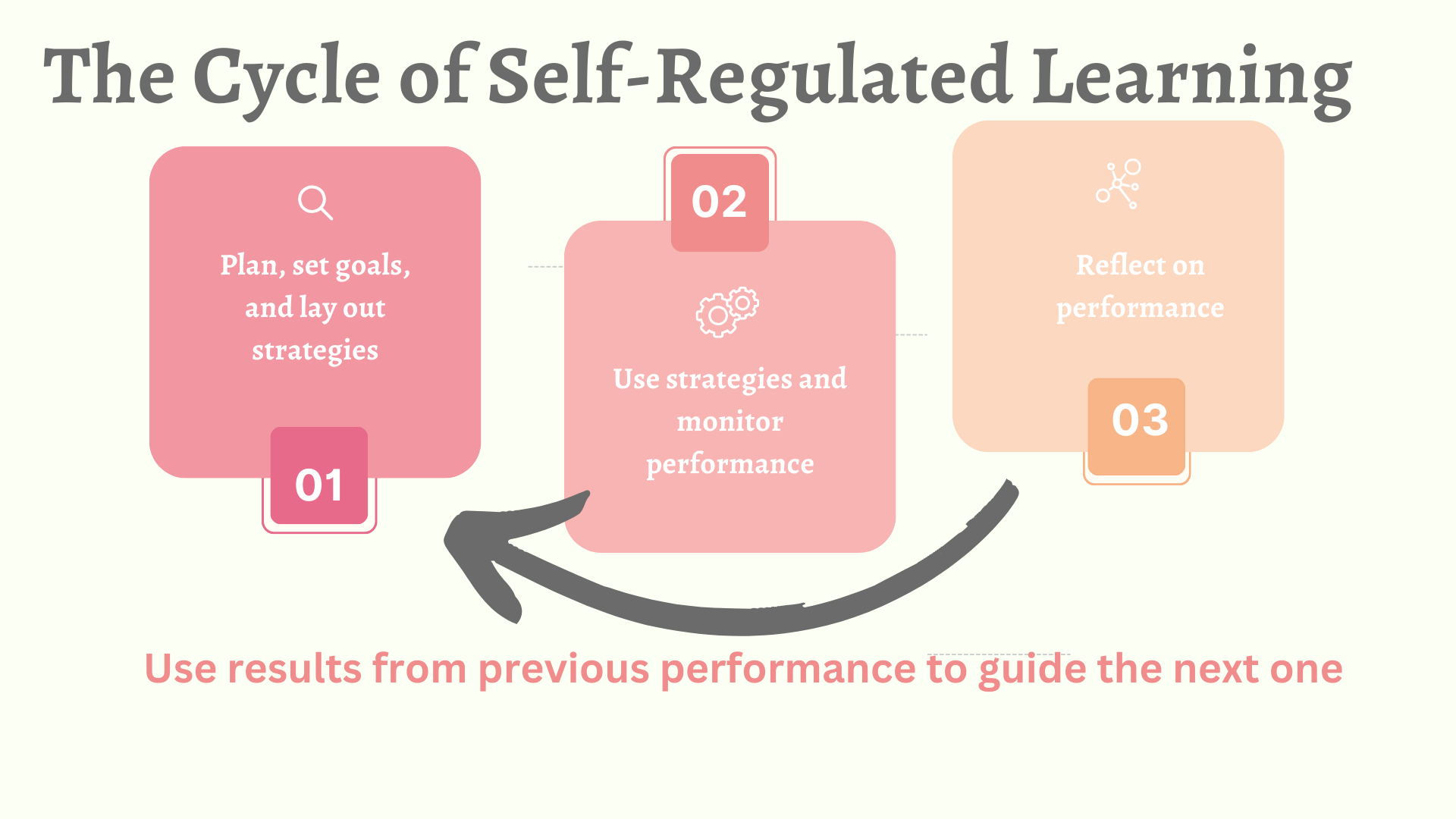
Periodically review your tracking data to recognize patterns and celebrate progress. Monthly or quarterly reflection sessions help you see the cumulative impact of daily habits that might feel insignificant in isolation. This long-term perspective reinforces the value of consistency and helps you appreciate how small daily actions compound into substantial capabilities.
Use these reflection points to adjust your habits as needed. Perhaps you’ve outgrown your initial micro-habit and can increase intensity, or maybe you’ve discovered better timing or methods through experimentation. Treating your learning habits as evolving experiments rather than rigid rules maintains engagement and optimizes effectiveness over time.
🌟 Transforming Obstacles Into Learning Opportunities
The path to mastery isn’t smooth, and obstacles are inevitable. Rather than viewing challenges as failures, reframe them as information that refines your approach. When a learning habit consistently feels difficult, investigate the underlying friction rather than simply trying to power through with willpower.
Common obstacles include unclear goals, poorly designed cues, insufficient rewards, competing priorities, or unrealistic expectations. By diagnosing the specific challenge, you can implement targeted solutions. If motivation is the issue, enhance the reward component. If remembering is the problem, strengthen environmental cues. If the habit feels overwhelming, scale back to make it easier.
This problem-solving approach transforms frustration into curiosity and creates a sustainable learning practice adapted to your unique circumstances. It also develops valuable meta-learning skills—learning how to learn—that transfer across domains and accelerate future skill acquisition.
The Compound Effect of Learning Habits
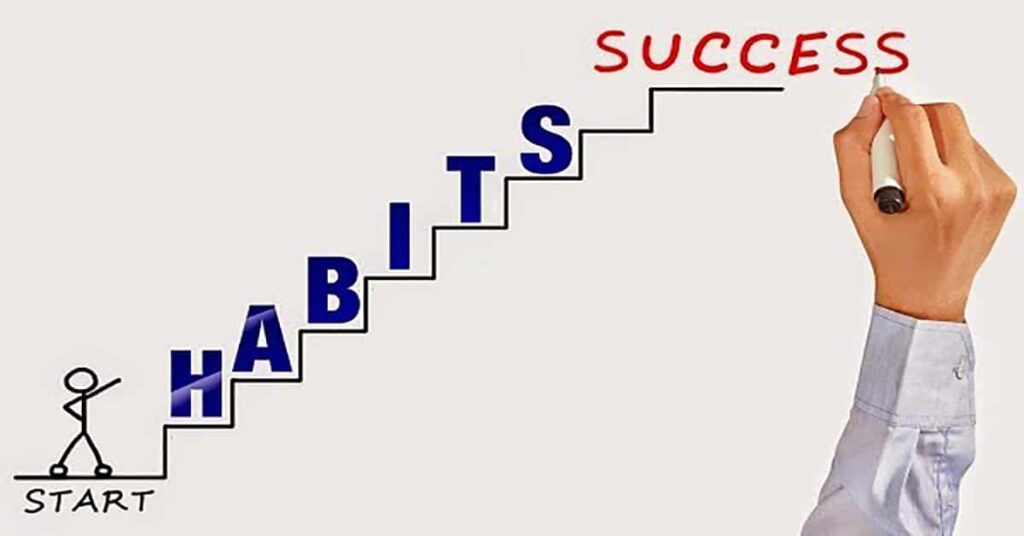
The true power of habit-based learning reveals itself not in days or weeks, but in months and years. Small daily practices that seem insignificant individually compound into remarkable capabilities over time. This is the principle of marginal gains—improving just 1% daily results in being 37 times better after a year through exponential growth.
This mathematical reality explains why consistency trumps intensity in learning. Sporadic bursts of effort, however impressive in the moment, cannot match the cumulative impact of modest daily practice sustained over time. Your habits are the compound interest of self-improvement, and the returns become exponentially more impressive the longer you maintain them.
Patience becomes easier when you understand this principle. Rather than feeling frustrated by seemingly slow progress, you can trust the process, knowing that your consistent habits are building capabilities that will eventually surprise even yourself. The gap between your current state and your goals closes not through dramatic transformation, but through the steady accumulation of small daily wins.
🚀 Integrating Multiple Learning Habits for Accelerated Growth
As individual learning habits become established and automatic, you can strategically add complementary practices that accelerate your development. However, timing matters—attempting to build too many habits simultaneously typically leads to abandoning all of them. The recommended approach is focusing on one new habit until it feels relatively automatic before adding another.
When you do integrate multiple learning habits, look for natural connections and synergies. If you’re learning a language, combine reading, listening, speaking, and writing habits that reinforce each other. If you’re developing technical skills, pair learning new concepts with hands-on projects that apply them. This integrated approach creates multiple neural pathways to the same knowledge, strengthening retention and understanding.
The ultimate goal is creating a personalized learning system—a collection of habits that work together to drive continuous growth across your areas of interest. This system becomes a defining feature of your lifestyle, transforming learning from an occasional activity into a fundamental aspect of who you are.
Your Learning Transformation Starts With Today’s Small Action
Mastering habit formation isn’t about perfection or dramatic overnight changes. It’s about understanding how behaviors become automatic and strategically applying that knowledge to create a sustainable learning practice. The principles outlined in this article—making cues obvious, routines easy, rewards satisfying, and identity-aligned—provide a practical framework for transforming your learning capacity.
The most important step is starting small and starting now. Choose one learning habit you want to develop, design it to be ridiculously easy, attach it to an existing routine, and commit to showing up consistently. Track your progress, adjust as needed, and trust the compound effect of your daily efforts.
Remember that every expert was once a beginner who simply refused to quit. Your learning journey doesn’t require exceptional talent or unlimited time—it requires strategic habits that accumulate into expertise over time. By mastering the art of habit formation, you unlock accelerated learning success that will serve you throughout your life. The question isn’t whether you can transform your learning capacity through habits—it’s whether you’re willing to start today. 🎓