Digital learning environments demand more than passive consumption of information—they require active engagement, analytical reasoning, and the ability to question, evaluate, and synthesize knowledge effectively.

The transformation of education through digital platforms has created unprecedented opportunities for learners worldwide. However, this shift has also exposed a critical gap: many students struggle to apply critical thinking skills in online settings. As we navigate through vast amounts of information available at our fingertips, the ability to discern quality content, challenge assumptions, and develop well-reasoned arguments has become essential for academic success.
Critical thinking in digital learning environments isn’t just about finding answers—it’s about asking the right questions. It involves evaluating sources, recognizing biases, connecting disparate ideas, and constructing meaningful knowledge from digital interactions. This comprehensive approach to online education transforms passive learners into active knowledge creators who can thrive in both academic and professional contexts.
🎯 The Foundation: Understanding Critical Thinking in the Digital Age
Critical thinking has evolved significantly with the advent of digital learning platforms. Traditional classroom discussions have expanded into asynchronous forums, video conferences, and collaborative digital workspaces. This evolution requires students to develop new competencies that combine classical reasoning skills with digital literacy.
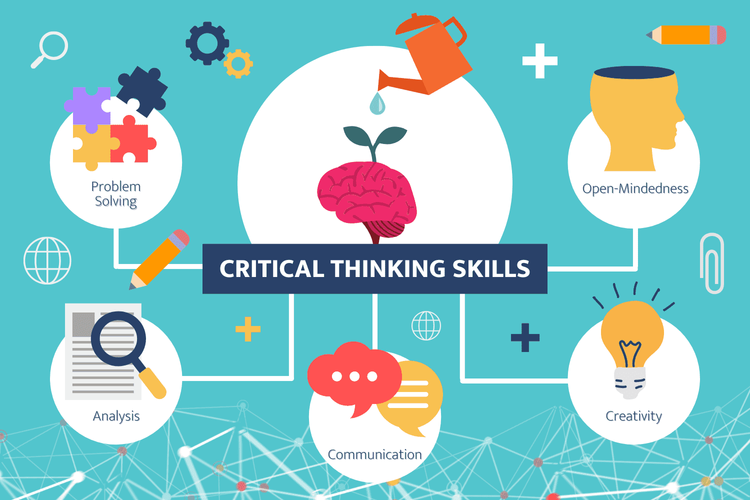
The core components of critical thinking remain constant: analysis, evaluation, inference, explanation, and self-regulation. However, applying these skills in digital environments presents unique challenges. Students must navigate algorithm-driven content, distinguish between credible and questionable sources, and engage meaningfully with peers they may never meet face-to-face.
Digital learning platforms offer distinct advantages for developing critical thinking. They provide access to diverse perspectives, enable real-time fact-checking, and allow for reflective learning at individual paces. The challenge lies in leveraging these advantages while avoiding the pitfalls of information overload and superficial engagement.
Cognitive Skills That Power Digital Learning Success
Several cognitive abilities form the backbone of effective critical thinking in online education. Information literacy stands at the forefront—the capacity to locate, evaluate, and effectively use digital information. This skill extends beyond simple searching to include understanding how search algorithms work and recognizing how digital platforms curate content.
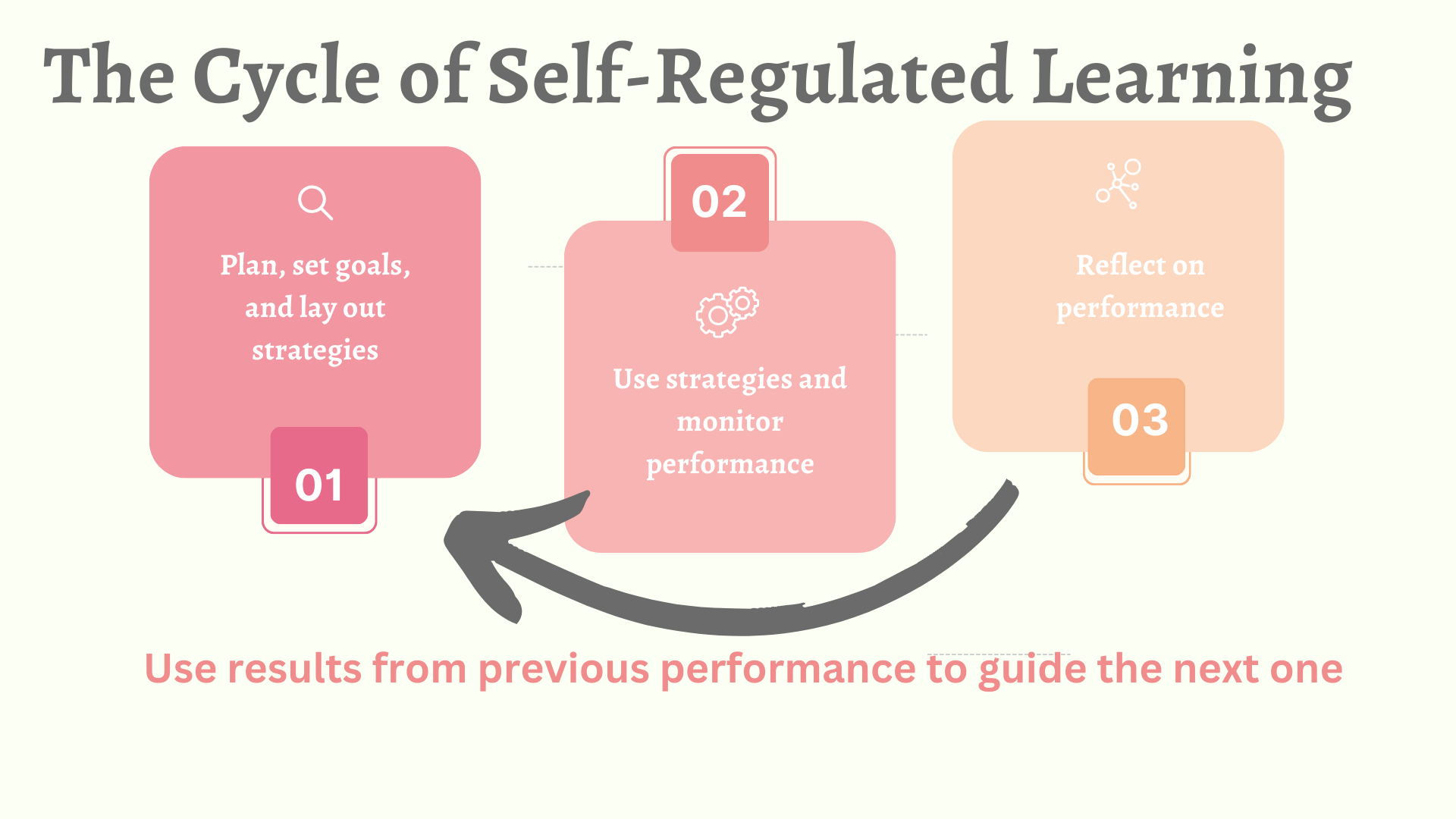
Metacognition, or thinking about thinking, becomes particularly crucial in self-directed digital learning. Students must monitor their own understanding, identify knowledge gaps, and adjust their learning strategies accordingly. Without the immediate feedback of a physical classroom, this self-awareness determines whether learners stay on track or drift into unproductive patterns.
Digital argumentation skills enable students to construct logical arguments using multimedia evidence, respond thoughtfully to diverse viewpoints, and revise their positions based on new information. These skills transform online discussions from echo chambers into genuine intellectual exchanges.
📚 Navigating Information Overload: Strategies for Discerning Learners
The abundance of information in digital spaces can overwhelm even experienced learners. Developing systematic approaches to information evaluation protects against misinformation while building research competence. The CRAAP test—examining Currency, Relevance, Authority, Accuracy, and Purpose—provides a practical framework for assessing digital sources.
Students must learn to identify primary versus secondary sources, recognize peer-reviewed research, and understand the difference between opinion pieces and evidence-based reporting. These distinctions become blurred in digital environments where blog posts, academic articles, and social media commentary coexist without clear hierarchical markers.
Lateral reading, a technique employed by professional fact-checkers, involves opening multiple browser tabs to verify claims and investigate source credibility. Rather than diving deep into a single source, learners move laterally across the web to triangulate information and assess reliability through cross-referencing.
Building Your Digital Information Filter 🔍
Creating personal systems for managing information flow prevents cognitive overload. Effective strategies include using RSS feeds for curated content, organizing bookmarks into research categories, and employing annotation tools that allow for critical commentary alongside consumed content.
Digital learners benefit from establishing regular information review sessions rather than constant connectivity. This batching approach reduces distraction while ensuring systematic exposure to relevant materials. Setting specific times for checking discussion boards, reviewing course materials, and conducting research creates mental boundaries that enhance focus.
Note-taking strategies must evolve for digital environments. The Cornell Method, mind mapping, and concept mapping translate well to digital formats when combined with tools that allow for non-linear organization and easy revision. The key is capturing not just information but also personal reflections, questions, and connections to other concepts.
💡 Collaborative Critical Thinking: Maximizing Peer Learning Online
Digital learning environments excel at facilitating collaborative critical thinking when students engage purposefully. Online discussion forums, when structured properly, create spaces for extended dialogue where students can develop and refine arguments over time.
Effective online collaboration requires explicit norms and expectations. Ground rules might include responding substantively to peers, supporting claims with evidence, acknowledging different perspectives respectfully, and building on previous contributions rather than simply restating positions.
Asynchronous discussions offer unique advantages for critical thinking development. The time lag between posts allows for reflection, research, and careful composition—luxuries rarely available in real-time classroom exchanges. Students can consider multiple viewpoints, verify facts, and craft nuanced responses that demonstrate higher-order thinking.
Techniques for Deeper Online Engagement
Question-driven learning transforms passive discussion participation into active knowledge construction. Instead of merely answering instructor prompts, students learn to pose questions that challenge assumptions, request clarification, identify contradictions, and explore implications.
The Socratic method adapts remarkably well to digital forums. Students can practice asking probing questions that lead peers toward deeper understanding rather than providing direct answers. This approach develops both critical thinking and communication skills essential for professional success.
Peer review activities in digital spaces provide structured opportunities for evaluative thinking. When students assess others’ work using clear rubrics, they develop critical analysis skills while reinforcing their understanding of quality standards. The written nature of digital feedback also creates artifacts that students can revisit for continued learning.
🚀 Technology Tools That Enhance Critical Thinking
Specific digital tools can amplify critical thinking capabilities when used intentionally. Concept mapping software like MindMeister or Coggle helps students visualize relationships between ideas, identify patterns, and recognize gaps in their understanding. These visual representations externalize thinking processes, making them available for examination and refinement.
Annotation tools such as Hypothes.is enable active reading in digital environments. Students can highlight passages, add comments, pose questions, and engage with peers’ annotations—transforming solitary reading into social knowledge construction. This layer of interactive commentary encourages deeper engagement with texts than passive scrolling allows.
Citation management tools like Zotero or Mendeley serve double duty: they organize research materials while encouraging evaluation of source quality. The act of categorizing sources, adding notes, and tracking citations reinforces critical assessment of information credibility and relevance.
Learning Analytics: Data-Driven Self-Improvement
Many learning management systems provide analytics that reveal patterns in student engagement and performance. Reflective learners use these metrics to identify when they learn most effectively, which types of activities produce best results, and where they need additional support.
Time-tracking applications help students understand how they actually spend learning time versus how they think they spend it. This metacognitive awareness often reveals surprising patterns and enables better resource allocation toward high-impact activities.
Flashcard applications with spaced repetition algorithms, such as Anki, don’t just aid memorization—they develop judgment about knowledge mastery. Students must evaluate their confidence level with each item, making metacognitive assessments that enhance self-awareness.
🎓 Assessment Strategies That Promote Critical Thinking
The way learning is assessed profoundly influences how students approach their studies. Traditional multiple-choice assessments rarely capture critical thinking capabilities, while performance-based assessments in digital environments can effectively measure higher-order skills.
Digital portfolios allow students to curate evidence of their thinking over time. Unlike single high-stakes exams, portfolios reveal growth trajectories, depth of reflection, and ability to synthesize learning across contexts. The curation process itself requires critical judgment about which artifacts best represent learning achievements.
Problem-based learning scenarios presented through interactive digital media challenge students to apply knowledge in authentic situations. These assessments require analysis of complex situations, evaluation of multiple solution paths, and justification of chosen approaches—all hallmarks of critical thinking.
Self-Assessment and Reflective Practice
Regular self-assessment activities build the metacognitive awareness essential for independent learning. Structured reflection prompts guide students to evaluate their understanding, identify effective strategies, and set goals for improvement. Digital journals or video reflections create artifacts that document intellectual development.
Rubrics shared before assignments clarify expectations while providing frameworks for self-evaluation. When students assess their own work against criteria before submission, they develop internal quality standards that persist beyond formal education.
Learning logs that track challenges encountered, resources consulted, and solutions attempted externalize problem-solving processes. Reviewing these logs reveals patterns in thinking that students can consciously refine over time.
🌐 Overcoming Common Obstacles in Digital Critical Thinking
Despite the opportunities digital learning presents, several obstacles commonly impede critical thinking development. Cognitive biases affect everyone, but digital environments can amplify confirmation bias through algorithmic filtering. Students must consciously seek diverse perspectives rather than remaining in ideological bubbles.
The speed of digital communication often encourages reactive rather than reflective responses. Developing the discipline to pause before responding, verify information before sharing, and revise positions when warranted requires intentional habit formation.
Distraction represents perhaps the most pervasive challenge. The same devices used for learning provide constant access to entertainment and social connection. Successful digital learners develop strategies for managing attention, including website blockers, dedicated study devices, and environmental design that supports focus.
Building Resilience and Intellectual Humility
Critical thinking requires intellectual courage—the willingness to question cherished beliefs and consider uncomfortable alternatives. Digital environments that feel anonymous sometimes encourage this exploration, but they can also facilitate dismissive or defensive reactions to challenging ideas.
Intellectual humility, recognizing the limitations of one’s own knowledge, serves as an antidote to overconfidence. This disposition encourages curiosity, openness to feedback, and recognition that understanding evolves with new information. Digital learners benefit from explicitly cultivating this mindset through regular acknowledgment of uncertainty.
Growth mindset principles apply directly to critical thinking development. Students who view thinking skills as developable through practice rather than fixed traits persist through challenges and seek opportunities to refine their reasoning abilities.
🔮 Preparing for the Future: Lifelong Critical Thinking Skills
The critical thinking skills developed in digital learning environments extend far beyond academic settings. Professional success increasingly depends on abilities to analyze complex information, collaborate across distances, and adapt to rapidly changing knowledge landscapes.
Continuous learning has become a career necessity rather than a choice. The habits of mind cultivated through critical engagement with digital learning—curiosity, skepticism, systematic inquiry, and reflective practice—position individuals for success in evolving professional contexts.
Digital citizenship in an increasingly interconnected world requires sophisticated critical thinking. Evaluating political claims, making informed health decisions, understanding economic trends, and participating constructively in democratic processes all depend on skills developed through rigorous academic practice.
Creating Your Personal Learning Ecosystem
Long-term success requires building a sustainable personal learning ecosystem. This includes curated information sources, professional networks for intellectual exchange, tools and systems that support your learning preferences, and regular practices that maintain critical thinking sharpness.
Joining online learning communities around areas of interest provides ongoing intellectual stimulation and accountability. Whether through professional associations, MOOCs, or informal study groups, connection with other learners sustains motivation and exposes you to diverse perspectives.
Regular intellectual challenges keep critical thinking skills sharp. This might include reading across disciplines, tackling complex problems outside your expertise, or engaging in structured debates on controversial topics. The key is maintaining active engagement rather than passive consumption.
🏆 Integrating Critical Thinking into Daily Digital Learning Practice
Mastering critical thinking in digital environments ultimately comes down to consistent practice integrated into daily learning routines. Start each study session with a clear question or problem to investigate rather than vague intentions to “learn about” a topic. This focus channels attention toward analytical thinking from the outset.
Develop the habit of active questioning while consuming digital content. Pause periodically to ask: What evidence supports this claim? What alternative explanations exist? What assumptions underlie this argument? Who benefits from this perspective? These questions transform passive reading into active inquiry.
End learning sessions with brief reflection on what you learned, what questions remain, and how new information connects to existing knowledge. This consolidation process strengthens retention while revealing gaps that guide future learning.
The journey toward mastering critical thinking in digital learning environments is ongoing rather than finite. Each interaction with digital content presents an opportunity to practice evaluation, analysis, and synthesis. By approaching online learning with intentionality, curiosity, and systematic strategy, students unlock not just academic excellence but capabilities that serve them throughout their personal and professional lives. The digital age demands more than information access—it requires the wisdom to transform that information into genuine understanding and the courage to continually question, reflect, and grow.