Your brain is a powerful engine, but even the most sophisticated machine has limits. Understanding how to manage cognitive load can transform your productivity and mental clarity.

🧠 Understanding Cognitive Load: Your Brain’s Processing Power
Think of your brain as a computer with limited RAM. Every task, decision, and piece of information you process consumes mental resources. Cognitive load refers to the total amount of mental effort being used in your working memory at any given moment.
Psychologist John Sweller first introduced cognitive load theory in the 1980s, revolutionizing how we understand learning and performance. His research demonstrated that our working memory can only handle a finite amount of information simultaneously—typically between 3 to 7 chunks of data at once.
When you exceed this capacity, your performance deteriorates rapidly. You make more mistakes, struggle to retain information, and experience mental fatigue. This isn’t a character flaw—it’s a fundamental limitation of human cognition that affects everyone from students to CEOs.
The Three Types of Cognitive Load You Need to Know
Not all mental effort is created equal. Understanding the three distinct types of cognitive load helps you identify where your mental energy is actually going.
Intrinsic Cognitive Load
This represents the inherent difficulty of the task itself. Learning quantum physics carries more intrinsic load than learning to make toast. You can’t eliminate intrinsic load, but you can break complex tasks into smaller, manageable chunks.
Extraneous Cognitive Load
This is the wasted mental effort caused by poor design, distractions, and inefficient processes. That confusing software interface, cluttered workspace, or poorly written instructions all create extraneous load. The good news? This type is completely controllable.
Germane Cognitive Load
This is the productive mental effort dedicated to learning and schema development. It’s the “good” cognitive load that helps you build expertise and understanding. Your goal should be maximizing germane load while minimizing extraneous load.
🎯 Why Cognitive Load Management Matters for Peak Performance
Elite performers across all domains share one common trait: they’ve mastered the art of protecting their cognitive resources. Athletes call it being “in the zone,” executives call it “strategic thinking time,” and scientists call it “deep work.”
Research from Stanford University shows that multitasking can reduce productivity by up to 40%. Meanwhile, studies from the University of California found that it takes an average of 23 minutes to fully refocus after an interruption. These aren’t trivial numbers—they represent hours of lost productivity each day.
The consequences of chronic cognitive overload extend beyond mere productivity loss. Sustained mental strain contributes to decision fatigue, burnout, anxiety, and even physical health problems. Your body responds to mental overload the same way it responds to physical stress—by triggering cortisol release and inflammation.
Recognizing the Warning Signs of Cognitive Overload
Your brain sends clear signals when it’s overwhelmed. Learning to recognize these warning signs helps you intervene before reaching complete mental exhaustion.
- Difficulty concentrating on simple tasks you normally handle easily
- Reading the same paragraph multiple times without comprehension
- Making uncharacteristic mistakes or forgetting obvious details
- Feeling mentally “foggy” or unable to think clearly
- Increased irritability and emotional reactivity
- Physical symptoms like headaches, eye strain, or tension
- Procrastination on tasks that require mental effort
- Seeking constant distractions or stimulation
🚀 Strategic Techniques for Reducing Cognitive Load
Managing cognitive load isn’t about working less—it’s about working smarter. These evidence-based strategies help you optimize your mental resources.
External Memory Systems: Your Second Brain
Stop using your brain as a storage device. Your working memory should be reserved for processing, not storing. Implement external systems to offload information storage entirely.
David Allen’s “Getting Things Done” methodology emphasizes capturing everything in a trusted external system. This simple act frees enormous cognitive resources previously dedicated to remembering tasks, appointments, and ideas.
Create a comprehensive capture system using notebooks, digital tools, or voice recordings. The specific tool matters less than the habit of immediately externalizing information rather than trying to hold it in your mind.
The Power of Routines and Automation
Every decision you make consumes cognitive resources. Barack Obama famously wore the same suit color every day to preserve mental energy for important decisions. Mark Zuckerberg follows a similar approach.
Identify recurring decisions in your life and create default rules. What time do you wake up? What do you eat for breakfast? When do you exercise? When do you check email? Establishing consistent routines for these activities eliminates hundreds of micro-decisions weekly.
Automation extends beyond personal habits. Use technology to handle repetitive tasks. Set up automatic bill payments, email filters, and calendar reminders. Each automated process is one less thing occupying mental space.
Chunking: Breaking Complexity into Manageable Pieces
Your brain naturally groups related information into “chunks” to overcome working memory limitations. A phone number isn’t ten separate digits—it’s three chunks (area code, prefix, line number).
Apply chunking deliberately to complex tasks. Break large projects into phases, phases into tasks, and tasks into specific actions. This hierarchical structure makes overwhelming projects feel manageable.
When learning new information, look for patterns and relationships that allow you to group concepts together. Expert chess players don’t memorize individual piece positions—they recognize patterns and configurations, dramatically reducing cognitive load.
⚡ Optimizing Your Environment for Mental Clarity
Your physical and digital environment profoundly impacts cognitive load. Even small environmental factors consume mental resources without your conscious awareness.
Digital Minimalism for Cognitive Freedom
Your smartphone is a cognitive load generator. Each notification, app icon, and unread badge competes for attention. Research shows that merely having your phone visible on the desk reduces available cognitive capacity, even when it’s turned off.
Conduct a digital declutter. Remove unnecessary apps, disable non-essential notifications, and use app timers to limit mindless scrolling. Your phone should be a tool you use intentionally, not a constant source of cognitive interruption.
Apply the same principles to your computer. Close unnecessary browser tabs, organize files systematically, and use focus mode features that block distracting websites during work sessions.
Physical Space Optimization
Visual clutter creates mental clutter. Princeton University research demonstrates that physical disorder competes for attention resources, reducing performance and increasing stress.
Create a designated workspace that contains only what you need for current tasks. Everything else should be stored out of sight. This doesn’t mean sterile environments—personalization matters—but intentional design trumps random accumulation.
Consider sensory factors beyond visual clutter. Temperature, lighting, background noise, and air quality all affect cognitive performance. Optimize these variables to support sustained mental effort.
🧘 Recovery Strategies: Restoring Cognitive Resources
You can’t manage cognitive load through efficiency alone. Your brain requires regular recovery to maintain peak performance.
Strategic Breaks and Cognitive Restoration
The Pomodoro Technique isn’t just about time management—it’s about cognitive load management. Working in focused intervals with regular breaks prevents mental fatigue accumulation.
Not all breaks are equally restorative. Scrolling social media doesn’t restore cognitive resources because it maintains attentional demand. True restoration comes from activities that allow your mind to wander freely or engage different neural networks.
Nature exposure provides particularly powerful cognitive restoration. A study published in Psychological Science found that a 50-minute walk in nature improved attention and working memory, while an urban walk provided no such benefits.
Sleep: The Ultimate Cognitive Reset
Sleep deprivation is cognitive kryptonite. Just one night of poor sleep impairs working memory, attention, and decision-making to a degree comparable to alcohol intoxication.
During sleep, your brain consolidates memories, clears metabolic waste products, and restores neurotransmitter balance. These processes aren’t optional luxuries—they’re fundamental requirements for cognitive function.
Prioritize sleep with the same rigor you apply to important work commitments. Consistent sleep schedules, cool bedroom temperatures, and pre-sleep routines all support sleep quality and cognitive recovery.
📊 Measuring and Tracking Your Cognitive Performance
What gets measured gets managed. Tracking cognitive performance helps you identify patterns and optimize your load management strategies.
| Metric | What It Reveals | How to Track |
|---|---|---|
| Focus Duration | Sustained attention capacity | Timer apps, work logs |
| Error Rate | Cognitive overload indicators | Quality checks, reviews |
| Task Completion | Efficiency and capacity | Project management tools |
| Energy Levels | Mental fatigue patterns | Hourly self-assessment |
Keep a cognitive load journal for two weeks. Record when you feel most mentally sharp, when fatigue sets in, and what activities or circumstances preceded these states. Patterns will emerge that reveal your optimal cognitive rhythms.
🎨 Advanced Strategies for Cognitive Excellence
Attention Residue Management
When you switch tasks, attention residue remains attached to the previous activity. Professor Sophie Leroy’s research shows that this residue impairs performance on subsequent tasks, particularly when the previous task was unbounded or incomplete.
Combat attention residue by completing natural stopping points before switching tasks. If you must switch mid-task, spend two minutes writing detailed notes about your current position and next steps. This externalization helps clear the mental residue.
Cognitive Load Sequencing
Not all hours are cognitively equal. Most people experience peak mental performance 2-4 hours after waking, with a secondary peak in late afternoon. Schedule your highest-load activities during these windows.
Reserve low-cognitive-load tasks for times when mental resources naturally diminish. Administrative work, routine emails, and organizational tasks fit perfectly into post-lunch energy dips.
Strategic Ignorance: The Art of Selective Attention
Information abundance creates decision paralysis and cognitive overload. Cultivate strategic ignorance by deliberately choosing what not to pay attention to.
Establish information boundaries. Do you really need to follow every industry development, news story, and social media update? Probably not. Identify the 20% of information sources that provide 80% of the value, and ruthlessly eliminate the rest.
💪 Building Cognitive Resilience Over Time
Like physical fitness, cognitive capacity improves with proper training. These practices build long-term mental resilience and expand your cognitive load capacity.
Regular meditation practice literally changes brain structure. Studies using MRI imaging show that eight weeks of mindfulness practice increases gray matter density in brain regions associated with memory, learning, and emotional regulation.
Physical exercise isn’t just good for your body—it’s essential for cognitive performance. Aerobic exercise increases blood flow to the brain, promotes neurogenesis, and enhances executive function. Even a brief walk improves cognitive performance for hours afterward.
Learning new skills forces your brain to build new neural pathways and improves overall cognitive flexibility. The struggle of learning something difficult actually strengthens your mental muscles, expanding your capacity for handling cognitive load.
🌟 Implementing Your Cognitive Load Management System
Knowledge without implementation changes nothing. Start with these immediate action steps to begin mastering your cognitive load today.
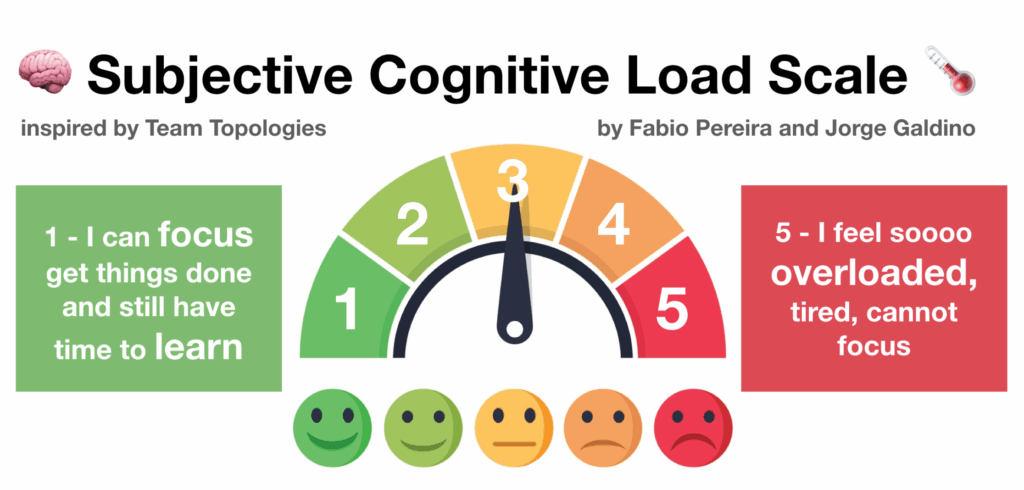
First, conduct a cognitive load audit. For three days, track what consumes your mental energy. Categorize activities as high, medium, or low cognitive load. Identify which loads are productive (intrinsic, germane) versus wasteful (extraneous).
Second, implement one environmental change today. Clear your workspace, disable phone notifications, or organize your digital files. Small environmental improvements create immediate cognitive relief.
Third, establish one automatic routine this week. Choose a recurring decision or task and create a default rule that eliminates the need to think about it. Build on this foundation by adding new routines monthly.
Fourth, protect your peak cognitive hours. Block your highest-performance time slots for your most important, cognitively demanding work. Treat these appointments with yourself as sacred commitments.
Finally, measure your progress. Track one cognitive performance metric for 30 days. You’ll gain invaluable insights into your mental patterns and the effectiveness of your load management strategies.
🔥 Sustaining Peak Mental Performance Long-Term
Cognitive load management isn’t a destination—it’s an ongoing practice. Your life circumstances, responsibilities, and cognitive demands constantly evolve, requiring continuous adaptation.
Schedule monthly reviews of your cognitive load management system. What’s working? What needs adjustment? Are new sources of extraneous load creeping into your life? Regular assessment prevents gradual degradation of your mental clarity.
Remember that perfect cognitive load management is impossible and unnecessary. The goal isn’t eliminating all mental strain—it’s ensuring your cognitive resources align with your highest priorities. Some cognitive load signals meaningful engagement with challenging, important work.
Your mind is your most valuable asset. The ability to think clearly, focus deeply, and make sound decisions determines your success across every life domain. By mastering cognitive load management, you’re not just optimizing productivity—you’re reclaiming agency over your mental life and unlocking your true potential.
Start small, stay consistent, and watch as reduced cognitive load creates space for creativity, insight, and the deep work that truly matters. Your brain will thank you, and your results will reflect the clarity that comes from a well-managed mind operating at peak performance.