Unschooling and self-directed education represent a transformative approach to learning that places children at the center of their educational experience, fostering natural curiosity and lifelong passion for knowledge.

🌱 Understanding the Unschooling Philosophy
Unschooling is fundamentally different from traditional schooling and even homeschooling. Rather than following a preset curriculum or standardized testing schedule, unschooling allows children to learn through their natural interests, everyday experiences, and self-motivated exploration. This educational philosophy trusts that children are inherently curious and capable of directing their own learning when given the freedom and resources to do so.
The term “unschooling” was coined by educator John Holt in the 1970s, who observed that children learn best when they’re genuinely interested in a subject. Unlike traditional education models that impose learning from the outside, unschooling recognizes that authentic learning happens when it emerges from within the child. This approach doesn’t mean abandoning education altogether; rather, it means reimagining what education can look like when it’s driven by curiosity rather than compliance.
Self-directed education takes this concept further by emphasizing the learner’s agency in making decisions about what, when, how, and with whom they learn. Parents and caregivers become facilitators and partners in the learning journey rather than instructors delivering predetermined content. This shift in roles creates a dynamic where learning becomes a collaborative, joyful process rather than a series of obligations to be completed.
📚 The Core Benefits of Unschooling for Child Development
One of the most significant advantages of unschooling is the preservation and nurturing of intrinsic motivation. Traditional schooling often replaces children’s natural love of learning with external motivators like grades, gold stars, and test scores. When children are allowed to follow their interests, they maintain the excitement and curiosity that drives deep, meaningful learning.
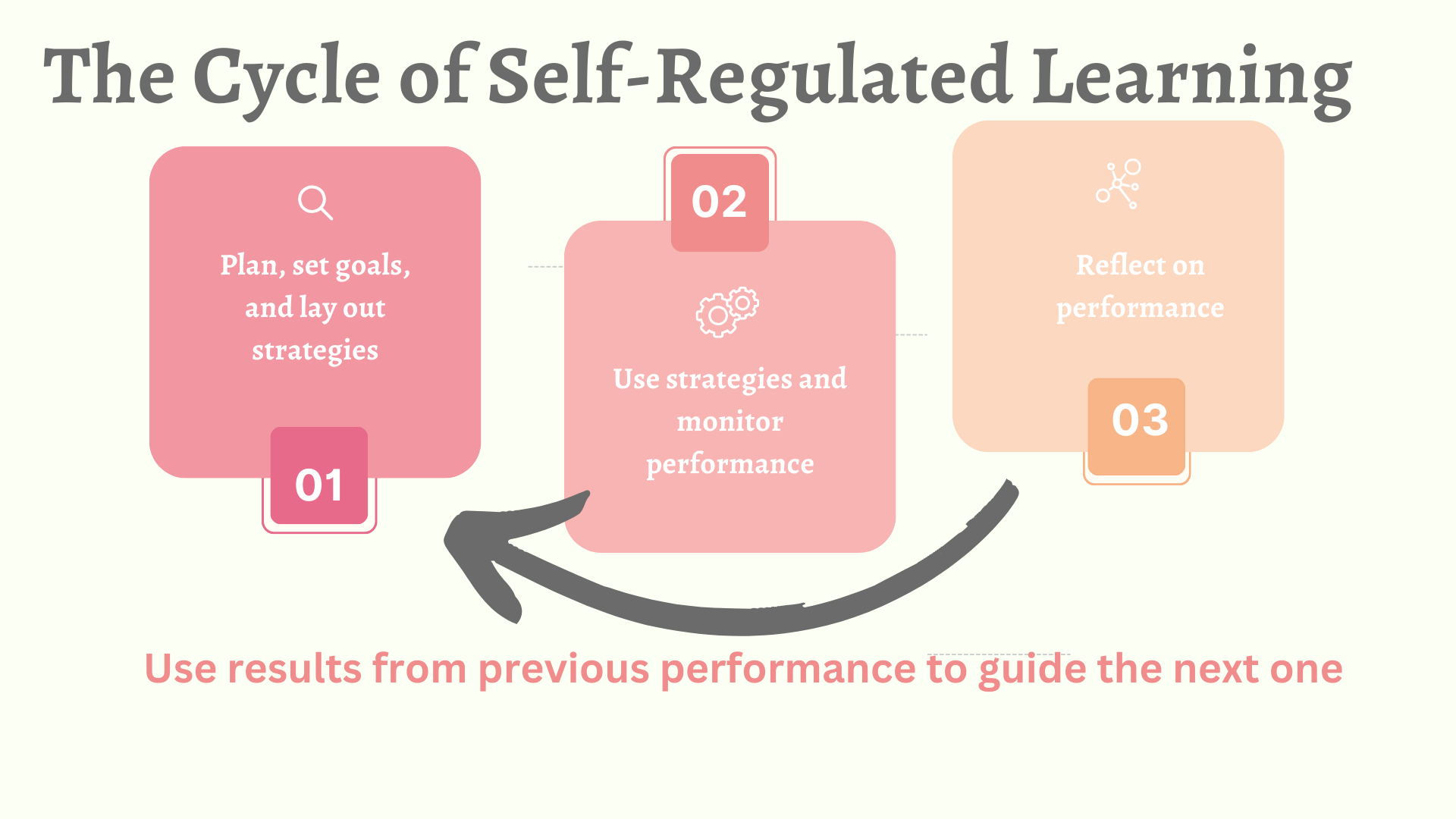
Children who engage in self-directed education develop strong critical thinking skills because they’re constantly making decisions about their learning path. They learn to identify their interests, set goals, find resources, and evaluate their progress—all essential skills for success in adult life. This metacognitive awareness, or the ability to think about one’s own thinking, becomes second nature when children are empowered to direct their education.
Enhanced Creativity and Innovation 🎨
Without the constraints of standardized curricula, unschooled children have the time and freedom to pursue creative projects in depth. They might spend weeks building an elaborate fort, months learning to code a video game, or years developing artistic skills. This deep work allows for the kind of creative thinking and problem-solving that’s increasingly valuable in our rapidly changing world.
Research has shown that creativity flourishes when people have autonomy, time for exploration, and permission to fail without judgment. Unschooling provides all three of these conditions naturally. Children can experiment, make mistakes, and iterate on their ideas without the pressure of grades or the limitation of moving on to the next unit before they’re ready.
Stronger Family Relationships and Social Skills
Contrary to common misconceptions, unschooling often leads to enhanced social development. Unschooled children typically interact with people of all ages—from elderly community members to young children—rather than being segregated by age in classrooms. This multi-age socialization more closely mirrors real-world social dynamics and helps children develop authentic communication skills.
The time families spend together in unschooling creates opportunities for deeper relationships between parents and children. Rather than the stress that homework battles and school struggles can create, families focus on shared interests, meaningful conversations, and collaborative projects. Parents gain intimate knowledge of their children’s strengths, challenges, and learning styles.
🎯 How Self-Directed Learning Prepares Children for the Future
The modern workforce increasingly values skills that unschooling naturally develops: self-motivation, adaptability, creativity, and the ability to learn independently. While traditional education was designed for the industrial age, self-directed education prepares children for the information age, where the ability to quickly learn new skills and adapt to change is paramount.
Unschooled children become expert learners. They know how to identify what they need to learn, find resources, connect with mentors, and persist through challenges. These meta-learning skills are far more valuable in our rapidly evolving world than any specific body of knowledge that might become obsolete.
Real-World Application of Knowledge
In unschooling, learning isn’t separated from living. Mathematics might be learned through cooking, building projects, or managing money. History comes alive through historical novels, documentaries, museum visits, and conversations with older relatives. Science happens through gardening, caring for pets, cooking experiments, and exploring nature.
This integration of learning with real life means that children understand why they’re learning and how knowledge applies to actual situations. The question “When will I ever use this?” rarely arises because learning emerges from real needs and interests. This contextual understanding leads to deeper retention and more meaningful education.
🏠 Practical Implementation: Starting Your Unschooling Journey
Transitioning to unschooling requires a significant mindset shift, especially for parents who experienced traditional education themselves. The first step is deschooling—a period where families intentionally step away from structured learning to allow children to rediscover their natural curiosity and for parents to release their schoolish expectations.
A general guideline suggests allowing one month of deschooling for every year a child spent in traditional school. During this time, children might seem to do “nothing educational”—playing video games, watching television, or simply being bored. This is actually a crucial period where children are decompressing, healing from any negative school experiences, and beginning to reconnect with their intrinsic interests.
Creating a Rich Learning Environment
Unschooling doesn’t mean providing nothing; it means providing rich environments, diverse experiences, and access to resources. This might include:
- A home filled with books, art supplies, musical instruments, and building materials
- Regular trips to libraries, museums, nature centers, and community events
- Access to online courses, documentaries, and educational videos when interest arises
- Opportunities to interact with diverse people and communities
- Time in nature and for unstructured play
- Support for pursuing passionate interests through classes, mentorships, or self-study
The parent’s role shifts from teacher to facilitator. You’re not lecturing or assigning work but rather being attentive to your child’s interests, asking thoughtful questions, suggesting resources, connecting them with experts or communities, and participating alongside them in their explorations.
Addressing Common Concerns and Challenges
Many parents worry about gaps in knowledge—what if their child never learns long division or the periodic table? Unschooling philosophy trusts that children will learn what they need when they need it. Most unschooled teens who decide to pursue college find they can quickly learn whatever foundational knowledge is required, often more efficiently than they would have in school because they’re motivated and mature learners.
Another common concern is socialization. Unschooling families typically create or join co-ops, participate in community classes, engage in sports or arts groups, volunteer, and maintain regular social connections. The quality of these interactions often surpasses the socialization of traditional schooling because they’re based on shared interests rather than arbitrary age groupings.
💡 Different Approaches Within Self-Directed Education
While unschooling represents one end of the self-directed education spectrum, there are various approaches that families adapt to their circumstances and comfort levels. Some families practice “radical unschooling,” extending the philosophy to all aspects of life including bedtimes, food choices, and screen time. Others practice “unschooling with boundaries,” maintaining certain family rules while allowing educational freedom.
Some families use interest-led learning, where parents introduce various topics and resources but children choose what to pursue in depth. Others practice project-based learning, where children undertake extended projects that naturally incorporate multiple subjects. Worldschooling families travel extensively, using the world as their classroom.
Hybrid Models and Flexible Approaches
Many families find success with hybrid approaches that combine aspects of unschooling with other methods. A child might take formal classes in one passionate interest area while unschooling everything else. Or a family might unschool during certain years and use more structured approaches at other times, depending on the child’s needs and family circumstances.
The beauty of self-directed education is its flexibility. There’s no single correct way to unschool. Families can continuously adapt their approach based on what’s working, what isn’t, developmental changes, and evolving circumstances. This responsiveness itself models an important life skill: the ability to assess situations and adjust strategies accordingly.
🌟 Success Stories and Long-Term Outcomes
Research on unschooling outcomes, while limited, is encouraging. Studies by Peter Gray and others have found that unschooled children successfully transition to higher education when they choose that path, often gaining admission to selective colleges. Many report that the self-direction skills developed through unschooling make college easier because they already know how to manage their time, find resources, and teach themselves.
Unschooled adults often pursue diverse and fulfilling careers. Some become entrepreneurs, artists, or innovators. Others enter traditional professions like medicine, law, or education—often bringing fresh perspectives shaped by their unconventional educational backgrounds. What unites them is typically a strong sense of self-direction, confidence in their ability to learn, and the courage to forge their own paths.
Building a Supportive Community
One factor that significantly impacts unschooling success is community support. Connecting with other unschooling families provides children with friends who share similar lifestyles, offers parents reassurance and idea-sharing, and creates opportunities for group activities and learning experiences.
Local homeschool or unschool co-ops provide regular meetups, shared classes, field trips, and social events. Online communities offer connection, especially for families in areas without local unschooling networks. Many regions have growing unschooling conferences where families gather to share experiences, attend workshops, and build lasting friendships.
🔍 Navigating Legal Requirements and Documentation
Unschooling families must still comply with their region’s homeschooling laws, which vary significantly by location. Some areas require minimal documentation, while others mandate regular testing or portfolio reviews. Understanding your local requirements is essential before beginning your unschooling journey.
Many unschooling parents become creative at documenting their children’s learning in ways that satisfy legal requirements while honoring the self-directed nature of their education. Photography, journaling, and collecting artifacts from projects can demonstrate learning across traditional subject areas. Some families maintain learning logs that describe activities in educational terms when needed for official purposes.

🚀 Taking the First Steps Toward Educational Freedom
If unschooling resonates with you, start by learning more. Read books by John Holt, Peter Gray, and other unschooling advocates. Join online forums and local groups. Talk with your children about their interests and what they’d like to learn. Most importantly, examine your own beliefs about learning and be willing to challenge assumptions you may have inherited from your own schooling experience.
Remember that transitioning to unschooling is a journey, not a destination. You don’t have to have everything figured out before you begin. Trust develops gradually—trust in your children’s ability to learn, trust in the process, and trust in yourself as a facilitator of your children’s education. Many unschooling parents report that they learn and grow as much as their children through this journey.
Unschooling isn’t the right choice for every family, and that’s perfectly okay. What matters most is finding an educational approach that honors your child’s individuality, nurtures their passions, and prepares them for a fulfilling life. For families willing to embrace this path, self-directed education offers a powerful way to empower children’s natural love of learning and help them develop into confident, capable, curious adults who know how to navigate an ever-changing world.
The benefits of unschooling extend far beyond academic achievement. By trusting children to direct their own learning, we give them something invaluable: confidence in their own judgment, respect for their interests and abilities, and the skills to continue learning throughout their lives. In a world where information is constantly evolving and careers are unpredictable, these qualities may be the most important gifts we can offer our children.