Project-based learning (PBL) has revolutionized modern education by placing students at the center of their own learning journey, transforming passive recipients into active creators and problem-solvers.

🎯 What Makes Project-Based Learning a Game-Changer in Modern Education
Traditional education models often fall short in preparing students for real-world challenges. Project-based learning frameworks address this gap by creating authentic learning experiences that mirror the complexity and collaboration required in professional environments. This pedagogical approach moves beyond memorization and standardized testing, instead fostering critical thinking, creativity, and practical application of knowledge.
The shift toward PBL represents more than just a teaching trend—it’s a fundamental reimagining of how students engage with content, develop skills, and prepare for an uncertain future. Research consistently shows that students retain information longer and develop deeper understanding when they actively construct knowledge through meaningful projects rather than passively consuming information.
Modern employers increasingly seek candidates with soft skills like communication, collaboration, and adaptability—precisely the competencies that project-based learning cultivates. By integrating PBL frameworks into educational settings, institutions create environments where students naturally develop these essential 21st-century skills while mastering academic content.
🏗️ Building Blocks of Effective Project-Based Learning Frameworks
Successful implementation of project-based learning requires careful attention to several foundational elements. Understanding these components helps educators design experiences that maximize student engagement and learning outcomes.
Authentic Problems and Real-World Connections
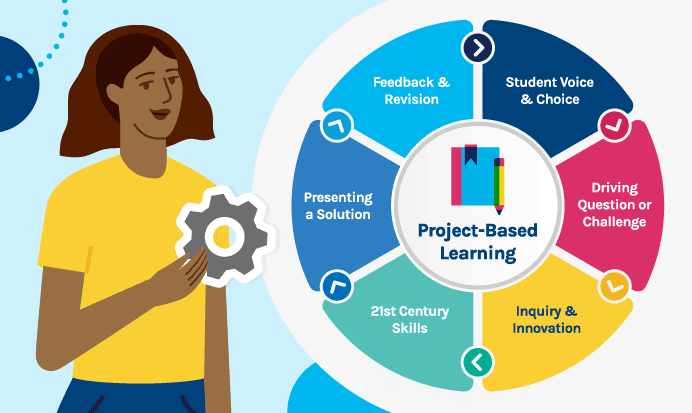
The heart of any PBL framework lies in presenting students with authentic challenges that mirror real-world situations. These problems should be complex enough to sustain inquiry over extended periods while remaining accessible to students at their developmental level. When students recognize the relevance of their work to actual community needs or professional contexts, motivation and engagement naturally increase.
Effective frameworks connect classroom learning to issues students care about, whether that’s environmental sustainability, social justice, technological innovation, or community development. This authenticity transforms abstract concepts into tangible applications, making learning meaningful and memorable.
Student Voice and Choice
Empowering students with agency over their learning journey distinguishes high-quality PBL from traditional instruction. Frameworks should provide structured opportunities for students to make decisions about their projects, including research questions, methodologies, presentation formats, and collaborative arrangements.
This autonomy doesn’t mean complete freedom without guidance. Rather, it involves creating parameters within which students can exercise meaningful choice, developing their decision-making skills and personal investment in outcomes.
Sustained Inquiry and Iteration
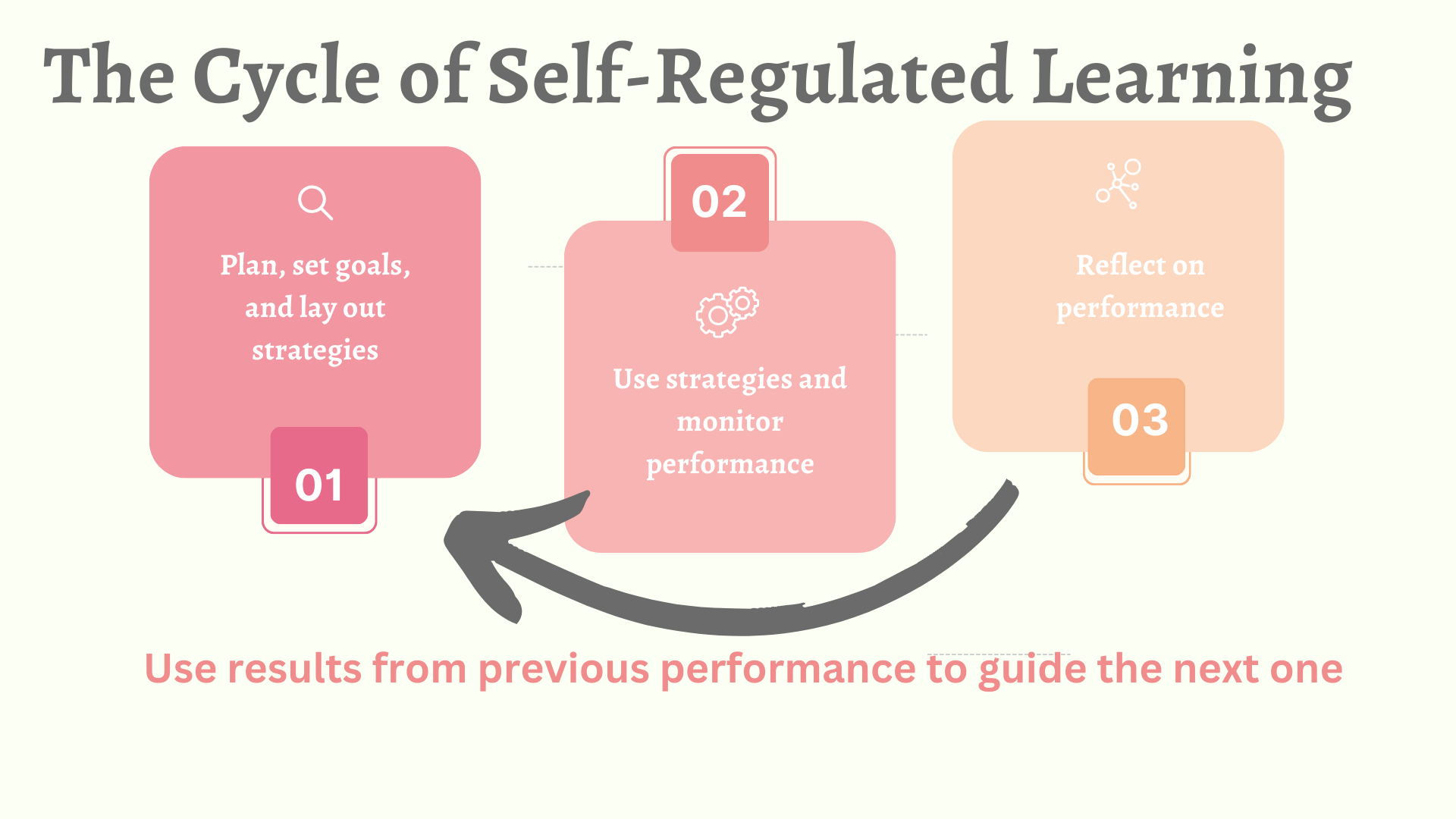
Project-based learning frameworks must support deep investigation over time rather than surface-level exploration. Students should engage in cycles of questioning, research, experimentation, reflection, and revision. This iterative process mirrors how professionals approach complex problems and helps students develop persistence and resilience.
The inquiry process should be rigorous and disciplined, teaching students how to formulate meaningful questions, evaluate sources, analyze data, and draw evidence-based conclusions. These research skills become transferable assets applicable across academic disciplines and professional contexts.
📊 Comparing Project-Based Learning Frameworks: Finding Your Perfect Fit
Several established PBL frameworks offer different approaches to implementation. Understanding their unique characteristics helps educators select or adapt models appropriate for their specific contexts.
| Framework | Key Features | Best For |
|---|---|---|
| Buck Institute Gold Standard PBL | Seven essential project design elements, comprehensive rubrics | Schools seeking research-backed, comprehensive approach |
| High Tech High Model | Integrated curriculum, public exhibitions, equity focus | Institutions prioritizing interdisciplinary learning |
| Expeditionary Learning | Character development, fieldwork, craftsmanship emphasis | Educators valuing community connections and quality work |
| Design Thinking Framework | Human-centered problem solving, rapid prototyping | Innovation-focused programs and STEAM education |
🚀 Implementing Project-Based Learning: From Planning to Execution
Successful PBL implementation requires thoughtful planning, clear structures, and ongoing adaptation. The following stages provide a roadmap for educators embarking on this transformative journey.
Phase One: Project Design and Planning
Begin by identifying learning objectives aligned with curriculum standards and 21st-century competencies. Craft a driving question that captures student interest while addressing these objectives. The question should be open-ended, provocative, and complex enough to sustain investigation.
Design the project scope, timeline, and milestones carefully. Consider available resources, including materials, technology, community partnerships, and expert consultants. Create assessment tools that evaluate both content knowledge and process skills, including rubrics for collaboration, critical thinking, and presentation quality.
Phase Two: Launch and Engagement
Project launches set the tone for student engagement. Effective entry events create excitement, establish relevance, and spark curiosity. These might include guest speakers, field trips, provocative videos, or simulations that immerse students in the project context.
During launch, clearly communicate expectations, timelines, and assessment criteria. Help students understand the project’s purpose and their role in addressing the driving question. Facilitate initial team formation and establish collaboration norms that will support productive group work throughout the project.
Phase Three: Investigation and Creation
This extended phase forms the core of project-based learning. Students conduct research, gather data, interview experts, experiment with solutions, and create products or presentations. Teachers shift from knowledge dispensers to facilitators, coaches, and resources, providing targeted instruction through mini-lessons, workshops, and individual consultations.
Regular checkpoints and formative assessments help monitor progress and identify students needing additional support. Encourage peer feedback sessions where students critique each other’s work constructively, developing both giving and receiving feedback skills essential for professional contexts.
Phase Four: Presentation and Reflection
Public presentations provide authentic audiences for student work, raising stakes and motivation. These exhibitions might involve parents, community members, professionals, or other students. Presenting to real audiences develops communication skills and requires students to articulate their learning process, findings, and insights clearly.
Structured reflection activities help students consolidate learning and recognize their growth. Reflective practices might include journals, portfolios, presentations about the learning process, or discussions about what worked well and what they’d do differently next time.
💡 Overcoming Common Challenges in Project-Based Learning Implementation
Even well-designed PBL frameworks encounter obstacles. Anticipating these challenges and developing proactive strategies increases implementation success.
Time Management and Pacing
Projects often take longer than anticipated, creating tension between depth of learning and curriculum coverage. Address this by carefully scoping projects, building in flexible time buffers, and accepting that fewer topics explored deeply often yields better learning than many topics covered superficially.
Teach explicit time management skills and use project management tools to help students plan their work. Regular check-ins and milestone deadlines prevent last-minute rushes and distribute workload more evenly.
Assessment and Accountability
Evaluating complex, collaborative projects requires moving beyond traditional testing. Develop comprehensive rubrics addressing both content knowledge and process skills. Include self-assessment and peer assessment components that develop metacognitive skills and shared responsibility for learning quality.
Document student learning through multiple evidence sources: observations, work samples, presentations, reflections, and traditional assessments when appropriate. This multi-faceted approach provides richer understanding of student growth than any single measure.
Managing Group Dynamics
Collaboration challenges inevitably arise in project work. Proactively teach collaboration skills through explicit instruction, modeling, and practice. Establish clear roles, responsibilities, and accountability structures within teams. Create mechanisms for addressing conflicts constructively and redistributing work when necessary.
Individual accountability within group projects prevents free-riding. Use strategies like individual reflections, peer evaluations, role rotations, and components requiring everyone’s contribution to ensure all students engage meaningfully.
🌐 Technology Integration in Project-Based Learning Frameworks
Digital tools can significantly enhance PBL experiences when thoughtfully integrated. Technology should serve learning goals rather than being implemented for its own sake. The right tools facilitate collaboration, research, creation, and communication while teaching digital literacy skills essential for modern life.
Project management platforms help students organize tasks, track progress, and coordinate team efforts. Cloud-based collaboration tools enable real-time co-creation of documents, presentations, and multimedia products. Communication platforms connect students with experts, partner classrooms, or community members beyond school walls.
Creation tools allow students to produce sophisticated multimedia products showcasing their learning. Whether designing websites, creating videos, building models, programming apps, or producing podcasts, technology expands the range of possible project outcomes and accommodates diverse student strengths and interests.
Digital portfolios provide spaces for documenting the learning journey, reflecting on growth, and showcasing accomplishments to authentic audiences. These living documents become valuable tools for college applications, job searches, or simply personal reflection on development over time.
🎓 Measuring Success: Assessing Impact of Project-Based Learning
Evaluating PBL effectiveness requires looking beyond traditional metrics to capture the full range of student learning and development. Comprehensive assessment examines academic achievement, skill development, and dispositional changes.
Academic measures should align with standards and learning objectives, demonstrating that students master required content through project work. Pre and post-assessments, content-embedded evaluations, and traditional tests when appropriate provide evidence of knowledge gain.
Skill development assessment evaluates growth in critical thinking, collaboration, communication, creativity, and other 21st-century competencies. Rubrics, observations, self-assessments, and performance tasks capture these complex abilities that standardized tests often miss.
Dispositional changes reflect shifts in student attitudes toward learning, persistence when facing challenges, and sense of agency. Surveys, interviews, and behavioral observations document whether PBL experiences cultivate the mindsets and habits essential for lifelong learning.
🌟 Scaling Project-Based Learning: From Classroom to Institution-Wide Implementation
Expanding PBL beyond individual classrooms to whole-school or district-wide implementation requires strategic planning, professional development, and cultural shifts. Successful scaling begins with building teacher capacity through comprehensive training, ongoing coaching, and collaborative learning communities.
Professional development should move beyond one-time workshops to sustained support including modeling, co-teaching, observation with feedback, and regular collaboration time. Teachers need opportunities to experience PBL as learners themselves, design projects with support, implement with coaching, and refine based on reflection.
Administrative support proves critical for scaling success. Leaders must allocate resources, adjust scheduling to accommodate extended projects, communicate vision to stakeholders, and create policies supporting innovative practices. They should also protect teachers taking risks with new approaches and celebrate implementation efforts regardless of initial outcomes.
Engaging families and communities as partners strengthens PBL implementation. Regular communication helps parents understand this approach differs from their educational experiences while demonstrating its value. Community members serve as project advisors, authentic audiences, and resources, enriching project quality while building school-community connections.
🔮 The Future of Project-Based Learning: Emerging Trends and Innovations
Project-based learning continues evolving as educators experiment, researchers study outcomes, and technological capabilities expand. Several trends promise to shape PBL’s future direction and enhance its effectiveness.
Global collaboration projects connect students across geographical and cultural boundaries, addressing international challenges and developing intercultural competencies. Technology enables real-time collaboration with partner classrooms worldwide, expanding perspectives and preparing students for increasingly globalized professional environments.
Interdisciplinary integration deepens as schools recognize artificial subject boundaries limit authentic problem-solving. Future PBL frameworks will likely feature more seamlessly integrated curriculum where mathematics, science, humanities, and arts converge around complex real-world challenges.
Personalized learning pathways within PBL frameworks accommodate diverse student needs, interests, and paces. Adaptive technologies, flexible grouping strategies, and differentiated support structures ensure all students access rigorous project-based experiences while receiving appropriate scaffolding or extension.
Social-emotional learning receives increased attention within PBL frameworks as educators recognize that academic and personal development intertwine. Future projects will more explicitly address emotional intelligence, empathy, self-awareness, and relationship skills alongside traditional academic objectives.
✨ Transforming Education Through Purposeful Project-Based Learning
Project-based learning frameworks offer powerful pathways for reimagining education to meet contemporary needs. By placing students at the center of authentic, meaningful learning experiences, PBL develops not just academic knowledge but also the skills, mindsets, and dispositions required for success in rapidly changing world.
Implementing high-quality project-based learning requires commitment, planning, and continuous refinement. The frameworks and strategies outlined in this guide provide foundations for creating transformative educational experiences. Success comes not from rigid adherence to any single model but from thoughtful adaptation of PBL principles to specific contexts, students, and communities.
The journey toward innovative education through project-based learning presents challenges, but the rewards—engaged students, deep learning, and graduates prepared for uncertain futures—make the effort worthwhile. As more educators embrace PBL frameworks, they contribute to a growing movement transforming education from content delivery systems into learning environments where curiosity flourishes, creativity thrives, and every student discovers their potential to make meaningful contributions to the world.