Experience remains the most powerful teacher in life. Learning by doing transforms abstract concepts into concrete skills, creating lasting knowledge that no textbook can replicate alone.

🎯 Why Traditional Learning Falls Short in Real-World Applications
For decades, educational systems have relied heavily on theoretical instruction, expecting students to absorb information through lectures, textbooks, and memorization. While this approach provides foundational knowledge, it often fails to prepare individuals for the complexities they’ll face in actual work environments and life situations.
The gap between knowing and doing has never been more apparent than in today’s rapidly evolving professional landscape. Employers consistently report that recent graduates possess theoretical knowledge but struggle with practical application. This disconnect highlights a fundamental truth: reading about swimming doesn’t teach you how to stay afloat when you hit the water.
Experiential learning addresses this challenge by placing action at the center of the educational process. When you engage directly with material through hands-on practice, your brain creates stronger neural pathways, making recall easier and application more intuitive. This approach mirrors how humans have learned throughout history—through trial, error, adjustment, and eventual mastery.
The Neuroscience Behind Learning Through Experience
Understanding why learning by doing works requires examining what happens in your brain during experiential activities. Neuroscientists have discovered that active engagement triggers multiple regions of the brain simultaneously, creating robust memory formation that passive learning cannot match.
When you physically perform a task, your motor cortex activates alongside cognitive processing areas. This dual engagement reinforces learning through what researchers call “embodied cognition”—the principle that physical experiences shape abstract understanding. Your muscles, senses, and emotions all contribute to building comprehensive knowledge.
Additionally, making mistakes during hands-on practice activates your brain’s error-detection mechanisms, which heighten attention and improve future performance. These “productive failures” create memorable learning moments that theoretical study rarely provides. Your brain essentially flags these experiences as important, ensuring stronger retention.
Creating Lasting Neural Connections
Repetition through practice strengthens synaptic connections, a process known as myelination. Each time you repeat an action, the neural pathway becomes more efficient, eventually allowing you to perform complex tasks with minimal conscious effort. This is why experienced professionals can execute intricate procedures that would overwhelm beginners.
The emotional component of hands-on learning also plays a crucial role. When you succeed after struggling with a challenging task, your brain releases dopamine, creating a reward association that motivates continued learning. These emotional markers make experiences far more memorable than information consumed passively.
🚀 Practical Strategies for Implementing Learning by Doing
Embracing experiential learning requires intentional strategies that move beyond passive consumption of information. The following approaches can help you maximize skill development through direct experience.
Start with Micro-Projects
Rather than attempting massive undertakings that lead to overwhelm, begin with small, manageable projects that allow you to apply new concepts immediately. If you’re learning programming, build a simple calculator before attempting a complex application. If you’re studying marketing, create a basic campaign for a personal project before handling professional accounts.
Micro-projects provide quick wins that build confidence while teaching fundamental principles. They also offer immediate feedback, allowing you to adjust your approach before investing excessive time in potentially flawed methods.
Embrace the Apprenticeship Model
Throughout human history, skills passed from master to apprentice through observation, imitation, and guided practice. This time-tested approach remains remarkably effective for modern learning. Seek mentors who can demonstrate techniques, provide feedback, and gradually increase the complexity of tasks as your competence grows.
Even without formal apprenticeships, you can adopt this model by shadowing experienced practitioners, watching detailed tutorials where experts explain their thinking process, and seeking constructive criticism on your early attempts.
Create a Deliberate Practice Routine
Not all practice yields equal results. Deliberate practice involves focused attention on specific aspects of a skill, pushing slightly beyond your current comfort zone, and incorporating immediate feedback. This structured approach accelerates improvement far more effectively than mindless repetition.
Identify the components of your target skill and practice them individually. A musician doesn’t just play songs repeatedly; they isolate difficult passages, slow them down, and gradually increase speed. Apply this same principle to any skill you’re developing.
🎨 Domain-Specific Applications of Experiential Learning
Different fields benefit from experiential learning in unique ways. Understanding how to apply learning by doing within your specific domain enhances effectiveness and accelerates mastery.
Creative Skills and Artistic Development
Creative fields like writing, design, photography, and music fundamentally require hands-on practice. No amount of reading about composition will develop your artistic eye like taking thousands of photographs. Similarly, writing skill emerges from actually writing, not from consuming books about writing.
For creative development, focus on volume over perfection initially. Give yourself permission to create mediocre work while you develop your voice and technique. Many successful creators emphasize that their early work was terrible, but the process of creating built the skills that eventually produced excellence.
Technical and Scientific Competencies
Technical fields benefit enormously from laboratory work, simulations, and hands-on projects. Engineering students learn more from building a single functioning device than from memorizing equations. Biology students gain deeper understanding from conducting experiments than from reading about them.
If formal laboratory access isn’t available, seek alternatives like simulation software, home experiments with safe materials, or virtual labs. Many technical skills can be practiced with minimal equipment if you’re creative about finding opportunities.
Business and Entrepreneurial Skills
Business acumen develops through actual business activities, not just case studies. Start a small side venture, even if it’s just selling items online or offering freelance services. The lessons learned from real transactions, customer interactions, and financial management provide irreplaceable education.
Many successful entrepreneurs credit their failures as their most valuable teachers. Each setback revealed blind spots and taught lessons that theoretical business education never addressed. The key is starting small enough that failures remain educational rather than devastating.
💡 Overcoming Common Obstacles to Hands-On Learning
Despite the clear benefits of experiential learning, several barriers prevent people from embracing this approach. Recognizing and addressing these obstacles improves your ability to learn through doing.
Perfectionism and Fear of Failure
Many people avoid hands-on practice because they fear producing imperfect work. This perfectionism paradoxically prevents the very practice that would lead to improvement. Reframe failure as data collection rather than personal inadequacy. Each mistake reveals information about what doesn’t work, bringing you closer to what does.
Adopt a growth mindset that views abilities as developable through effort rather than fixed traits. This perspective makes experimentation feel less threatening and more like a natural part of the learning journey.
Resource Constraints
Some believe they lack the time, money, or access to practice certain skills. While resources certainly help, creativity can overcome many constraints. Free online tools, community resources, and modified approaches make most skills accessible to determined learners.
Time constraints often reflect prioritization rather than actual scarcity. Evaluate how you currently spend discretionary time and consider whether small adjustments could create space for deliberate practice. Even fifteen minutes daily produces remarkable results over months.
Lack of Immediate Feedback
Effective experiential learning requires feedback to guide improvement. Without it, you risk practicing incorrect techniques that become ingrained habits. Seek feedback through mentors, online communities, recording and reviewing your own work, or structured assessments.
Technology increasingly provides automated feedback for many skills. Language learning apps correct pronunciation immediately, coding platforms identify errors in real-time, and video analysis tools help athletes refine their form. Leverage these resources to supplement human feedback.
🌟 Building a Personal Learning Laboratory
Creating an environment conducive to experiential learning significantly increases your likelihood of consistent practice. Your personal learning laboratory doesn’t require elaborate setup—just intentional design that removes friction from hands-on work.
Designate a physical space for practice, even if it’s just a corner of a room. Having materials readily accessible eliminates the excuse of setup hassle. Musicians keep instruments within easy reach, writers maintain a writing space, and developers keep development environments configured and ready.
Document your learning journey through journals, blogs, videos, or portfolios. This documentation serves multiple purposes: it provides a record of progress that motivates continued effort, creates opportunities for reflection and analysis, and potentially helps others following similar paths.
Scheduling Consistent Practice Sessions
Consistency matters more than intensity for skill development. Brief daily practice sessions typically outperform infrequent marathon sessions. Establish a regular schedule that your brain begins to anticipate, reducing the activation energy required to begin each session.
Protect this practice time from interruptions and competing demands. Treat it as seriously as you would a meeting with an important client or a medical appointment. This consistent commitment compounds over time, producing results that seem miraculous to outside observers but result from steady, persistent effort.
📊 Measuring Progress in Experiential Learning
Traditional education relies heavily on tests and grades, but experiential learning requires different assessment methods. Developing appropriate metrics helps you gauge progress and identify areas needing additional focus.
| Measurement Method | Application | Benefits |
|---|---|---|
| Project Completion | Tracking finished works | Tangible evidence of growing capability |
| Time to Competence | Recording speed improvements | Demonstrates increasing efficiency |
| Complexity Handling | Comparing project difficulty over time | Shows expanding skill boundaries |
| Feedback Quality | Analyzing critiques received | Indicates evolving sophistication |
| Teaching Ability | Explaining concepts to others | Reveals depth of understanding |
Beyond quantitative measures, pay attention to qualitative indicators. Do tasks that once seemed overwhelming now feel manageable? Can you spot mistakes you would have missed previously? Do experienced practitioners treat you as a peer rather than a beginner? These subjective markers often reveal progress that metrics miss.
🔄 The Iterative Nature of Skill Mastery
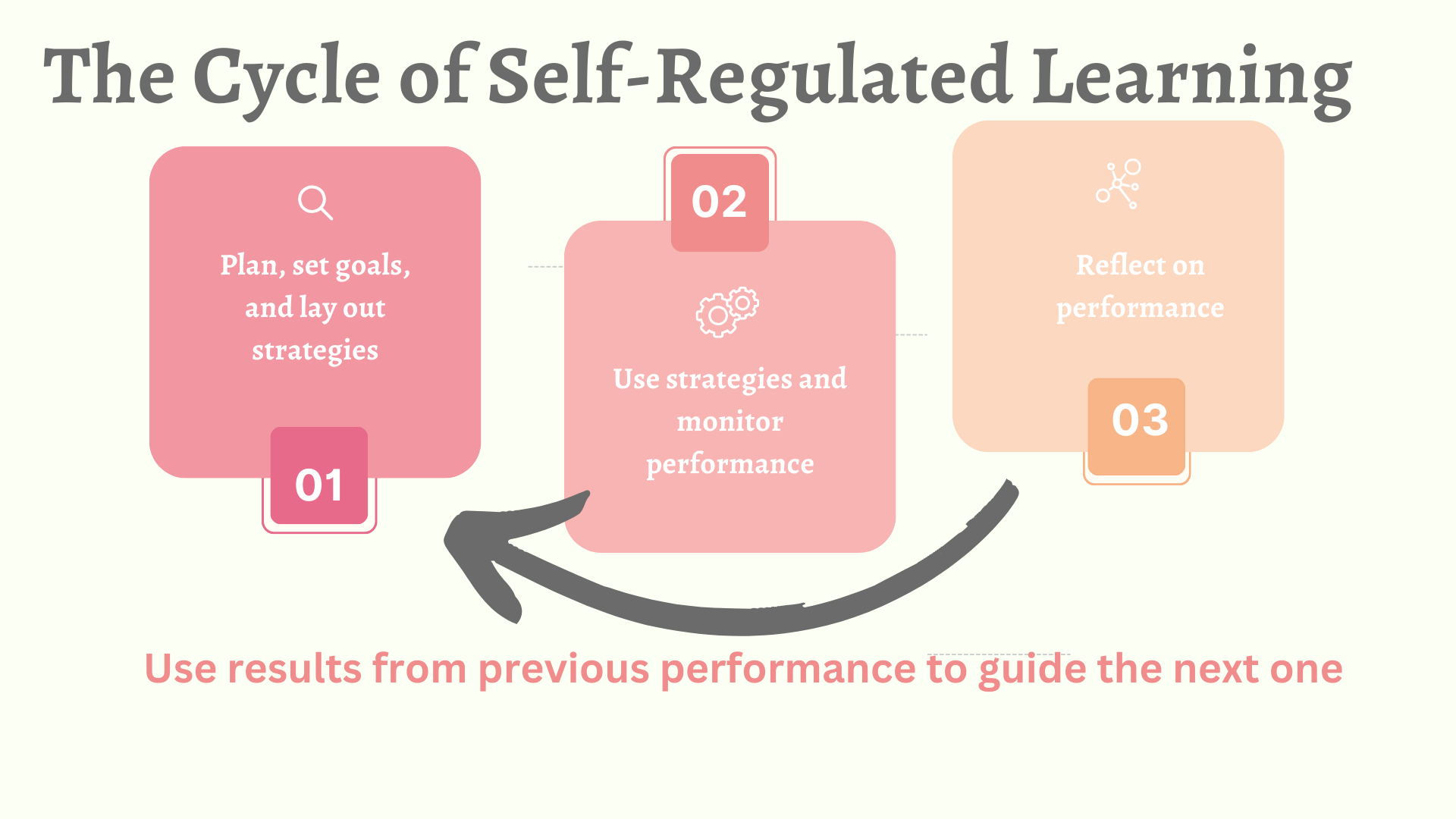
Experiential learning follows a cyclical pattern: attempt, receive feedback, adjust approach, and attempt again. This iteration drives improvement, with each cycle refining your technique and deepening your understanding.
Embrace this iterative process rather than expecting linear progress. Skill development often includes plateaus where improvement seems to stall, followed by breakthrough moments when everything suddenly clicks. These plateaus represent consolidation periods where your brain integrates previous learning before advancing further.
During plateaus, resist the temptation to abandon your practice or question your ability. Instead, maintain consistency and perhaps explore the skill from different angles. Sometimes approaching a challenge through a new method breaks through the stagnation.
Reflective Practice Enhances Learning
Combining action with reflection multiplies learning effectiveness. After practice sessions, spend time analyzing what worked, what didn’t, and why. This metacognitive awareness accelerates improvement by making implicit learning explicit.
Ask yourself questions like: What surprised me today? What would I do differently next time? What principle or pattern did I notice? This reflection transforms raw experience into organized knowledge that transfers to new situations.
🌍 Lifelong Learning Through Continuous Experience
The philosophy of learning by doing extends far beyond initial skill acquisition. It becomes a lifelong approach to personal and professional development, keeping your capabilities relevant as circumstances evolve.
As industries transform and technologies emerge, professionals who embrace experiential learning adapt more successfully than those relying solely on credential-based education. The ability to learn through doing—to quickly experiment with new tools, gather feedback, and iterate toward competence—becomes a meta-skill that supports all other learning.
Cultivate curiosity and maintain a beginner’s mindset even in areas where you’ve achieved expertise. Experts who continue learning through hands-on experimentation often discover innovations that revolutionize their fields, while those who rely solely on past knowledge gradually become obsolete.
🎓 Transforming Your Relationship with Learning
Adopting learning by doing as your primary educational philosophy fundamentally changes how you approach new challenges. Rather than asking “Do I know enough to try this?” you ask “What can I learn by trying this?” This shift from knowledge-first to experience-first thinking removes paralysis and generates momentum.
This approach also makes learning more enjoyable. Hands-on engagement provides immediate satisfaction that reading or watching alone cannot deliver. You see tangible results from your efforts, creating a positive feedback loop that sustains motivation through difficult learning periods.
Start today by identifying one skill you want to develop and one small action you can take immediately to practice it. Don’t wait for perfect conditions, complete information, or ideal circumstances. Begin with whatever resources you have available, knowing that the act of beginning creates its own momentum and opportunities.
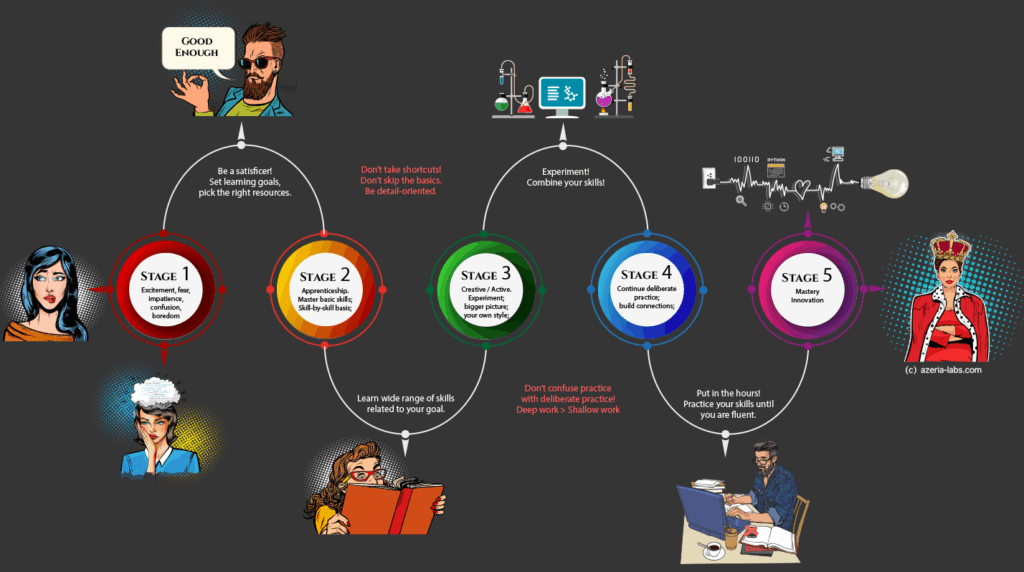
The journey from novice to master consists of thousands of small actions, mistakes, corrections, and attempts. Each experience builds on previous ones, gradually constructing competence that eventually appears effortless. By embracing the philosophy of learning through doing, you access the most powerful educational method available—one that has served humanity since our earliest ancestors first picked up tools and learned through trial and error.
Success through experiential learning requires patience, persistence, and a willingness to look foolish during the awkward early stages of skill development. But those who commit to this path discover that the doing itself becomes rewarding, that progress eventually becomes undeniable, and that capabilities once deemed impossible gradually become second nature. The question isn’t whether learning by doing works—countless examples throughout history prove it does. The question is whether you’re willing to embrace the discomfort of being a beginner in service of becoming the expert you aspire to be.