The modern workplace demands continuous learning and skill adaptation. Micro-credential systems offer a flexible, targeted approach to professional development that’s reshaping how individuals master competencies and advance their careers.

🎯 The Rise of Micro-Credentials in Modern Education
Traditional education models are evolving rapidly. Four-year degrees, while still valuable, no longer represent the only pathway to career success. Micro-credentials have emerged as a complementary system that recognizes specific skills and knowledge areas through targeted, short-term learning experiences.
These bite-sized certifications validate competencies in particular domains, from digital marketing analytics to cloud computing infrastructure. Unlike comprehensive degree programs, micro-credentials focus on precisely what employers need right now, making them incredibly relevant in fast-changing industries.
The shift toward micro-credentialing reflects broader changes in how we conceptualize learning. Rather than front-loading education in our youth, professionals now engage in lifelong learning journeys. Micro-credentials provide the scaffolding for this continuous development, allowing individuals to stack qualifications over time.
Understanding What Micro-Credentials Really Are
A micro-credential is a verified indicator of competency in a specific skill or knowledge area. These credentials are typically earned through focused courses, assessments, or project-based demonstrations lasting anywhere from a few hours to several months.
What distinguishes micro-credentials from traditional certifications is their granularity and portability. They represent mastery of discrete capabilities rather than broad knowledge domains. For example, instead of earning a general “Marketing Certificate,” you might obtain micro-credentials in SEO optimization, conversion rate optimization, and marketing automation separately.
Most micro-credential systems incorporate digital badges or certificates that can be shared across professional platforms. This portability ensures your achievements remain visible and verifiable throughout your career, regardless of where your professional journey takes you.
Key Characteristics of Effective Micro-Credentials
- Competency-based: Assessment focuses on demonstrable skills rather than seat time or course completion
- Stackable: Multiple credentials can combine to form larger qualifications or specializations
- Portable: Digital formats allow easy sharing across platforms and with potential employers
- Industry-aligned: Content reflects current workplace needs and emerging skill requirements
- Verifiable: Credentials include validation mechanisms that confirm authenticity and achievement
How Micro-Credential Systems Transform Career Development
Professional advancement traditionally followed linear paths: education, entry-level position, gradual promotion. Micro-credentials disrupt this model by enabling lateral movement, career pivots, and specialized expertise development at any career stage.
Consider a marketing professional wanting to transition into data analytics. Rather than returning to school for years, they can strategically pursue micro-credentials in SQL, Python for data analysis, statistical methods, and data visualization. Within months, they possess verifiable skills that position them for analytics roles.
This flexibility particularly benefits mid-career professionals who cannot pause employment for full-time study. Micro-credentials accommodate learning around existing responsibilities, allowing continuous skill development without career interruption.
Creating Your Personal Learning Pathway
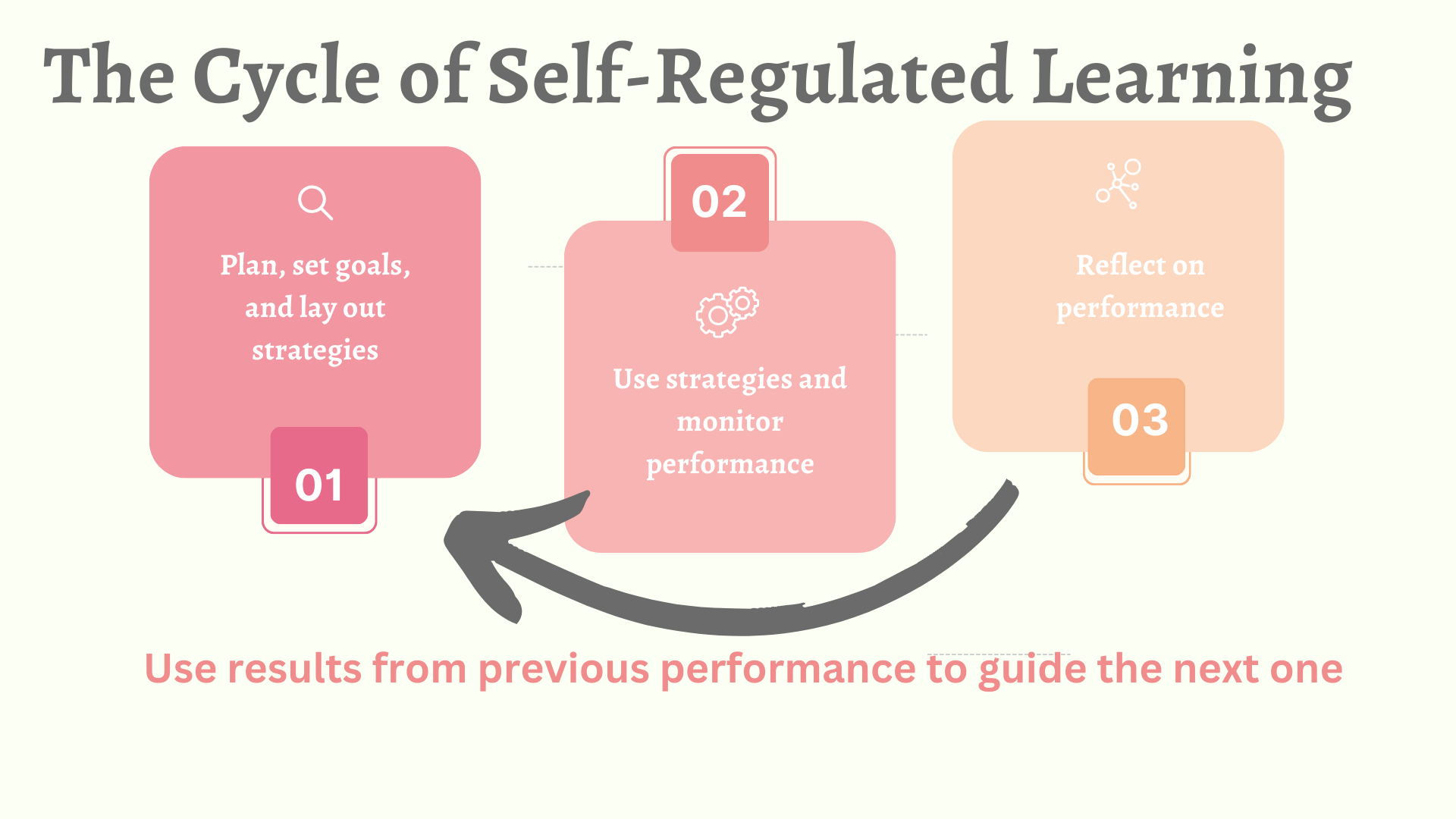
Strategic use of micro-credentials requires intentional planning. Begin by identifying skill gaps between your current capabilities and desired career position. Research job descriptions for target roles, noting recurring technical requirements and competencies.
Next, map available micro-credentials to these identified gaps. Prioritize credentials that address multiple requirements or provide foundational knowledge for subsequent learning. Consider both hard technical skills and soft skills like leadership, communication, and project management.
Create a realistic timeline that balances learning commitments with other responsibilities. Unlike traditional semester systems, micro-credential programs often offer flexible start dates and self-paced progression, allowing you to design a schedule that fits your life.
🚀 Major Platforms Leading the Micro-Credential Revolution
Several platforms have emerged as leaders in the micro-credential space, each offering distinct approaches and specializations. Understanding their differences helps you select the right fit for your learning objectives.
Coursera partners with universities and industry leaders to offer specializations and professional certificates. Their micro-credentials often carry institutional weight from recognized universities, providing credibility in traditional corporate environments.
LinkedIn Learning integrates micro-credentials directly into professional profiles, creating seamless connections between skill development and career networking. Their certificates immediately appear on your LinkedIn profile, increasing visibility to recruiters and hiring managers.
Udacity focuses on technology-focused nanodegrees co-created with companies like Google, Amazon, and IBM. These programs emphasize practical, project-based learning with direct pathways to specific job roles in tech industries.
edX offers MicroMasters and Professional Certificate programs from prestigious universities. These credentials can sometimes count toward full degree programs, providing a bridge between micro-credentials and traditional education.
Industry-Specific Credentialing Systems
Beyond general platforms, many industries have developed specialized micro-credential ecosystems. Technology certifications from AWS, Microsoft, and Google validate cloud computing expertise. Project management micro-credentials from PMI complement traditional PMP certification with agile and specialized methodologies.
Healthcare professions increasingly recognize micro-credentials for specialized procedures, emerging technologies, and regulatory compliance. Education sectors use digital badges to document professional development and pedagogical innovations.
The Employer Perspective: Why Organizations Value Micro-Credentials
Forward-thinking organizations increasingly recognize micro-credentials as valid indicators of capability. In competitive hiring markets, candidates who demonstrate continuous learning through micro-credentials signal adaptability and initiative.
Employers appreciate the specificity of micro-credentials. Rather than inferring capabilities from degree titles, hiring managers can identify exact competencies candidates possess. This precision reduces hiring risks and improves role-candidate alignment.
Some companies now incorporate micro-credential systems into internal talent development. Rather than relying solely on external training programs, organizations create proprietary micro-credentials aligned with specific company needs and processes.
This internal application serves multiple purposes: standardizing skill development across teams, creating clear advancement pathways, and retaining talent by investing in employee growth. Workers feel valued when employers support their skill development, increasing engagement and reducing turnover.
💡 Maximizing the Value of Your Micro-Credentials
Earning micro-credentials represents only half the equation; effectively communicating these achievements amplifies their career impact. Strategic presentation ensures employers, clients, and professional networks recognize your expanded capabilities.
Update your resume to prominently feature relevant micro-credentials, especially when they directly align with job requirements. Create a dedicated “Certifications and Professional Development” section that highlights your commitment to continuous learning.
Leverage digital badge systems by displaying credentials on email signatures, professional websites, and portfolio platforms. Many micro-credential providers offer embeddable badges that link to verification systems, allowing interested parties to confirm your achievements.
Building a Compelling Narrative Around Your Learning Journey
Transform credential lists into meaningful stories about your professional development. During interviews, discuss not just what you learned, but why you chose specific credentials and how you’ve applied those skills.
This narrative approach demonstrates strategic thinking and intentionality. Instead of appearing as someone randomly collecting certificates, you position yourself as a professional who identifies gaps, seeks solutions, and implements learning in practical contexts.
Document projects or work products that showcase your micro-credential competencies. A data visualization portfolio demonstrates your analytics credentials more powerfully than the certificate alone. Case studies showing how you applied new marketing techniques provide tangible proof of capability.
Navigating Quality and Credibility Concerns
The rapid expansion of micro-credential offerings has created quality variation across providers. Not all credentials carry equal weight with employers or accurately represent meaningful skill development.
Research credential providers carefully before investing time and money. Investigate their partnerships with industry leaders, employer recognition, and graduate outcomes. Programs co-designed with companies actively hiring for those skills typically offer stronger career pathways.
Accreditation matters, particularly when credentials might count toward future degree programs. Organizations like the National Commission for Certifying Agencies and industry-specific accrediting bodies provide quality assurance for professional certifications.
Read reviews from past participants, focusing on learning experience quality and career impact. Platforms with robust learner communities often indicate higher engagement and satisfaction levels.
Avoiding the Certificate Collection Trap
The accessibility of micro-credentials can tempt learners into accumulating certifications without strategic purpose. Dozens of random credentials create resume clutter rather than demonstrating expertise.
Resist the urge to pursue every interesting course. Instead, develop a focused credential strategy aligned with specific career objectives. Three highly relevant micro-credentials related to your target role prove more valuable than fifteen scattered across unrelated domains.
Prioritize depth over breadth in critical skill areas. Stacking related credentials that build progressive expertise demonstrates mastery more effectively than surface-level sampling across numerous topics.
🎓 Integrating Micro-Credentials with Traditional Education
Micro-credentials complement rather than replace traditional degrees. The most effective approach combines both systems, leveraging each for their respective strengths.
Many universities now offer credit for prior learning, potentially accepting micro-credentials toward degree requirements. This recognition acknowledges that learning happens in multiple contexts and formats beyond traditional coursework.
Some institutions have embedded micro-credentialing within degree programs, allowing students to earn stackable credentials while completing their studies. These embedded credentials provide graduates with both degrees and specific, marketable competencies that enhance employment prospects.
For career changers, micro-credentials can validate new direction before committing to expensive degree programs. Testing interest and aptitude through shorter credential programs reduces risk when exploring unfamiliar fields.
The Future Landscape of Micro-Credentialing
Micro-credential systems continue evolving rapidly, with several trends shaping their future development. Blockchain technology promises enhanced verification and portability, creating universal credential wallets that learners control throughout their careers.
Artificial intelligence increasingly personalizes learning pathways, recommending credentials based on career aspirations, existing skills, and market demands. These intelligent systems help learners navigate the overwhelming array of options more strategically.
Employer integration deepens as companies directly embed micro-credential requirements in job descriptions and incorporate them into applicant tracking systems. This integration streamlines hiring by automatically matching candidate credentials with position requirements.
Interoperability standards are emerging to ensure credentials from different providers can be compared and understood consistently. These standards will create a more transparent marketplace where learners can confidently evaluate options and employers can fairly assess qualifications.
Taking Action: Your First Steps Toward Micro-Credential Success
Beginning your micro-credential journey requires neither massive time commitments nor substantial financial investment. Start by conducting a personal skills audit, honestly assessing your current capabilities against your career aspirations.
Research micro-credentials addressing your highest-priority skill gaps. Compare offerings from multiple providers, examining curriculum depth, time requirements, costs, and employer recognition. Many platforms offer free trial access or audit options, allowing you to preview content before committing.
Start with a single, highly relevant credential rather than overwhelming yourself with multiple simultaneous pursuits. Successfully completing one program builds momentum and confidence for subsequent learning.
Schedule dedicated learning time in your calendar, treating it as seriously as professional meetings or personal commitments. Consistent, focused effort yields better outcomes than sporadic, marathon study sessions.
Measuring Your Return on Investment
Track the tangible benefits emerging from your micro-credential pursuits. Document new responsibilities at work, promotion opportunities, salary increases, or expanded professional networks directly connected to your newly acquired skills.
This tracking serves dual purposes: justifying continued investment in your development and providing concrete examples for performance reviews, promotion discussions, and job interviews. Quantifying impact transforms credentials from abstract achievements into demonstrable value.
Beyond immediate career benefits, consider the confidence and satisfaction gained from expanding your capabilities. These intrinsic rewards often prove as valuable as external recognition, fueling continued growth and professional fulfillment.

🌟 Embracing Continuous Growth Through Micro-Credentials
The workplace transformation driven by technological advancement, globalization, and changing business models ensures that yesterday’s skills won’t suffice for tomorrow’s challenges. Micro-credential systems provide the flexible, accessible framework needed for continuous adaptation.
By strategically leveraging these systems, you take control of your professional development rather than passively waiting for opportunities. Each credential represents progress toward your aspirations, whether those involve vertical advancement, lateral movement, or complete career reinvention.
The most successful professionals view learning as an ongoing journey rather than a destination. Micro-credentials support this mindset by breaking development into achievable milestones that accumulate into substantial expertise over time.
Start today by identifying one skill that would meaningfully impact your career trajectory. Research available micro-credentials addressing that skill, select a reputable program, and commit to completion. That single step initiates a transformation that compounds through consistent effort and strategic credential accumulation.
Your career potential isn’t limited by your past education or current position. Micro-credential systems democratize access to skill development, creating pathways previously unavailable to many professionals. Embrace these opportunities, master your skills systematically, and unlock the career possibilities waiting beyond your current horizon.