Inclusive education represents a fundamental shift in how we approach learning, ensuring every student—regardless of ability, background, or learning style—has access to quality education that meets their unique needs.

🌟 Understanding the Foundation of Inclusive Education
Inclusive education is more than just placing students with diverse needs in mainstream classrooms. It’s a comprehensive philosophy that recognizes and celebrates diversity while removing barriers that prevent any learner from reaching their full potential. This approach acknowledges that traditional educational models often inadvertently exclude students who don’t fit predetermined molds.
The concept extends beyond students with disabilities to encompass learners from various cultural backgrounds, those with different socioeconomic statuses, students with varying learning preferences, and children who face social or emotional challenges. When we design inclusive education systems, we’re essentially creating environments where difference is expected, valued, and supported.
Research consistently demonstrates that inclusive education benefits all students, not just those with identified needs. When classrooms embrace diversity, students develop greater empathy, improved social skills, and enhanced problem-solving abilities. They learn to appreciate different perspectives and become better prepared for the diverse world they’ll navigate as adults.
Breaking Down Physical and Architectural Barriers
The first step toward inclusive education involves addressing physical accessibility. School buildings must accommodate students with mobility challenges, visual impairments, and hearing difficulties. This means installing ramps, elevators, accessible restrooms, and appropriate signage that uses both text and symbols.
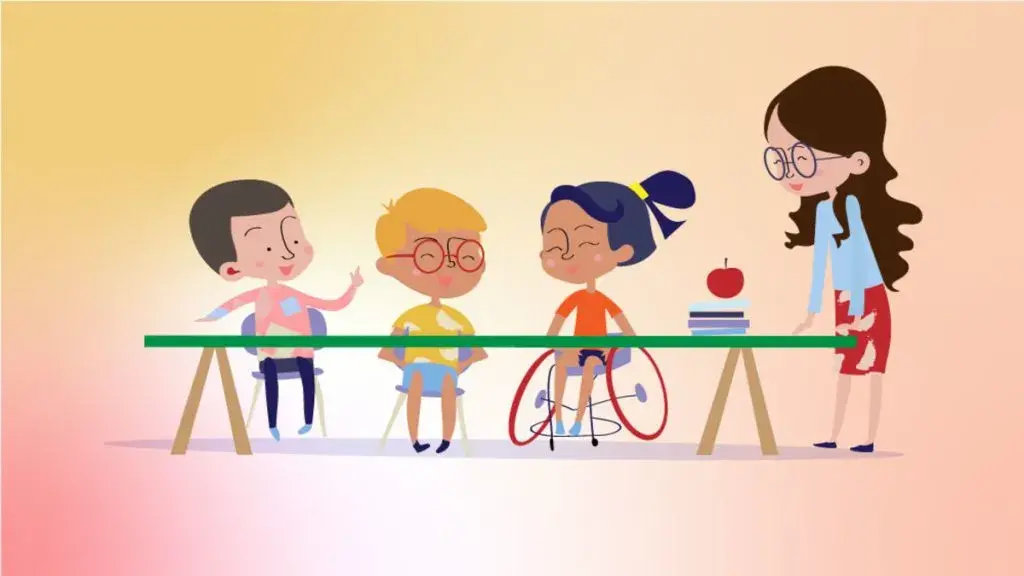
Classroom design plays a crucial role in fostering inclusion. Flexible seating arrangements allow teachers to reconfigure spaces based on activities and student needs. Wide aisles enable wheelchair access, while adjustable desks accommodate students of different heights and those who need specialized equipment. Acoustic treatments can help students with auditory processing difficulties, and appropriate lighting benefits those with visual sensitivities.
Technology has revolutionized physical accessibility in education. Interactive whiteboards, adjustable computer workstations, and assistive devices enable students with physical limitations to participate fully in classroom activities. The key is ensuring these accommodations are seamlessly integrated rather than appearing as afterthoughts that single out particular students.
Creating Multi-Sensory Learning Environments
Inclusive classrooms engage multiple senses simultaneously. Visual learners benefit from diagrams, charts, and color-coding systems. Auditory learners thrive with discussions, audio recordings, and verbal instructions. Kinesthetic learners need hands-on activities, movement opportunities, and tactile materials.
By incorporating various teaching methods within single lessons, educators naturally differentiate instruction without labeling students. A science lesson might include visual demonstrations, verbal explanations, written materials, and hands-on experiments—allowing each student to access information through their preferred modality while also strengthening less-developed learning channels.
🎯 Addressing Cognitive and Learning Differences
Students process information at different rates and in different ways. Inclusive education recognizes these variations as natural human diversity rather than deficiencies requiring remediation. Universal Design for Learning (UDL) principles provide frameworks for creating flexible curricula that offer multiple means of representation, expression, and engagement.
Differentiated instruction allows teachers to present concepts at varying complexity levels, provide scaffolded support, and offer choices in how students demonstrate understanding. Some students might write essays, while others create presentations, videos, or artistic representations of their learning. The assessment focuses on whether students have grasped essential concepts rather than their ability to complete tasks in predetermined ways.
Students with dyslexia, ADHD, autism spectrum disorders, and other neurodevelopmental differences benefit tremendously from structured yet flexible approaches. Clear routines provide security, while built-in flexibility prevents rigidity. Visual schedules, chunked assignments, frequent breaks, and opportunities for movement help students with executive function challenges succeed.
Leveraging Technology for Cognitive Accessibility
Digital tools have transformed possibilities for students with learning differences. Text-to-speech software assists students with reading difficulties. Speech-to-text applications support those who struggle with writing. Organizational apps help students with ADHD manage tasks and time.
Educational software can adjust difficulty levels based on individual performance, providing appropriate challenges without frustration or boredom. Interactive simulations make abstract concepts concrete, particularly benefiting students who struggle with theoretical material. Digital textbooks with embedded dictionaries, note-taking capabilities, and adjustable text sizes accommodate diverse reading abilities.
Cultivating Social and Emotional Inclusion 💙
Academic accessibility means little if students don’t feel emotionally safe and socially connected. Inclusive education prioritizes creating classroom communities where every student belongs. This requires intentional effort to build relationships, foster empathy, and address bullying or exclusion immediately.
Social-emotional learning (SEL) curricula teach students to recognize and manage emotions, develop empathy, establish positive relationships, and make responsible decisions. When integrated throughout the school day, SEL creates foundations for inclusive communities where students support rather than ostracize peers who are different.
Peer support programs pair students strategically, allowing those with strong social skills to model appropriate interactions while developing leadership abilities. Circle of Friends initiatives, buddy systems, and cooperative learning structures create natural opportunities for students with and without disabilities to form genuine friendships.
Addressing Trauma and Mental Health
Many students carry invisible challenges—trauma, anxiety, depression, or unstable home situations. Trauma-informed educational approaches recognize that behavior often communicates unmet needs. Rather than punitive discipline that escalates situations, trauma-informed practices emphasize safety, trustworthiness, collaboration, and empowerment.
Creating quiet spaces where students can self-regulate, offering flexible deadlines during difficult periods, and training staff to recognize mental health concerns demonstrates that schools value whole-child wellbeing. School counselors, psychologists, and social workers become integral team members rather than resources accessed only during crises.
🌍 Honoring Cultural and Linguistic Diversity
Inclusive education embraces students from all cultural backgrounds, recognizing that diverse perspectives enrich learning for everyone. Culturally responsive teaching incorporates students’ cultural references into curriculum, validates their lived experiences, and challenges dominant narratives that may marginalize certain groups.
For English language learners, inclusion means providing language support while maintaining high academic expectations. Bilingual resources, visual aids, sentence frames, and opportunities to use home languages facilitate learning. Translanguaging approaches recognize that multilingualism is an asset rather than a deficit.
Representation matters profoundly. When textbooks, literature, and classroom materials reflect diverse cultures, races, family structures, and abilities, all students see themselves valued. This representation also expands worldviews for students from majority groups, preparing them for global citizenship.
Transforming Assessment and Evaluation Practices
Traditional assessment methods often create unnecessary barriers. Timed tests disadvantage students who process information more slowly despite understanding content deeply. Written exams limit students with language-based learning disabilities from demonstrating knowledge. High-stakes testing creates anxiety that impairs performance for students with anxiety disorders.
Inclusive assessment offers multiple ways for students to demonstrate learning. Performance-based assessments, portfolios, projects, and presentations provide alternatives to traditional tests. When assessment focuses on growth and mastery rather than comparison with peers, students develop intrinsic motivation and resilience.
Implementing Formative Assessment Strategies
Ongoing formative assessment allows teachers to adjust instruction based on student progress. Quick checks for understanding—through questioning, exit tickets, or digital response systems—provide real-time feedback. This approach identifies struggling students early, preventing small gaps from becoming insurmountable obstacles.
Self-assessment and peer feedback develop metacognitive skills while reducing teacher workload. When students learn to evaluate their own work against clear criteria, they become independent learners who can identify next steps without constant external direction.
👥 Building Collaborative Support Systems
No single teacher can meet all diverse needs alone. Inclusive education requires collaborative models where special educators, general educators, therapists, and support staff work as integrated teams. Co-teaching arrangements bring specialized expertise into mainstream classrooms, benefiting all students while reducing stigma associated with pullout services.
Families are essential partners in inclusive education. Regular communication, meaningful involvement in educational planning, and respect for family knowledge about their children’s needs strengthen home-school connections. When educators view families as experts on their children rather than obstacles to overcome, true collaboration flourishes.
Paraprofessionals and teaching assistants require proper training and clear roles. Rather than creating dependence by hovering over specific students, skilled support staff facilitate independence, fade assistance appropriately, and support classroom-wide activities that benefit many learners simultaneously.
Professional Development and Educator Preparation
Teachers cannot implement inclusive practices they’ve never learned. Comprehensive professional development must move beyond one-time workshops to sustained, job-embedded learning opportunities. Collaborative planning time, peer observations, coaching, and study groups allow educators to develop and refine inclusive teaching skills.
Pre-service teacher education programs should prepare all educators—not just special education teachers—to work with diverse learners. When inclusive education principles are integrated throughout coursework and field experiences, new teachers enter the profession expecting and prepared for classroom diversity.
Fostering Growth Mindsets Among Educators
Teachers’ beliefs about student potential profoundly impact outcomes. Deficit-based thinking that views certain students as incapable becomes self-fulfilling prophecy. Growth mindsets that recognize all students can learn given appropriate support and instruction open possibilities.
Professional learning communities where teachers examine student work, analyze data, and problem-solve collaboratively build collective efficacy. When educators believe together they can reach all students, they persist through challenges and continuously improve their practice.
🚀 Leveraging Innovation and Emerging Technologies
Artificial intelligence, virtual reality, and adaptive learning platforms offer unprecedented opportunities for personalization. AI-powered reading assistants provide immediate feedback and adjust difficulty levels. Virtual reality allows students to experience historical events or scientific phenomena that would be impossible to access otherwise.
Augmentative and alternative communication (AAC) devices give voice to nonverbal students. Eye-gaze technology enables students with severe physical disabilities to control computers and communicate. These technologies don’t replace human connection but rather facilitate it for students who previously faced insurmountable communication barriers.
Gamification elements—points, badges, levels—can increase engagement and motivation when thoughtfully implemented. Educational games that adapt to individual skill levels provide practice opportunities that feel more like play than work, particularly benefiting students who struggle with traditional instructional formats.
Policy Frameworks and Systemic Change
Sustainable inclusive education requires supportive policies at district, state, and national levels. Funding formulas should incentivize inclusion rather than segregation. Accountability systems must measure growth and inclusive practices rather than solely standardized test scores that may disadvantage certain students.
Legal frameworks like the Individuals with Disabilities Education Act (IDEA) in the United States establish rights to free, appropriate public education in least restrictive environments. However, compliance with letter of law doesn’t guarantee adherence to inclusive spirit. Policies must be accompanied by resources, training, and monitoring to ensure meaningful implementation.
Addressing Resource Allocation Challenges
Critics argue inclusive education costs more than segregated programs. Research suggests otherwise—when implemented properly, inclusive models can be cost-neutral or less expensive than maintaining separate systems. However, transition periods require investment in professional development, materials, and facility modifications.
Creative resource allocation—such as repositioning special education teachers as inclusion specialists supporting multiple classrooms—maximizes expertise while building general educator capacity. Technology purchases should prioritize tools with universal design features benefiting many students rather than specialized equipment for individuals alone.
Measuring Success in Inclusive Education 📊
Evaluating inclusive education requires moving beyond narrow academic metrics. Success indicators include student engagement, attendance, behavior incidents, graduation rates, and post-school outcomes. Qualitative measures—student and family satisfaction, sense of belonging, friendship development—provide crucial context that numbers alone cannot capture.
Longitudinal studies demonstrate that students educated inclusively show better long-term outcomes in employment, independent living, and community participation compared to those in segregated settings. These results benefit society broadly through reduced need for adult services and increased economic productivity.
Moving Forward: Creating Sustainable Inclusive Systems
Transitioning to truly inclusive education represents cultural transformation, not merely programmatic adjustment. This change requires vision, leadership, persistence, and willingness to challenge long-held assumptions about teaching and learning. Resistance is natural—humans gravitate toward familiar practices even when evidence supports alternatives.
Starting small with pilot programs in supportive schools can demonstrate effectiveness, build momentum, and identify challenges before wider implementation. Celebrating successes, sharing stories of student growth, and highlighting benefits for all learners help shift perspectives among skeptics.
Inclusive education is not a destination but an ongoing journey toward equity and excellence for all students. Each barrier removed, each accommodation normalized, and each student who finds belonging in mainstream classrooms moves us closer to educational systems worthy of the diverse, talented young people they serve. When we design education for those at the margins, we create better learning environments for everyone—proving that inclusion elevates rather than lowers standards.
The future of education must be inclusive by design rather than accommodation as afterthought. As our understanding of human diversity deepens and technologies continue advancing, possibilities for meeting individual needs within shared spaces expand. By committing to breaking barriers now, we create foundations for generations of learners who will grow up experiencing diversity as normal, building more inclusive societies where everyone can contribute their unique gifts.