Experiential learning transforms how we acquire skills, develop professionally, and unlock our true potential through hands-on, immersive experiences that go beyond traditional classroom settings.

🎯 Understanding the Foundation of Experiential Learning
Experiential learning represents a paradigm shift in how we approach education and professional development. Unlike passive learning methods that rely solely on lectures and textbooks, this approach emphasizes direct involvement, reflection, and real-world application. The concept, pioneered by educational theorist David Kolb, recognizes that people learn best when they actively engage with material, make mistakes in safe environments, and connect theoretical knowledge to practical situations.
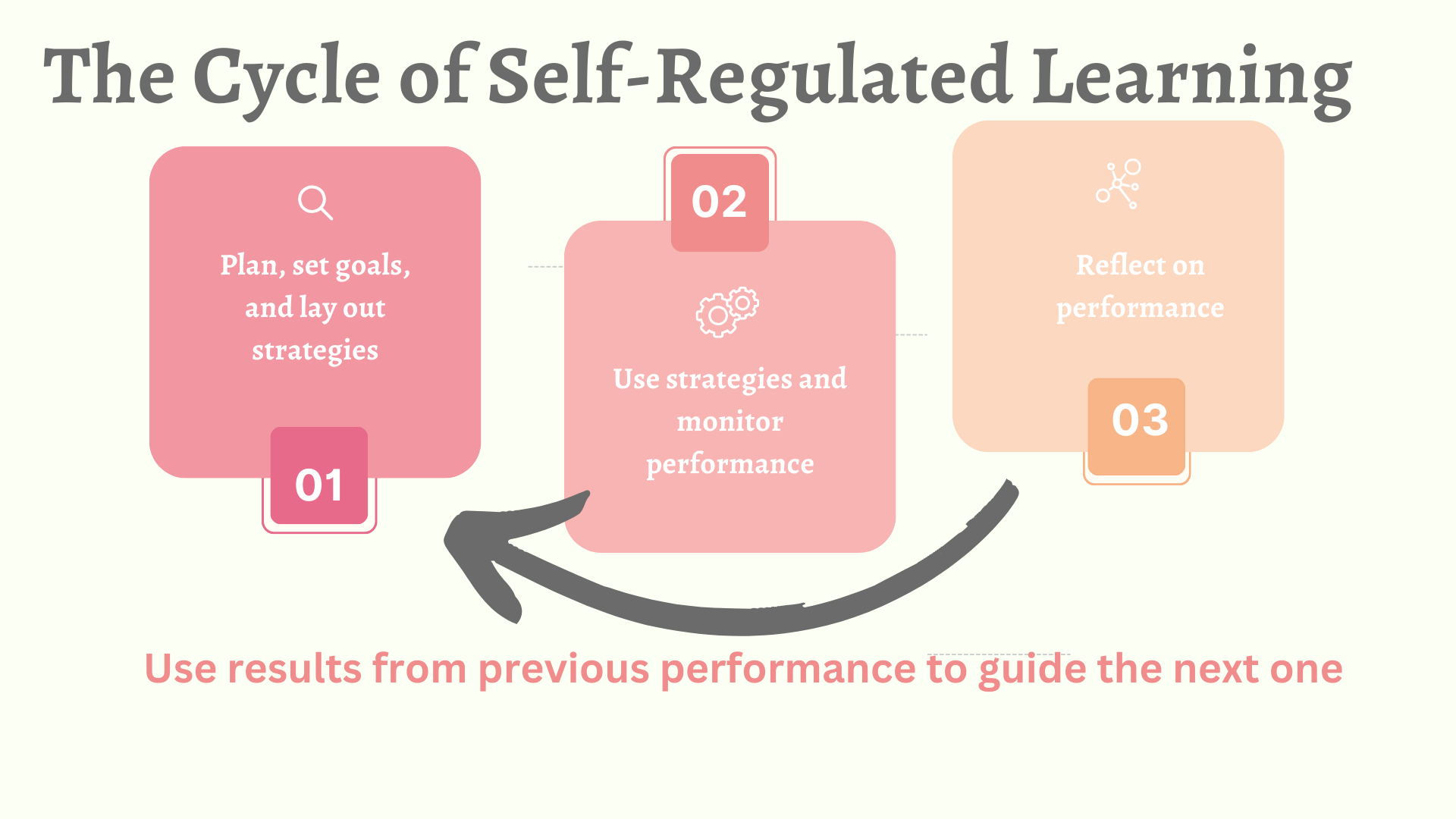
At its core, experiential learning follows a cyclical process: concrete experience, reflective observation, abstract conceptualization, and active experimentation. This cycle ensures that learners don’t just memorize information but truly internalize concepts through multiple touchpoints. When organizations and educational institutions implement experiential learning programs, they create opportunities for participants to develop deeper understanding, stronger retention, and more transferable skills.
The modern workplace demands more than technical knowledge—it requires adaptability, critical thinking, and problem-solving abilities. Experiential learning programs address these needs by placing individuals in authentic scenarios where they must navigate complexity, collaborate with others, and make decisions with real consequences. This immersive approach bridges the gap between knowing and doing, transforming potential into demonstrated capability.
The Science Behind Learning Through Experience
Neuroscience research validates what educators have long suspected: our brains are wired to learn through experience. When we engage in hands-on activities, multiple neural pathways activate simultaneously, creating stronger memory consolidation than passive learning alone. The emotional components of experiential learning—whether excitement, frustration, or achievement—further enhance retention by triggering the release of neurotransmitters that facilitate long-term memory formation.
Studies consistently demonstrate that retention rates for experiential learning far exceed traditional methods. While lectures typically result in 5-10% retention after 24 hours, experiential activities can achieve retention rates of 75% or higher. This dramatic difference occurs because experiential learning engages multiple senses, requires active problem-solving, and creates meaningful connections between new information and existing knowledge structures.
The concept of “desirable difficulties” also plays a crucial role in experiential learning effectiveness. When learners encounter challenges that push them slightly beyond their comfort zone, they develop resilience and deeper understanding. These controlled struggles, followed by reflection and guidance, create optimal conditions for growth that passive learning cannot replicate.
💼 Professional Development Through Experiential Programs
Organizations increasingly recognize that traditional training methods fall short in developing the competencies needed for today’s complex business environment. Experiential learning programs offer a solution by creating realistic scenarios where employees can practice leadership, communication, and strategic thinking without the risks associated with on-the-job mistakes.
Leadership development programs exemplify the power of experiential learning in professional contexts. Rather than simply reading about conflict resolution or decision-making under pressure, participants engage in simulations, role-playing exercises, and team challenges that mirror real workplace dynamics. These experiences provide immediate feedback, allowing leaders to recognize their blind spots, experiment with new approaches, and build confidence in their abilities.
Sales training represents another area where experiential learning delivers exceptional results. Instead of memorizing scripts and product features, salespeople participate in realistic customer interactions, handle objections in real-time, and receive coaching based on their actual performance. This approach accelerates skill development and produces more confident, adaptable sales professionals who can navigate diverse customer scenarios.
Building Soft Skills That Matter
Technical skills alone no longer guarantee professional success. Employers consistently rank soft skills—communication, collaboration, emotional intelligence, and adaptability—among their top hiring priorities. Experiential learning programs excel at developing these competencies because they require participants to navigate interpersonal dynamics, manage emotions under pressure, and adjust strategies based on real-time feedback.
Team-building experiences, for instance, force participants to communicate clearly, delegate effectively, and manage conflict constructively. When a team must solve a physical challenge or complete a complex project together, abstract concepts like “effective communication” become concrete through direct experience. Participants discover their communication styles, recognize how their behavior impacts others, and practice adjustments that improve team performance.
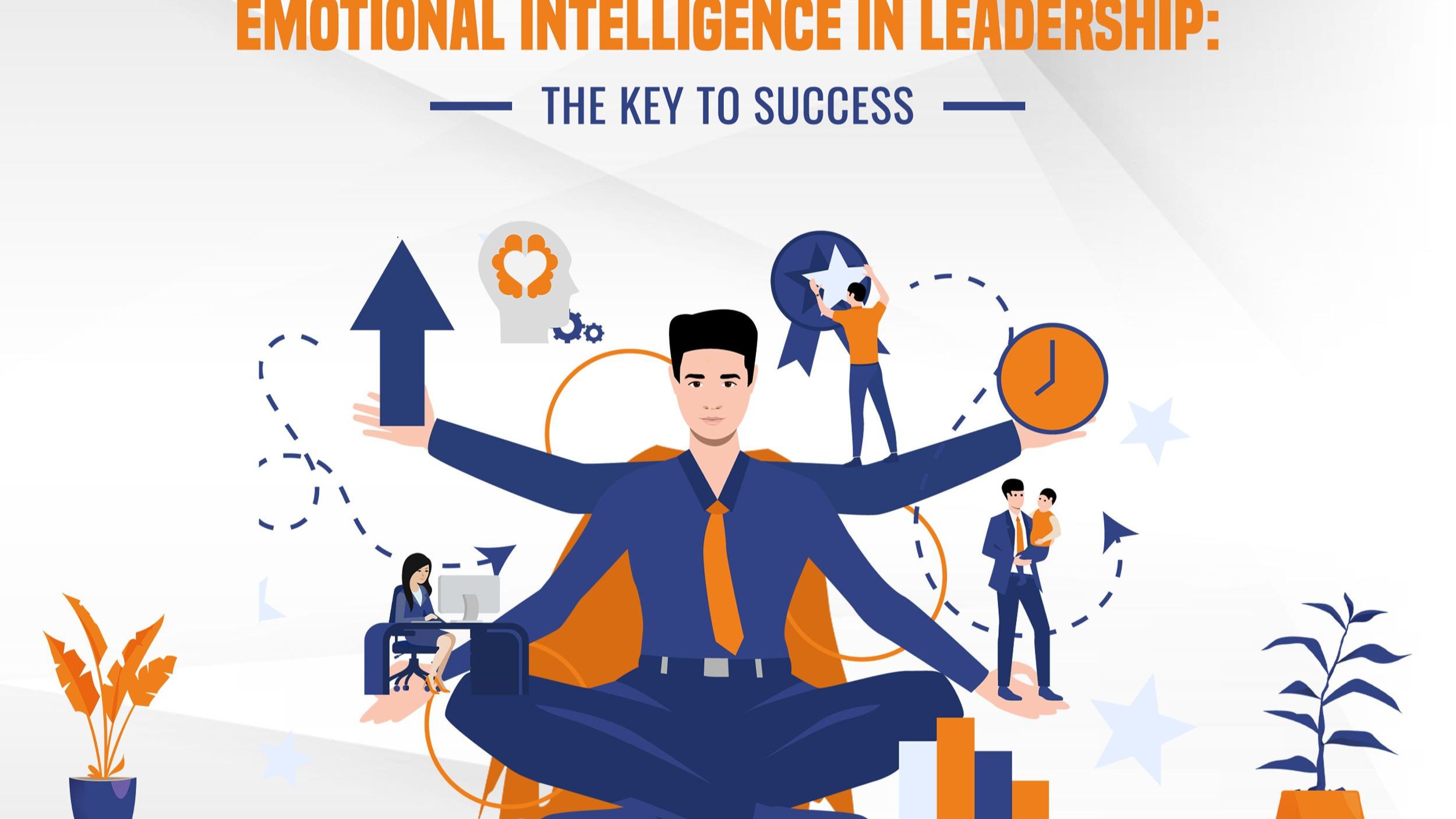
Emotional intelligence development particularly benefits from experiential approaches. Through role-playing, simulation exercises, and facilitated group interactions, participants gain awareness of their emotional triggers, practice empathy, and develop strategies for managing stress and conflict. These skills, difficult to teach through traditional methods, become accessible through structured experience and reflection.
🎓 Personal Growth and Self-Discovery
Experiential learning programs offer profound opportunities for personal development beyond professional skills. Outdoor adventure programs, creative workshops, and service-learning initiatives help individuals discover strengths they didn’t know they possessed, confront limiting beliefs, and develop greater self-awareness. These transformative experiences often catalyze significant personal growth that extends into all areas of life.
Adventure-based learning programs illustrate this principle powerfully. When individuals face challenges like rock climbing, wilderness navigation, or high-ropes courses, they confront fears and self-imposed limitations in tangible ways. The metaphorical connections between these physical challenges and life obstacles become evident during structured reflection sessions, helping participants transfer insights to personal and professional contexts.
Creative experiential programs—art workshops, improvisational theater, music collaboration—unlock different aspects of personal potential. These activities bypass analytical thinking, accessing intuition, creativity, and emotional expression. Participants often discover hidden talents, develop new confidence in their creative abilities, and learn to embrace uncertainty and imperfection—skills increasingly valuable in innovation-driven economies.
Service Learning and Social Impact
Service-learning programs combine community service with structured reflection, creating powerful growth experiences while addressing social needs. Participants don’t just volunteer; they engage deeply with communities, understand complex social issues, and develop empathy and cultural competence. This form of experiential learning builds civic responsibility alongside personal and professional skills.
Students participating in service-learning projects report increased self-efficacy, stronger sense of purpose, and clearer career direction. By applying classroom knowledge to real community challenges, they see the relevance of their education while developing practical skills like project management, communication across differences, and adaptive problem-solving. The reciprocal nature of service learning—where both participants and communities benefit—adds meaningful depth to the learning experience.
Designing Effective Experiential Learning Programs
Creating impactful experiential learning requires thoughtful design that balances challenge and support, activity and reflection, individual and group experiences. Effective programs share several key characteristics that maximize learning outcomes and ensure positive participant experiences.
Clear learning objectives provide essential direction. While experiential learning embraces discovery and emergence, facilitators must articulate intended outcomes and design activities that support those goals. Whether developing leadership capabilities, building team cohesion, or fostering innovation, specific objectives guide activity selection and reflection processes.
The right level of challenge creates optimal learning conditions. Activities must stretch participants beyond their comfort zones without overwhelming them. Facilitators assess group readiness, provide appropriate scaffolding, and adjust challenges dynamically based on participant responses. This calibration ensures that struggles remain productive rather than demoralizing.
The Critical Role of Reflection
Experience alone doesn’t guarantee learning—reflection transforms experience into insight. Effective experiential programs build in structured reflection time where participants process what happened, identify patterns, extract lessons, and plan applications. Skilled facilitators guide this reflection through questioning techniques that deepen thinking without imposing their interpretations.
Reflection can take many forms: group discussions, individual journaling, partner conversations, creative expression, or movement-based processing. Varying reflection methods accommodates different learning styles and prevents monotony. The key is creating psychological safety where participants feel comfortable sharing authentic observations, admitting uncertainties, and exploring vulnerable emotions.
Connecting experiential insights to real-world application completes the learning cycle. Facilitators help participants identify specific situations where they’ll apply new skills or perspectives, anticipate obstacles, and develop action plans. This transfer planning significantly increases the likelihood that experiential learning will influence behavior beyond the program itself.
🌍 Technology-Enhanced Experiential Learning
Digital technologies expand experiential learning possibilities while introducing new considerations. Virtual reality simulations create immersive environments where learners practice high-stakes skills without real-world consequences. Medical students perform virtual surgeries, pilots navigate simulated emergencies, and business leaders manage crisis scenarios—all gaining valuable experience through technology-mediated environments.
Augmented reality applications overlay digital information onto physical environments, creating hybrid experiential learning opportunities. Architecture students visualize designs in actual locations, biology students examine virtual organisms in natural settings, and maintenance technicians practice repairs with digital guidance superimposed on real equipment. These technologies make certain experiences more accessible, repeatable, and scalable.
Online collaborative platforms enable experiential learning across distances. Teams tackle real challenges through video conferencing, shared workspaces, and project management tools, developing both technical and interpersonal skills. While different from in-person experiences, these virtual collaborations reflect increasingly common workplace realities, making them valuable experiential learning opportunities in their own right.
Balancing Technology and Human Connection
Despite technological advances, human facilitation remains irreplaceable in experiential learning. Technology provides tools and platforms, but skilled facilitators create psychological safety, ask provocative questions, and help participants navigate the messy, unpredictable aspects of experiential learning. The most effective programs integrate technology strategically while preserving space for authentic human interaction and relationship building.
Measuring Impact and Demonstrating Value
Organizations investing in experiential learning programs rightfully expect evidence of effectiveness. Measuring impact requires multiple approaches that capture both immediate outcomes and long-term behavioral changes. Pre- and post-program assessments establish baselines and track skill development, while 360-degree feedback reveals how new behaviors manifest in workplace contexts.
Qualitative data provides essential context that numbers alone cannot capture. Participant testimonials, reflection journals, and facilitator observations reveal the nuanced ways experiential learning influences thinking, attitudes, and approaches. These stories of transformation often prove most compelling to stakeholders considering program investments.
Long-term follow-up distinguishes truly effective programs from those producing only temporary enthusiasm. Checking in with participants months after program completion reveals whether insights translated into sustained behavior change. Organizations with robust evaluation systems continuously refine their experiential learning offerings based on this feedback, ensuring ongoing improvement.
🚀 Implementing Experiential Learning in Your Context
Whether you’re an educator, organizational leader, or individual seeking growth, implementing experiential learning principles begins with shifting mindset. Rather than viewing learning as information transfer, recognize it as active meaning-making through engagement, reflection, and application. This perspective opens countless opportunities to create experiential learning moments.
Start small by incorporating experiential elements into existing structures. Replace portions of presentations with interactive exercises, add reflection questions to meetings, or design brief simulations that illustrate key concepts. These incremental changes build comfort with experiential methods while demonstrating their value.
Seek partnerships with experienced providers when tackling larger initiatives. Professional facilitators bring expertise in program design, group dynamics, safety management, and reflection techniques. Their guidance helps avoid common pitfalls and maximizes program effectiveness, particularly when addressing complex objectives like leadership development or organizational culture change.
Creating a Culture of Experiential Learning
Sustainable impact requires embedding experiential learning into organizational or educational culture rather than treating it as occasional events. Leaders model curiosity, embrace failure as learning opportunity, and create space for experimentation. Recognition systems reward not just outcomes but also risk-taking, innovation, and collaborative problem-solving—behaviors that experiential learning develops.
Physical and psychological environments either support or hinder experiential learning. Flexible spaces that accommodate diverse activities, access to materials for hands-on projects, and norms that encourage questions and mistakes all contribute to cultures where experiential learning thrives. When people feel safe to experiment, reflect honestly, and try new approaches, learning accelerates dramatically.
Transforming Potential Into Performance
Experiential learning programs represent more than alternative pedagogy—they offer pathways to unlock human potential that traditional methods cannot access. By engaging whole persons—minds, bodies, emotions—these programs develop capabilities essential for navigating complexity, driving innovation, and leading with authenticity. The investment in experiential learning yields returns measured not just in skills acquired but in confidence built, perspectives expanded, and possibilities recognized.
As workplace demands evolve and change accelerates, the ability to learn continuously becomes more valuable than any specific knowledge set. Experiential learning develops this meta-skill by teaching people how to extract lessons from experience, adapt to novel situations, and transform challenges into growth opportunities. Organizations and individuals prioritizing experiential learning position themselves for sustained success regardless of what changes emerge.
The journey from potential to actualization requires more than good intentions or theoretical knowledge. It demands practice, feedback, reflection, and repeated application—the essential elements of experiential learning. Whether you’re developing leaders, building teams, educating students, or pursuing personal growth, experiential approaches offer proven pathways to meaningful, lasting transformation. The question isn’t whether experiential learning works, but rather how you’ll harness its power to unlock the potential within yourself and those around you.