Modern education demands transformation, and adaptive curriculum innovation stands at the forefront of creating personalized learning experiences that truly resonate with individual student needs.

🎯 Understanding the Paradigm Shift in Modern Education
The traditional one-size-fits-all approach to education has long been recognized as inadequate for addressing the diverse learning needs of today’s students. As classrooms become increasingly diverse in terms of learning styles, abilities, cultural backgrounds, and technological familiarity, educators and administrators are realizing that conventional teaching methods no longer suffice. Adaptive curriculum innovation represents a fundamental reimagining of how educational content is designed, delivered, and assessed.
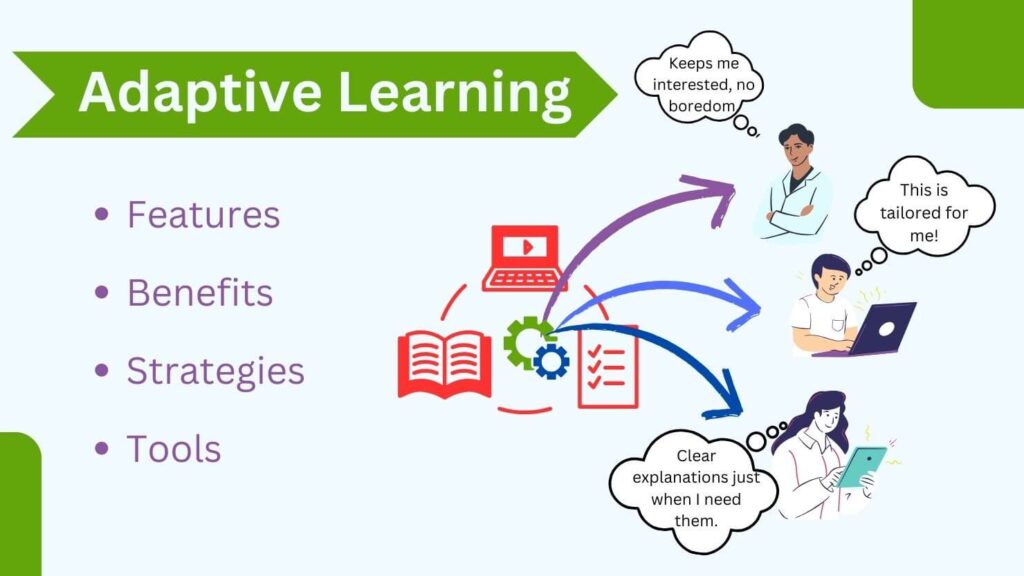
This revolutionary approach leverages technology, data analytics, and pedagogical research to create dynamic learning pathways that adjust in real-time to student performance, engagement levels, and learning preferences. Rather than forcing students to conform to a rigid curriculum structure, adaptive systems mold themselves around each learner’s unique journey, creating opportunities for genuine mastery and deeper understanding.
The Science Behind Personalized Learning Success
Personalized learning isn’t just an educational buzzword; it’s grounded in cognitive science and learning theory. Research consistently demonstrates that students learn more effectively when instruction matches their current knowledge level, learning pace, and preferred modalities. The zone of proximal development, a concept introduced by psychologist Lev Vygotsky, explains that optimal learning occurs when students are challenged just beyond their current abilities but not so far that they become frustrated.
Adaptive curriculum innovation operationalizes this principle by continuously assessing where students are in their learning journey and adjusting accordingly. When a student demonstrates mastery, the system advances them to more complex material. When struggles emerge, it provides additional support, alternative explanations, or supplementary resources. This dynamic responsiveness creates a learning environment where every student can progress at their optimal pace.
Neuroscience Insights Driving Curriculum Design
Modern neuroscience has revealed fascinating insights about how the brain processes and retains information. Adaptive curricula incorporate these findings by implementing spaced repetition, interleaving practice, and retrieval exercises that strengthen neural pathways. The systems recognize that memory consolidation requires time and repeated exposure, spacing out content review to maximize retention.
Furthermore, adaptive platforms can identify when cognitive load becomes excessive, breaking down complex concepts into manageable chunks. This scaffolded approach prevents the overwhelm that often leads to disengagement while maintaining sufficient challenge to promote growth.
💡 Key Components of Effective Adaptive Curriculum Systems
Implementing successful adaptive curriculum innovation requires several interconnected elements working in harmony. Understanding these components helps educators and institutions make informed decisions about which systems and approaches will best serve their students.
Intelligent Assessment Mechanisms
The foundation of any adaptive system lies in its ability to accurately assess student knowledge and skills. Unlike traditional assessments that provide snapshots at fixed intervals, adaptive assessments occur continuously and unobtrusively. These systems analyze not just whether answers are correct but how students arrive at those answers, identifying misconceptions and knowledge gaps.
Modern adaptive platforms employ sophisticated algorithms that consider response patterns, time spent on tasks, and error types to build comprehensive learner profiles. This granular data enables precise curriculum adjustments that address specific needs rather than applying broad-stroke interventions.
Dynamic Content Libraries
Adaptive systems require extensive content repositories that offer multiple pathways to learning the same concepts. This means developing or curating diverse resources including videos, interactive simulations, readings, hands-on activities, and collaborative projects. The system draws from this library to present content in formats most likely to resonate with individual learners.
Content diversity also addresses cultural relevance and representation. Adaptive curricula can select examples, contexts, and narratives that connect with students’ lived experiences, making abstract concepts more concrete and meaningful.
Real-Time Analytics and Reporting
For adaptive systems to benefit all stakeholders, they must provide transparent, actionable insights. Educators need dashboards that highlight student progress, flag struggling learners, and suggest interventions. Students benefit from visualizations showing their growth trajectory and areas requiring attention. Administrators require aggregate data to evaluate program effectiveness and resource allocation.
These analytics transform education from intuition-based to evidence-based, enabling data-driven decisions at every level.
Transformative Benefits for Multiple Stakeholders
The implementation of adaptive curriculum innovation creates ripple effects that benefit everyone involved in the educational ecosystem. Understanding these benefits helps build the case for adoption and investment in these transformative systems.
Student Empowerment and Engagement 🚀
Students using adaptive curricula report higher engagement levels because the content remains appropriately challenging without becoming frustratingly difficult. This sweet spot of challenge maintains motivation and builds confidence. Additionally, the personalized nature of the experience gives students greater agency over their learning, fostering intrinsic motivation.
Struggling students particularly benefit from the non-judgmental nature of adaptive systems. They can take the time they need to master concepts without the stigma of falling behind peers. Conversely, advanced students aren’t held back by class-wide pacing, allowing them to explore topics in greater depth or accelerate through familiar material.
Teacher Effectiveness and Satisfaction
Contrary to fears that technology might replace educators, adaptive curriculum innovation actually amplifies teacher effectiveness. By automating routine instructional tasks and content delivery, these systems free teachers to focus on higher-value activities: facilitating discussions, providing emotional support, mentoring, and addressing complex questions that require human judgment and empathy.
Teachers gain powerful diagnostic tools that help them understand each student’s needs more deeply than ever possible through traditional methods. This insight enables targeted interventions and more meaningful one-on-one interactions. Many educators report greater job satisfaction when using adaptive systems because they can see clearer evidence of their impact on student learning.
Institutional Outcomes and Efficiency
Educational institutions implementing adaptive curricula often see improved completion rates, higher test scores, and better student retention. These improvements occur because fewer students fall through the cracks when systems actively identify and address learning gaps.
Resource allocation becomes more efficient as data reveals which interventions work best for specific student populations. Schools can direct support where it’s most needed and adjust programs based on evidence rather than assumptions.
🔧 Implementation Strategies for Lasting Success
Successfully transitioning to adaptive curriculum models requires thoughtful planning, adequate resources, and stakeholder buy-in. Institutions that approach implementation strategically achieve better outcomes than those attempting rushed deployments.
Starting with Pilot Programs
Rather than institution-wide rollouts, successful implementations typically begin with carefully designed pilot programs. These pilots might focus on specific subjects, grade levels, or student populations, allowing institutions to test systems, gather feedback, and refine approaches before scaling.
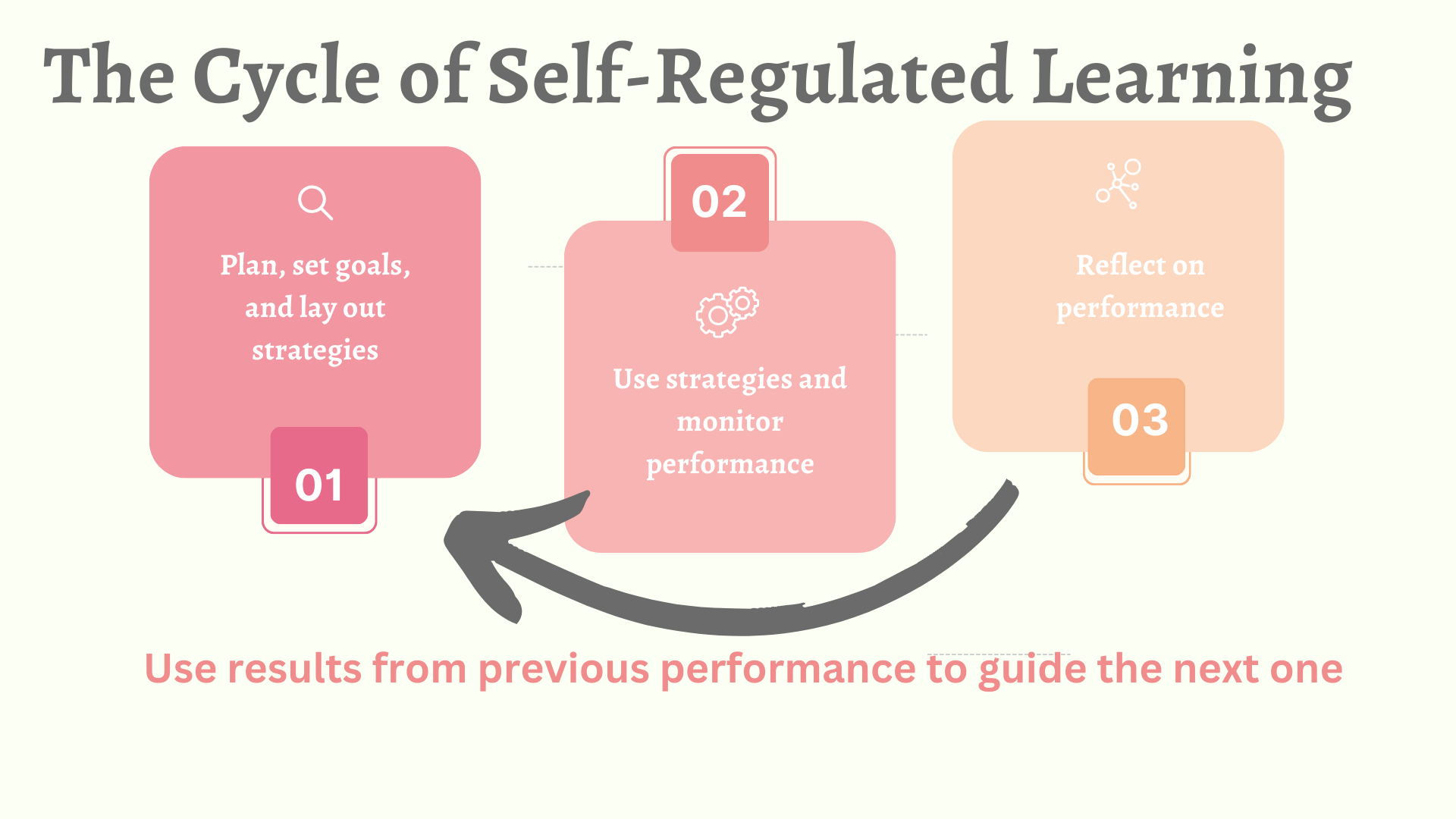
Pilot programs should include clear success metrics, regular evaluation points, and mechanisms for incorporating feedback from teachers and students. This iterative approach reduces risk and builds institutional knowledge.
Professional Development and Teacher Training
Technology alone doesn’t transform education; teachers equipped to leverage that technology do. Comprehensive professional development ensures educators understand not just how to use adaptive systems but why they’re beneficial and how to interpret the data they generate.
Training should address common concerns, provide hands-on practice, and create ongoing support networks. Teachers need time to experiment, make mistakes, and develop confidence with new tools and pedagogical approaches.
Infrastructure and Technical Considerations
Adaptive learning platforms require reliable internet connectivity, adequate devices, and robust technical support. Infrastructure planning must account for bandwidth requirements, device management, data security, and accessibility standards.
Institutions should conduct thorough technical assessments before implementation, identifying gaps and developing plans to address them. Partnerships with technology providers should include clear service level agreements and responsive support systems.
Addressing Common Challenges and Concerns
Despite the substantial benefits, adaptive curriculum innovation faces legitimate challenges that must be acknowledged and addressed for successful implementation.
Data Privacy and Security Considerations 🔒
Adaptive systems collect extensive student data, raising valid privacy concerns. Institutions must implement robust data governance policies that comply with regulations like FERPA and GDPR. Transparency with students and families about data collection, usage, and protection is essential for maintaining trust.
Selecting vendors with strong security practices, conducting regular audits, and limiting data access to authorized personnel helps mitigate risks. Privacy considerations should be central to system selection and implementation planning.
Equity and Access Issues
Technology-dependent solutions risk exacerbating existing inequalities if some students lack reliable internet access or personal devices. Addressing this digital divide requires intentional efforts: device lending programs, community wifi initiatives, and offline capabilities within adaptive platforms.
Content equity is equally important. Adaptive systems must offer culturally responsive materials that represent diverse perspectives and avoid algorithmic bias that might disadvantage certain student groups.
Balancing Technology with Human Connection
While adaptive systems excel at content delivery and assessment, education remains fundamentally a human endeavor. Students need relationships with caring adults, opportunities for collaborative learning, and experiences that develop social-emotional skills.
Successful implementations integrate adaptive technology within a broader educational philosophy that values human connection. Technology handles what it does best while teachers focus on what only humans can provide.
The Future Landscape of Adaptive Education 🌟
As artificial intelligence, machine learning, and educational research continue advancing, adaptive curriculum systems will become increasingly sophisticated. Future systems may incorporate biometric data like attention patterns, emotional states, and even brain activity to further personalize learning experiences.
Virtual and augmented reality technologies promise to create immersive learning environments that adapt not just content but entire experiential contexts. Imagine history lessons that transport students to different eras or science experiments conducted in safe virtual laboratories that adjust complexity based on learner readiness.
Predictive Analytics and Early Intervention
Emerging systems use predictive analytics to identify students at risk of falling behind before struggles become evident. By recognizing early warning patterns, educators can intervene proactively rather than reactively, preventing small gaps from becoming insurmountable obstacles.
These predictive capabilities extend beyond academics to encompass social-emotional factors, attendance patterns, and engagement metrics, providing holistic views of student wellbeing.
Lifelong Learning and Career Pathways
Adaptive curriculum innovation extends beyond K-12 and higher education into professional development and lifelong learning. As career landscapes evolve rapidly, workers need continuous upskilling, and adaptive platforms make this learning efficient and accessible.
These systems can map individual career goals, identify skill gaps, and create personalized learning pathways that help professionals remain competitive in changing job markets. The same principles that benefit students in schools create value for learners throughout their lives.
Building a Culture of Continuous Improvement
Implementing adaptive curriculum innovation represents not a one-time project but an ongoing commitment to improvement. Institutions must cultivate cultures that embrace change, value data-informed decision making, and prioritize student-centered learning.
This cultural shift requires leadership support, stakeholder engagement, and patience as systems mature and educators develop expertise. Celebrating small wins, learning from setbacks, and maintaining focus on ultimate goals helps sustain momentum through inevitable challenges.
Measuring What Matters
Success metrics should extend beyond standardized test scores to encompass student engagement, growth mindset development, self-directed learning skills, and long-term outcomes. Adaptive systems generate rich data that can inform these broader success measures.
Regular program evaluation using multiple data sources ensures that adaptive curriculum innovation delivers on its promise of improved learning outcomes while identifying areas needing adjustment.
Creating Sustainable Educational Transformation
The power of adaptive curriculum innovation lies not in technology itself but in how that technology enables more responsive, personalized, and effective education. When implemented thoughtfully with attention to equity, privacy, and pedagogical principles, these systems transform learning experiences in profound ways.
Students become more engaged and successful, teachers gain powerful tools and insights, and institutions achieve better outcomes. The journey toward fully adaptive education continues evolving, but the direction is clear: personalized learning powered by intelligent curriculum innovation represents the future of education.
As we move forward, success will depend on maintaining focus on what matters most—helping every student reach their full potential. Technology serves this goal but doesn’t replace the human relationships, creativity, and critical thinking that make education meaningful. By combining the best of human teaching with the power of adaptive systems, we create educational experiences that truly revolutionize learning success for all students.