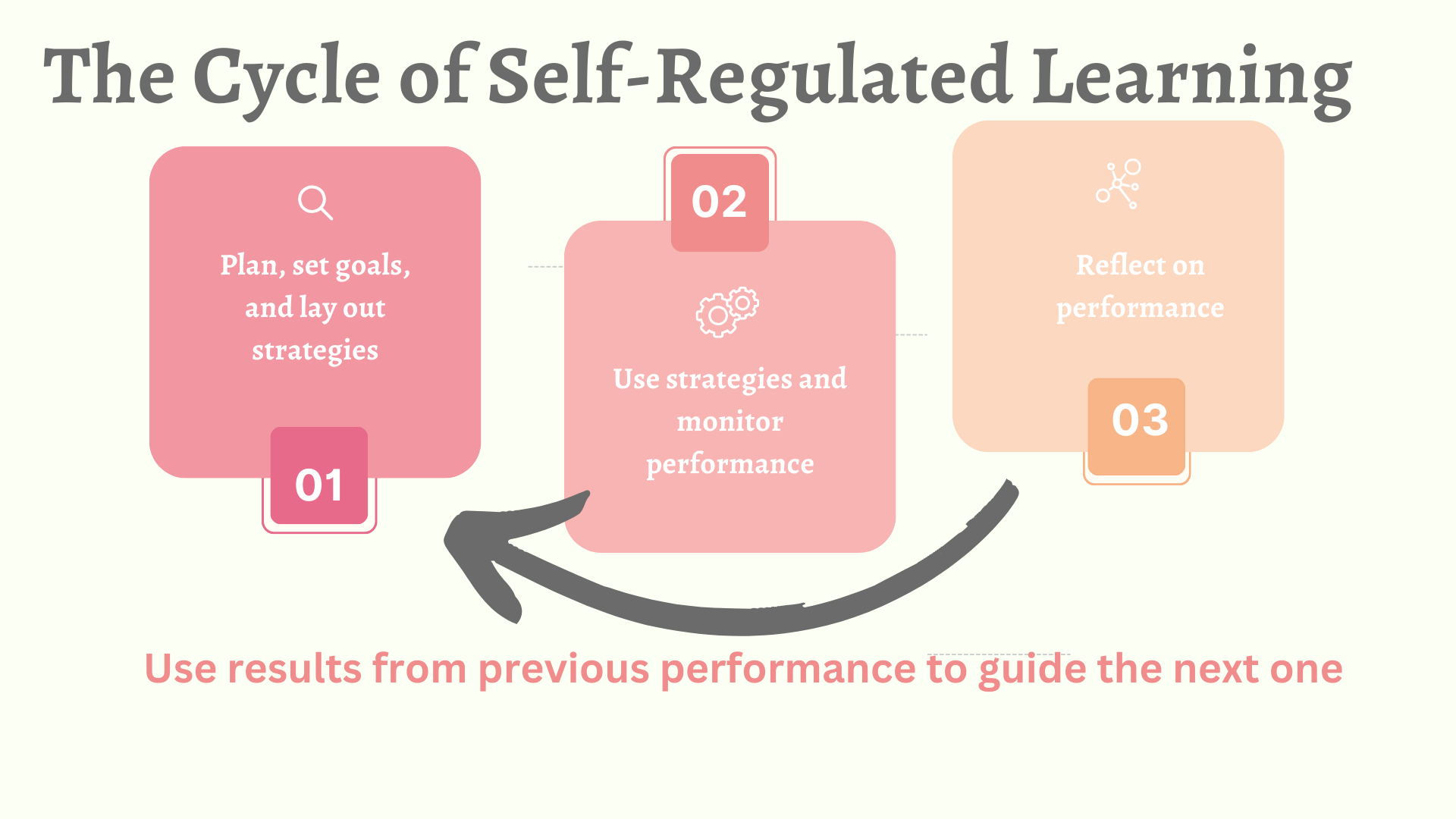
Success in any field isn’t a destination—it’s a continuous journey of learning, adapting, and refining your skills through dedicated vocational training and professional development.

🎯 The Evolution of Career Mastery in Modern Times
The workplace landscape has transformed dramatically over the past two decades. What once sufficed as a solid educational foundation and a single career path now requires constant adaptation and skill enhancement. The concept of “Master Your Craft” has evolved from a simple apprenticeship model to a sophisticated, lifelong commitment to vocational training that spans entire careers.
Today’s professionals face unprecedented challenges: technological disruption, global competition, and rapidly changing industry standards. Those who embrace continuous vocational training don’t just survive these changes—they thrive. They position themselves as invaluable assets to their organizations and maintain relevance in an increasingly competitive job market.
The statistics paint a compelling picture. According to workforce development studies, professionals who engage in regular skills training earn an average of 25% more than their peers who don’t. Moreover, they experience significantly higher job satisfaction and career mobility. This isn’t coincidental—it’s the direct result of investing in yourself through structured learning opportunities.
Why Traditional Education Isn’t Enough Anymore
The diploma or degree you earned years ago was undoubtedly valuable. It opened doors, established credibility, and provided foundational knowledge. However, in today’s fast-paced professional environment, that initial education represents just the beginning of your learning journey, not the end.
Consider the technology sector, where programming languages, frameworks, and best practices evolve every few months. A software developer who relies solely on university training from five years ago would be woefully unprepared for current industry demands. The same principle applies across virtually every profession—from healthcare to manufacturing, from marketing to finance.
Vocational training fills this critical gap. Unlike traditional academic programs that often emphasize theory over practice, vocational training focuses on practical, job-ready skills that you can immediately apply in your work environment. This hands-on approach accelerates competency development and delivers measurable results.
The Skills Gap Crisis
Employers worldwide report struggling to find candidates with the right skills for available positions. This paradox—high unemployment alongside unfilled job vacancies—stems from a fundamental mismatch between workforce capabilities and market needs. Vocational training serves as the bridge across this chasm.
When you commit to ongoing vocational education, you’re not just improving your own prospects. You’re contributing to solving a systemic economic challenge. Organizations desperately need workers who possess current, relevant skills. By developing these capabilities, you become the solution employers are actively seeking.
🔧 Building Your Personal Training Roadmap
Success through vocational training requires more than casual participation in occasional workshops. It demands strategic planning and intentional action. Your personal training roadmap should align with both your career aspirations and market realities.
Start by conducting an honest skills assessment. What are your current strengths? Where do gaps exist? Which emerging technologies or methodologies are reshaping your industry? This analysis provides the foundation for targeted learning investments that yield maximum returns.
Identifying High-Value Skills
Not all skills carry equal weight in the marketplace. Some capabilities command premium compensation and open multiple career pathways, while others offer limited returns. Focus your training efforts on high-value skills that intersect with your interests and market demand.
- Technical proficiency: Industry-specific tools, software, and methodologies that employers actively seek
- Digital literacy: Understanding of emerging technologies like artificial intelligence, data analytics, and automation
- Soft skills: Communication, leadership, problem-solving, and emotional intelligence that differentiate top performers
- Cross-functional knowledge: Understanding adjacent disciplines that enhance collaboration and innovation
- Compliance and certification: Required credentials that maintain professional standing and legal authorization to practice
Diverse Pathways to Professional Development
The beauty of modern vocational training lies in its accessibility and variety. You’re no longer limited to expensive university programs or rigid training schedules. Multiple pathways exist to acquire new skills and deepen existing expertise.
Apprenticeships and On-the-Job Training
Traditional apprenticeship models remain remarkably effective for skill development. Learning directly from experienced practitioners while earning income offers unmatched value. Many industries—from construction to culinary arts, from healthcare to information technology—offer structured apprenticeship programs that combine classroom instruction with practical experience.
On-the-job training programs allow you to develop capabilities while contributing to organizational goals. These arrangements benefit both parties: you gain valuable skills without sacrificing income, while employers cultivate talent specifically suited to their operational needs.
Certification Programs and Professional Credentials
Industry-recognized certifications validate your expertise and signal competence to employers and clients. Whether you’re pursuing project management certification, technical accreditation, or specialized licenses, these credentials enhance credibility and often directly correlate with increased earning potential.
Research which certifications carry the most weight in your field. Some credentials are universally recognized and highly valued, while others may have limited relevance outside specific contexts. Invest strategically in certifications that open doors and advance your career objectives.
Online Learning Platforms and Digital Resources
The digital revolution has democratized access to world-class training. Platforms offering vocational courses enable you to learn from industry experts regardless of your geographic location or schedule constraints. From video tutorials to interactive simulations, these resources make skill development more accessible than ever.
The flexibility of online learning allows you to progress at your own pace, revisiting challenging concepts and accelerating through familiar material. This personalized approach often produces better outcomes than traditional classroom settings with fixed schedules and one-size-fits-all pacing.
💡 Overcoming Common Training Obstacles
Despite the clear benefits of vocational training, many professionals struggle to maintain consistent learning habits. Understanding and addressing common obstacles increases your likelihood of sustained success.
Time Management and Competing Priorities
The most frequently cited barrier to ongoing training is lack of time. Between work responsibilities, family commitments, and personal needs, finding hours for skill development feels impossible. However, this challenge isn’t insurmountable—it requires creative solutions and prioritization.
Consider micro-learning approaches that break skill development into small, manageable segments. Even 15-20 minutes daily, when applied consistently, produces significant progress over months and years. Integrate learning into existing routines: listen to industry podcasts during commutes, watch instructional videos during lunch breaks, or practice new skills on weekends.
Financial Constraints and Investment Concerns
Quality training often requires financial investment, creating barriers for those with limited resources. However, numerous options exist for cost-effective skill development. Many employers offer tuition reimbursement or professional development budgets—benefits that frequently go unused simply because employees don’t request them.
Free and low-cost resources abound online. Public libraries provide access to learning platforms and databases. Professional associations offer member discounts on training programs. Government workforce development initiatives subsidize vocational education for qualifying individuals. With research and creativity, financial constraints need not prevent your progress.
🚀 Maximizing Training Effectiveness
Enrolling in training programs represents only the first step. Extracting maximum value requires intentional strategies that enhance retention and application of new knowledge.
Active Learning Techniques
Passive consumption of information—watching videos or reading materials without engagement—produces minimal lasting impact. Active learning techniques dramatically improve outcomes. Take detailed notes, create summary documents, teach concepts to others, and immediately apply new skills in practical contexts.
Deliberate practice separates experts from novices. Rather than simply repeating tasks, deliberate practice involves focused effort on specific aspects requiring improvement, seeking feedback, and systematically addressing weaknesses. This intentional approach accelerates skill mastery far more effectively than casual repetition.
Building a Learning Community
Learning alongside peers provides accountability, motivation, and diverse perspectives. Join professional associations, participate in online forums, attend industry conferences, and connect with fellow learners pursuing similar goals. These communities offer support during challenging periods and celebrate achievements as you progress.
Mentorship relationships amplify learning effectiveness. Experienced practitioners provide guidance, share insights from their journeys, and help you navigate complex career decisions. Seek mentors who have achieved what you aspire to accomplish, and don’t hesitate to reach out—most successful professionals are surprisingly generous with their knowledge and time.
Measuring Progress and Demonstrating Value
Investing time and resources in vocational training should produce tangible results. Establish metrics to track your progress and document achievements that demonstrate value to current or prospective employers.
Create a portfolio showcasing projects that apply newly acquired skills. Before-and-after comparisons illustrate growth and capability development. Quantify improvements whenever possible: efficiency gains, quality enhancements, cost savings, or revenue increases resulting from your enhanced capabilities.
Updating Your Professional Brand
As you develop new competencies, ensure your professional brand reflects these capabilities. Update your resume, LinkedIn profile, and professional bios to highlight recent training, certifications, and skill acquisitions. Share insights from your learning journey through articles, presentations, or social media posts that position you as a knowledgeable practitioner.
Don’t wait for annual reviews to discuss your professional development with supervisors. Regularly communicate how your training initiatives benefit the organization. Propose projects that leverage your new skills, demonstrating immediate practical value from your learning investments.
🌟 The Compound Effect of Continuous Learning
Perhaps the most powerful aspect of lifelong vocational training is its compound effect. Small, consistent learning efforts accumulate over time, producing exponential rather than linear growth. A professional who dedicates just one hour daily to skill development invests 365 hours annually—equivalent to more than nine full work weeks of focused learning.
Over a decade, this commitment yields thousands of hours of deliberate practice and knowledge acquisition. The career trajectory difference between professionals who embrace continuous learning and those who don’t becomes increasingly dramatic as years pass. Early investments pay dividends throughout your entire career.
Adapting to Future Workplace Transformations
Predictions about future work environments consistently emphasize adaptability as the most critical career competency. Artificial intelligence, automation, and emerging technologies will continue reshaping job requirements and creating entirely new roles while making others obsolete.
Professionals committed to continuous vocational training position themselves to capitalize on these changes rather than being victimized by them. You’ll recognize emerging opportunities earlier, pivot more effectively when industries shift, and maintain relevance regardless of how workplace landscapes evolve.
Taking Ownership of Your Professional Destiny
Ultimately, career success rests in your hands. Employers may provide training opportunities, but you must seize them. Educational institutions offer programs, but you must commit to completing them. Mentors can guide, but you must take action on their advice.
Mastering your craft through lifelong vocational training isn’t optional in today’s professional environment—it’s essential. The question isn’t whether you can afford to invest in ongoing skill development; it’s whether you can afford not to. Every day you delay represents lost opportunities, foregone earnings, and diminished career prospects.
Begin today. Identify one high-value skill relevant to your field. Research training options. Block time on your calendar for learning activities. Take the first step on your journey toward true professional mastery. Your future self will thank you for the investments you make now.

Your Competitive Advantage Starts Now
In crowded job markets where dozens or hundreds of candidates compete for desirable positions, vocational training provides your competitive edge. It distinguishes you from equally credentialed peers who’ve allowed their skills to stagnate. It demonstrates initiative, commitment to excellence, and recognition of market realities that employers value immensely.
The professionals who thrive in coming decades won’t be those with the most prestigious degrees or longest tenures. They’ll be those who never stopped learning, who adapted continuously, who invested in themselves when others grew complacent. They’ll be those who understood that mastering their craft isn’t a milestone reached but a commitment maintained throughout their entire careers.
Success through lifelong vocational training isn’t mysterious or reserved for the exceptionally talented. It’s accessible to anyone willing to make consistent effort toward continuous improvement. The tools, resources, and opportunities exist. The only remaining variable is your decision to pursue them with determination and persistence. That choice, and the actions that follow, will define your professional trajectory and ultimately determine the success you achieve in your chosen field.