Modern professionals are discovering that traditional learning methods no longer capture attention or drive lasting results. Gamified certification programs transform skill development into an engaging, achievement-driven experience that delivers measurable success.

🎮 The Revolutionary Intersection of Gaming and Professional Development
The landscape of professional certification has undergone a dramatic transformation in recent years. Gone are the days when earning credentials meant sitting through monotonous lectures and cramming information before standardized tests. Today’s learners demand more engaging, interactive, and rewarding experiences that mirror the compelling nature of their favorite games.
Gamification in certification programs represents far more than adding points and badges to existing content. It fundamentally restructures how we approach skill acquisition, retention, and validation. By incorporating game mechanics into learning pathways, organizations and individuals are seeing completion rates soar by up to 90% compared to traditional methods.
The psychology behind this approach is sound. Our brains are naturally wired to respond to challenges, rewards, and progress tracking. When certification programs leverage these innate motivational drivers, learners become active participants rather than passive recipients of information.
💡 Understanding the Core Elements of Gamified Learning
Successful gamified certification journeys incorporate several key components that work together to create an immersive learning experience. These elements transform abstract concepts into tangible achievements that learners can see, measure, and celebrate.
Progress Visualization and Leveling Systems
One of the most powerful aspects of gamified learning is the ability to visualize your advancement. Traditional certification programs often feel like black boxes where you enter information and hope for a passing grade at the end. Gamified systems break this journey into clear levels, stages, or milestones.
Each level represents mastery of specific competencies. As learners progress from novice to expert, they can see exactly where they stand and what remains ahead. This transparency reduces anxiety and builds confidence, as every small victory contributes to the larger goal of certification.
Achievement Systems and Digital Credentials
Badges and achievements serve multiple purposes in gamified certification programs. Beyond their motivational value, they represent micro-credentials that validate specific skills or knowledge areas. These digital markers create a portfolio of accomplishments that learners can share professionally.
Modern achievement systems connect to professional networks, allowing certified individuals to showcase their expertise across platforms. This visibility translates into career opportunities, as employers increasingly recognize and value these granular skill validations.
Point Systems and Competitive Elements
Points create immediate feedback loops that traditional assessments cannot match. Every correct answer, completed module, or mastered skill generates points that contribute to overall progress. This constant reinforcement keeps motivation high and engagement sustained over extended learning periods.
Leaderboards introduce healthy competition that drives many learners to push beyond minimum requirements. Whether competing against peers, past performance, or global benchmarks, this comparative element activates competitive instincts that fuel exceptional achievement.
🚀 Strategic Benefits of Choosing Gamified Certification Paths
Organizations and individuals investing in gamified certification programs report measurable advantages that extend far beyond simple course completion. These benefits impact retention, application, and long-term career trajectory in meaningful ways.
Enhanced Knowledge Retention Through Active Learning
Passive learning methods result in retention rates as low as 5-10% within weeks of completing a course. Gamified approaches flip this dynamic by requiring active participation, problem-solving, and decision-making throughout the certification journey.
When learners must apply knowledge to overcome challenges, solve puzzles, or complete scenario-based missions, that information embeds itself in long-term memory. Studies show retention rates improving to 70-80% when gamification principles are properly implemented.
Accelerated Skill Application in Real-World Contexts
The gap between knowing and doing represents one of the greatest challenges in professional development. Gamified certification programs bridge this divide by simulating realistic scenarios where learners must apply their knowledge under various conditions.
These simulated environments provide safe spaces to experiment, fail, learn, and retry without real-world consequences. By the time learners earn their certification, they’ve already practiced applying their skills hundreds or thousands of times in diverse contexts.
Sustained Motivation Through Long-Term Programs
Traditional certification programs suffer from high dropout rates, particularly in self-paced formats. The initial enthusiasm that drives enrollment often fades when faced with dense material and distant completion dates.
Gamification combats this motivation decay through regular rewards, varied challenges, and visible progress. Each session ends with achievements that make learners eager to return, creating habit loops that sustain engagement throughout the entire certification journey.
🎯 Selecting the Right Gamified Certification Program
Not all gamified learning experiences deliver equal value. Understanding what separates exceptional programs from superficial implementations helps learners invest their time and resources wisely.
Evaluating Content Quality Beyond the Game Mechanics
Compelling game elements cannot compensate for poor content quality. The most effective gamified certifications balance engaging mechanics with rigorous, industry-relevant curriculum. Before enrolling, investigate the credentials of content creators, the recency of material, and recognition by industry leaders.
Look for programs developed in partnership with established professional organizations, accredited institutions, or recognized subject matter experts. These collaborations ensure that the certification carries weight in professional contexts beyond the learning platform itself.
Assessing Platform Technology and User Experience
The technical infrastructure supporting gamified learning significantly impacts the overall experience. Platforms should offer responsive design across devices, intuitive navigation, and reliable progress tracking. Technical glitches or clunky interfaces undermine the engagement that gamification seeks to create.
Consider whether the platform offers mobile apps for learning on the go. The best gamified certification programs allow learners to make progress during commutes, breaks, or whenever inspiration strikes, maximizing flexibility and accessibility.
Understanding Recognition and Career Impact
A certification’s value ultimately depends on how employers, clients, and industry peers perceive it. Research whether the credential appears in job postings, professional requirements, or industry standards. Connect with individuals who have completed the program to understand how it influenced their career trajectory.
Many platforms now offer digital badge integration with LinkedIn and other professional networks, making it easier to showcase credentials. This visibility factor can significantly multiply the return on investment for certification programs.
📱 Leveraging Mobile Technology for Continuous Learning
The convergence of gamification and mobile technology has revolutionized when, where, and how certification learning occurs. Smartphone apps transform previously wasted time into productive learning opportunities that accumulate toward certification goals.
Mobile learning platforms incorporate push notifications that remind learners of daily challenges, streak maintenance, or time-limited opportunities. These gentle nudges leverage behavioral psychology to build consistent study habits without feeling overwhelming or intrusive.
Microlearning modules optimized for mobile consumption allow learners to complete meaningful progress in sessions as short as five to ten minutes. This granularity removes barriers related to time scarcity, making certification accessible even to the busiest professionals.
🏆 Maximizing Success in Your Gamified Certification Journey
While gamification enhances engagement and retention, strategic approaches can further optimize outcomes and accelerate certification completion.
Setting Personal Milestones Beyond Platform Metrics
Platform-provided goals and achievements create external motivation, but personal milestones generate intrinsic drive that proves more sustainable long-term. Define what certification success means for your specific circumstances, whether that involves career advancement, salary increases, or capability to tackle new projects.
Break the overall certification into personal milestones aligned with your learning style and schedule. Celebrate these checkpoints with rewards you design, creating additional motivation layers beyond the platform’s gamification elements.
Building Community Connections for Accountability
Many gamified certification platforms incorporate social features that connect learners with peers pursuing similar goals. These communities provide accountability, encouragement, and knowledge sharing that enriches the solo learning experience.
Actively participate in discussion forums, study groups, or competitive challenges. Teaching concepts to others reinforces your own understanding while building professional networks that extend beyond certification completion.
Balancing Speed and Mastery
Gamification’s achievement orientation can sometimes incentivize rushing through content to accumulate points or climb leaderboards. Resist this temptation by prioritizing genuine mastery over superficial completion metrics.
Use the game elements to maintain motivation and track progress, but ensure you’re actually internalizing concepts rather than simply clicking through modules. Return to challenging sections, attempt bonus materials, and seek deeper understanding beyond minimum requirements.
🌟 Emerging Trends Shaping the Future of Certification
The gamified certification landscape continues evolving as technology advances and our understanding of learning psychology deepens. Several emerging trends promise to make these experiences even more effective and engaging.
Artificial Intelligence and Personalized Learning Paths
AI-powered platforms now analyze individual learning patterns to customize certification journeys. These systems identify strengths and weaknesses, adjusting difficulty, pacing, and content emphasis to optimize each learner’s path toward certification.
This personalization ensures learners spend more time on challenging concepts while accelerating through material they grasp quickly. The result is more efficient learning that respects individual differences rather than imposing one-size-fits-all approaches.
Virtual and Augmented Reality Integration
Advanced certification programs increasingly incorporate VR and AR technologies that create immersive learning environments. These technologies prove particularly valuable for technical certifications requiring spatial reasoning, equipment operation, or complex procedure mastery.
As these technologies become more accessible and affordable, expect gamified certifications to leverage them for creating memorable, experiential learning that surpasses traditional methods in both engagement and retention.
Blockchain-Verified Credentials
Blockchain technology addresses longstanding concerns about credential verification and fraud. Certifications recorded on distributed ledgers create permanent, tamper-proof records that employers can instantly verify without contacting issuing organizations.
This technology also enables more granular credential sharing, allowing professionals to selectively disclose specific skills or competencies rather than entire certification records. This flexibility proves valuable when privacy concerns or competitive considerations exist.
💼 Translating Certification into Career Advancement
Earning a gamified certification represents just the beginning of leveraging that investment for career growth. Strategic presentation and application of new credentials maximizes professional returns.
Update your professional profiles immediately upon certification completion, ensuring visibility to recruiters and decision-makers. Include specific skills validated by the certification rather than just listing the credential name, making it easier for opportunities to find you.
Seek opportunities to apply newly certified skills in current roles before seeking new positions. This practical application creates concrete achievements you can discuss in interviews, demonstrating not just certification but proven ability to deliver results.
Consider how certification positions you for emerging opportunities in your field. Many professionals find that credentials earned through gamified programs open doors to specializations, leadership roles, or consultancy opportunities previously inaccessible.
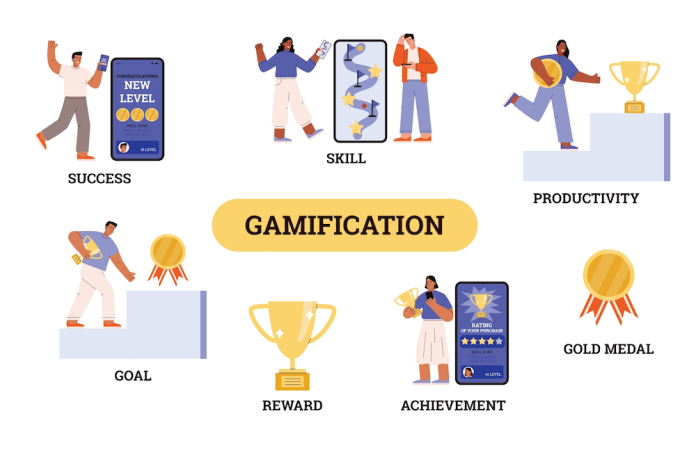
🎓 Transforming Learning into Lasting Career Success
The gamified certification revolution represents more than a temporary trend in professional development. It reflects a fundamental shift in how we approach skill acquisition, validation, and career advancement in an increasingly competitive and rapidly changing professional landscape.
By transforming certification from a chore into an engaging journey, gamification removes barriers that previously prevented many professionals from pursuing necessary credentials. The result is a more skilled, adaptable workforce equipped to tackle emerging challenges and opportunities.
Whether you’re launching a career, pivoting to new fields, or advancing in current specializations, gamified certification programs offer pathways to success that align with how modern professionals actually learn. The combination of proven educational principles, engaging game mechanics, and credential recognition creates unprecedented opportunities for those willing to embark on these transformative journeys.
Your next career milestone awaits on the other side of a certification journey that doesn’t feel like work. With gamified learning platforms making skill development more accessible and enjoyable than ever, there’s never been a better time to level up your professional capabilities and unlock new possibilities for success.