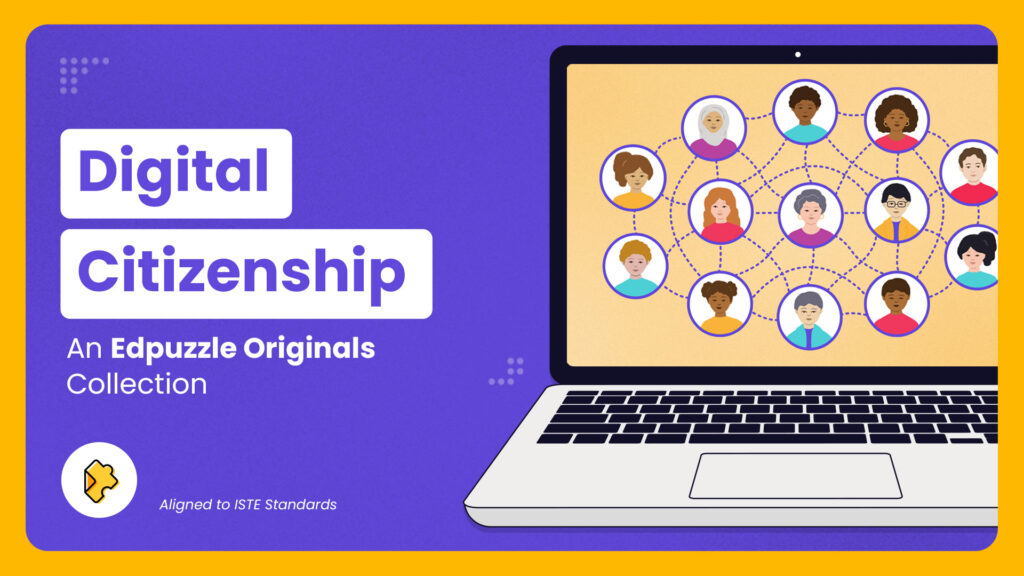
Digital citizenship has become essential in today’s interconnected world, where our online actions shape our reputation, safety, and success across all aspects of life.

🌐 Understanding Digital Citizenship in the Modern Age
The concept of digital citizenship extends far beyond simply knowing how to use technology. It encompasses the responsible, ethical, and safe use of digital tools and platforms while navigating the vast landscape of the internet. As our lives become increasingly intertwined with digital experiences, understanding how to conduct ourselves online has never been more critical.
Digital citizenship programs are structured educational initiatives designed to equip individuals with the knowledge, skills, and attitudes necessary to thrive in digital environments. These programs address everything from online safety and privacy to digital literacy, critical thinking, and responsible communication. Whether you’re a parent, educator, student, or professional, developing strong digital citizenship skills is fundamental to creating a positive online presence.
The statistics paint a clear picture: billions of people worldwide spend significant portions of their day online, interacting through social media, conducting business, learning, and entertaining themselves. This massive digital engagement creates both opportunities and challenges that require informed navigation.
The Core Pillars of Effective Digital Citizenship
Successful digital citizenship programs are built on several foundational principles that work together to create comprehensive online competency. Understanding these pillars helps you recognize what makes a program truly effective.
Digital Literacy and Information Evaluation 📚
At the heart of digital citizenship lies the ability to find, evaluate, and use digital information effectively. This includes understanding how search engines work, recognizing credible sources, identifying misinformation and fake news, and developing critical thinking skills that help you navigate the overwhelming amount of content available online.
Quality digital citizenship programs teach participants how to verify information through multiple sources, recognize bias in digital content, and understand the algorithms that curate their online experiences. These skills are invaluable in an era where misinformation can spread faster than truth.
Online Safety and Privacy Protection 🔒
Personal security in digital spaces requires constant vigilance and informed decision-making. Digital citizenship programs emphasize the importance of protecting personal information, understanding privacy settings across various platforms, recognizing cybersecurity threats, and implementing strong authentication practices.
Participants learn about password management, two-factor authentication, phishing scams, malware protection, and the long-term implications of sharing personal data online. Understanding data privacy laws and regulations, such as GDPR and CCPA, also forms part of comprehensive safety education.
Digital Footprint Management and Reputation
Every action taken online contributes to your digital footprint—the trail of data you leave behind. Effective programs teach individuals to be mindful of their online presence, understanding that content shared today can have lasting consequences on personal relationships, educational opportunities, and career prospects.
Managing your digital reputation involves regular audits of your online presence, understanding platform policies about content removal, and developing strategies for presenting yourself professionally across various digital channels. This includes social media profiles, professional networking sites, and any publicly accessible content associated with your name.
Essential Components of Comprehensive Digital Citizenship Programs
The most effective digital citizenship initiatives incorporate multiple educational approaches and cover a wide range of topics that reflect the complexity of modern digital life.
Cyberbullying Prevention and Digital Empathy 💙
Online harassment remains one of the most significant challenges in digital spaces, affecting people of all ages. Quality programs address cyberbullying from multiple angles—prevention, recognition, response, and recovery. They teach participants to recognize different forms of online harassment, understand its psychological impact, and develop strategies for intervention and support.
Building digital empathy—the ability to understand and share the feelings of others in online contexts—is crucial. Programs encourage participants to consider the human beings behind screen names and profile pictures, fostering more compassionate and thoughtful online interactions.
Responsible Social Media Use and Digital Communication
Social media platforms dominate much of our online experience, making education about responsible use essential. Digital citizenship programs explore the psychological effects of social media, strategies for healthy usage patterns, understanding platform-specific norms and etiquette, and the importance of authentic self-representation.
Participants learn about the business models behind free social platforms, understanding how their attention and data become products. This knowledge empowers more conscious decisions about platform engagement and content consumption.
Intellectual Property and Digital Ethics
Understanding copyright, fair use, Creative Commons licenses, and proper attribution practices forms a critical component of digital citizenship. Programs teach participants to respect others’ creative work while protecting their own, understanding the legal and ethical implications of content sharing, downloading, and modification.
Digital ethics extends beyond copyright to include issues like plagiarism, proper citation in digital environments, and understanding the ethical implications of emerging technologies like artificial intelligence and data analytics.
Age-Appropriate Digital Citizenship Education 👨👩👧👦
Effective digital citizenship programs recognize that different age groups require tailored approaches that match their developmental stages and digital experiences.
Early Childhood and Elementary Programs
For younger users, programs focus on fundamental concepts like being kind online, recognizing trusted adults for help with digital problems, understanding that not everything online is true, and basic privacy concepts appropriate for their age. These programs often use games, stories, and interactive activities to make concepts accessible and engaging.
Middle School and Teen-Focused Initiatives
As digital engagement deepens during adolescence, programs address more complex issues including navigating peer pressure in digital spaces, understanding the permanence of online actions, developing critical media literacy skills, and balancing online and offline relationships. Teen programs often incorporate peer-led components, recognizing the power of peer influence during these years.
Adult and Professional Digital Citizenship
Adult-focused programs emphasize professional digital presence management, understanding workplace digital policies, protecting against sophisticated scams and identity theft, and modeling positive digital behavior for younger generations. These programs recognize that digital citizenship education is lifelong, adapting to evolving technologies and platforms.
🎯 Implementing Digital Citizenship Programs Successfully
Understanding the theory behind digital citizenship is only half the equation—successful implementation requires strategic planning and sustained commitment.
Creating a Culture of Digital Responsibility
The most effective programs don’t exist in isolation but are embedded within broader cultural commitments to digital responsibility. This means creating environments—whether in schools, workplaces, or communities—where digital citizenship values are consistently reinforced and modeled by leadership.
Successful implementation involves developing clear digital use policies, providing ongoing training and resources, creating safe channels for reporting digital concerns, and celebrating positive examples of digital citizenship. When digital responsibility becomes part of organizational culture, individual behavior changes become sustainable.
Leveraging Technology for Digital Citizenship Education
Ironically, technology itself provides powerful tools for teaching digital citizenship. Interactive platforms, educational apps, and gamified learning experiences can make abstract concepts tangible and engaging. Simulation exercises allow learners to practice digital decision-making in safe environments where mistakes become learning opportunities rather than lasting consequences.
Measuring Program Effectiveness and Impact
Quality digital citizenship programs include mechanisms for assessing their effectiveness through pre and post-program assessments, behavior observation and incident tracking, participant feedback and engagement metrics, and long-term follow-up to measure sustained behavior change.
Regular evaluation allows programs to adapt to emerging digital challenges and ensure resources are being used effectively to achieve desired outcomes.
Addressing Contemporary Digital Citizenship Challenges 🚨
The digital landscape evolves rapidly, and effective citizenship programs must address emerging challenges that weren’t relevant even a few years ago.
Navigating Artificial Intelligence and Automation
As AI becomes increasingly integrated into digital experiences, understanding how these systems work, recognizing AI-generated content, understanding algorithmic bias, and maintaining critical thinking when interacting with automated systems becomes essential. Digital citizenship programs now include education about machine learning, deepfakes, and the ethical implications of AI technology.
Digital Wellness and Screen Time Management
The addictive nature of many digital platforms and the health implications of excessive screen time have made digital wellness a crucial component of citizenship education. Programs address recognizing signs of problematic digital use, strategies for healthy technology boundaries, understanding the psychology behind platform design, and balancing digital engagement with physical and social wellness.
Privacy in the Age of Surveillance Capitalism
Modern digital citizenship requires understanding complex privacy issues related to data collection, targeted advertising, facial recognition technology, and location tracking. Programs help participants understand their rights, make informed choices about data sharing, and use privacy-enhancing technologies effectively.
Building Your Personal Digital Citizenship Plan 📋
Beyond formal programs, individuals can take concrete steps to strengthen their own digital citizenship practices and empower their online presence.
Conducting a Digital Self-Assessment
Start by honestly evaluating your current digital habits and presence. Search for your name online to see what others might find, review your social media profiles with fresh eyes, assess your privacy settings across all platforms, and identify areas where your digital knowledge or skills have gaps.
Setting Digital Goals and Boundaries
Based on your assessment, establish specific, measurable goals for improving your digital citizenship. These might include reducing daily screen time by a certain amount, completing online privacy audits quarterly, learning about a new digital safety topic monthly, or mentoring others in digital literacy skills.
Establish personal boundaries that reflect your values and priorities, such as designated device-free times, platforms you choose not to use, and types of content you won’t share or engage with online.
Creating Accountability Systems
Sustainable behavior change happens more easily with accountability. Consider sharing your digital citizenship goals with trusted friends or family, using apps that help track and limit screen time, scheduling regular reviews of your online presence, and joining communities focused on mindful technology use.
🌟 The Future of Digital Citizenship Education
As we look ahead, digital citizenship education will continue evolving to address technologies and challenges we can barely imagine today. Virtual and augmented reality environments will create new contexts requiring citizenship guidance. The Internet of Things will expand digital citizenship beyond screens to encompass connected devices throughout our physical environments. Emerging technologies like blockchain and Web3 will introduce new concepts of digital ownership and identity.
The fundamental principles of respect, responsibility, safety, and critical thinking will remain relevant even as specific technologies change. Building these foundational competencies creates adaptability that serves individuals regardless of how the digital landscape transforms.
Taking Action: Your Next Steps Toward Digital Empowerment
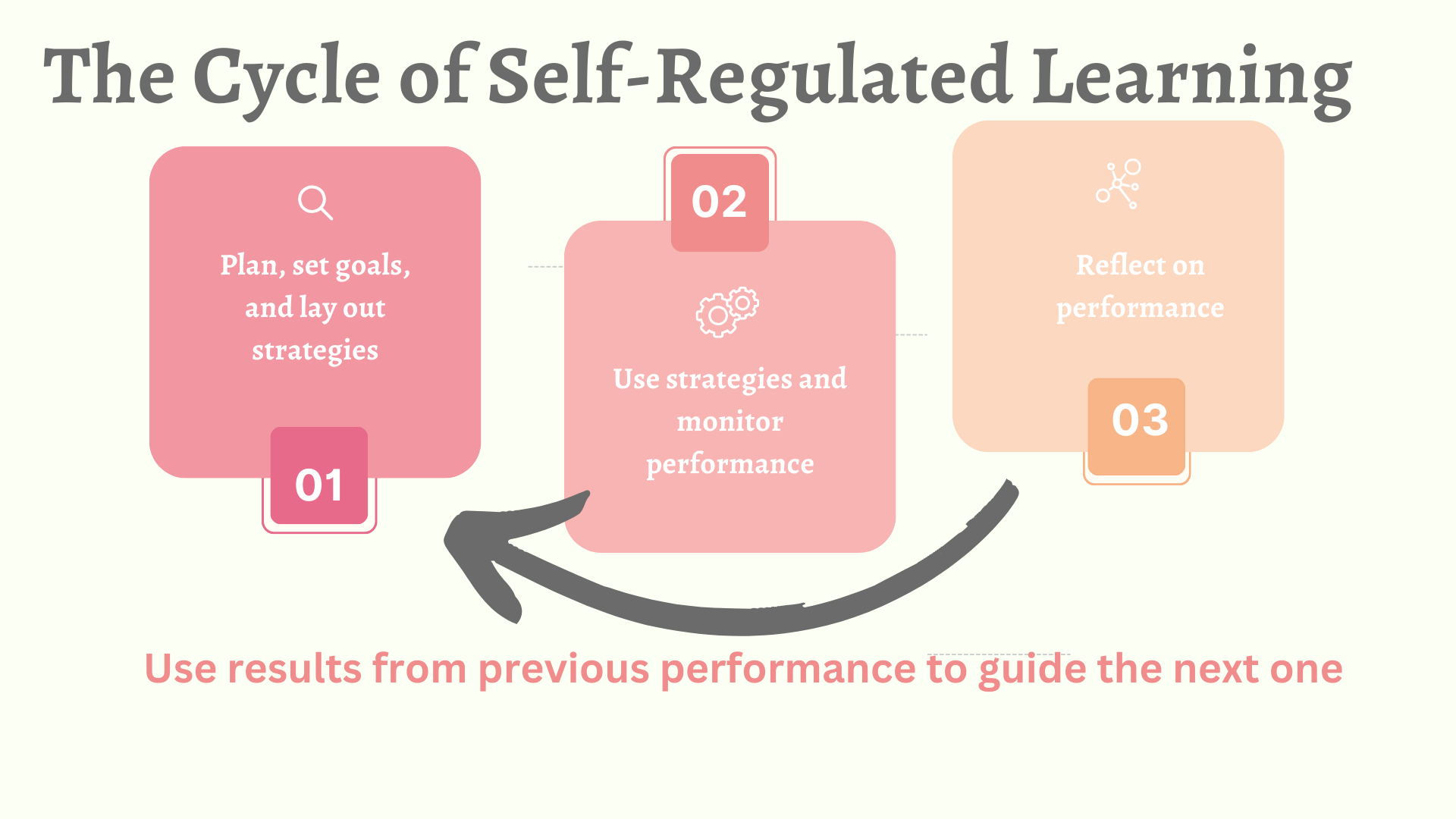
Empowering your online presence through digital citizenship isn’t a destination but an ongoing journey that requires commitment, curiosity, and continuous learning. Start by identifying one specific area where you’d like to improve your digital citizenship, whether that’s privacy protection, information literacy, or digital wellness.
Seek out quality resources—many organizations offer free digital citizenship materials, from Common Sense Media to the Digital Citizenship Institute. Consider enrolling in formal programs through your educational institution or workplace. Share what you learn with others, especially younger family members who benefit enormously from mentorship in digital spaces.
Remember that digital citizenship isn’t about avoiding technology or viewing the internet with fear—it’s about engaging confidently and competently, understanding both the opportunities and risks, and contributing positively to the digital communities you inhabit.
The internet can be an extraordinary force for connection, learning, creativity, and positive change when we approach it with knowledge, intention, and responsibility. By investing in digital citizenship—for yourself, your family, your students, or your organization—you’re not just protecting against risks but unlocking the full potential of our connected world.
Your digital presence is an extension of who you are, reflecting your values, knowledge, and character. With the right education and commitment to continuous improvement, you can ensure that your online presence truly empowers you, opening doors to opportunities while contributing to a safer, smarter, and more positive internet for everyone. The journey toward exemplary digital citizenship begins with a single intentional step—take yours today.