In today’s rapidly evolving digital landscape, technical expertise alone is no longer sufficient for career advancement. Soft skills have emerged as the critical differentiator between professionals who merely survive and those who truly thrive in modern workplaces.

🌐 The Transformation of Modern Workplaces
The digital revolution has fundamentally altered how we work, communicate, and collaborate. Remote teams span continents, artificial intelligence handles routine tasks, and digital platforms facilitate instantaneous global communication. Yet amidst this technological transformation, one truth remains constant: human skills matter more than ever.
Organizations increasingly recognize that while technical competencies can be taught relatively quickly, soft skills require time, practice, and genuine personal development. LinkedIn’s Global Talent Trends report consistently highlights that 92% of talent professionals and hiring managers believe soft skills are equally or more important than hard skills. This shift reflects a profound understanding that technology amplifies human capability but cannot replace the uniquely human elements of work.
The digital workplace demands professionals who can navigate complexity, build relationships across virtual spaces, and adapt to constant change. These competencies extend far beyond what any algorithm or automation tool can provide, positioning soft skills as the foundation for sustainable career success.
💼 Essential Soft Skills for Digital-Age Professionals
Communication Excellence in Virtual Environments
Effective communication has always been valuable, but digital transformation has elevated it to mission-critical status. Virtual communication strips away many non-verbal cues that traditionally facilitated understanding, requiring professionals to develop heightened awareness and intentionality in their messaging.
Written communication skills have become particularly crucial. Emails, instant messages, project management updates, and video conference chats form the backbone of digital workplace interaction. The ability to convey complex ideas clearly and concisely through text prevents misunderstandings that can derail projects and damage relationships.
Video conferencing demands its own communication competencies. Professionals must master the art of engaging virtual audiences, managing technical platforms smoothly, and creating connection through screens. This includes understanding camera angles, lighting, background considerations, and the subtle art of virtual body language.
Emotional Intelligence as a Competitive Advantage
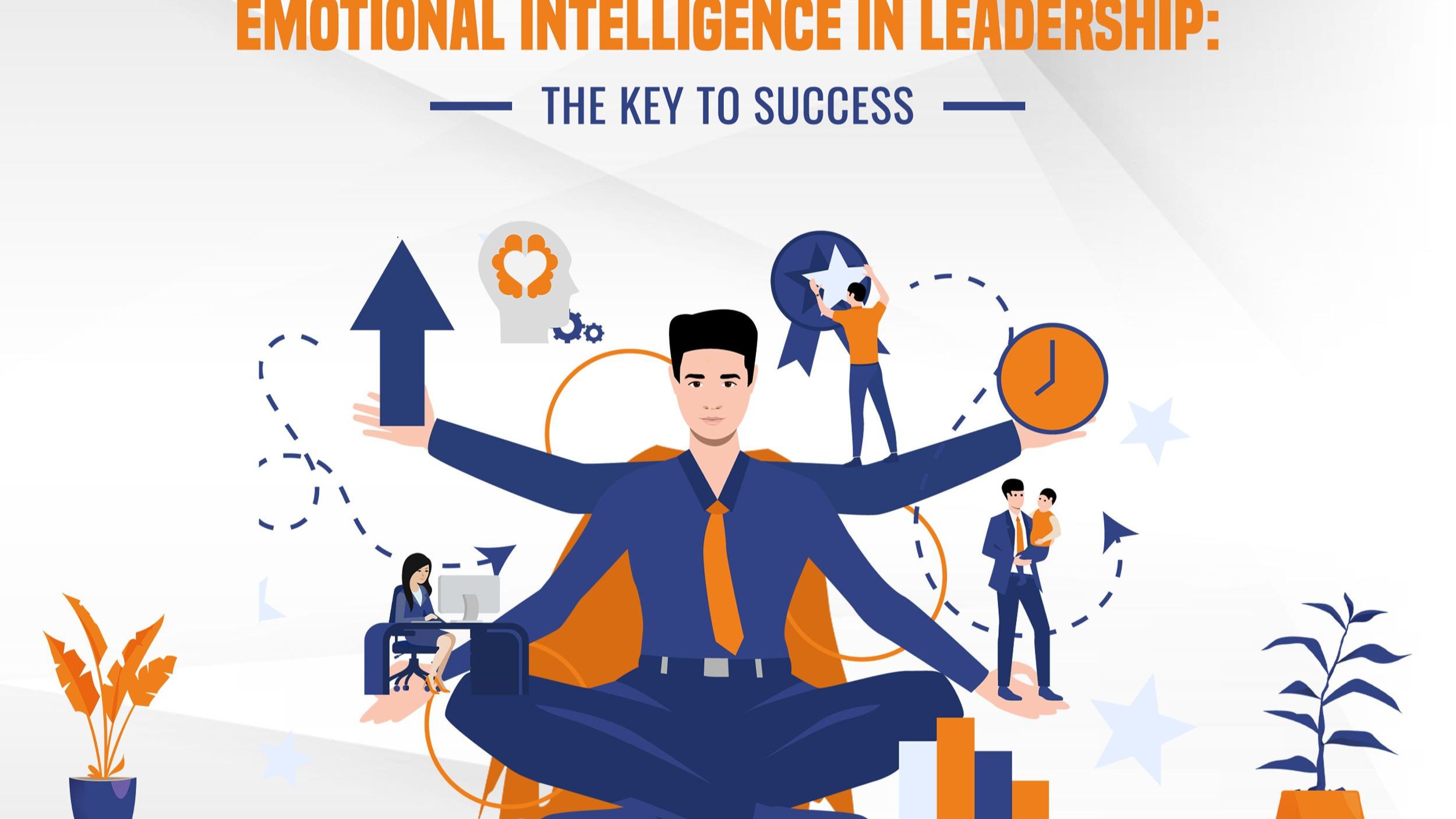
Emotional intelligence—the ability to recognize, understand, and manage emotions in ourselves and others—has become indispensable in digital workplaces. As automation handles analytical tasks, uniquely human capabilities like empathy, relationship building, and conflict resolution distinguish exceptional professionals.
Remote work environments present unique emotional intelligence challenges. Team members can feel isolated, misunderstood, or disconnected from organizational culture. Professionals with strong emotional intelligence bridge these gaps, creating psychological safety and fostering genuine connection despite physical distance.
This skill set includes self-awareness, recognizing how your emotions impact your work and interactions; self-regulation, managing stress and maintaining professionalism under pressure; social awareness, reading virtual room dynamics and understanding diverse perspectives; and relationship management, building trust and navigating conflicts constructively.
Adaptability and Continuous Learning 📚
The half-life of skills continues to shrink as technological advancement accelerates. What feels cutting-edge today becomes outdated tomorrow. This reality makes adaptability and learning agility among the most valuable soft skills professionals can develop.
Adaptable professionals embrace change rather than resist it. They view disruption as opportunity, approaching new tools, processes, and work arrangements with curiosity rather than fear. This mindset transforms challenges into growth experiences and positions individuals as change leaders rather than change victims.
Continuous learning extends beyond formal training programs. It encompasses seeking feedback actively, experimenting with new approaches, learning from failures, and maintaining intellectual curiosity. Digital-age professionals cultivate what psychologist Carol Dweck terms a “growth mindset”—the belief that abilities can be developed through dedication and hard work.
🤝 Collaboration Across Digital Boundaries
Modern projects rarely involve single individuals working in isolation. Instead, cross-functional teams collaborate across departments, time zones, and organizational boundaries. This distributed collaboration model requires sophisticated interpersonal skills that facilitate productive teamwork despite physical separation.
Virtual collaboration demands intentional relationship building. Without casual hallway conversations and spontaneous coffee breaks, professionals must create connection opportunities deliberately. This might include virtual coffee chats, starting meetings with personal check-ins, or using collaboration platforms’ social features to maintain team cohesion.
Cultural intelligence has become essential as global teams become standard. Understanding different communication styles, work preferences, and cultural norms prevents misunderstandings and builds inclusive environments where diverse perspectives enhance outcomes. Professionals who navigate cultural differences skillfully unlock the full potential of international collaboration.
Leveraging Technology for Human Connection
Paradoxically, thriving in digital workplaces requires using technology to enhance rather than replace human connection. Savvy professionals select appropriate communication channels for different situations—recognizing when instant messages suffice, when emails provide necessary documentation, and when video calls facilitate better understanding.
Collaboration platforms like Slack, Microsoft Teams, and Asana have transformed workplace communication, but tools alone don’t guarantee effective collaboration. Soft skills determine whether these platforms enhance productivity or create digital noise. Professionals must develop digital etiquette, understanding response time expectations, communication norms, and how to use various features respectfully and effectively.
🎯 Critical Thinking in an Information-Saturated World
Digital technology provides unprecedented access to information, but this abundance creates new challenges. Professionals must develop sophisticated critical thinking skills to evaluate sources, identify bias, distinguish signal from noise, and make sound decisions amid information overload.
Critical thinking involves questioning assumptions, examining evidence, considering alternative perspectives, and drawing logical conclusions. In digital workplaces where data drives decisions, these analytical skills ensure that insights translate into effective action rather than analysis paralysis.
The proliferation of artificial intelligence and machine learning tools makes critical thinking even more valuable. While algorithms excel at pattern recognition and data processing, humans provide contextual understanding, ethical judgment, and creative problem-solving. Professionals who combine technological capabilities with strong critical thinking deliver superior outcomes.
Problem-Solving and Creative Innovation
Routine problems increasingly fall to automation, leaving humans to tackle complex, ambiguous challenges requiring creative solutions. This shift elevates problem-solving and innovation skills to premium status in modern workplaces.
Effective problem-solving begins with proper problem definition. Digital-age professionals resist jumping to solutions immediately, instead investing time to understand root causes, stakeholder needs, and systemic factors. This disciplined approach prevents addressing symptoms while underlying issues persist.
Creative thinking flourishes in psychologically safe environments where experimentation is encouraged and failure is viewed as learning opportunity. Professionals cultivate innovation by diverse information sources, connecting seemingly unrelated concepts, and challenging conventional wisdom constructively.
⏱️ Time Management and Digital Wellness
Digital connectivity blurs traditional work-life boundaries, creating both flexibility and potential for burnout. Successful professionals develop sophisticated time management and self-care practices that sustain high performance while protecting personal wellbeing.
Effective time management in digital environments requires establishing boundaries around availability, managing notifications strategically, and resisting the temptation to remain constantly connected. This includes designating focus time for deep work, batching similar tasks, and communicating availability expectations clearly to colleagues.
Digital wellness encompasses managing screen time, creating ergonomic workspaces, taking regular breaks, and maintaining physical activity. Remote work arrangements offer flexibility but require self-discipline to avoid sedentary habits and social isolation that undermine health and productivity.
Building Resilience and Managing Stress
The pace of change, information overload, and constant connectivity create significant stress for modern professionals. Resilience—the capacity to recover quickly from difficulties—has become an essential soft skill for sustained career success.
Resilient professionals develop healthy coping mechanisms, maintain perspective during challenges, and build support networks providing emotional sustenance. They recognize stress signals early and take proactive steps to manage pressure before it becomes overwhelming.
Mindfulness practices, regular exercise, adequate sleep, and meaningful social connections all contribute to resilience. These aren’t luxuries but essential investments in sustainable high performance. Organizations increasingly recognize this reality, incorporating wellness programs and mental health resources into their employee support offerings.
🚀 Leadership in the Digital Era
Leadership extends beyond formal management positions. Digital workplaces value professionals who demonstrate leadership qualities regardless of hierarchical level. These include taking initiative, inspiring others, driving positive change, and demonstrating integrity consistently.
Virtual leadership presents unique challenges. Without physical presence, leaders must work harder to build trust, communicate vision effectively, and maintain team engagement. This requires heightened intentionality in communication, recognition of contributions, and creation of virtual spaces for connection and collaboration.
Inclusive leadership has become particularly important as diverse, distributed teams become standard. Effective leaders actively solicit input from all team members, create psychologically safe environments where people feel comfortable contributing, and ensure that quieter voices aren’t drowned out in virtual settings.
Influence Without Authority
Matrix organizations and project-based work mean professionals frequently need to influence colleagues outside their direct reporting lines. This requires developing persuasion skills, building credibility through expertise and reliability, and creating win-win solutions that align diverse stakeholder interests.
Successful influence begins with understanding others’ perspectives, motivations, and constraints. Professionals who take time to understand what matters to colleagues can frame proposals in ways that address multiple priorities, building coalitions and driving initiatives forward.
📈 Developing Your Soft Skills Strategically
Unlike technical skills with clearly defined learning paths, soft skill development requires intentional, ongoing effort. Fortunately, numerous strategies can accelerate growth in these essential competencies.
Self-assessment provides the foundation for development. Honest evaluation of current strengths and growth areas, preferably supplemented by feedback from colleagues, managers, and mentors, identifies priorities for improvement. Many professionals find 360-degree feedback processes particularly valuable for revealing blind spots.
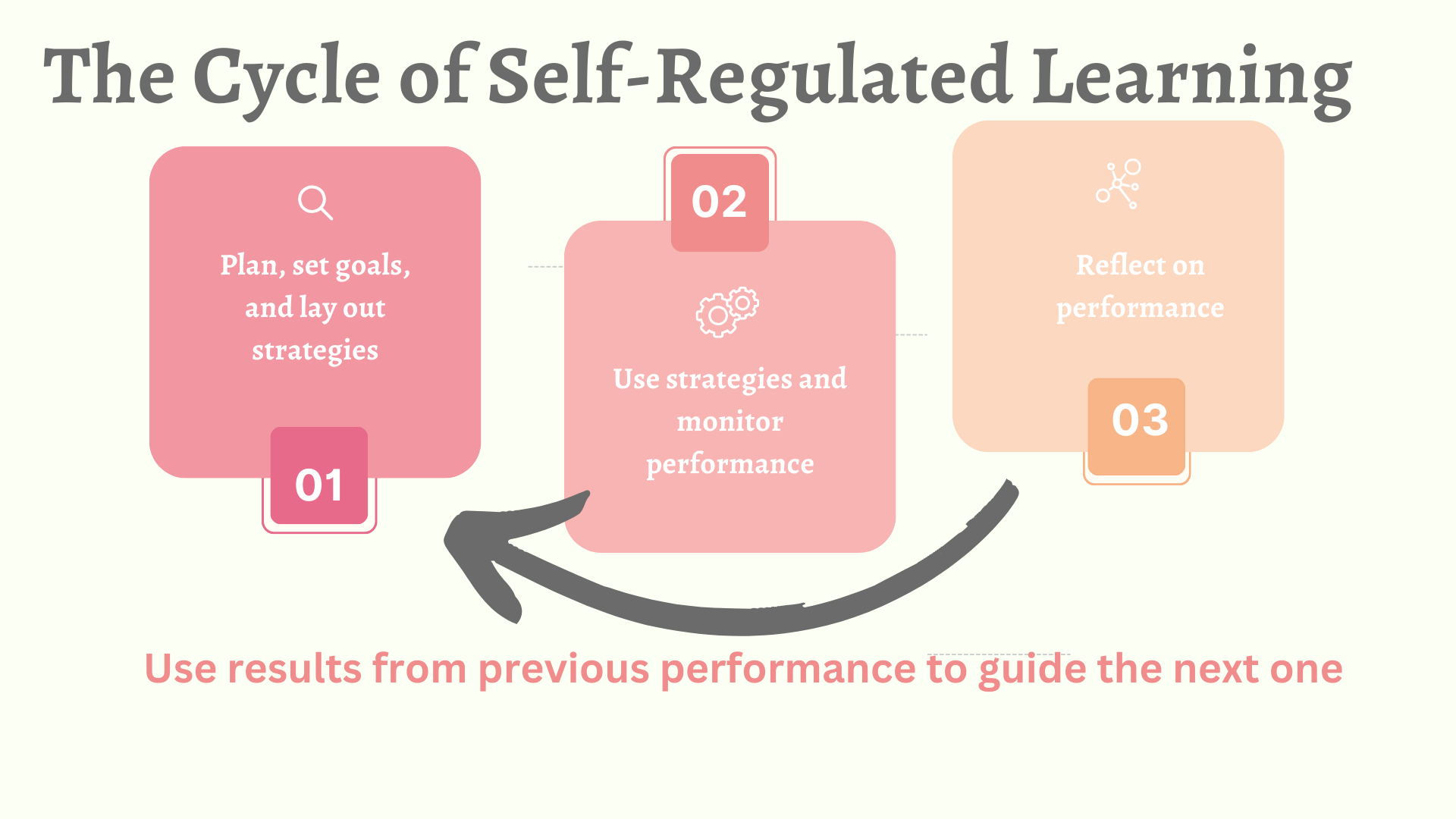
Deliberate practice translates awareness into skill development. This involves setting specific improvement goals, seeking opportunities to practice target skills, and reflecting on experiences to extract lessons. For example, someone developing presentation skills might volunteer for speaking opportunities, record themselves to identify improvement areas, and systematically incorporate feedback.
Learning from Multiple Sources
Soft skill development benefits from diverse learning approaches. Books, podcasts, and online courses provide conceptual frameworks and strategies. Observing skilled colleagues offers practical examples of excellence. Mentoring relationships provide personalized guidance and accountability.
Professional coaching has become increasingly accessible and valuable for soft skill development. Coaches provide objective perspectives, challenge limiting beliefs, and support sustained behavior change. Many organizations now offer coaching benefits recognizing the return on this investment.
Peer learning communities create supportive environments for skill development. Professional associations, networking groups, and online communities offer spaces to share experiences, exchange strategies, and practice skills in low-stakes settings.
🌟 The Future Belongs to Human Skills
As artificial intelligence and automation continue advancing, predictions about technological unemployment proliferate. However, the most likely scenario involves humans and machines collaborating, each contributing complementary strengths. In this future, soft skills become humanity’s irreplaceable contribution.
Machines excel at data processing, pattern recognition, and executing defined processes. Humans provide creativity, ethical judgment, emotional intelligence, and ability to navigate ambiguous situations requiring nuanced understanding. The professionals who thrive will be those who develop these distinctly human capabilities while leveraging technological tools effectively.
Organizations increasingly structure their workforce strategies around this reality. They invest in upskilling initiatives that emphasize soft skills, recognizing these competencies as essential for navigating digital transformation successfully. Forward-thinking companies evaluate candidates and promote employees based significantly on emotional intelligence, adaptability, and collaboration capabilities alongside technical expertise.
💡 Integrating Soft Skills Into Daily Practice
Knowledge about soft skills means little without consistent application. The challenge lies in translating awareness into habit, making these behaviors automatic rather than requiring conscious effort.
Start small with specific, manageable changes rather than attempting complete transformation overnight. Someone developing active listening skills might begin by focusing fully on one meeting daily, gradually expanding this practice. Building habits incrementally creates sustainable change.
Reflection practices help consolidate learning and identify improvement opportunities. Spending ten minutes at day’s end reviewing interactions, noting successes and challenges, and identifying one thing to do differently tomorrow creates continuous improvement loops.
Accountability mechanisms increase follow-through likelihood. This might involve sharing development goals with colleagues, scheduling regular check-ins with mentors, or using apps that track progress toward behavioral goals.

🔑 Your Pathway to Digital-Age Success
Mastering soft skills isn’t a destination but a journey of continuous growth and refinement. The digital transformation reshaping workplaces creates unprecedented opportunities for professionals who develop these essential human capabilities.
Technical skills open doors, but soft skills determine how far you progress beyond the threshold. They enable you to navigate complexity, build meaningful relationships, lead effectively, and adapt to constant change. In an era of technological disruption, these timeless human skills provide the stable foundation for thriving careers.
The investment in soft skill development pays dividends throughout your career. These competencies transfer across roles, industries, and contexts, providing versatile capabilities that remain relevant regardless of how technology evolves. While specific technical skills may become obsolete, emotional intelligence, communication excellence, and adaptability will always distinguish exceptional professionals.
Begin your development journey today by selecting one or two soft skills to prioritize. Seek feedback, find practice opportunities, and commit to consistent improvement. The compound effect of small daily improvements creates remarkable transformation over time, positioning you not just to survive but to thrive in the digital age workplace. Your future success depends less on what you know and more on who you become—and that transformation starts with embracing soft skills as your strategic advantage.