Finding your dream job isn’t just about luck—it’s about strategy, self-awareness, and taking personalized steps that align with your unique strengths and aspirations.

In today’s rapidly evolving job market, the traditional approach of sending out countless generic resumes and hoping for the best simply doesn’t cut it anymore. The modern professional needs a tailored strategy that considers their individual skills, personality traits, career goals, and the specific demands of their target industry. Whether you’re a recent graduate, someone looking to pivot careers, or a professional seeking advancement, understanding how to unlock your potential through personalized pathways can be the difference between settling for just any job and landing the position you’ve always dreamed about.
This comprehensive guide will walk you through the essential steps, strategies, and mindset shifts required to create your own personalized pathway to career success. From self-assessment and skill development to networking strategies and personal branding, you’ll discover actionable insights that can transform your job search journey into a targeted mission with clear milestones and achievable outcomes.
🎯 Understanding Your Professional Identity: The Foundation of Success
Before embarking on any job search journey, you need to develop a deep understanding of who you are as a professional. This self-awareness forms the bedrock upon which all successful career strategies are built. Too many job seekers skip this crucial step and jump directly into applications, resulting in mismatched positions and career dissatisfaction.
Start by conducting a thorough self-assessment that examines your core competencies, transferable skills, and natural talents. Consider what energizes you during work hours and what drains your energy. Reflect on past projects or roles where you felt most engaged and productive. These insights reveal patterns that can guide you toward careers where you’ll naturally excel.
Your professional identity also encompasses your values and work preferences. Do you thrive in collaborative environments or prefer independent work? Are you motivated by social impact, financial rewards, creative expression, or intellectual challenges? Understanding these intrinsic motivators helps you identify companies and roles that align with what truly matters to you, increasing the likelihood of long-term job satisfaction.
Conducting a Skills Inventory
Create a comprehensive inventory of your skills by categorizing them into technical skills, soft skills, and industry-specific knowledge. Technical skills might include programming languages, software proficiency, or specialized methodologies. Soft skills encompass communication, leadership, problem-solving, and emotional intelligence. Industry knowledge includes understanding market trends, regulatory environments, and sector-specific best practices.
Don’t overlook transferable skills—these are capabilities that apply across various industries and roles. Project management, data analysis, customer relationship management, and strategic thinking are examples of highly valuable transferable skills that can open doors to diverse career opportunities.
📊 Mapping Your Career Landscape: Research and Opportunity Analysis
Once you’ve established a clear understanding of your professional identity, the next step involves thoroughly researching the career landscape to identify where your unique profile fits best. This process requires strategic thinking and a willingness to explore beyond obvious choices.
Begin by identifying industries experiencing growth and those aligned with your interests. Look at labor market data, industry reports, and economic forecasts to understand where opportunities are expanding. Technology, healthcare, renewable energy, and e-commerce continue to show robust growth, but emerging sectors constantly arise as societal needs evolve.
Within your target industries, research specific roles that match your skill set and career aspirations. Go beyond job titles to understand the actual responsibilities, required competencies, and career progression paths. Use platforms like LinkedIn to examine professionals currently in these roles—what backgrounds do they have? What career trajectories led them there? This research provides realistic insight into what it takes to break into and succeed in your desired field.
Identifying Skill Gaps and Growth Opportunities
Your research will inevitably reveal gaps between your current capabilities and the requirements of your dream job. Rather than viewing these gaps as barriers, see them as your personalized development roadmap. Prioritize which skills will have the greatest impact on your employability and career advancement.
Consider both formal and informal learning opportunities. Online courses, professional certifications, bootcamps, workshops, and even self-directed learning through books and tutorials can help bridge skill gaps. The key is selecting educational experiences that provide practical, applicable knowledge rather than just theoretical understanding.
🚀 Building Your Personal Brand: Standing Out in a Crowded Market
In an era where recruiters often receive hundreds of applications for a single position, developing a distinctive personal brand is essential. Your personal brand is the unique combination of skills, experiences, and personality that you present to the professional world—it’s what makes you memorable and sets you apart from other candidates.
Start by crafting a compelling professional narrative that tells your career story in a coherent, engaging way. This narrative should connect your past experiences, present capabilities, and future aspirations into a logical progression that demonstrates growth, learning, and purpose. Your story should answer the question: “Why you, why this role, why now?”
Your online presence plays a crucial role in personal branding. Optimize your LinkedIn profile with a professional photo, compelling headline, and detailed experience descriptions that highlight achievements rather than just duties. Share relevant content, engage with industry discussions, and publish articles that showcase your expertise and thought leadership.
Creating a Professional Portfolio
Depending on your field, a professional portfolio can be an invaluable tool for demonstrating your capabilities. For creative professionals, this might include design work, writing samples, or multimedia projects. For technical roles, consider showcasing coding projects on GitHub or contributing to open-source initiatives. Even professionals in traditional fields can benefit from portfolios that document successful projects, presentations, or case studies.
Your portfolio should be easily accessible, professionally presented, and regularly updated to reflect your most impressive and recent work. Include context for each piece—what problem were you solving, what approach did you take, and what results did you achieve?
🤝 Strategic Networking: Building Relationships That Open Doors
The often-cited statistic that 70-85% of jobs are filled through networking isn’t just folklore—it reflects the reality that many opportunities never reach public job boards. Building and nurturing a professional network is therefore not optional but essential for accessing your dream job.
Effective networking goes far beyond collecting business cards or accumulating LinkedIn connections. It’s about building genuine relationships based on mutual value and authentic interest. Focus on quality over quantity—a few meaningful connections who understand your capabilities and career goals are far more valuable than hundreds of superficial contacts.
Attend industry conferences, workshops, and meetups where you can meet professionals in your target field. Come prepared with thoughtful questions and genuine curiosity about others’ work. Follow up after initial meetings with personalized messages that reference specific conversation points, demonstrating that you were truly engaged.
Leveraging Informational Interviews
Informational interviews are one of the most underutilized yet powerful networking tools available. These are conversations where you seek advice and insights from professionals in roles or companies that interest you, without explicitly asking for a job. Most professionals are surprisingly willing to share their experiences and guidance when approached respectfully.
When requesting an informational interview, be clear about your intentions, flexible with their time, and prepared with specific questions. Use these conversations to gain insider perspectives on career paths, company cultures, skill requirements, and industry trends. Always express gratitude and stay in touch, providing updates on how their advice helped you.
✍️ Crafting Application Materials That Resonate
Even with a strong network, you’ll likely need to submit formal applications, which means your resume and cover letter must be exceptional. These documents aren’t just lists of your experiences—they’re marketing materials designed to convince hiring managers that you’re the solution to their problems.
Tailor every resume and cover letter to the specific position and company. Generic applications are immediately recognizable and typically discarded. Study the job description carefully, identifying key requirements and desired qualifications, then demonstrate how your background aligns with these needs.
Use achievement-oriented language that quantifies your impact whenever possible. Instead of “responsible for managing social media,” write “increased social media engagement by 150% over six months through targeted content strategy.” Numbers, percentages, and concrete outcomes make your contributions tangible and memorable.
Optimizing for Applicant Tracking Systems
Many companies use Applicant Tracking Systems (ATS) to filter resumes before human eyes ever see them. To pass these digital gatekeepers, incorporate relevant keywords from the job description naturally throughout your resume. Use standard section headings, avoid complex formatting or graphics that confuse parsing software, and submit in the requested file format.
However, don’t sacrifice readability for keyword stuffing. Your resume still needs to impress human readers once it passes the ATS screening. Balance optimization with clear, compelling communication of your value proposition.
🎤 Interview Mastery: Presenting Your Best Self
Landing an interview means you’ve successfully cleared initial screening hurdles—now you need to convince decision-makers in real-time that you’re the right choice. Interview performance often determines who receives offers among similarly qualified candidates.
Preparation is the foundation of interview success. Research the company thoroughly, understanding their products, services, culture, recent news, and competitive landscape. Prepare specific examples that demonstrate your key competencies using the STAR method (Situation, Task, Action, Result), which provides structured, compelling responses to behavioral questions.
Practice common interview questions, but avoid memorizing scripted answers that sound robotic. Instead, internalize key points you want to convey and practice delivering them conversationally. Conduct mock interviews with friends or career counselors to receive feedback on your presentation, body language, and communication style.
Asking Insightful Questions
The questions you ask during interviews reveal your priorities, analytical thinking, and genuine interest in the role. Prepare thoughtful questions about team dynamics, success metrics, professional development opportunities, company challenges, and organizational culture. Avoid questions easily answered through basic research or those focused solely on compensation and benefits during initial interviews.
Your questions should demonstrate that you’re evaluating whether this opportunity aligns with your career goals—you’re interviewing them as much as they’re interviewing you. This mindset shift from desperate applicant to selective professional can actually increase your attractiveness as a candidate.
🔄 Embracing Continuous Learning and Adaptation
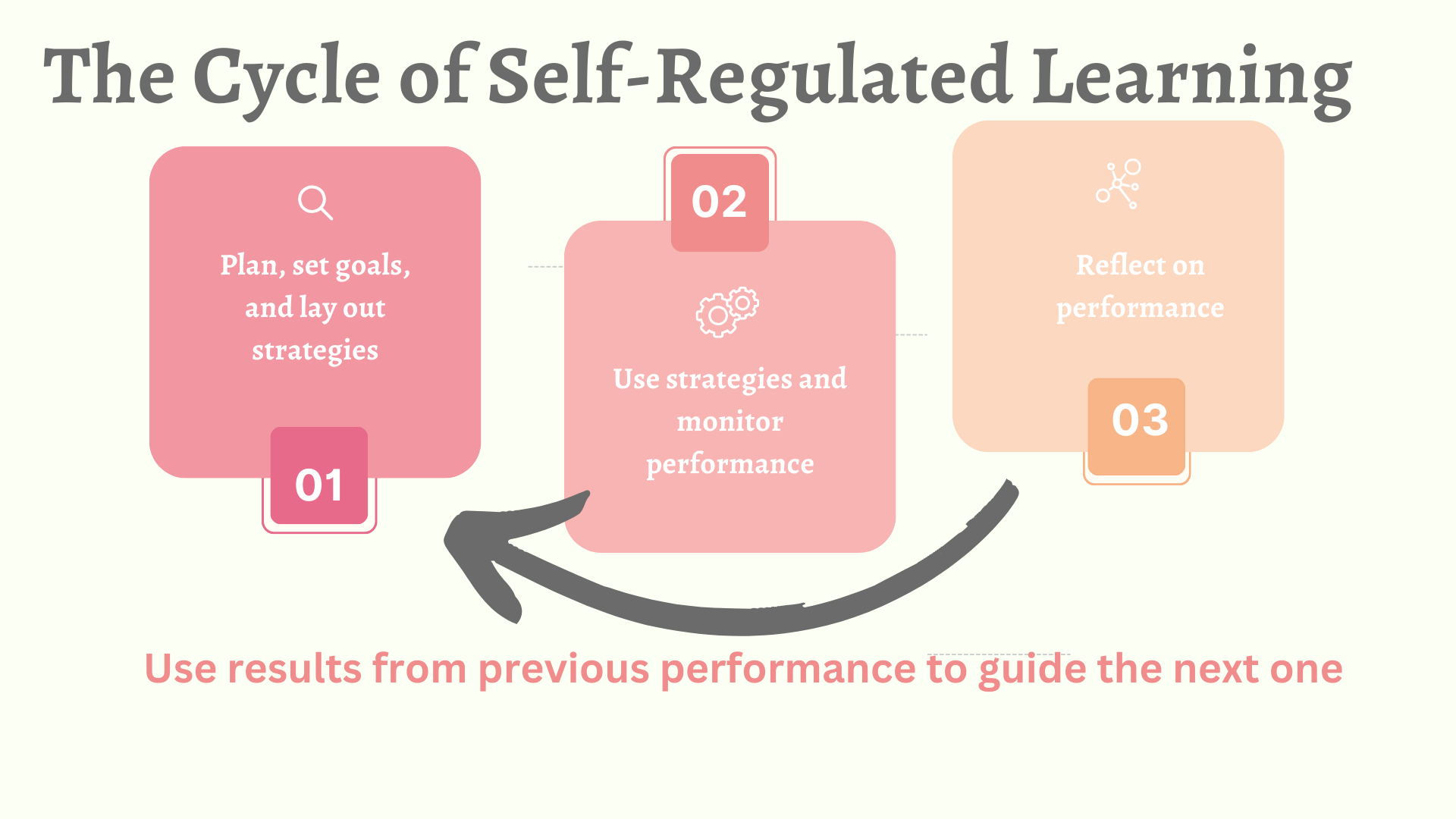
The pathway to your dream job isn’t a straight line but an evolving journey that requires flexibility and continuous growth. Industries transform, new technologies emerge, and career possibilities that didn’t exist five years ago become viable options. Maintaining a learning mindset ensures you remain competitive and adaptable.
Dedicate time regularly to skill development, even when employed. This might involve taking online courses, reading industry publications, attending workshops, or pursuing certifications. Staying current with trends and expanding your capabilities positions you for opportunities as they arise rather than scrambling to catch up when you need to make a move.
Seek feedback actively from mentors, colleagues, and supervisors. Constructive criticism, though sometimes uncomfortable, provides invaluable insights into blind spots and areas for improvement. Approach feedback with curiosity and gratitude rather than defensiveness, using it to refine your approach and accelerate your development.
💪 Maintaining Resilience Through the Journey
Job searching can be emotionally taxing, especially when facing rejections or extended periods without responses. Building resilience and maintaining mental well-being throughout the process is crucial for sustained effort and eventual success.
Establish a structured routine that includes dedicated time for job search activities, skill development, networking, and self-care. This structure provides a sense of control and progress even when external results feel slow. Celebrate small wins—securing an informational interview, receiving positive feedback on your portfolio, or expanding your network—rather than fixating solely on job offers.
Remember that rejection is rarely personal. Hiring decisions involve numerous factors beyond your control, including internal candidates, budget changes, timing, and subjective preferences. Each rejection is simply information about fit, not a judgment of your worth or capabilities. Learn what you can from the experience and move forward with renewed focus.
Building a Support System
Surround yourself with supportive people who understand your journey and can provide encouragement during challenging moments. This might include family, friends, career counselors, or job search support groups. Share your goals and progress with your support system, allowing them to celebrate successes and provide perspective during setbacks.
Consider finding an accountability partner who’s also navigating a career transition. Regular check-ins create mutual motivation, shared learning, and someone who truly understands the emotional ups and downs of the process.
🎯 Taking Strategic Action: Your Personalized Implementation Plan
Understanding strategies is valuable, but implementation determines results. Create a personalized action plan that breaks down your pathway to your dream job into manageable, specific steps with deadlines and measurable outcomes.
Start by setting a clear timeline with major milestones—perhaps completing skill assessments within two weeks, having informational interviews scheduled within a month, and submitting targeted applications within six weeks. Be realistic about what you can accomplish given your current circumstances and responsibilities.
Track your activities and results in a simple spreadsheet or project management tool. Record applications submitted, networking connections made, interviews conducted, and follow-ups completed. This tracking provides accountability, helps identify what’s working, and allows you to adjust your strategy based on actual data rather than assumptions.
Review and adjust your plan regularly. If certain approaches aren’t yielding results, pivot to different strategies. If particular industries or roles generate more interest than expected, explore why and consider expanding your focus in that direction. Flexibility based on feedback and results is a strength, not a weakness.

🌟 Recognizing When You’ve Found Your Match
As opportunities emerge, you’ll need to evaluate whether they truly represent your dream job or simply an available position. Not every offer deserves acceptance, and discernment is crucial for long-term career satisfaction.
Assess opportunities against your defined criteria—does the role utilize your strengths, align with your values, offer growth potential, and provide appropriate compensation? Consider the company culture, management style, team dynamics, and work-life balance. Trust your instincts during interviews; if something feels off despite attractive compensation, investigate further before committing.
Your dream job should energize rather than drain you, challenge you to grow without overwhelming you, and align with your broader life goals. It’s not about finding the perfect position—those don’t exist—but rather identifying opportunities where your talents can flourish, your contributions matter, and your career trajectory continues in a meaningful direction.
Remember that career paths are rarely linear. What seems like your dream job today may evolve as you grow and your priorities shift. Embrace this evolution, knowing that each experience contributes to your professional development and brings you closer to opportunities that truly resonate with who you’re becoming.
The journey to your dream job is ultimately a journey of self-discovery, skill development, relationship building, and strategic action. By taking personalized steps that honor your unique strengths and aspirations, you transform job searching from a frustrating numbers game into a purposeful pursuit with clear direction. Your potential is waiting to be unlocked—the pathway forward starts with the decision to invest in yourself and commit to the process. The dream job you envision is possible, and every action you take brings it closer to reality.