Remote work has transformed how businesses operate, making effective workforce training more critical than ever for maintaining competitive advantage and employee engagement.

🚀 The Remote Revolution: Why Training Is Your Secret Weapon
The shift to remote work isn’t just a temporary trend—it’s a fundamental transformation of the modern workplace. Organizations worldwide have discovered that geography no longer limits their talent pool, but this newfound freedom comes with unique challenges. Training remote employees requires a completely different approach than traditional in-person sessions, and companies that master this art gain significant advantages over their competitors.
Remote teams offer incredible benefits: access to global talent, reduced overhead costs, and improved work-life balance for employees. However, without proper training infrastructure, these advantages quickly dissolve into communication breakdowns, productivity losses, and cultural disconnection. The companies thriving in this new landscape understand that investing in remote workforce training isn’t optional—it’s essential for survival.
Studies show that organizations with comprehensive remote training programs experience 218% higher income per employee and 24% higher profit margins compared to those without formalized training. These statistics aren’t coincidental. Well-trained remote employees feel more connected, understand their roles better, and contribute more effectively to organizational goals.
Building Foundations: Essential Components of Remote Training Success
Creating an effective remote training program starts with understanding the unique challenges of distance learning. Unlike traditional classroom settings where instructors can read body language and adjust pace accordingly, remote training demands more intentional design and execution.
Technology Infrastructure That Actually Works
Your training program is only as strong as the technology supporting it. Invest in reliable learning management systems (LMS) that offer intuitive interfaces, mobile compatibility, and robust analytics. Your remote team members might be logging in from different continents, using various devices, and navigating different internet speeds—your platform must accommodate this diversity.
Consider platforms that integrate seamlessly with your existing communication tools. When training materials live in one ecosystem while daily work happens in another, adoption rates plummet. Look for solutions offering single sign-on capabilities, automated notifications, and progress tracking that doesn’t require employees to manually report completion.
Content That Captivates, Not Complicates
Remote employees face countless distractions—household activities, family members, pets, and the temptation to multitask. Your training content must be engaging enough to compete with these diversions. Break lengthy modules into microlearning sessions of 5-10 minutes. Research indicates that shorter, focused learning segments improve retention by up to 80% compared to hour-long presentations.
Incorporate multimedia elements strategically. Videos, interactive quizzes, simulations, and gamification elements transform passive consumption into active learning. However, avoid overwhelming learners with excessive bells and whistles. Each element should serve a clear pedagogical purpose, not just exist for entertainment value.
💡 Crafting Training Programs That Stick
The best training programs don’t just transfer information—they create lasting behavioral change. This requires thoughtful instructional design that considers how adults learn, especially in remote environments where self-direction is paramount.
Personalization: The Key to Engagement
One-size-fits-all training rarely fits anyone well. Remote team members bring diverse backgrounds, experience levels, and learning preferences. Implement adaptive learning paths that adjust based on individual performance and prior knowledge. New hires need different content than veteran employees transitioning to new roles.
Use assessment tools at the beginning of training programs to identify knowledge gaps and customize content accordingly. This respects employees’ time by not forcing them through material they’ve already mastered while ensuring they receive support in areas where they struggle.
Social Learning in a Distributed World
Humans are social creatures, and we learn exceptionally well from peers. Despite physical distance, your remote training should facilitate social learning opportunities. Create virtual study groups, peer mentoring programs, and collaborative projects that encourage knowledge sharing.
Discussion forums, Slack channels dedicated to learning topics, and virtual coffee chats about professional development all contribute to a culture where learning becomes communal rather than isolating. When employees see colleagues actively engaged in development, they’re more likely to prioritize their own growth.
🎯 Measuring What Matters: Training Analytics and ROI
You can’t improve what you don’t measure. Effective remote training programs incorporate robust analytics that go beyond simple completion rates. While tracking who finished which module provides basic accountability, it reveals little about actual learning outcomes or business impact.
Beyond the Basics: Meaningful Metrics
Focus on metrics that connect training activities to business results. Track performance improvements in specific skills, changes in productivity metrics, reduction in errors, customer satisfaction scores, and employee retention rates. These indicators demonstrate tangible value and help justify continued investment in training initiatives.
Implement regular knowledge checks and skill assessments weeks or months after training completion. This reveals whether information truly transferred to long-term memory and practical application, or if employees simply clicked through modules without genuine engagement.
Feedback Loops That Drive Improvement
Create multiple channels for gathering learner feedback. Post-training surveys capture immediate reactions, but follow-up conversations weeks later often reveal deeper insights about content effectiveness and practical applicability. Anonymous feedback options encourage honest critique that might not surface in direct conversations with managers.
More importantly, demonstrate that you act on feedback. When employees see their suggestions implemented—whether through updated content, improved platform features, or adjusted pacing—they recognize their input matters and become more invested in the training ecosystem.
Overcoming Common Remote Training Obstacles
Even well-designed programs encounter predictable challenges. Anticipating these obstacles and preparing solutions helps maintain momentum and prevents small issues from derailing your entire training strategy.
The Time Zone Tango 🕐
When your team spans multiple continents, scheduling live training sessions becomes logistical nightmare. Some companies attempt rotating schedules to share the burden of inconvenient timing, but this often results in consistently poor attendance and resentful employees.
Instead, embrace asynchronous learning as your primary delivery method. Record live sessions for on-demand viewing, provide transcripts for those who prefer reading, and use collaborative tools that allow contributions across time zones. Reserve synchronous gatherings for truly interactive activities that benefit from real-time engagement, and rotate timing to ensure fairness.
Combating the Isolation Factor
Remote learning can feel lonely. Without the energy of a shared classroom space, motivation wanes. Combat this by creating cohort-based programs where employees progress through training together, even if they access materials independently. Establish buddy systems pairing learners for mutual accountability and support.
Celebrate milestones publicly. When someone completes a certification or masters a new skill, recognize their achievement in company-wide communications. This visibility creates positive reinforcement and inspires others to pursue their own development goals.
Technology Frustration Prevention
Technical difficulties are the fastest way to derail training engagement. Provide comprehensive onboarding to your learning platforms, including video tutorials, written guides, and responsive technical support. Test all materials across different devices, browsers, and connection speeds before rolling out to your entire team.
Create a dedicated support channel specifically for training-related technical issues. Quick resolution prevents frustration from festering and demonstrates organizational commitment to making learning accessible.
🌟 Advanced Strategies for Training Excellence
Once you’ve established foundational training programs, consider these advanced approaches that distinguish exceptional remote learning cultures from merely adequate ones.
Microlearning and Just-in-Time Training
Modern workers don’t always need comprehensive courses—sometimes they need specific information exactly when they need it. Create a searchable knowledge repository with short, focused resources addressing common questions and tasks. Video snippets demonstrating specific software features, quick reference guides for processes, and troubleshooting flowcharts provide immediate value without requiring extended time commitments.
This approach respects the reality of remote work: employees juggle multiple priorities and appreciate resources that solve immediate problems efficiently. When training becomes a performance support tool rather than just a periodic event, adoption and application naturally increase.
Leveraging Artificial Intelligence and Automation
AI-powered training tools are becoming increasingly sophisticated and accessible. Chatbots can answer common questions, guide employees to relevant resources, and provide personalized recommendations based on role, performance, and learning history. Automated reminders and nudges keep training top-of-mind without requiring manual follow-up from managers.
Machine learning algorithms can identify patterns in how employees engage with training materials, revealing which content formats and topics generate the strongest engagement and learning outcomes. Use these insights to continuously refine your approach.
Cross-Functional Learning Communities
Break down silos by creating learning opportunities that bring together employees from different departments. When marketing teams understand engineering challenges and vice versa, collaboration improves and innovation accelerates. Host virtual lunch-and-learns where team members share expertise, create job shadowing programs adapted for remote environments, and facilitate cross-departmental projects that expose employees to different areas of the business.
Creating a Continuous Learning Culture 📚
The most successful remote organizations don’t view training as a series of mandatory checkboxes—they cultivate cultures where continuous learning becomes intrinsic to how work happens. This cultural shift requires intentional leadership and consistent reinforcement.
Leadership Modeling and Support
Leaders must visibly prioritize their own development. When executives and managers openly discuss courses they’re taking, books they’re reading, and skills they’re developing, it signals that learning matters at all levels. Allocate dedicated time for professional development in work schedules rather than expecting employees to squeeze it into already-packed days or personal time.
Provide learning stipends or reimbursement for external courses, conferences, and certifications. Financial support demonstrates tangible commitment beyond lip service about valuing employee growth.
Connecting Learning to Career Progression
Employees invest more energy in training when they see clear connections to career advancement. Map skills to career paths, showing explicitly which competencies lead to promotions, lateral moves, or special projects. During performance reviews, discuss development goals with the same seriousness as business objectives.
Create internal mobility programs that prioritize existing employees for new opportunities when they’ve developed relevant skills through training programs. Nothing motivates learning like seeing colleagues advance after completing specific development pathways.
The Future of Remote Workforce Training
The remote training landscape continues evolving rapidly. Virtual reality and augmented reality technologies are making immersive training experiences increasingly affordable and accessible. Imagine onboarding new employees through virtual office tours or teaching complex procedures through AR-guided simulations—these aren’t distant possibilities but emerging realities.
Blockchain credentials and digital badges are creating portable, verifiable records of skills and competencies that employees own regardless of employer. This shift toward learner-owned credentials will influence how organizations approach training, potentially increasing emphasis on recognized external certifications alongside proprietary internal programs.
The integration of training with workflow will deepen. Rather than treating learning as separate from work, next-generation platforms will provide contextual guidance and learning opportunities embedded directly in the tools employees use daily. Performance support and training will merge into seamless experiences.
Taking Action: Your Remote Training Transformation Roadmap
Understanding remote training best practices means little without implementation. Start by auditing your current state honestly. Survey remote employees about training experiences, identify gaps between available training and actual needs, and assess your technology infrastructure’s capabilities and limitations.
Prioritize quick wins that demonstrate value while planning longer-term improvements. Perhaps you can immediately create a shared library of existing resources currently scattered across various locations, or launch a monthly virtual learning hour featuring internal experts. These initial steps build momentum and stakeholder support for more ambitious initiatives.
Assemble a cross-functional team representing different departments, seniority levels, and locations to guide your training strategy. Diverse perspectives prevent blind spots and ensure programs serve your entire workforce effectively. Establish clear success metrics before launching new initiatives so you can demonstrate impact and refine approaches based on data rather than assumptions.
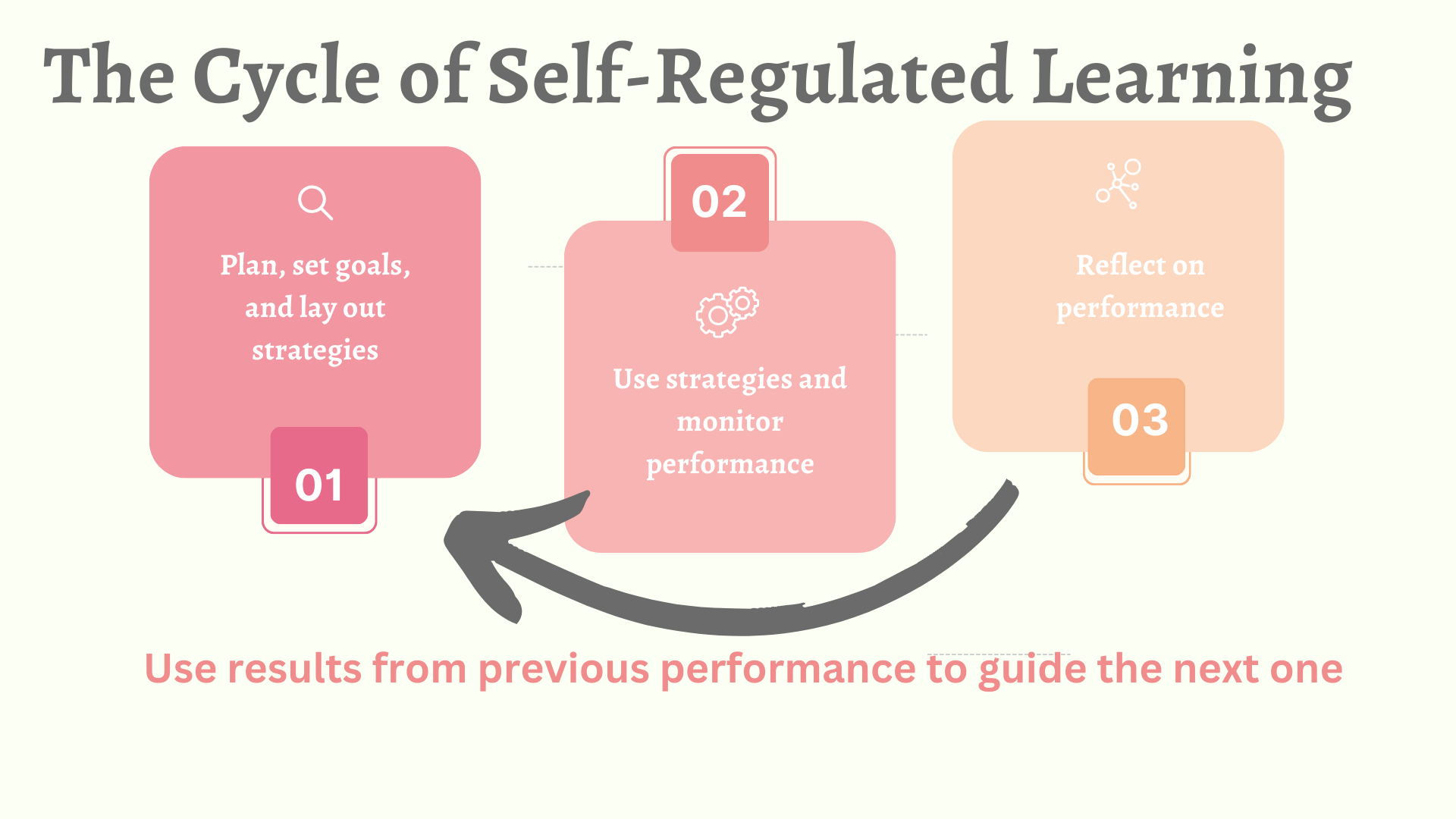
Remember that building exceptional remote training programs is a journey, not a destination. Technology evolves, business needs shift, and workforce expectations change. Commit to ongoing evaluation and adaptation, staying curious about emerging tools and methodologies while remaining grounded in fundamental principles of effective adult learning.
The organizations that thrive in our increasingly distributed world will be those that crack the code on remote workforce development. By investing thoughtfully in training infrastructure, creating engaging content, measuring meaningful outcomes, and fostering cultures of continuous learning, you’ll unlock the full potential of your remote team. The power is there—mastering these training principles helps you unleash it for unprecedented success. 🎉