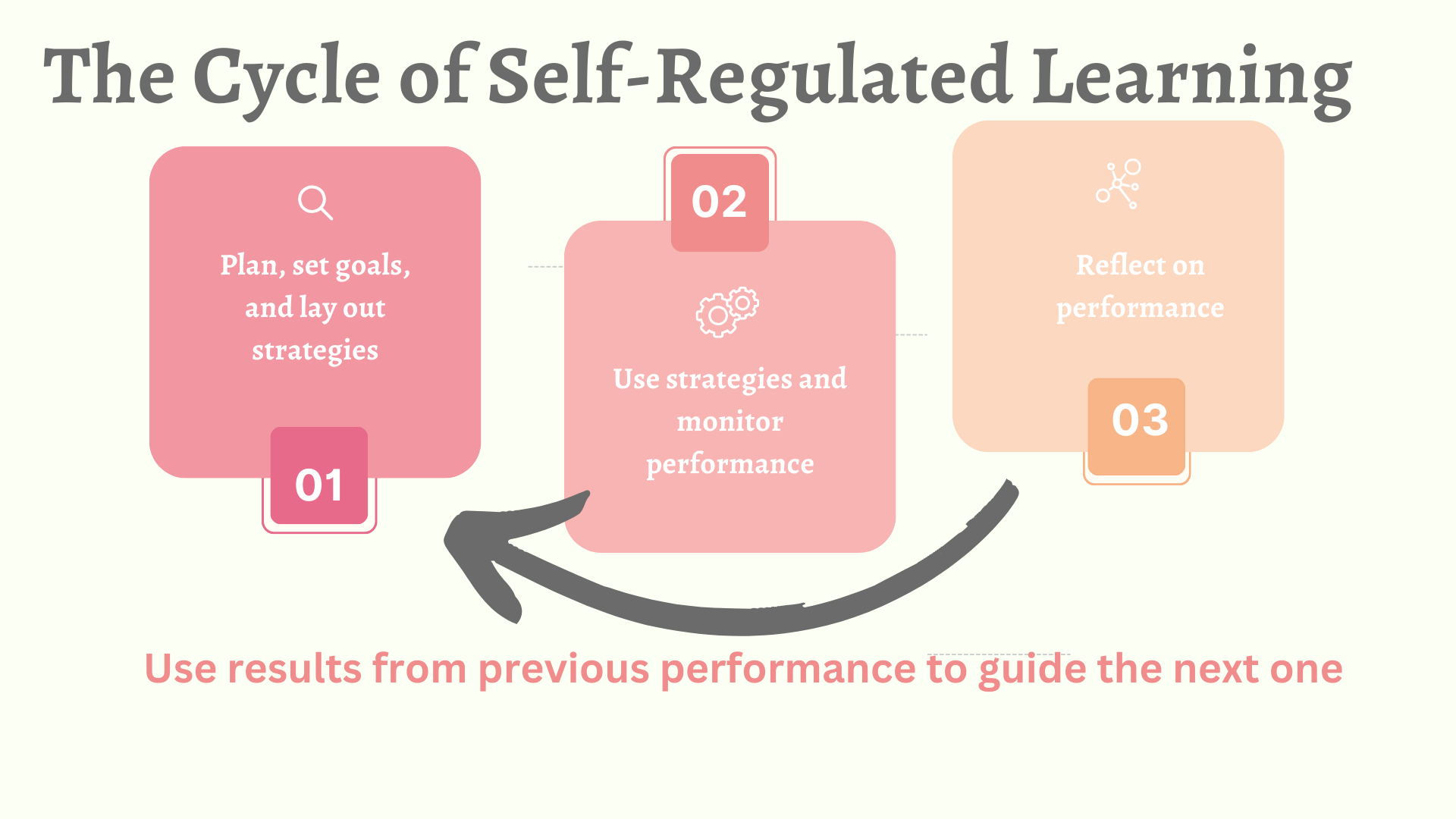
Neuroeducation represents a groundbreaking intersection of neuroscience, psychology, and education, transforming how we understand and optimize learning processes across all age groups.

The human brain remains one of the most complex and fascinating frontiers of scientific exploration. As researchers continue to unravel its mysteries, educators worldwide are discovering revolutionary ways to enhance teaching methodologies based on how our brains actually learn, process information, and retain knowledge. This emerging field, known as neuroeducation, is reshaping educational paradigms and offering unprecedented insights into cognitive development.
The integration of neuroscience into educational practice isn’t just a theoretical exercise—it’s producing tangible results in classrooms, training centers, and learning environments globally. From understanding memory consolidation to recognizing the critical role of emotions in learning, neuroeducation is providing evidence-based strategies that maximize learning potential while respecting individual cognitive differences.
🧠 The Foundation of Neuroeducation: Where Science Meets Learning
Neuroeducation emerges from the collaborative efforts of neuroscientists, cognitive psychologists, and educators who recognized that traditional teaching methods often conflicted with how our brains naturally process information. This interdisciplinary field examines the neurological processes underlying learning and applies these findings to educational practice.
Recent advances in neuroimaging technologies, particularly functional MRI and EEG studies, have allowed researchers to observe the brain in action during learning activities. These observations have challenged long-held assumptions about education and revealed surprising truths about optimal learning conditions. For instance, the myth that we only use 10% of our brains has been thoroughly debunked, while research confirms that different learning activities engage various neural networks simultaneously.
The plasticity of the human brain—its ability to reorganize and form new neural connections throughout life—stands as one of neuroeducation’s most empowering discoveries. This neuroplasticity means that learning is possible at any age, and our brains continuously adapt based on experiences and environmental stimuli. Understanding this principle has profound implications for lifelong learning and cognitive enhancement strategies.
Revolutionary Research Trends Transforming Educational Practices
The Neuroscience of Attention and Focus 🎯
Contemporary research reveals that human attention operates in cycles rather than as a constant state. Studies show that the average attention span for sustained focus ranges between 10 to 20 minutes for adults, with variations based on task complexity and individual differences. This finding has led educators to restructure lesson plans into shorter, more engaging segments interspersed with brief breaks or transitions.
The prefrontal cortex, responsible for executive functions including attention regulation, doesn’t fully mature until the mid-twenties. This biological reality explains why younger learners often struggle with sustained attention and why teaching strategies must adapt to developmental stages. Techniques such as active learning, movement breaks, and varied instructional methods align with these neurological realities.
Digital distractions pose a significant challenge to attention management. Research demonstrates that multitasking—attempting to process multiple information streams simultaneously—reduces learning efficiency and comprehension. The brain actually switches rapidly between tasks rather than processing them simultaneously, creating cognitive load that impairs information retention and increases mental fatigue.
Memory Consolidation: The Science of Retention
Recent neuroeducational research has illuminated the intricate processes of memory formation and consolidation. The hippocampus plays a crucial role in converting short-term memories into long-term storage, but this process requires specific conditions to function optimally. Sleep emerges as particularly critical, with studies showing that memory consolidation primarily occurs during specific sleep stages.
The spacing effect demonstrates that distributed practice—spreading learning sessions over time—produces significantly better long-term retention than massed practice or cramming. This finding challenges traditional educational models that concentrate information delivery into compressed timeframes. Neural pathways strengthen through repeated activation over extended periods, making spaced repetition one of the most powerful learning techniques validated by neuroscience.
Retrieval practice, or actively recalling information rather than passively reviewing it, strengthens memory traces more effectively than re-reading or highlighting. This phenomenon, known as the testing effect, occurs because retrieval activates and reinforces neural pathways, making information more accessible for future recall. Progressive educators now incorporate frequent low-stakes quizzing and self-testing opportunities to leverage this neurological advantage.
Emotional Intelligence and Learning: The Limbic Connection 💡
One of neuroeducation’s most significant contributions involves recognizing emotions’ fundamental role in learning processes. The limbic system, particularly the amygdala, acts as a gateway for information entering long-term memory. Emotional experiences create stronger, more durable memories because they activate multiple brain regions simultaneously, creating richer neural encoding.
Stress profoundly impacts learning capacity, but the relationship proves complex. Moderate stress can enhance focus and motivation through cortisol and adrenaline release, creating an optimal arousal state for learning. However, chronic or excessive stress triggers survival responses that redirect resources away from higher cognitive functions, impairing memory formation and creative thinking.
Creating emotionally safe learning environments emerges as neurologically essential, not merely psychologically beneficial. When students feel threatened or anxious, their brains prioritize threat detection over information processing. Conversely, positive emotional states associated with curiosity, interest, and accomplishment enhance neuroplasticity and facilitate learning. This understanding has led to increased emphasis on social-emotional learning programs integrated with academic instruction.
The Multimodal Brain: Engaging Multiple Learning Pathways
Neuroimaging studies reveal that effective learning activates multiple brain regions simultaneously, supporting multimodal instructional approaches. While the popular notion of distinct “learning styles” (visual, auditory, kinesthetic) lacks robust scientific support, research confirms that presenting information through multiple sensory channels creates redundant neural pathways that strengthen memory and understanding.
The visual cortex occupies substantial brain territory, making visual information particularly powerful for learning. Graphics, diagrams, and spatial representations engage visuospatial processing networks that complement verbal and linguistic pathways. Combining visual and verbal information produces superior learning outcomes compared to either modality alone—a principle known as dual coding theory.
Movement and physical activity profoundly influence cognitive function. Exercise increases blood flow to the brain, stimulates neurogenesis in the hippocampus, and releases neurotrophic factors that support neural health and plasticity. Even brief movement breaks during learning sessions enhance attention, mood, and information retention. This research has sparked growing interest in kinesthetic learning activities and active classroom designs.
Technology Integration Through a Neuroscientific Lens 📱
Digital technologies offer unprecedented opportunities for personalized, adaptive learning experiences aligned with neuroeducational principles. Intelligent tutoring systems can adjust difficulty levels, provide immediate feedback, and space practice sessions according to individual learning curves—all strategies supported by cognitive science research.
However, technology integration requires careful consideration of potential drawbacks. Screen time, particularly before sleep, disrupts circadian rhythms and interferes with memory consolidation processes that occur during rest. Blue light emission suppresses melatonin production, potentially impairing the sleep quality essential for learning. Additionally, the rapid pace and high stimulation of digital media may reduce sustained attention capacity over time.
Brain-training applications claim to enhance cognitive abilities, but research produces mixed results. While specific skills improve with practice, evidence for broad cognitive enhancement or “brain fitness” remains limited. The brain’s plasticity means practice effects remain largely domain-specific—improving at puzzle games makes you better at similar puzzles rather than boosting general intelligence. Neuroeducation emphasizes realistic expectations regarding technological cognitive enhancement tools.
Critical Periods and Sensitive Windows for Learning 🕐
Neuroscience identifies specific developmental periods when the brain demonstrates heightened plasticity for acquiring particular skills. Language acquisition exemplifies this phenomenon, with early childhood representing a critical period when phonetic discrimination and grammatical processing develop most readily. While language learning remains possible throughout life, early exposure produces more native-like proficiency with less effort.
Executive functions—including working memory, cognitive flexibility, and inhibitory control—develop gradually throughout childhood and adolescence. Understanding these developmental trajectories helps educators set appropriate expectations and design age-appropriate learning experiences. Demanding cognitive skills before the neural architecture matures creates frustration, while providing appropriate challenges during sensitive periods optimizes development.
The adolescent brain undergoes dramatic reorganization, particularly in regions governing social cognition, reward processing, and decision-making. This neural remodeling creates both vulnerabilities and opportunities. Teenagers demonstrate enhanced learning capacity in domains involving social dynamics, abstract thinking, and creative exploration. Educational approaches acknowledging adolescent neurological realities prove more effective than those treating teenagers as either children or adults.
Personalized Learning: Respecting Neural Diversity
Neuroeducation recognizes that brains differ significantly across individuals, challenging one-size-fits-all educational approaches. Genetic variations, developmental experiences, and environmental factors create unique neural architectures that influence learning preferences, processing speeds, and cognitive strengths. This neural diversity necessitates flexible, personalized educational strategies.
Neurodevelopmental conditions including dyslexia, ADHD, and autism reflect differences in brain organization rather than deficits. Understanding the neurological basis of these conditions enables educators to implement evidence-based interventions and accommodations. For example, dyslexia involves differences in phonological processing networks, suggesting interventions focusing on phonemic awareness and multisensory reading instruction.
Gifted learners exhibit neural characteristics including enhanced connectivity between brain regions and more efficient information processing. These students require appropriate challenges to maintain engagement and continue developing their potential. Conversely, students with learning difficulties benefit from explicit instruction, additional practice opportunities, and multisensory approaches that create alternative neural pathways for skill acquisition.
Nutrition, Sleep, and Physical Exercise: The Biological Foundation ⚡
Cognitive function depends fundamentally on brain health, which requires proper nutrition, adequate sleep, and regular physical activity. The brain consumes approximately 20% of the body’s energy despite representing only 2% of body weight, making nutritional intake critical for optimal cognitive performance. Omega-3 fatty acids, antioxidants, and complex carbohydrates support neural health and function.
Sleep deprivation severely impairs learning, memory consolidation, attention, and emotional regulation. During sleep, the brain actively processes and organizes information encountered during waking hours, transferring memories from temporary to long-term storage. The glymphatic system, which removes metabolic waste products from the brain, operates primarily during sleep. Chronic sleep insufficiency compromises both immediate performance and long-term cognitive health.
Physical exercise represents one of the most powerful interventions for enhancing cognitive function across the lifespan. Aerobic activity stimulates BDNF (brain-derived neurotrophic factor) production, promoting neurogenesis and synaptic plasticity. Regular exercise improves executive functions, enhances mood, reduces anxiety, and protects against cognitive decline. Schools incorporating physical activity into the daily schedule observe improvements in academic performance and student behavior.
Implementing Neuroeducation: Practical Applications for Educators and Learners 🎓
Translating neuroeducational research into practical teaching strategies requires understanding core principles while maintaining flexibility for individual contexts. Effective implementation focuses on creating brain-friendly learning environments, incorporating evidence-based instructional techniques, and fostering metacognitive awareness among learners.
Classroom design influences learning outcomes through multiple neurological pathways. Natural lighting supports circadian rhythm regulation and mood enhancement. Flexible seating arrangements accommodate movement needs and different working preferences. Reduced visual clutter minimizes cognitive load, allowing attentional resources to focus on learning content. Temperature, air quality, and acoustic properties all impact cognitive performance through their effects on comfort and arousal levels.
Instructional pacing aligned with attention cycles optimizes engagement and retention. Breaking lessons into 15-20 minute segments with varied activities maintains attention and prevents cognitive fatigue. Incorporating brief physical movement breaks, social interactions, or mindfulness exercises between segments allows the brain to consolidate recent learning while refreshing attentional resources for subsequent material.
Assessment Practices Informed by Neuroscience
Traditional assessment approaches often conflict with neuroeducational findings about learning and memory. High-stakes testing creates stress responses that impair performance, particularly for anxious students. Frequent low-stakes assessments distributed over time provide more accurate measures of learning while simultaneously strengthening memory through retrieval practice.
Feedback timing and nature significantly influence learning outcomes. Immediate feedback proves most effective for skill acquisition and error correction, allowing learners to adjust their understanding before incorrect patterns solidify. Feedback emphasizing effort, strategies, and growth rather than fixed ability promotes mindset shifts that enhance motivation and resilience—qualities associated with sustained learning success.
Portfolio-based and performance assessments engage multiple cognitive processes including synthesis, application, and metacognition. These approaches activate broader neural networks than simple recall tasks, creating more robust learning and providing opportunities for students to demonstrate understanding through varied modalities aligned with their cognitive strengths.
Future Horizons: Emerging Trends in Neuroeducational Research 🔬
The neuroeducation field continues evolving rapidly as technologies advance and research methodologies become more sophisticated. Wearable neurotechnology may soon enable real-time monitoring of cognitive states during learning, allowing adaptive instructional systems to respond dynamically to individual needs. Such applications raise both exciting possibilities and important ethical considerations regarding privacy and data usage.
Artificial intelligence combined with neuroeducational principles promises increasingly personalized learning experiences. Machine learning algorithms can analyze individual learning patterns, identify optimal difficulty levels, and predict when review sessions will maximize retention. However, maintaining human elements of education—including mentorship, emotional support, and social learning—remains neurologically essential for holistic development.
Genetic research exploring learning and memory mechanisms may eventually enable highly individualized educational approaches based on neurobiological profiles. While such applications remain largely theoretical, understanding genetic influences on learning differences could reduce stigma around learning challenges and promote more compassionate, effective educational practices.
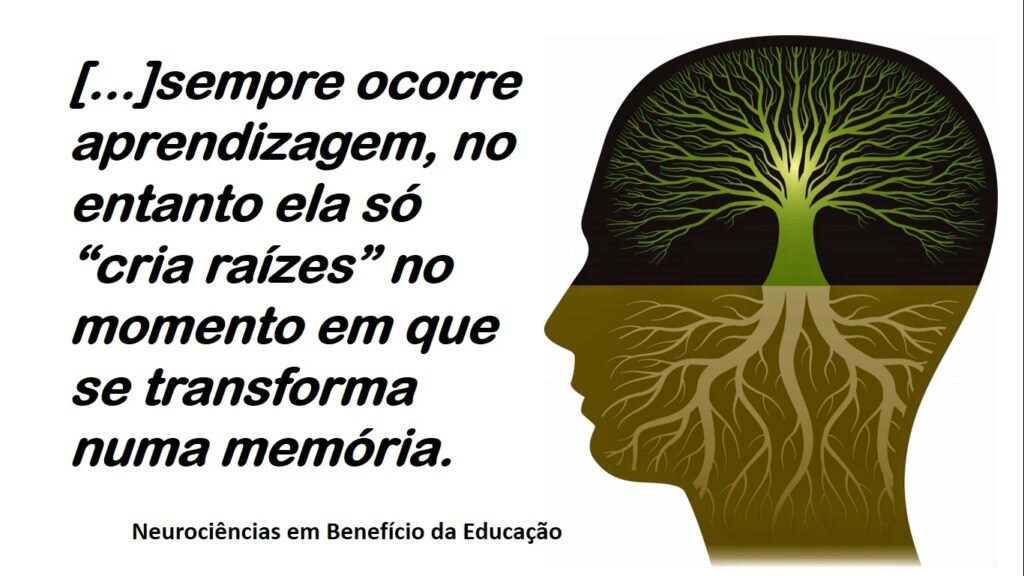
Bridging Research and Practice: The Path Forward
Successfully integrating neuroeducational insights into educational practice requires ongoing collaboration between researchers and practitioners. Teachers possess invaluable classroom experience and contextual knowledge, while neuroscientists contribute rigorous research methodologies and theoretical frameworks. Neither group alone can effectively translate brain science into improved learning outcomes.
Professional development programs educating teachers about basic neuroscience principles empower educators to make informed instructional decisions. Understanding why certain strategies work neurologically increases teacher confidence and encourages innovative applications adapted to specific student populations and learning contexts. However, such training must avoid oversimplification or promoting “neuromyths”—misconceptions about brain function that persist despite contradictory evidence.
Neuroeducation ultimately affirms that effective teaching has always aligned intuitively with how brains learn. Many time-tested pedagogical approaches receive validation through neuroscience research, while other practices require modification based on empirical findings. The goal isn’t discarding educational wisdom but refining and enhancing it through scientific understanding.
The power of neuroeducation lies not in revolutionary overhaul but in incremental improvements informed by evidence. Small adjustments—incorporating more retrieval practice, improving sleep education, designing brain-friendly environments, respecting attention cycles—compound into significant enhancements in learning outcomes. As research continues illuminating the intricate relationship between brain function and learning, educators gain increasingly sophisticated tools for unlocking every student’s cognitive potential.
The journey toward fully realized neuroeducational practice has only begun, but the direction proves clear: by respecting how brains actually learn rather than how we assume they should, we create educational experiences that are more effective, more equitable, and more aligned with human cognitive architecture. This alignment benefits not only academic achievement but also lifelong learning capacity, well-being, and the development of curious, capable, resilient individuals prepared to navigate an increasingly complex world.