Artificial intelligence is reshaping education at an unprecedented pace, challenging traditional teaching methods and redefining what it means to be an educator in the 21st century.

🎯 The Dawn of AI-Enhanced Teaching: Understanding the Shift
The integration of artificial intelligence into educational settings represents more than just a technological upgrade—it marks a fundamental transformation in how we approach teaching and learning. Teachers today find themselves at a crossroads where traditional pedagogical expertise meets cutting-edge technology, creating both challenges and extraordinary opportunities for professional growth.
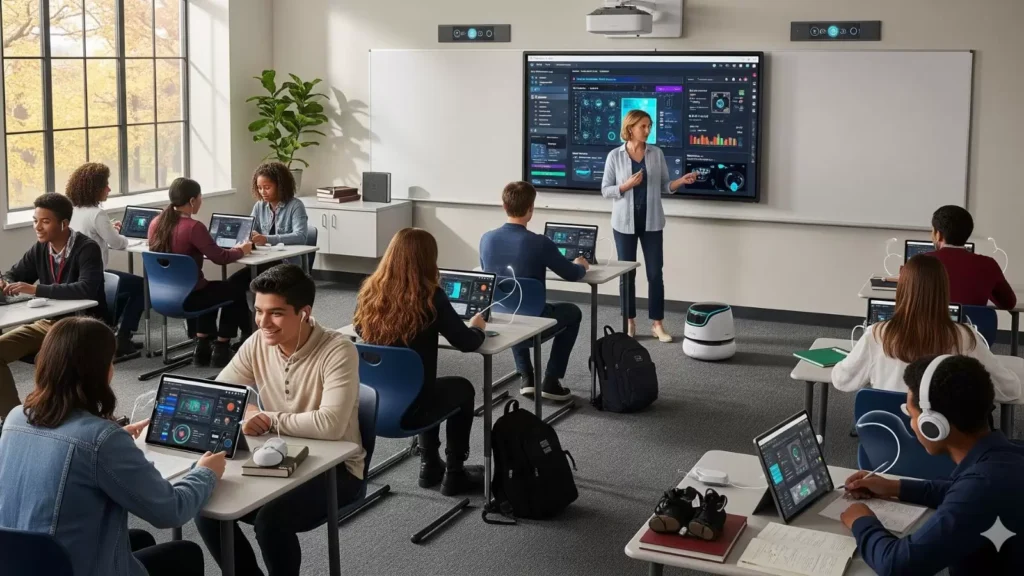
This transformation isn’t about replacing educators with machines. Instead, it’s about empowering teachers with tools that can amplify their impact, personalize learning experiences, and free up valuable time for the human connections that remain irreplaceable in education. The classroom of today demands educators who can seamlessly blend technological proficiency with emotional intelligence, curriculum design with data analysis, and time-honored teaching wisdom with innovative AI applications.
Understanding this landscape requires educators to acknowledge that their roles are evolving from content deliverers to learning facilitators, from sole assessors to collaborative guides who work alongside intelligent systems to optimize student outcomes.
📊 Redefining Teacher Responsibilities in the AI Era
The emergence of AI-driven classrooms has fundamentally altered the scope of teacher responsibilities. Where once educators spent countless hours grading papers, creating assessments, and delivering standardized content, AI tools now offer support in these areas, allowing teachers to redirect their energy toward higher-value activities.
From Content Expert to Learning Architect
Teachers are transitioning from being the primary source of information to becoming architects of personalized learning experiences. AI systems can now deliver content, answer factual questions, and provide immediate feedback on routine assignments. This shift liberates educators to focus on designing learning pathways that cater to individual student needs, interests, and learning styles.
The modern educator curates AI-powered resources, designs inquiry-based projects, and creates environments where students develop critical thinking skills that no algorithm can fully replicate. This role requires a deep understanding of both pedagogical principles and the capabilities—and limitations—of artificial intelligence.
The Rise of Data-Informed Instruction
AI systems generate vast amounts of data about student performance, engagement patterns, and learning preferences. Teachers now have access to insights that were previously impossible to obtain, from real-time comprehension metrics to predictive analytics about potential learning challenges.
However, raw data without interpretation remains meaningless. Educators must develop the skills to analyze these insights, recognize patterns, and translate data into actionable instructional strategies. This requires professional development in data literacy and a willingness to make evidence-based adjustments to teaching approaches.
🚀 Essential Skills for AI-Empowered Educators
Navigating the AI-enhanced classroom demands a new skill set that extends beyond traditional teacher training. Educators must cultivate competencies that complement artificial intelligence while leveraging their uniquely human capabilities.
Technological Fluency Without Fear
Teachers need not become programmers or AI engineers, but they must develop comfortable familiarity with educational technology platforms. This includes understanding how AI tools function, recognizing their appropriate applications, and troubleshooting common issues independently.
More importantly, educators should cultivate a growth mindset toward technology, viewing new tools as opportunities rather than threats. This attitude creates a classroom culture where both teachers and students approach AI as collaborative partners in the learning process.
Enhanced Emotional Intelligence
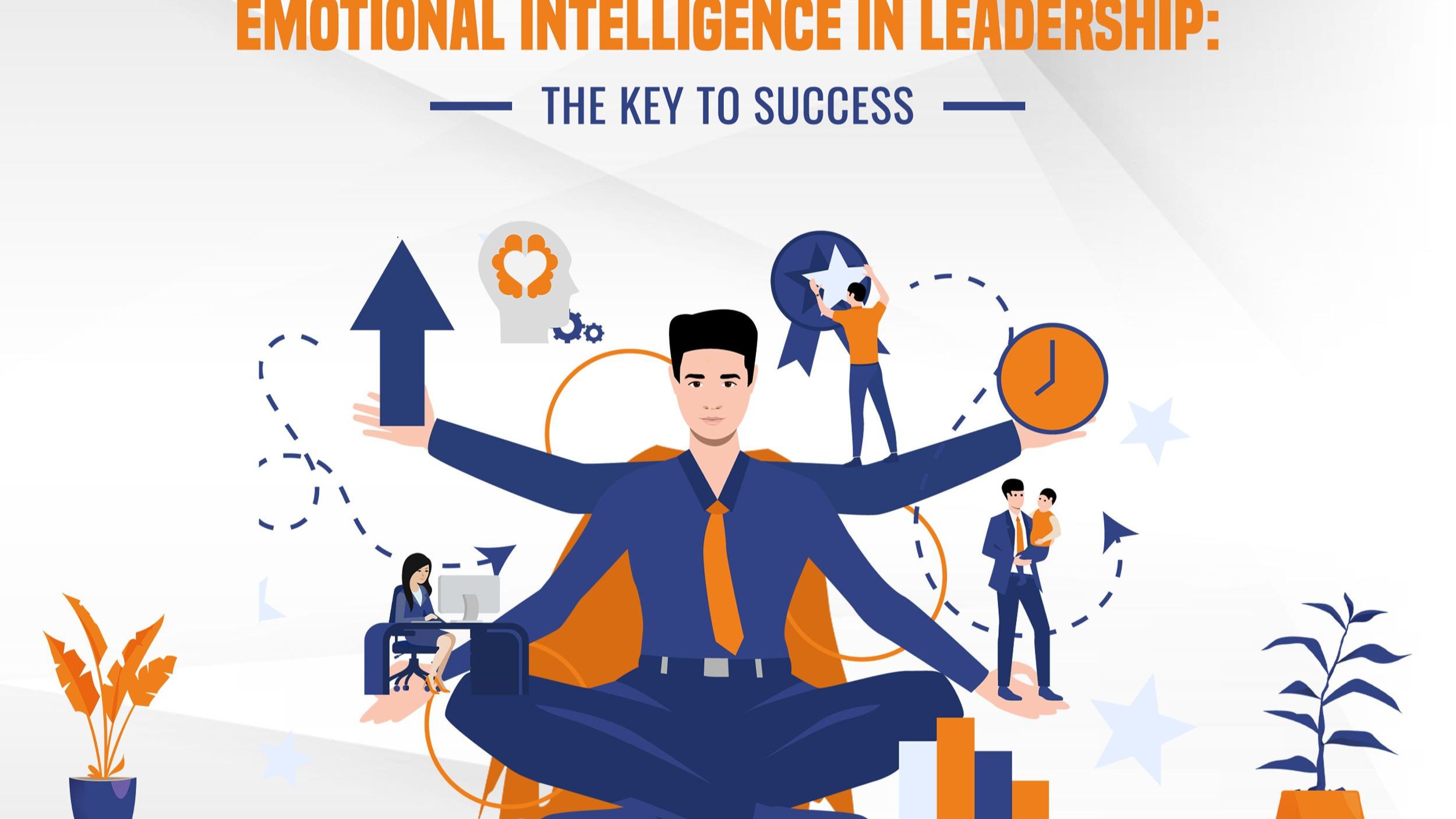
As AI handles more routine educational tasks, the human elements of teaching become even more critical. Educators must sharpen their abilities in relationship-building, empathy, motivation, and social-emotional learning support—areas where human connection remains irreplaceable.
Students facing challenges that AI cannot detect or address need teachers who can recognize subtle emotional cues, provide encouragement during difficult moments, and create psychologically safe learning environments. These soft skills represent the competitive advantage of human educators in an increasingly automated world.
Critical AI Literacy
Beyond using AI tools, teachers must develop the ability to evaluate them critically. This includes understanding potential biases in AI systems, recognizing when algorithms might produce inaccurate or inappropriate results, and teaching students to question and verify AI-generated content.
Educators serve as models for responsible AI use, demonstrating ethical considerations, privacy awareness, and balanced integration of technology with traditional learning methods. This critical perspective helps students develop into thoughtful digital citizens rather than passive technology consumers.
💡 Practical Strategies for Classroom Integration
Successfully incorporating AI into teaching practice requires thoughtful planning and strategic implementation. The following approaches help educators harness AI’s potential while maintaining pedagogical integrity.
Start Small and Scale Gradually
Rather than attempting to revolutionize every aspect of teaching simultaneously, successful educators begin with targeted AI applications in specific areas. This might mean starting with an AI-powered grading assistant for multiple-choice assessments, or using adaptive learning software for mathematics practice.
This incremental approach allows teachers to build confidence, troubleshoot issues in manageable contexts, and assess effectiveness before expanding AI integration. It also prevents technological overwhelm that can derail implementation efforts.
Maintain the Human Touch
The most effective AI-enhanced classrooms use technology to augment rather than replace human interaction. When AI systems handle routine tasks like basic skill practice or factual recall exercises, teachers gain time for activities that require human judgment—Socratic discussions, creative projects, mentoring relationships, and collaborative problem-solving.
This balanced approach ensures that efficiency gains don’t come at the expense of the meaningful student-teacher relationships that remain central to educational success.
Design for Transparency and Agency
Students benefit from understanding how AI tools work and why they’re being used. Educators should explain the role of AI in their classrooms, discuss both capabilities and limitations, and involve students in decisions about technology use when appropriate.
This transparency builds trust, demystifies technology, and empowers students to become active participants in their AI-enhanced learning experiences rather than passive recipients of algorithmic instruction.
🔄 Overcoming Challenges and Resistance
The transition to AI-driven education isn’t without obstacles. Recognizing common challenges and developing strategies to address them increases the likelihood of successful implementation.
Addressing the Fear of Obsolescence
Many educators worry that AI will make their roles redundant. This concern, while understandable, reflects a misunderstanding of AI’s capabilities. Artificial intelligence excels at pattern recognition, data processing, and repetitive tasks, but it cannot replicate the creativity, empathy, ethical judgment, and contextual understanding that human teachers provide.
Professional development initiatives should emphasize how AI amplifies teacher effectiveness rather than threatening job security. When educators recognize themselves as essential guides in AI-enhanced learning, resistance often transforms into enthusiasm.
Bridging the Digital Divide
Not all schools have equal access to AI technologies, creating potential inequities. Teachers in under-resourced settings may feel excluded from conversations about AI-enhanced education, while their students miss opportunities to develop technological literacy.
Addressing this challenge requires advocacy for equitable technology access, creativity in leveraging free or low-cost AI tools, and professional learning communities where educators share resources and strategies regardless of their schools’ technological capabilities.
Managing Implementation Overload
The rapid pace of AI development can create pressure to constantly adopt new tools and approaches. This perpetual innovation cycle risks overwhelming educators and preventing deep, sustained implementation of any single strategy.
Schools should resist the temptation to chase every new AI trend, instead focusing on a curated set of tools that align with specific educational goals. This selective approach allows teachers to develop genuine expertise and assess long-term effectiveness.
🌟 Professional Development for the AI Age
Empowering educators to thrive in AI-driven classrooms requires rethinking professional learning. Traditional one-time workshops prove insufficient for navigating the rapidly evolving technological landscape.
Continuous Learning Communities
Effective professional development creates ongoing learning opportunities through communities of practice where educators experiment with AI tools, share experiences, troubleshoot challenges, and collectively build expertise. These communities might function as school-based teams, district cohorts, or online networks that transcend geographic boundaries.
Such collaborative approaches recognize that no single teacher—or even single training session—can encompass the breadth of AI applications in education. Instead, distributed expertise allows educators to specialize in different areas while accessing collective knowledge when needed.
Just-in-Time Learning Resources
Given the pace of technological change, educators benefit from accessible, on-demand learning resources that provide support precisely when needed. This might include video tutorials, digital badging systems for specific AI competencies, or peer mentoring programs that connect less experienced users with knowledgeable colleagues.
These flexible learning pathways respect teachers’ limited time while ensuring they can acquire necessary skills without waiting for scheduled professional development sessions.
🎓 Preparing Students for an AI-Integrated Future
Beyond adapting their own practices, educators bear responsibility for preparing students to thrive in a world where AI pervades nearly every field. This preparation extends beyond teaching students how to use AI tools to developing critical competencies that remain distinctly human.
Cultivating Creativity and Innovation
As AI handles routine cognitive tasks, creativity becomes increasingly valuable. Teachers should design learning experiences that emphasize original thinking, artistic expression, novel problem-solving, and the ability to ask meaningful questions—skills that artificial intelligence cannot easily replicate.
This focus helps students develop competitive advantages in an AI-saturated job market while also enriching their educational experiences in immediately meaningful ways.
Teaching Ethical AI Engagement
Students need guidance in navigating the ethical dimensions of AI use. This includes understanding issues like algorithmic bias, data privacy, appropriate attribution when using AI-generated content, and recognizing when human judgment should override algorithmic recommendations.
By embedding these conversations throughout the curriculum, educators help students develop the ethical frameworks necessary for responsible citizenship in an increasingly AI-mediated world.
🔮 Looking Ahead: The Evolving Educational Ecosystem
The integration of AI into education represents an ongoing evolution rather than a destination. As technologies advance, teacher roles will continue adapting in ways we cannot fully predict. However, certain principles will likely remain constant.
The most successful educators will be those who maintain flexibility, embrace continuous learning, and remember that technology serves educational goals rather than defining them. They will leverage AI to enhance their effectiveness while nurturing the irreplaceable human connections at education’s heart.
Schools must support this evolution through thoughtful policies, adequate resources, and recognition that technological change requires time, experimentation, and occasional failure. The goal isn’t perfection but rather continuous improvement in serving student needs.
✨ Embracing Your Enhanced Role
The transformation of teaching through artificial intelligence ultimately represents an opportunity for educators to focus on what drew many into the profession initially: inspiring curiosity, nurturing potential, and making meaningful differences in students’ lives.
By handling time-consuming administrative tasks, providing personalized practice opportunities, and generating actionable insights, AI tools free teachers to do more of what they do best. The challenge lies not in competing with artificial intelligence but in thoughtfully integrating it to amplify human teaching strengths.
Educators who approach this transition with curiosity rather than fear, who invest in developing relevant competencies, and who maintain focus on student-centered learning will find themselves more effective and fulfilled than ever before. The AI-enhanced classroom doesn’t diminish the teacher’s role—it elevates it, creating opportunities for impact that previous generations of educators could only imagine.
This journey requires courage, adaptability, and sustained effort. Yet the potential rewards—for teachers, students, and society—make it among the most important professional transitions educators will navigate. The future of education depends on empowered teachers who can guide the next generation through an AI-integrated world with wisdom, empathy, and unwavering commitment to human flourishing.